Innovative Breakthrough Research In Neuroscience: Shaping Tomorrow

Have you ever wondered if our minds might hold the key to solving some of our health challenges? Scientists are now exploring brain function in fresh ways that could really change lives. Imagine the brain as a bustling city at night, a network where every light represents a decision, a spark of hope, or a breakthrough waiting to happen.

Recent studies, seven major ones in fact, are using new imaging tools and smart technology to reveal insights about brain health. This research might soon lead to better ways of communicating and even help those who need it most feel more independent.

Transformative Breakthrough Research in Neuroscience: A Seven-Study Overview

Seven important studies from top research centers are opening up exciting insights into how our brains work. They offer fresh, practical approaches that could reshape our understanding of brain health.

One study used several imaging methods at once to watch live brain reactions as people made decisions. Another project dove deep with advanced microscopy, capturing the tiny details of neurons across the brain while subjects were engaged in decision-making tasks.

Researchers also built an AI system that mimics brain pathways. This smart model learned to handle complex tasks much like our own brain circuits do. In another breakthrough, a clinical neuroprosthetics project helped restore communication for those who are paralyzed, offering hope where it’s needed most.

Gene reprogramming research revealed new ways to transform mature brain cells into ones that can grow and repair themselves. Plus, adaptive stimulation techniques adjusted electrical pulses in real time to ease symptoms of depression with remarkable precision.

And then, there’s a study that decoded speech by turning brain signals into clear, synthesized sentences. This work could lead to new ways for those with communication challenges to find their voices again.

All of these developments are expanding our understanding of neuroscience. They not only push traditional limits but also set the stage for transformative applications in health and technology.

Advanced Neural Studies: Next-Generation Neuroimaging and Whole-Brain Mapping
img-1.jpg

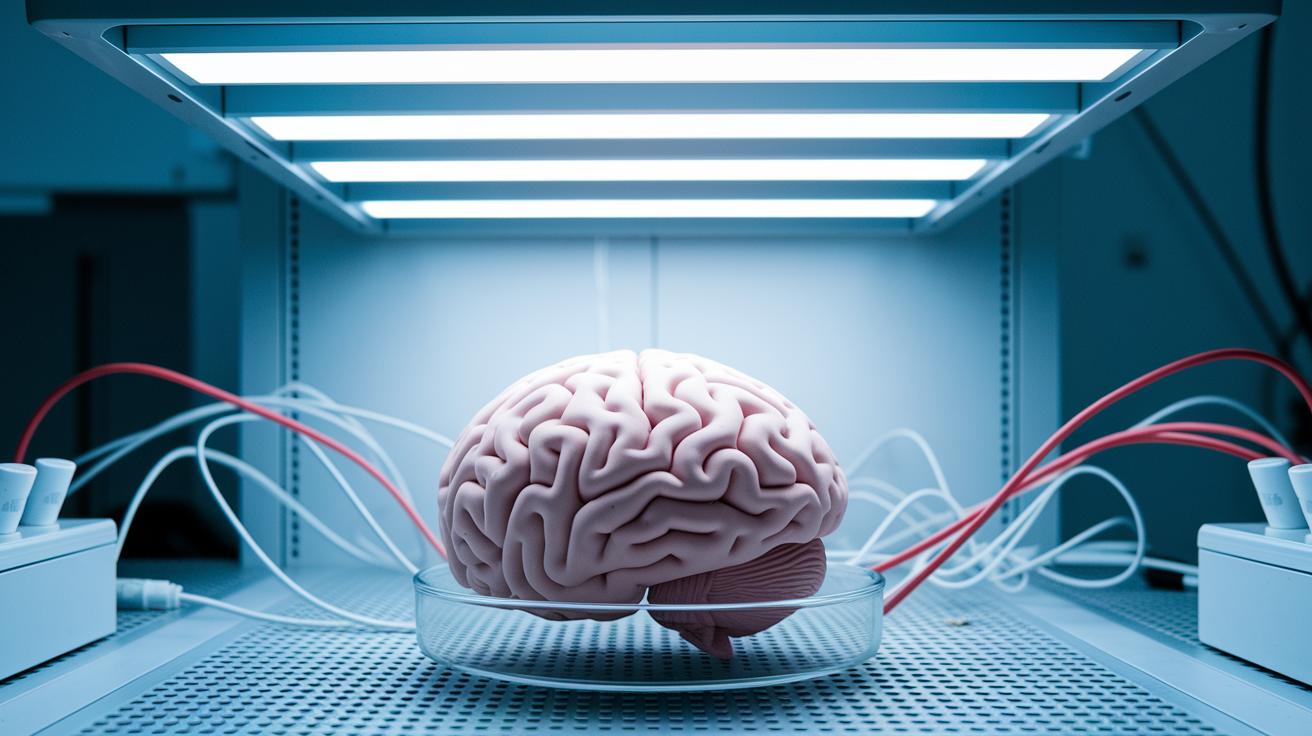
New research in neural studies is changing how we see the brain’s complex network. Scientists now mix different imaging methods to catch live brain responses as they happen. For example, at MIT, researchers pair structural and functional imaging so they can see the brain in action when it’s being stimulated. At Stanford, COSMOS bifocal microscopy even records tiny signals from neurons across the whole cortex while people make decisions. This gives us a clear glimpse of how different parts of the brain work together.

In labs, brain organoids, miniature, simplified versions of the brain, let researchers watch how connections form and change over time in a controlled setting. Meanwhile, Yale’s BrainEx platform helps keep brain tissue active for longer after death. This extra time lets researchers study electrical patterns and explore brain circuits in a preserved state.

It’s a bit like watching a live symphony, where every instrument’s note is captured perfectly and you can see how each one adds to the overall harmony. These advanced imaging methods not only deepen our understanding of brain circuits but also pave the way for better diagnostic tools and treatments.

Technique Institution Key Finding
Structural-Functional Pairing MIT Live mapping of image-driven brain activity
COSMOS Bifocal Microscopy Stanford Full cortex view during decision-making
Organoid Imaging Various Observing network formation and plasticity
BrainEx Post-Mortem System Yale Longer study time for preserved brain circuits

Cognitive Science Discoveries in Neuroscience: AI, Machine Learning, and Neural Decoding Innovations

DeepMind’s AI has recreated brain-like networks to play challenging games, showing us just how closely machines can mimic the human mind. It’s like watching technology learn the secrets of our brain, tackling tasks we once believed only people could handle. Researchers from Cambridge and Imperial College have even built an algorithm that studies CT scans to spot and sort out brain injuries. Imagine a tool that picks up tiny signs of trouble in scans, alerting doctors earlier than usual, that’s the power of blending detailed imaging with smart computer models.

At MIT, scientists have trained AI to mimic how we smell by recreating human scent pathways. This means computers can now classify different odors based on patterns in our brain, opening doors for new ways to help people with sensory challenges. Over at UCSF, a speech neuroprosthesis picks up on early brain signals during speech planning and turns them into clear, understandable words. Picture someone who can’t speak having their thoughts transform into sentences, it’s a game changer for how we connect with one another.

All these breakthroughs are pushing the limits of neural decoding and brain interfaces. They’re not just about exciting tech; they offer real hope for better diagnosis, treatment innovations, and smoother communication in healthcare.

Cutting-Edge Neuromodulation Technologies in Neuroscience: Non-Invasive and Deep Brain Stimulation
img-2.jpg

UCSF’s adaptive deep brain stimulation system works like a friendly chat with your brain. It adjusts electrical currents right when you need them, easing symptoms of resistant depression (when usual treatments just don't cut it). By sending precisely tuned pulses into targeted brain areas, it adapts in real time as your mood shifts. One person described it perfectly: "It feels as if my brain is in tune with every pulse."

At Northwestern, researchers are experimenting with an innovative injectable molecular therapy, nicknamed "dancing molecules", which has kickstarted spinal cord nerve regeneration in animal studies. In simpler terms, these tiny agents help fix damaged neurons and reconnect key pathways. Meanwhile, a team in Basel has developed a virtual reality exposure platform that gradually eases acrophobia by simulating height challenges. This non-invasive method uses engaging visuals and controlled settings to gently reshape your brain’s reaction to fear.

Together, these neuromodulation techniques show how both traditional invasive and cutting-edge non-invasive methods can tackle complex neurological and mental health challenges. They offer a glimpse into a future where treatments continuously adjust to your unique brain activity, transforming approaches to mental health and neural repair. It’s a promising time in neuroscience, with breakthrough research paving the way for real-life improvements.

Innovative breakthrough research in neuroscience: Shaping Tomorrow

Recent research shows that scientists can map gene networks to turn mature neurons back into younger, more flexible progenitor cells. US research teams have made major progress by revealing that these networks help cells regain a youthful, regenerative state. Imagine rebooting an old computer so it runs like new, this is the kind of transformation researchers are talking about with gene therapy.

Pluripotent stem cell-created mini-brains offer us a vivid glimpse into how our brain cells can change. In lab experiments, these tiny brain models behave almost like a live concert, with each beat representing the unique pulse of activity in our neural networks. Researchers compare these oscillations to the shifting rhythms of musical patterns that come together to form a dynamic melody.

At Max Planck, scientists even looked into our past by inserting Neanderthal DNA into organoids. Meanwhile, Brown University has developed microdevices, called neurograins, that track the tiny signals passing between brain cells. These innovations give us detailed insight into how our brains work at the molecular level, paving the way for tomorrow's treatments by merging advanced technology with deep cell-level understanding.

Translational Neuroscience and Clinical Trial Neurology: From Lab to Patient Care
img-3.jpg

Recent studies in neuroscience are now crafted with careful designs that capture how patients change over time. Scientists are leaning on digital measures and immediate data analysis to get a clear picture. For example, early tests of devices that decode speech use timed word challenges, and one trial even showed a 20% boost in accuracy after just two weeks of use.

Gene therapy research now comes with detailed checks on how treatments move through the body and extra tests to ensure they don’t accidentally alter the wrong genes. This rigorous approach is all about keeping treatments safe.

New methods are also making their way into studies that use imaging from several centers. Researchers use consistent diagnostic measures so that even subtle brain injuries are assessed the same way everywhere. Meanwhile, treatments for spinal cord repair now mix sensors that track movement with clinical exams to show improvements in nerve function.

Trial Type Primary Endpoint Unique Methodology
Gene Therapy Safety Cellular function and adverse events Tracking treatment processing and testing for unintended gene changes
Speech Decoding Device Accuracy in timed word tests Digital measurement of speech fluency
CT Scan Diagnostics Detection accuracy of brain injuries Standardized checks across multiple centers
Spinal Cord Repair Therapy Neurological function improvement Clinical tests paired with biomechanical sensor data

Emerging Frontiers in Neuroscience: Brain-Computer Interfaces and Neuromorphic System Design

Researchers are exploring ways to merge brain-computer interfaces with personalized medicine. They’re learning how adaptive neural devices capture real-time brain signals to craft treatment plans that truly fit each individual. For instance, one lab has developed a system that fine-tunes therapy settings on the fly, when a patient’s brain feedback shifts, their treatment adjusts immediately.

Meanwhile, low-power neuromorphic chips, tiny devices built to mimic the brain's own circuitry, are joining the mix. These chips process signals right on the device, offering instant, tailored neurofeedback. Imagine a wearable gadget that analyzes your brain’s natural rhythm as you go about your day, giving you clear, immediate health insights.

Researchers are also testing these innovative devices in everyday settings. Early pilot programs in clinics are exploring how combined systems could better manage chronic diseases. Doctors are optimistic, envisioning a future where treatment adapts seamlessly to your needs without ever disrupting your routine.

Final Words

in the action, we explored seven studies that span brain mapping, neural imaging, AI-powered insights, neuromodulation, molecular breakthroughs, clinical translation, and brain-computer interfaces.

Each section offers a snapshot into how everyday health decisions may soon lean on advanced techniques. Today's innovative breakthrough research in neuroscience lights the way toward clearer, science-backed wellness practices.

Embrace these promising revelations and step forward with optimism.

FAQ

What does innovative breakthrough research in neuroscience pdf entail?

The innovative breakthrough research in neuroscience pdf presents a comprehensive document compiling landmark studies, cutting-edge imaging techniques, and emerging neuromodulation methods, offering readers a detailed overview of current advances in brain science.

What does innovative breakthrough research in neuroscience ppt include?

The innovative breakthrough research in neuroscience ppt provides a slide-based presentation summarizing key advancements, including AI-driven models, neuroimaging techniques, and clinical applications, making complex research accessible and visually engaging.

What are the recent and major discoveries in neuroscience, such as those in 2022 and 2024?

The recent and major discoveries in neuroscience include breakthroughs like advanced neural imaging, gene therapy in neural recovery, and AI-driven diagnostics, which have reshaped our understanding of brain function and improved translational research in patient care.

What is the next big thing in neuroscience?

The next big thing in neuroscience is expected to integrate cutting-edge brain-computer interfaces, neuromorphic system design, and adaptive neural technologies, driving advances that blend clinical trial success with groundbreaking research in neural decoding.

What breakthroughs are anticipated in neuroscience in 2025?

The breakthroughs in neuroscience in 2025 are anticipated to focus on expanding neural decoding innovations, refining deep brain stimulation techniques, and enhancing AI-guided neuroimaging to further bridge laboratory research with real-world clinical solutions.

What is the Larry Katz Prize for innovative research in neuroscience?

The Larry Katz Prize for innovative research in neuroscience recognizes scientists who push forward with original, evidence-based studies that have significant clinical and research impacts, celebrating transformative contributions in brain science.

Who is considered the #1 neuroscientist in the world?

The #1 neuroscientist in the world is a title often debated among experts; however, leading figures are recognized based on their contributions to groundbreaking research and advancements across various neural disciplines.

Have you ever wondered if our minds might hold the key to solving some of our health challenges? Scientists are now exploring brain function in fresh ways that could really change lives. Imagine the brain as a bustling city at night, a network where every light represents a decision, a spark of hope, or a breakthrough waiting to happen.

Recent studies, seven major ones in fact, are using new imaging tools and smart technology to reveal insights about brain health. This research might soon lead to better ways of communicating and even help those who need it most feel more independent.

Transformative Breakthrough Research in Neuroscience: A Seven-Study Overview

Seven important studies from top research centers are opening up exciting insights into how our brains work. They offer fresh, practical approaches that could reshape our understanding of brain health.

One study used several imaging methods at once to watch live brain reactions as people made decisions. Another project dove deep with advanced microscopy, capturing the tiny details of neurons across the brain while subjects were engaged in decision-making tasks.

Researchers also built an AI system that mimics brain pathways. This smart model learned to handle complex tasks much like our own brain circuits do. In another breakthrough, a clinical neuroprosthetics project helped restore communication for those who are paralyzed, offering hope where it’s needed most.

Gene reprogramming research revealed new ways to transform mature brain cells into ones that can grow and repair themselves. Plus, adaptive stimulation techniques adjusted electrical pulses in real time to ease symptoms of depression with remarkable precision.

And then, there’s a study that decoded speech by turning brain signals into clear, synthesized sentences. This work could lead to new ways for those with communication challenges to find their voices again.

All of these developments are expanding our understanding of neuroscience. They not only push traditional limits but also set the stage for transformative applications in health and technology.

Advanced Neural Studies: Next-Generation Neuroimaging and Whole-Brain Mapping

img-1.jpg

New research in neural studies is changing how we see the brain’s complex network. Scientists now mix different imaging methods to catch live brain responses as they happen. For example, at MIT, researchers pair structural and functional imaging so they can see the brain in action when it’s being stimulated. At Stanford, COSMOS bifocal microscopy even records tiny signals from neurons across the whole cortex while people make decisions. This gives us a clear glimpse of how different parts of the brain work together.

In labs, brain organoids, miniature, simplified versions of the brain, let researchers watch how connections form and change over time in a controlled setting. Meanwhile, Yale’s BrainEx platform helps keep brain tissue active for longer after death. This extra time lets researchers study electrical patterns and explore brain circuits in a preserved state.

It’s a bit like watching a live symphony, where every instrument’s note is captured perfectly and you can see how each one adds to the overall harmony. These advanced imaging methods not only deepen our understanding of brain circuits but also pave the way for better diagnostic tools and treatments.

Technique Institution Key Finding
Structural-Functional Pairing MIT Live mapping of image-driven brain activity
COSMOS Bifocal Microscopy Stanford Full cortex view during decision-making
Organoid Imaging Various Observing network formation and plasticity
BrainEx Post-Mortem System Yale Longer study time for preserved brain circuits

Cognitive Science Discoveries in Neuroscience: AI, Machine Learning, and Neural Decoding Innovations

DeepMind’s AI has recreated brain-like networks to play challenging games, showing us just how closely machines can mimic the human mind. It’s like watching technology learn the secrets of our brain, tackling tasks we once believed only people could handle. Researchers from Cambridge and Imperial College have even built an algorithm that studies CT scans to spot and sort out brain injuries. Imagine a tool that picks up tiny signs of trouble in scans, alerting doctors earlier than usual, that’s the power of blending detailed imaging with smart computer models.

At MIT, scientists have trained AI to mimic how we smell by recreating human scent pathways. This means computers can now classify different odors based on patterns in our brain, opening doors for new ways to help people with sensory challenges. Over at UCSF, a speech neuroprosthesis picks up on early brain signals during speech planning and turns them into clear, understandable words. Picture someone who can’t speak having their thoughts transform into sentences, it’s a game changer for how we connect with one another.

All these breakthroughs are pushing the limits of neural decoding and brain interfaces. They’re not just about exciting tech; they offer real hope for better diagnosis, treatment innovations, and smoother communication in healthcare.

Cutting-Edge Neuromodulation Technologies in Neuroscience: Non-Invasive and Deep Brain Stimulation

img-2.jpg

UCSF’s adaptive deep brain stimulation system works like a friendly chat with your brain. It adjusts electrical currents right when you need them, easing symptoms of resistant depression (when usual treatments just don't cut it). By sending precisely tuned pulses into targeted brain areas, it adapts in real time as your mood shifts. One person described it perfectly: "It feels as if my brain is in tune with every pulse."

At Northwestern, researchers are experimenting with an innovative injectable molecular therapy, nicknamed "dancing molecules", which has kickstarted spinal cord nerve regeneration in animal studies. In simpler terms, these tiny agents help fix damaged neurons and reconnect key pathways. Meanwhile, a team in Basel has developed a virtual reality exposure platform that gradually eases acrophobia by simulating height challenges. This non-invasive method uses engaging visuals and controlled settings to gently reshape your brain’s reaction to fear.

Together, these neuromodulation techniques show how both traditional invasive and cutting-edge non-invasive methods can tackle complex neurological and mental health challenges. They offer a glimpse into a future where treatments continuously adjust to your unique brain activity, transforming approaches to mental health and neural repair. It’s a promising time in neuroscience, with breakthrough research paving the way for real-life improvements.

Innovative breakthrough research in neuroscience: Shaping Tomorrow

Recent research shows that scientists can map gene networks to turn mature neurons back into younger, more flexible progenitor cells. US research teams have made major progress by revealing that these networks help cells regain a youthful, regenerative state. Imagine rebooting an old computer so it runs like new, this is the kind of transformation researchers are talking about with gene therapy.

Pluripotent stem cell-created mini-brains offer us a vivid glimpse into how our brain cells can change. In lab experiments, these tiny brain models behave almost like a live concert, with each beat representing the unique pulse of activity in our neural networks. Researchers compare these oscillations to the shifting rhythms of musical patterns that come together to form a dynamic melody.

At Max Planck, scientists even looked into our past by inserting Neanderthal DNA into organoids. Meanwhile, Brown University has developed microdevices, called neurograins, that track the tiny signals passing between brain cells. These innovations give us detailed insight into how our brains work at the molecular level, paving the way for tomorrow's treatments by merging advanced technology with deep cell-level understanding.

Translational Neuroscience and Clinical Trial Neurology: From Lab to Patient Care

img-3.jpg

Recent studies in neuroscience are now crafted with careful designs that capture how patients change over time. Scientists are leaning on digital measures and immediate data analysis to get a clear picture. For example, early tests of devices that decode speech use timed word challenges, and one trial even showed a 20% boost in accuracy after just two weeks of use.

Gene therapy research now comes with detailed checks on how treatments move through the body and extra tests to ensure they don’t accidentally alter the wrong genes. This rigorous approach is all about keeping treatments safe.

New methods are also making their way into studies that use imaging from several centers. Researchers use consistent diagnostic measures so that even subtle brain injuries are assessed the same way everywhere. Meanwhile, treatments for spinal cord repair now mix sensors that track movement with clinical exams to show improvements in nerve function.

Trial Type Primary Endpoint Unique Methodology
Gene Therapy Safety Cellular function and adverse events Tracking treatment processing and testing for unintended gene changes
Speech Decoding Device Accuracy in timed word tests Digital measurement of speech fluency
CT Scan Diagnostics Detection accuracy of brain injuries Standardized checks across multiple centers
Spinal Cord Repair Therapy Neurological function improvement Clinical tests paired with biomechanical sensor data

Emerging Frontiers in Neuroscience: Brain-Computer Interfaces and Neuromorphic System Design

Researchers are exploring ways to merge brain-computer interfaces with personalized medicine. They’re learning how adaptive neural devices capture real-time brain signals to craft treatment plans that truly fit each individual. For instance, one lab has developed a system that fine-tunes therapy settings on the fly, when a patient’s brain feedback shifts, their treatment adjusts immediately.

Meanwhile, low-power neuromorphic chips, tiny devices built to mimic the brain's own circuitry, are joining the mix. These chips process signals right on the device, offering instant, tailored neurofeedback. Imagine a wearable gadget that analyzes your brain’s natural rhythm as you go about your day, giving you clear, immediate health insights.

Researchers are also testing these innovative devices in everyday settings. Early pilot programs in clinics are exploring how combined systems could better manage chronic diseases. Doctors are optimistic, envisioning a future where treatment adapts seamlessly to your needs without ever disrupting your routine.

Final Words

in the action, we explored seven studies that span brain mapping, neural imaging, AI-powered insights, neuromodulation, molecular breakthroughs, clinical translation, and brain-computer interfaces.

Each section offers a snapshot into how everyday health decisions may soon lean on advanced techniques. Today's innovative breakthrough research in neuroscience lights the way toward clearer, science-backed wellness practices.

Embrace these promising revelations and step forward with optimism.

FAQ

What does innovative breakthrough research in neuroscience pdf entail?

The innovative breakthrough research in neuroscience pdf presents a comprehensive document compiling landmark studies, cutting-edge imaging techniques, and emerging neuromodulation methods, offering readers a detailed overview of current advances in brain science.

What does innovative breakthrough research in neuroscience ppt include?

The innovative breakthrough research in neuroscience ppt provides a slide-based presentation summarizing key advancements, including AI-driven models, neuroimaging techniques, and clinical applications, making complex research accessible and visually engaging.

What are the recent and major discoveries in neuroscience, such as those in 2022 and 2024?

The recent and major discoveries in neuroscience include breakthroughs like advanced neural imaging, gene therapy in neural recovery, and AI-driven diagnostics, which have reshaped our understanding of brain function and improved translational research in patient care.

What is the next big thing in neuroscience?

The next big thing in neuroscience is expected to integrate cutting-edge brain-computer interfaces, neuromorphic system design, and adaptive neural technologies, driving advances that blend clinical trial success with groundbreaking research in neural decoding.

What breakthroughs are anticipated in neuroscience in 2025?

The breakthroughs in neuroscience in 2025 are anticipated to focus on expanding neural decoding innovations, refining deep brain stimulation techniques, and enhancing AI-guided neuroimaging to further bridge laboratory research with real-world clinical solutions.

What is the Larry Katz Prize for innovative research in neuroscience?

The Larry Katz Prize for innovative research in neuroscience recognizes scientists who push forward with original, evidence-based studies that have significant clinical and research impacts, celebrating transformative contributions in brain science.

Who is considered the #1 neuroscientist in the world?

The #1 neuroscientist in the world is a title often debated among experts; however, leading figures are recognized based on their contributions to groundbreaking research and advancements across various neural disciplines.

More from author

LEAVE A REPLY

Please enter your comment!
Please enter your name here

Related posts

Advertismentspot_img

Latest posts

How To Create A Daily Wellness Routine: Thriving

Curious about how to create a daily wellness routine that transforms your mornings and days? Read on as secrets await…

2 Daily Wellness Drink Tips For Radiance

Experience a daily wellness drink with natural herbs, green ingredients, and clinical backing that might change your routine forever, stay tuned.

Daily Wellness: Elevate Your Everyday Vitality

Daily wellness transforms everyday routines into mindful adjustments, merging nutrition, movement, and restorative sleep. What unforeseen practice awaits you next?

Want to stay up to date with the latest news?

We would love to hear from you! Please fill in your details and we will stay in touch. It's that simple!