Have you ever wondered if calories alone tell the whole story? Your favorite greens and lean proteins do more than just fill you up, they pack a powerful blend of vitamins, minerals, and fiber that your body truly needs. When you eat foods like these, you’re giving your body quality fuel without extra baggage. In this post, we’ll break down how looking at nutrient density, that is, the goodness packed into each bite, versus energy density, or the calories, can guide you to smarter food choices. This approach helps you craft meals that not only satisfy your hunger but also boost your overall health.
Nutrient Density vs Energy Density: Fueling Your Health
Understanding how nutrient density and energy density work can help you choose foods that truly nourish your body. Nutrient density is all about the vitamins, minerals, and fiber packed into each bite compared to the calories it provides. When you fill your plate with leafy greens or lean proteins, you're giving your body essential fuel without overwhelming it with extra calories. This careful balance helps keep your energy levels steady throughout the day.
Energy density, however, looks at the calories in a food relative to its weight or volume. Think of snacks like chips, pastries, or soda. They pack a lot of calories into a small serving, making it easy to eat more than you planned. This concept is important when you’re planning meals that satisfy your hunger without tipping the calorie scale too high.
Nutrient density means checking how many good-for-you vitamins, minerals, and fiber you get with every calorie. Fruits, vegetables, and lean proteins are great examples because they support your well-being without adding too many extra calories.
Energy density tells you how calorie-rich a food is on a per gram or per ounce basis. It’s as simple as dividing the total calories by the weight of the food. Foods high in energy density, like our favorite high-fat snacks and sweets, are tasty but can lead to eating more calories than you need.
| Metric | Nutrient Density | Energy Density |
|---|---|---|
| Definition | Key nutrients per calorie | Calories per unit weight or volume |
| Calculation Method | Nutrients divided by total calories | Total kilocalories divided by food weight (g) |
| Representative Foods | Vegetables, fruits, lean proteins | Chips, pastries, soda |
Examples of High and Low Nutrient vs Energy Density Foods

When you see real food examples, it becomes much clearer how some choices pack in nutrients without excess calories, while others load on calories with little else to offer. Imagine a bright, crisp salad of leafy greens versus a small bag of chips that leaves you wanting more even after snacking.
Nutrient-dense foods are like little powerhouses, you get vitamins, minerals, and fiber in every bite without overwhelming your calorie count. Think about items such as:
- Leafy greens like spinach and kale
- Berries such as blueberries and strawberries
- Beans like black beans and lentils
- Lean poultry like chicken breast
- Fish such as salmon and cod
- Nuts like almonds and walnuts
- Seeds including chia and flax
- Cruciferous vegetables like broccoli and cauliflower
- Citrus fruits such as oranges and grapefruits
- Low-fat dairy like yogurt and skim milk
Meanwhile, energy-dense foods supply a lot of calories in a small serving, often with less nutritional value. Examples include:
- Chips
- Pastries
- Candy
- Soda
- Fried snacks like french fries and onion rings
- Buttery baked goods such as croissants and muffins
- Ice cream
- Processed meats like sausages and bacon
- Granola bars (especially those high in sugar)
- Fast-food items like burgers and pizza
When you compare these lists, it’s easier to decide what to eat. Choosing nutrient-rich foods means you fill your plate with food that truly nourishes your body, all while keeping your overall calorie intake in check. On the flip side, if you enjoy energy-dense foods too often, you might end up consuming more calories than you planned. In short, making mindful choices about nutrient and energy density can lead to a balanced, satisfying diet.
Health Implications of Nutrient Density vs Energy Density
Eating foods that are packed with nutrients can really lift your overall well-being. They help keep your weight in balance while supplying your body with the vitamins and minerals it needs. When you pile your plate with leafy greens, lean proteins, and whole fruits, you're giving yourself a mix of vitamins, minerals, and fiber that aids digestion and keeps your energy steady. Research, including studies by Rolls BJ in 2009, shows that meals lower in calories per bite help you feel full longer. This feeling of fullness supports better portion control and may lower the risk of chronic diseases. In short, a nutrient-rich diet not only helps manage calories but also fuels your active lifestyle.
On the flip side, regularly eating foods that are high in calories but low in nutrients can lead to extra calorie intake and weight gain. Think about snacks like chips, pastries, and soda. They might be tempting, but they often leave you without the essential nutrients your body needs. Over time, relying on these choices can mean you miss out on key vitamins and minerals, which might even increase your risk of inflammation and other metabolic issues. Balancing these energy-dense foods with nutrient-rich options is essential for maintaining good health.
Tips for Balancing Nutrient Density vs Energy Density in Your Diet
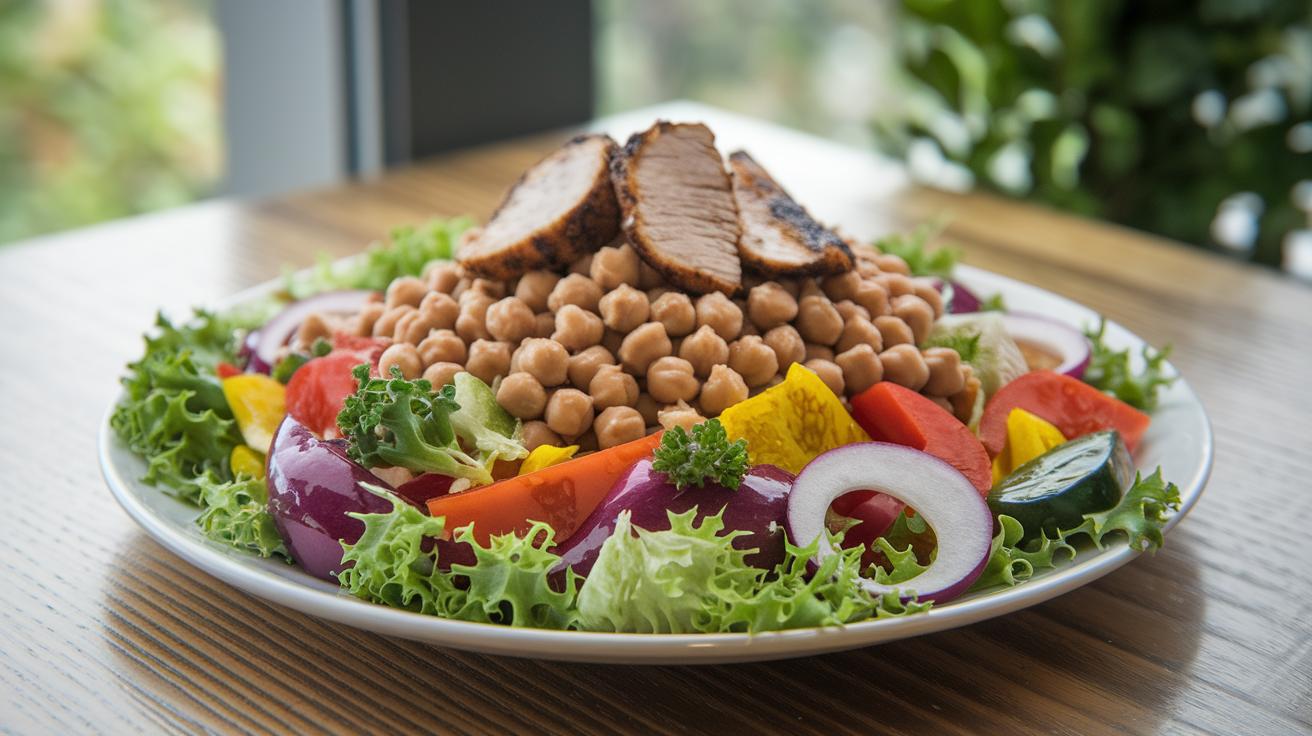
Design your meals so they fill you up without piling on extra calories. It’s all about choosing foods that pack a nutritional punch without overdoing the energy you don’t need.
Start by adding high-water foods like fresh fruits, crunchy vegetables, light broths, and whole grains. These options boost volume and hydration, meaning you feel fuller without extra calories.
Next, ramp up your fiber intake with legumes, whole grains, and more veggies. Fiber, which helps slow digestion, gives you steady energy and keeps hunger at bay between meals.
Also, include lean proteins like chicken, fish, or tofu. They do a great job at curbing hunger while supporting muscle strength, which is especially important when you’re managing calorie intake.
And don’t forget to cut back on liquid calories. Drinks such as soda, juice, and sweetened beverages add extra energy without really satisfying your hunger.
Try mixing and matching these strategies to see what works best for you. For example, pairing lean protein with high-fiber carbohydrates can help keep your energy steady all day. Small, thoughtful changes like these create a balanced, nutrient-rich diet that can boost your overall health and make meal planning a breeze.
Measuring Nutrient Density and Energy Density: Tools and Methods
When it comes to choosing food wisely, knowing its nutrient and calorie content makes all the difference. By breaking down what each serving offers, both essential vitamins and energy, you can quickly tell if a food will fuel your body right or add unwanted extra calories. Imagine picking a salad that's rich in vitamins but low in calories; it’s an easy way to maintain your energy without overdoing it on calories.
Calculating Energy Density
Calculating energy density is pretty simple. You just divide the total calories of the food by its weight in grams. So, if you have a food item with 200 calories that weighs 100 grams, its energy density is 2 calories per gram. This quick method shows you how calorie-packed each bite is. And, remember, different nutrients provide different amounts of energy, fats offer 9 calories per gram, while proteins and carbohydrates give about 4 calories per gram each.
Nutrient Density Scoring Systems
Nutrient density scoring systems, such as the Nutrient Rich Food (NRF) index, help you see the real value of your food. They work by comparing the vitamins, minerals, and other good stuff in the food to its calorie count. For instance, if you compare a serving of vibrant vegetables to a high-calorie snack, the score will show you that the vegetables pack in more health benefits without extra calories. This tool makes it easy to spot foods that fit well into a balanced, healthful diet.
| Method | Formula | Use Case |
|---|---|---|
| Energy Density | Total kcal ÷ food weight (g) | Assess calorie load per serving |
| Nutrient Density Index | Nutrient score per calorie | Compare vitamin, mineral, and overall nutritional value |
Dietary Patterns Utilizing Nutrient Density vs Energy Density Principles
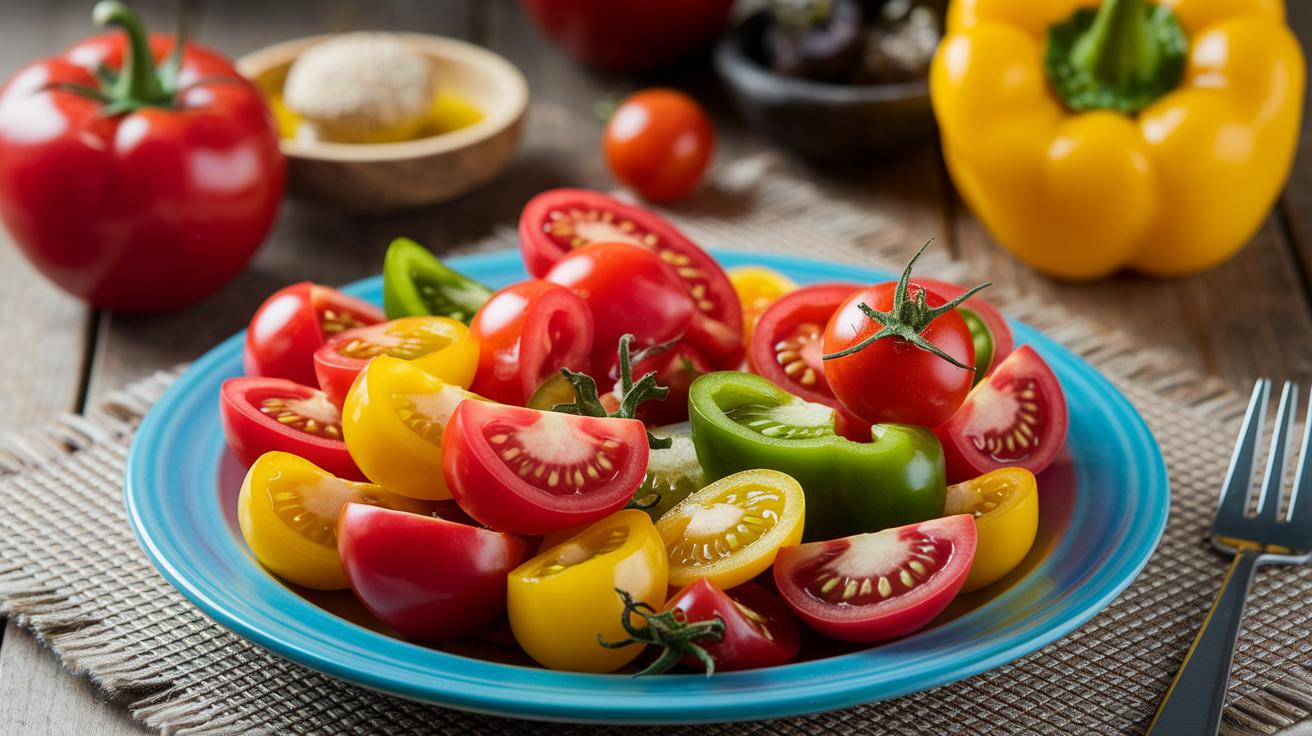
Imagine a way of eating where you care just as much about what gives your body vitamins, minerals, and fiber as you do about keeping calories in check. This balanced plan mixes nutrient density (foods bursting with goodness) with energy density (calories that fuel you) to help you feel full and energized. Think of it as choosing meals that naturally support a healthy energy balance using everyday, whole foods.
The Mediterranean diet is a great example of this approach. It puts fresh vegetables, legumes, whole grains, and olive oil at center stage, giving you plenty of vital nutrients without an overload of calories. Studies show that this way of eating can boost heart health, support weight management, and even lower the risk of chronic issues. Picture a plate filled with colorful veggies and just a light drizzle of olive oil, it’s a simple, delicious way to balance taste and nutrition.
Other healthy eating styles, like anti-inflammatory or plant-based diets, follow a similar rule. They skip the heavily processed, calorie-packed foods and focus on whole ingredients that pack a vitamin punch. This method not only satisfies your hunger but also makes sure you’re getting the kind of nutrition your body craves, with none of the extra calorie baggage.
Final Words
In the action, we compared nutrient density vs energy density by defining how each metric guides our food choices. We broke down key concepts, from assessing vitamin and mineral levels per calorie to pinpointing energy content in everyday foods. We also shared real-world examples, weighing their role in managing chronic conditions and promoting balanced, holistic practices.
These points help you blend advanced research with practical dietary decisions. Keep experimenting with nutrient density vs energy density for a healthier, more energetic life.
FAQ
What are energy dense foods and what are some examples?
The term energy dense means foods that pack many calories per gram. For example, pastries, fried snacks, candy, and ice cream are energy dense. Cheese can be energy dense too when eaten in moderation.
Is cheese energy dense?
The fact that cheese is energy dense means it supplies a significant number of calories in a small serving due to its fat and protein. This makes mindful portion control important in a balanced diet.
What are nutrient-dense foods?
The concept of nutrient-dense foods means items that deliver abundant vitamins, minerals, and fiber with relatively few calories. Leafy greens, berries, beans, lean poultry, and fish are great examples.
Is nutrient density the same as energy density, and what is their difference?
The comparison shows nutrient density measures essential nutrients per calorie, while energy density calculates calories per gram. They assess food quality differently, focusing on nutritional value versus caloric content.
Can a food be energy dense but not nutrient-dense?
The idea that a food can be energy dense but not nutrient-dense means it has high calorie levels with little nutritional benefit. Many processed foods and sweets fit this description.
What is the difference between energy and nutrients?
The difference is that energy refers to the calories food provides for fuel, while nutrients include vitamins, minerals, and other compounds that support body functions and overall health.