Ever thought about how the foods you choose might give you more energy? A diet full of vitamins, minerals, and natural compounds helps your body run its daily routines. When you trade processed snacks for fresh fruits, veggies, and proteins, you're not just making a healthier choice, you’re also boosting your immune system, keeping your heart in good shape, and leveling out your energy. Each bite you take builds a stronger, happier body that can lift your mood and support you for the long haul.
Core Health Benefits of a Nutrient-Dense Diet: Feel Revitalized
Nutrient-dense foods pack a punch with vitamins, minerals, and special compounds that help your body run its countless reactions each second. They do a lot more than just give you energy, they fuel your body’s important systems. For example, did you know a single cup of spinach offers more vitamin A per calorie than many other vegetables? It’s amazing how even a small serving can boost your overall well-being.
Research shows that eating plenty of whole fruits, vegetables, and lean proteins really helps your immune system, keeps your heart strong, and even balances your hormones. When you include these nutrient-rich foods in your meals, they build up your defenses by helping create antibodies, improve blood flow for a healthy heart, and regulate hormones that control hunger and energy. In fact, studies have linked these foods to fewer blood pressure spikes and better insulin management, offering a well-rounded way to care for your body.
Over time, switching to a nutrient-dense diet can lead to steady energy levels, a happier digestive system, and a reduction in chronic inflammation. As you replace processed foods with whole ingredients, you naturally cut down on things that cause inflammation while boosting your intake of important micronutrients. This way of eating not only helps you feel refreshed today but also builds a strong foundation for a healthier tomorrow.
Metabolic and Energy Benefits of a Nutrient-Dense Diet

Nutrient-dense foods really pack a punch. They not only offer essential vitamins and minerals but also give your body a natural boost of energy. When you eat foods rich in protein and micronutrients, your body actually works a bit harder to digest them compared to sugary snacks. This means extra calories are burned during digestion, a process known as the thermic effect. In simple terms, this extra effort helps keep your blood sugar steady, giving you smooth, balanced energy without the usual ups and downs.
These powerhouse foods also play a big role in balancing hunger hormones. For example, eating whole foods can raise leptin levels, the hormone that tells you when you’re full. On the flip side, the natural sugars in fruits can gently boost ghrelin, which is your body’s hunger signal. The result? A well-tuned balance that keeps your energy consistent and helps curb those pesky cravings.
Thermic Effect of Nutrient-Dense Foods
High-protein, nutrient-packed meals prompt your body to work harder to digest, which means more calories are burned right after you eat.
Hormone Response and Satiety from Whole Foods
Certain nutrients assist in regulating hunger hormones like ghrelin and leptin. This natural balance helps you feel fuller longer and maintains even energy levels throughout your day.
Top 5 Nutrient-Dense Foods to Elevate Your Diet
Adding nutrient-packed foods to your meals can really boost your energy and help you power through the day. Imagine swapping out your usual snack for a dish full of natural vitamins and minerals, it's like giving your body a gentle kick-start. These foods work hard to support everything from your heart to your digestion and muscle recovery.
Try these top picks:
- Salmon: It’s loaded with omega-3 fatty acids, which help keep your heart strong.
- Berries: These little fruits are bursting with antioxidants that fight damaging free radicals.
- Dark Green Vegetables: They offer plenty of vitamins A, K, and C along with key minerals.
- Baked Potatoes: A great source of complex carbs, fiber, potassium, and vitamin C for steady energy.
- Eggs: They bring quality protein and good fats to help repair muscles and support hormone balance.
When you weave these foods into your everyday meals, you're not just eating, you’re fueling your body with a natural, balanced energy. It’s a simple way to build a foundation that helps you feel nourished and ready for life’s challenges.
Immune Defense and Disease Prevention with Nutrient-Dense Eating
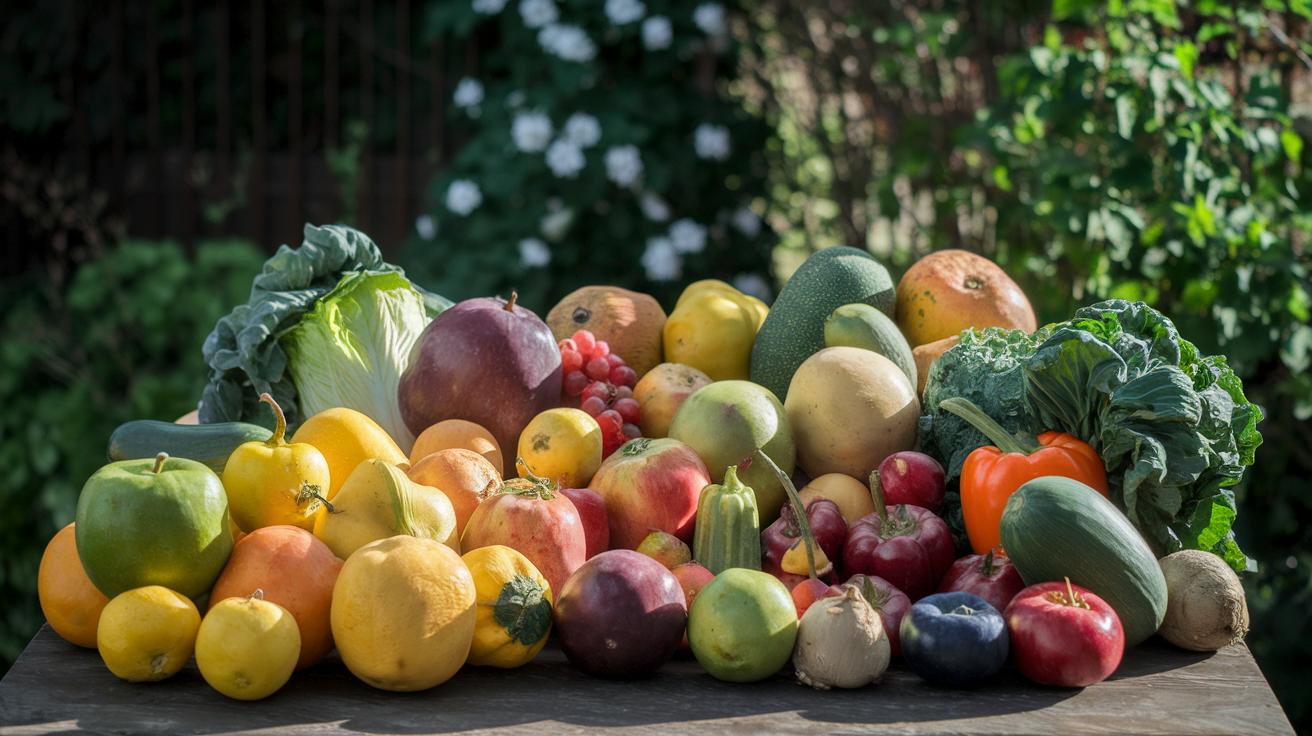
When you eat foods packed with nutrients, you give your body a natural boost. These smart foods, like fresh fruits and cruciferous vegetables, carry powerful antioxidants that help calm inflammation in your body while lowering the chance of long-term illnesses. Think of it like having tiny defenders inside you that protect your cells from damage and keep your body in good shape.
Key vitamins such as C, E, and A, along with minerals like zinc and selenium, work hand in hand to keep your immune system strong. Studies show that these nutrients help balance your immune responses, making it easier for your body to fight off bugs. In fact, people who eat lots of whole, nutrient-rich foods tend to have fewer issues with heart problems, autoimmune conditions, and other metabolic diseases.
On the other hand, diets heavy in processed foods can raise inflammation levels and increase disease risk. By choosing a diet centered on natural, whole foods, you create a balanced environment in your body. This simple yet effective approach keeps harmful inflammation in check and builds a resilient immune system, giving you a sturdy foundation for long-term health protection.
Gut Health and Digestive Support from a Nutrient-Dense Diet
Eating foods rich in fiber, like fresh fruits, crunchy vegetables, hearty legumes, and whole grains, is a simple way to nurture the lively community of good bacteria in your gut. These fibers act like a nourishing meal for your tiny gut helpers, keeping them happy and busy. It’s a natural and gentle method to support digestion while keeping your energy levels balanced throughout the day.
Prebiotic fibers (the special kind that feeds good bacteria) found in these foods not only help your body absorb nutrients better but also keep your digestion running smoothly. They work like a natural aid, easing the process of breaking down food and reducing those little moments of discomfort you might sometimes feel.
Choosing nutrient-packed, whole, and unprocessed ingredients can even help lower inflammation in your gut and strengthen its natural barrier. Every bite of a wholesome meal supports your digestive system, leaving you feeling revitalized and ready to take on the day. It’s like giving your gut a little boost with every meal, helping it work at its best so you can enjoy lasting vitality.
Practical Meal Planning for a Nutrient-Dense Diet

It all starts with choosing real, whole foods. Think fresh fruits, crisp vegetables, lean proteins, and minimally processed grains. Every bite packs essential vitamins and minerals that naturally support your body. Imagine a salad bursting with vibrant greens, juicy tomatoes, and a tasty protein like grilled chicken, it’s like an energizing boost in every forkful.
Set aside a few hours each week for meal prep. Picture yourself simmering a big pot of hearty vegetable soup, blending antioxidant-rich smoothies, or assembling balanced grain bowls. This way, you not only save time but also remove the stress of daily meal decisions. It really feels like having a ready-to-go pantry that nudges you toward your health goals.
Mixing up your meals by rotating seasonal produce can make every dish feel fresh and exciting. When fruits and vegetables are in season, they deliver a wider range of flavors and nutrients, creating a naturally evolving menu. This simple swap keeps your nutritional intake on point while delighting your taste buds.
Lastly, try replacing processed snacks with natural options such as nuts, seeds, and fermented foods. Let your body’s signals guide your choices without getting bogged down by counting every calorie. With a touch of planning, your meals become sustainable, delicious, and packed with life-enhancing nutrients.
Comparing Nutrient-Dense Foods vs. Conventional Options
When you look at nutrient-dense foods next to regular options, the benefits really pop. For example, 100 calories of broccoli gives you plenty of fiber, vitamin C, and potassium. In contrast, white chocolate offers next to nothing when it comes to micronutrients. Whole grain bread is a clear winner over white bread since it packs four times more potassium, three times more zinc, and twice the protein and fiber. Even baked potatoes beat chips by providing complex carbohydrates, fiber, and vitamin C instead of unhealthy fats.
Choosing nutrient-dense foods can help keep your blood sugar steady, support long-term food practices, and boost how well your body absorbs vitamins.
| Food Option | Nutrient Comparison |
|---|---|
| Broccoli vs. White Chocolate | Fiber, vitamin C, and potassium vs. minimal micronutrients |
| Whole Grain Bread vs. White Bread | 4× potassium, 3× zinc, 2× protein and fiber |
| Baked Potatoes vs. Chips | Complex carbohydrates, fiber, vitamin C vs. unhealthy fats |
Final Words
In the action of managing our health, nutrient density proves vital by fueling every cell with essential vitamins, minerals, and bioactive compounds. We walked through how whole foods support our immune, heart, and hormonal functions while easing inflammation naturally.
Evidence from research shows that a shift toward nutrient-rich choices paves the way for steady energy and improved wellbeing. Embracing the benefits of a nutrient dense diet offers a wholesome pathway for balanced living and lasting vitality.
FAQ
What does nutrient-dense food mean?
The term nutrient-dense means foods packed with essential vitamins, minerals, and bioactive compounds relative to their calorie content, supporting vital metabolic reactions and overall body functions.
Why are nutrient-dense foods important for overall health and what benefits do they offer?
The benefits of including nutrient-dense foods in daily eating patterns include improved immune, cardiovascular, and hormonal support, which help maintain steady energy levels and reduce inflammation for lasting well-being.
Are nutrient-dense meals effective for weight loss?
The impact of nutrient-dense meals on weight loss lies in their ability to promote fullness, provide balanced energy, and reduce cravings, aiding in steady weight management when combined with an active lifestyle.
Where can I find a list or chart of the most nutrient-dense foods, including the 100 most nutrient-dense foods?
The presence of a nutrient-dense foods chart or list, such as a PDF detailing the 100 most nutrient-dense options, can guide informed decisions, and many nutrition resources and websites offer these valuable tools.
How do low nutrient density foods differ from nutrient-dense options?
The contrast between low nutrient density and nutrient-dense foods is that low nutrient options provide more calories with fewer vitamins and minerals, while nutrient-dense choices deliver high nutrient content essential for health.