Ever wonder if ancient secrets could help you feel amazing today? Imagine a life where you care for your body, mind, and emotions, and the result is a happier, healthier version of you.
Old wellness ideas tell us that simple habits like staying active, eating healthy foods, and finding moments to relax can truly boost your overall well-being. Think of it like putting together a puzzle, every part of your life, whether it’s your physical energy, mental calm, or social connections, plays a role in creating a full picture of health.
In this post, we’ll explore these time-tested tips that still work wonders. Who knows? They might just spark your journey toward a more balanced life.
Foundations of Wellness Theories
Wellness theories are simply ways to understand how our health pieces come together to boost overall well-being. These ideas go way back, to around 3000 BC, when people believed a balanced mind, body, and spirit was the secret to a good life. In fact, many ancient traditions thought that using natural remedies to keep balanced was the key to living longer. It’s amazing to see how far these ideas have come.
Today, we talk about five main areas: physical vitality, mental balance, emotional thriving, social connection, and integrative care. Physical vitality covers things like exercise, healthy eating, and getting a good night’s sleep. Mental balance is all about keeping clear and focused, while emotional thriving involves handling your feelings and stress. Social connection reminds us how important good relationships are, and integrative care brings all these parts together for a whole-life approach, from taking care of yourself to supporting your community.
Using ideas from different fields is what makes applying wellness theories in real life so practical. Think of it like putting together a puzzle: every little piece, whether it’s physical health or emotional support, helps complete the big picture of overall well-being. This approach not only guides programs at work, in spa treatments, or even in creating wellness products for pets, but it also makes it easier to embrace strategies that truly enhance our everyday lives.
Historical Evolution of Wellness Theories
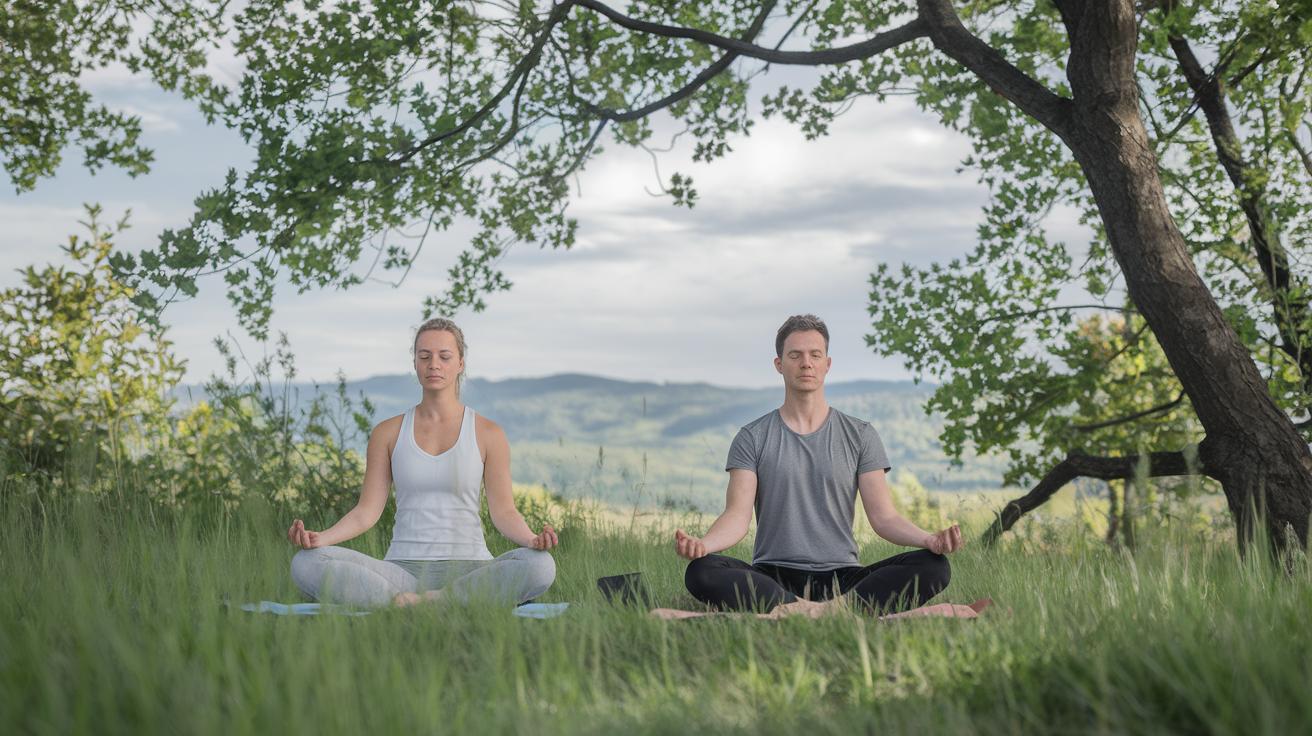
Long ago, even around 3000 BC, people believed that a healthy life meant taking care of the mind, body, and spirit together. They practiced meditation, used herbal remedies, and took part in healing rituals, setting the stage for early ideas about wellness.
By the 1950s, health started to become a more organized affair. Companies and spas began offering scheduled fitness sessions and educational workshops that connected exercise with overall well-being. It was clear that structured wellness programs could really help improve quality of life.
In the 1970s, researchers got curious about how our feelings and thoughts could influence our physical health. They discovered that our emotions and mental processes play a big part in our overall wellness, paving the way for more detailed wellness models.
Today, modern health approaches blend old wisdom with current research. We now see integrative strategies that include physical exercise, nutritional advice, and mental health practices. This comprehensive approach builds on ancient ideas and today’s science to offer balanced, practical wellness solutions for a variety of lifestyles.
wellness theories Spark Holistic Well-being
Wellness covers many parts of our lives, and different models help us see it in a clear way. One popular approach, the PERMA+ model, focuses on the good feelings we experience, how we get involved in activities, our bonds with others, finding meaning, and our personal accomplishments. It also pays attention to everyday things like eating well, staying active, getting enough sleep, and keeping a positive outlook.
Other models break down wellness into parts that work best in different settings. For example, the AMSO model splits health into four key areas, Awareness, Motivation, Skills, and Opportunities, making it a great fit for workplace wellness programs. Then there's the Eight Dimensions model, which covers our emotional, work, physical, social, mental, spiritual, environmental, and financial well-being, ideal for community programs that address life in many ways.
| Model | Core Elements | Typical Applications |
|---|---|---|
| PERMA+ model | Positive feelings, Engagement, Relationships, Meaning, Accomplishments, plus Optimism, Nutrition, Physical Activity, Sleep | Mental health programs |
| AMSO model | Awareness (like risk assessments), Motivation (through feedback and plans), Skills (cooking, exercise, goal-setting), Opportunities (access to gyms and healthy food) | Corporate wellness settings |
| Eight Dimensions | Emotional, Occupational, Physical, Social, Intellectual, Spiritual, Environmental, Financial | Community initiatives |
Comparative Analysis of Psychological and Physical Wellness Theories

When you look at wellness, it's clear there are two sides to consider: your mind and your body. On one side, psychological approaches explore moments when you're completely absorbed in what you're doing, like getting lost in a painting session or a coding project, which shows how a positive inner vibe can boost your confidence and resilience. On the other, physical wellness is about taking care of your body through regular exercise, balanced meals, and good sleep. Together, these ideas set the stage for understanding how our thoughts, feelings, and physical actions work hand in hand.
Think of it this way: a flow state is that amazing feeling of being "in the zone" where creativity and fulfillment take over, while a structured workout routine focuses on clear objectives like increasing strength and endurance. One path enriches our inner experiences by offering challenging yet satisfying tasks, and the other methodically builds up our physical stamina and vitality. Both strategies target overall well-being, reminding us just how interconnected our mental and physical health really are.
By combining these psychological and physical strategies, today's wellness models offer benefits that reach far beyond just feeling good, they enhance productivity, balance, and resilience in everyday life. When mental clarity meets physical health, you set yourself up for a life that's not only more vibrant but also better equipped to handle whatever comes your way.
Practical Applications and Case Studies in Wellness Theories
Turning wellness theories into everyday habits means taking proven research and making it work for our daily lives. It’s like turning a recipe into a delicious meal, gathering concrete steps and mixing them into programs that encourage healthy routines. When you’re informed and feel motivated, even small changes can lead to noticeable improvements in your health.
These ideas create the foundation for programs that help people move from just thinking about healthy changes to actually doing them. Picture initiatives designed to guide you from initial concepts to regular actions, making life a bit more balanced and enjoyable. And because everyone is unique, there are different ways to help, whether you prefer a digital tool, a one-on-one approach, or group activities.
For example:
| Program Type | Description |
|---|---|
| App-Based Libraries | On-demand resources you can access anytime |
| Personalized Programs | Initiatives driven by individual goals and needs |
| Hybrid Group Initiatives | Mixing digital tools with in-person support |
| Rockford Case Study | A 40-hour coronary-health education program |
| Sandy, Utah Case Study | A diabetes-prevention program with regular health checks |
In Rockford, a 40-hour educational program focused on heart health taught people how to make smarter food choices and get moving. Meanwhile, in Sandy, Utah, around 40 employees participated in a diabetes-prevention program that included regular checks, like oral glucose tests, to see how well their lifestyle changes were working.
In short, combining wellness theories with practical actions not only empowers individuals to adopt healthier lifestyles but also shows real, measurable benefits. By linking evidence-based research to everyday habits, both individuals and communities can enjoy improvements in how they feel, think, and live.
Measurement and Assessment of Wellness Constructs

When it comes to wellness, turning abstract ideas into clear, everyday strategies can make all the difference. Without solid data, it’s hard to tell if a plan really helps boost emotional well-being and physical balance. Good measurement is key; it helps us see if wellness initiatives truly deliver better health by pointing out what works and what might need a little adjustment.
Key tools play an important role here. For instance, the PERMA Profiler, Workplace PERMA Profile, PURPOSE+ Profiler, and The Flourishing Scale give us a structured way to measure everything from our positive emotions to our overall life satisfaction. And then there are clinical tests, like health risk assessments, oral glucose tolerance tests (which check how well your body handles sugar), and productivity indices, that ground these evaluations in observable, physical results. Together, they offer a balanced view of the real impact of wellness programs.
The information we gather from these methods isn’t just numbers on a page. It drives important changes by highlighting what’s working well and pointing out where improvements are needed. By keeping a close watch on results, health professionals can fine-tune their strategies and focus on areas that bring real benefits, making sure every wellness effort stays both evidence-based and truly responsive to individual needs.
Emerging Trends and Future Directions in Wellness Theories
Right now, fresh ideas in wellness are shaking things up. Digital wellness apps and personalized vitality models are making care more accessible, and platforms are racking up accolades like the Wellness Platform of the Year in 2022 and 2023, along with Mental Health Advocate in 2024. Corporate wellness is evolving too, with remote engagement and resilience strategies stepping into the spotlight, helping teams stay connected and strong no matter where they work.
Looking ahead, research is paving the way for even smarter innovations. Imagine advanced data analytics paired with wearable tech and digital tools that tailor care just for you. The industry is shifting towards dynamic models that mix proven health strategies with modern vitality concepts. In short, the wellness space is set to become more flexible, interactive, and centered around your wellbeing.
Final Words
In the action, the blog explored how wellness theories evolved from ancient practices to modern strategies that integrate mind, body, and environment. The post covered historical trends, key wellness models, and tools used to measure health progress, while also highlighting real-world examples of effective programs.
Small changes in daily habits, guided by these concepts, can boost well-being. Embracing these wellness theories often paves the way for a balanced, thriving lifestyle. Here's to making informed choices that support a happier, healthier life.
FAQ
Frequently Asked Questions
What does wellness theories psychology refer to?
The term wellness theories psychology refers to frameworks that explore how mental and emotional factors contribute to overall well-being, incorporating ideas like flow states and subjective balance to help improve mental health.
What are some examples of wellness theories?
The expression wellness theories examples describes models such as Seligman’s PERMA theory, the AMSO model, and the Eight Dimensions of Wellness, which offer varied approaches for promoting balanced living.
How do wellness theories in mental health work?
The phrase wellness theories in mental health explains how models like PERMA support emotional resilience and enhanced psychological balance by integrating positive emotions, engagement, and social connections into care strategies.
What is meant by wellness theories PDF?
The query wellness theories PDF refers to downloadable documents that outline detailed explanations of various wellness frameworks, presenting research-backed insights and practical guidelines for achieving better health.
What are theories of well-being PDF files?
The term theories of well-being PDF indicates resources in digital format that compile diverse frameworks, including PERMA and multidimensional models, to help readers understand and measure human flourishing.
What do theories of wellbeing in psychology include?
The phrase theories of wellbeing in psychology covers frameworks like the PERMA model that focus on building positive emotions, meaningful relationships, and purposeful engagement for robust mental health.
What does the PERMA theory of well-being (Seligman, 2011) signify?
The query PERMA theory of well-being (Seligman, 2011) signifies a model that defines thriving through Positive Emotion, Engagement, Relationships, Meaning, and Accomplishments, providing a comprehensive view of personal happiness.
What is the PERMA model of wellbeing PDF?
The term PERMA model of wellbeing PDF points to a downloadable file that details Seligman’s framework, highlighting key elements like emotional balance, social ties, and achievement for a well-rounded approach to well-being.
What are common theories of wellness and the three theories of wellbeing?
The question combines inquiries about common wellness theories including Seligman’s PERMA, the AMSO model, and the Eight Dimensions of Wellness, each offering unique insights into physical, emotional, and social aspects of health.
What are the five pillars of wellbeing theory?
The query what are the five pillars of wellbeing theory focuses on core domains—physical, mental, emotional, social, and integrative care—that collectively support holistic health and balanced living.
What is Hettler’s theory of wellness?
The question what is Hettler’s theory of wellness describes a holistic model that emphasizes six interrelated dimensions: physical, emotional, intellectual, social, spiritual, and occupational, aiming for overall life balance.