Have you ever noticed how some ideas seem to stick with you and even shape your daily routine? Applied science works much like that, it takes big, abstract theories and turns them into real, practical solutions. Using clear, step-by-step methods, it breaks down complex challenges in fields like engineering and health, transforming rough ideas into detailed plans. Think of it like watching a pencil sketch blossom into the blueprint for a safer bridge or a cutting-edge medical tool. In short, applied science brings innovative ideas right to our doorstep, making life not only smarter but a bit simpler too.
What is Applied Science: Crisp, Bold Insight
Applied science is all about taking fresh ideas from pure research and turning them into real-world solutions. It uses clear, step-by-step problem-solving and systematic thinking to tackle everyday challenges. Instead of just expanding our knowledge of nature, it focuses on creating innovations that make a tangible difference in fields like engineering and healthcare.
It works by combining thorough testing, detailed problem analysis, and careful refinements until a solution really fits the need. Think of it like this: while basic research explores broad, theoretical possibilities in a lab, applied science zeroes in on turning those ideas into practical fixes. For example, an engineer might transform advanced theories into a bridge that’s both safe and durable, and a clinician could refine lab findings into a device that keeps a watchful eye on patient vitals in real time.
In short, applied science bridges the gap between deep scientific thought and the immediate improvements we experience in our lives. It not only leads to a better understanding of how things work but also promises clear, actionable advancements that boost our industries and overall quality of life.
Evolution of Applied Science: Historical Milestones in Practical Research

Applied science first made its mark during the Industrial Revolution. Back then, people started using science in everyday work like building machines, designing structures, and even taking care of new medical treatments. Early pioneers turned simple ideas into machines that actually worked. Think of a machinist who used basic science to create smoother, faster factory processes. This small step paved the way for modern engineering.
In the 1900s, technology took center stage. New digital tools and clear quality checks became common in many industries. Business and academic teams began working together, tackling everyday problems by reshaping safety rules and product designs. This collaboration spread across fields, from transportation to healthcare gadgets, making applied science a trusted tool for solving real-world issues.
On April 29, 2025, a key update highlighted how important proper accreditation and smart planning are for applied research. Today, scientists and industry experts join forces using careful strategies to keep their practical insights sharp and effective. They continuously build on past successes to meet everyday challenges head-on.
Looking back, it’s clear that applied science is always evolving. It embraces new digital innovations and builds stronger connections between research and the industries we rely on every day.
Applied Science in Action: Industry Examples from Engineering to Healthcare
Applied science pops up all around us when theory turns into real-life innovations. In engineering, for example, professionals in fields like aerospace, civil, mechanical, and biomedical engineering work with hands-on experiments and prototypes to tackle everyday challenges. Picture an aerospace engineer using complex math to design aircraft parts that are both light and tough, or a civil engineer turning computer simulations into a sturdy, modern bridge.
In the healthcare world, scientific research makes a significant difference too. Researchers take breakthroughs from the lab and turn them into practical medical gadgets, like smart pacemakers and wearable monitors that keep an eye on your heart’s rhythm. With powerful data analysis, doctors can catch patient trends early, customizing treatments to fit each individual. Imagine a doctor adapting lab research into a smart device that tracks vital signs, helping patients get the right care at just the right time.
Sports and exercise science also get a boost from applied science. Teams now use wearable technology to record performance details and biofeedback. Think about a coach who examines a runner’s performance data and tweaks the training plan to help everyone hit their stride. It’s science meeting sport to create noticeable improvements on the field.
Even in aviation and business, the same scientific principles shine through. Aviation experts conduct repeated tests to craft safety protocols that manage the complexities of air traffic, while business leaders use structured analysis to streamline operations and drive creative solutions.
Every day, applied science connects research to real-life results. From engineers building strong structures to clinicians rolling out life-saving tech, scientific methods consistently make a clear, measurable difference in our lives.
Applied Science Methodologies: Approaches to Practical Problem Solving
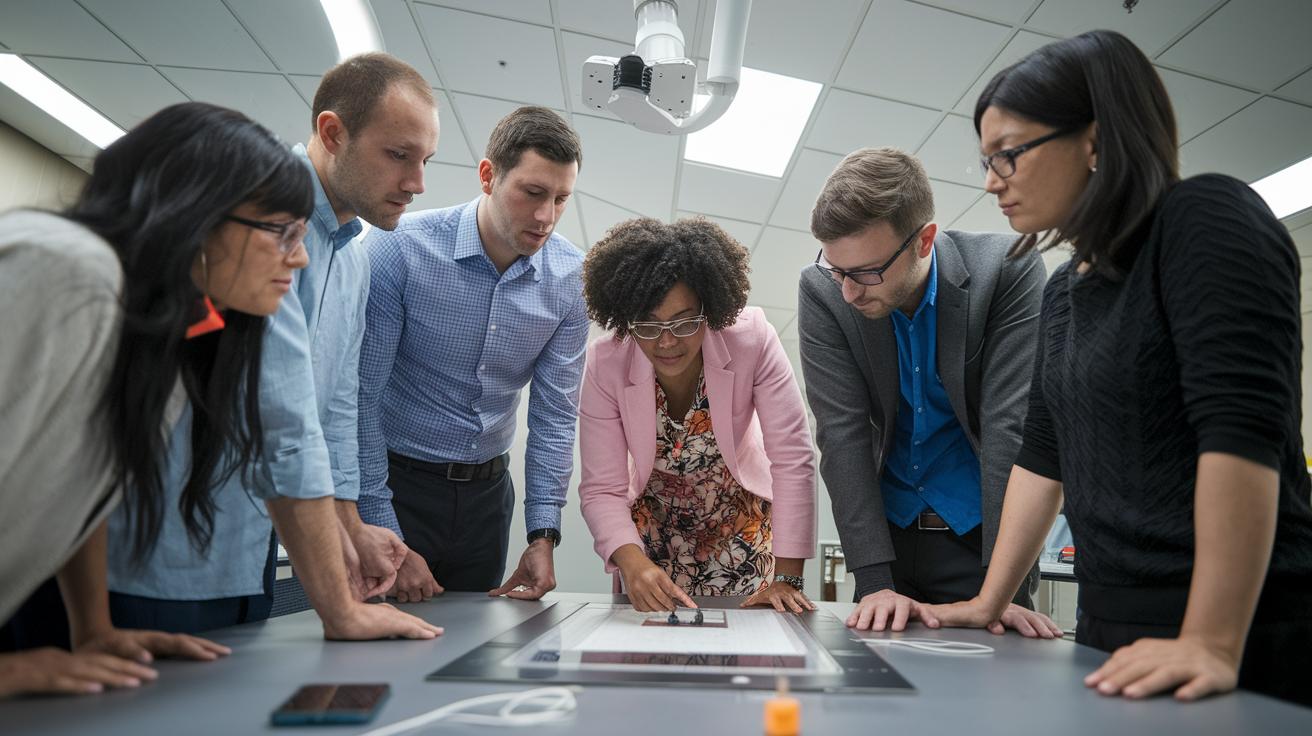
Applied science is all about turning creative ideas into real-world solutions. It starts with a clear question, like an engineer asking, "How can I make this water purification system work better and faster?" That simple query sets the stage for designing experiments or building a prototype.
Usually, the first step is to sketch out a basic design, run some tests, and then tweak things bit by bit. Imagine a team developing a new medical diagnostic tool. They create an early model, test its accuracy in a lab, and then fine-tune it based on feedback. With each round, the tool gets a little better than before.
There are several frameworks that guide this journey. Engineering design cycles act as a roadmap, taking ideas from a rough sketch to a fully functional product. Quality assurance standards step in to ensure each version meets clear goals. Plus, technology-transfer models help bridge the gap between research and market-ready solutions. For instance, a clinical trial for a medical device uses iterative testing to guarantee both safety and performance.
Digital techniques also play a key role. Picture a research team gathering sensor data to catch every tiny change in a prototype’s performance. Each test, every bit of data, takes them closer to a solution that works perfectly in everyday life.
Building a Career in Applied Science: Education, Degrees, and Outcomes
Applied science education offers many paths. You can start with an associate program at a technical school or dive into a bachelor’s degree that mixes hands-on research with advanced technology. Programs usually cover areas like engineering technology, clinical lab science, and applied computer applications. Students get to work with special software that helps with lab work, design simulations, and even healthcare informatics. One student once said, "I developed a prototype using simulation software to solve a practical design challenge," showing just how real and useful these skills are.
Many programs mix practical science courses, internships, and online learning modules that let you transfer credits and get ready for the workforce. These experiences are all about preparing students to hit the ground running. Common job roles for graduates include lab technicians, research associates, engineering technologists, and healthcare technologists. Employers really appreciate candidates who not only know the technical details but can also use that knowledge to solve everyday problems.
If you’re interested in this field, you have a few clear options. Some choose an associate program that teaches specific technical skills, while others might go for a bachelor’s degree that balances theory with real-world practice. There are also online programs that offer flexible learning and smooth credit transfers.
Each of these routes builds the technical chops you need and sharpens your problem-solving skills. With straightforward paths and a focus on practical results, building a career in applied science is a smart move for anyone who loves learning by doing and wants solid future job opportunities.
Future of Applied Science: Emerging Trends and Industry Impact

Applied science is entering an exciting new phase where fresh tech methods push the boundaries of research. AI and machine learning are not just buzzwords, they’re powerful tools that help scientists process complex data quickly. Researchers are diving into cutting-edge fields like personalized medicine, turning innovative ideas into reality through practical studies. Digital platforms, such as remote monitoring systems and advanced data analytics, are reshaping experiments and sparking breakthroughs in various industries.
At the same time, sustainable technology projects are gaining momentum thanks to strong partnerships between public and private sectors. These alliances play a key role in adapting new trends in science, ensuring that quality and accreditation standards keep innovation on track. This approach makes it easier to integrate advanced methods like digital marketing and cutting-edge analytics into practical solutions that really work.
From healthcare to engineering, applied science is evolving to tackle real-world problems head-on. Experts are crafting solutions that harness the latest digital tools to address everyday challenges. The lively mix of emerging tech and structured research is paving the way for significant industry progress, setting a clear course for ongoing improvements in practical applications.
Final Words
In the action of exploring what is applied science, we broke down its definition, historical milestones, and real-life industry examples. We examined practical methodologies that solve everyday challenges and mapped clear pathways toward building a career in this field. We also peeked into emerging trends that promise to shape tomorrow. Every section highlighted how applied science transforms theoretical insights into everyday wellness solutions. Embracing these insights can light the way to a more informed, healthful future.
FAQ
What are applied science examples?
Applied science examples refer to real-world cases where systematic research addresses everyday challenges, such as engineering designs, biomedical innovations, sports performance tech, and aviation safety improvements.
What is an applied science degree?
An applied science degree focuses on practical research methods that solve real-life problems in fields like engineering, healthcare, and technology by emphasizing hands-on learning and immediate applications.
What are applied science jobs?
Applied science jobs involve roles where professionals use systematic problem-solving to create practical solutions in sectors like engineering, healthcare, sports tech, and digital innovation, making an immediate industry impact.
What is applied science salary?
Applied science salary varies by industry, location, and level of expertise, with roles in engineering, healthcare, and technology often offering competitive pay reflecting the candidate’s practical skills and experience.
What are applied science subjects?
Applied science subjects include courses that focus on practical problem solving, such as engineering, computer science, biotechnology, and technical design, which prepare students for careers that require direct real-world applications.
What is Applied Science A level?
Applied Science A level is a secondary education qualification that blends theory and practical applications, equipping students with the foundational skills and knowledge necessary for advanced studies or technical careers.
What are five examples of applied science?
Five examples of applied science include aerospace engineering, biomedical device design, environmental technology, digital healthcare advances, and performance analysis in sports, each using science to address practical challenges.
Is psychology an applied science?
Psychology is an applied science when it methodically uses research to understand behavior and improve mental health practices, merging scientific inquiry with practical interventions that support daily well-being.
What is the meaning of applied science?
The meaning of applied science is the process of using systematic methods and practical research to solve real-world problems, turning theoretical knowledge into innovations that improve everyday life.
What are three examples of applied sciences?
Three examples of applied sciences include mechanical engineering creating structural innovations, clinical research enhancing healthcare practices, and environmental science developing sustainable, real-world solutions.
Which career field is an applied science?
The applied science career field spans diverse industries such as healthcare, engineering, and technology, where professionals use structured research methods to develop practical applications that address everyday challenges.