Ever wondered why your food always tastes great and feels safe to eat? It’s all thanks to applied food science, the secret behind every delicious meal. Imagine following a trusted recipe where each ingredient has an important role.
In simple terms, applied food science checks every step from the raw material right up to your table. It mixes careful lab research with hands-on production processes so that our food stays top quality and safe to enjoy. Next time you bite into your favorite dish, remember there’s a team of experts making sure it’s not only yummy but also reliable.
Applied Food Science in Practice: Core Applications in Food Production and Safety
Food science is like the secret ingredient behind smart food production. It mixes clear quality checks with efficient ways of processing. Every step, from raw materials to the finished product, is closely watched. For instance, Applied Food Sciences, Inc. supplies the beverage, nutraceutical, and natural product industries with functional organic ingredients. These ingredients are chosen for their water solubility, non-GMO status, and safety (or GRAS certification, which means "generally recognized as safe"). Their Innovation Center at the University of Iowa’s Bio-Ventures Center brings together lab research with hands-on production to ensure each extract meets strict quality and safety standards.
Their process tracks quality from the very start to the final label. They stick to ethical and socially responsible sourcing, much like organic farming. Imagine building a trusted recipe, each ingredient must hit its mark, just as a chef carefully measures every component before cooking. This way, high standards are kept all along, and every part of the production is clearly traceable.
Recently, AFS expanded its cultivation partnership with KÄÄPÄ Biotech on September 24, 2024. This partnership shows how new system integration technologies can boost every step of the supply chain. With advanced bio-technological growing techniques, product consistency is maintained and food safety is even stronger. Simply put, these tools help smooth out complex processes, cutting down on variability and delivering reliable, high-quality products for everyone.
Applied Food Science Innovations in Biochemistry and Biotechnology
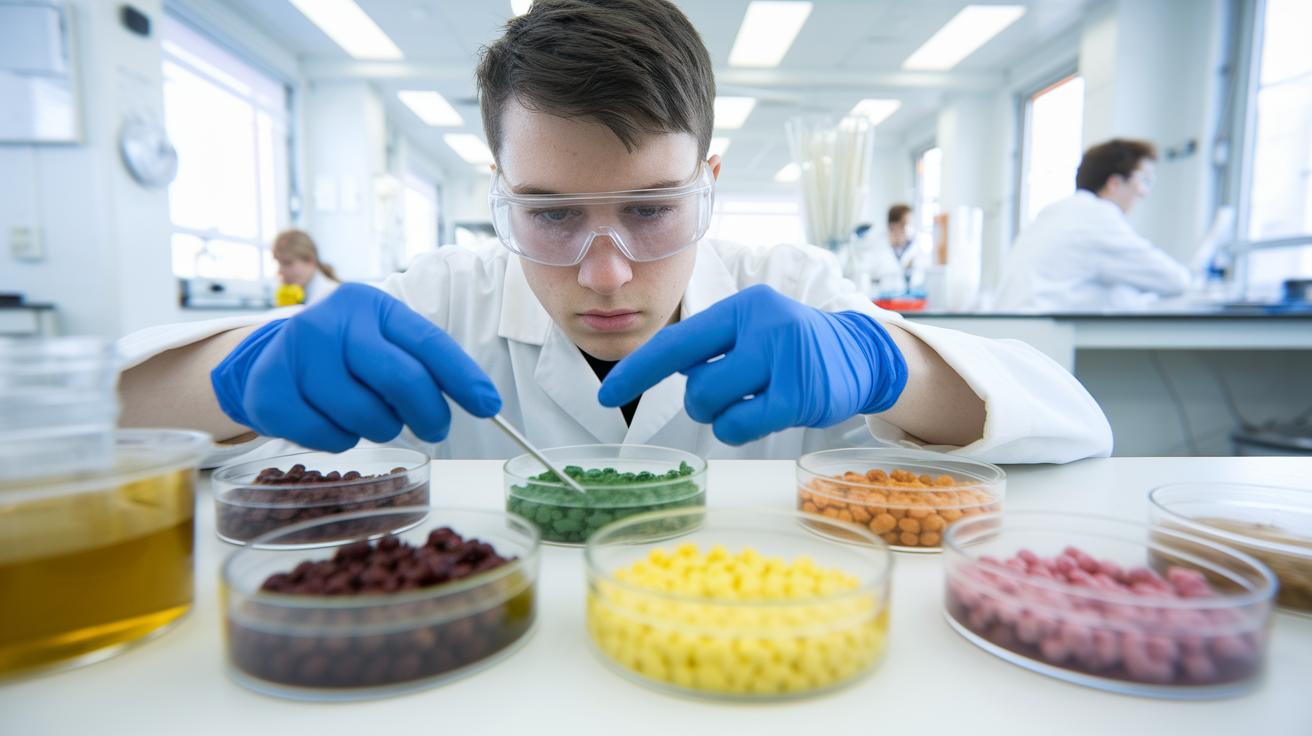
Applied Food Sciences is changing how we develop ingredients by blending classic biochemical methods with creative cell-based growing techniques. They use precise fermentation breakthroughs and biotech methods to create ingredients that dissolve easily in water and come with GRAS certification (which means they're Generally Recognized As Safe). One standout product combines clinically tested caffeine with antioxidants to boost sports nutrition and sharpen daily focus. It’s like a finely tuned boost made to meet the growing need for natural energy.
On February 14, 2025, Lion’s Mane captured attention as a functional beverage ingredient that shows off these innovative methods. Using advanced fermentation and carefully fine-tuned cell cultivation, Applied Food Sciences draws out bioactive compounds that enhance both taste and nutrition. This scalable process meets market demands and fits perfectly with trends in natural energy and nutraceutical products. By blending fermentation science with biotechnology, they’re setting the stage for ingredients that truly boost food functionality, a clear sign of how modern biochemistry can elevate the safety and quality of what we eat.
Applied Food Science Techniques for Food Preservation and Sustainable Packaging
At Applied Food Sciences, we’re passionate about making food last longer while caring for our planet. We use eco-friendly extraction and smart, interactive packaging methods that extend shelf life and cut down on waste. By choosing non-GMO and organic practices right from the start, we’ve managed to reduce postharvest loss by about 15%. Our modern approach, which includes gentle heat treatments and high-pressure techniques, preserves the natural goodness of food without sacrificing safety.
We blend solid scientific methods with a commitment to nature. Each preservation technique is handpicked to keep food fresh, safe, and sustainable. It’s like giving food an extra boost while helping our environment at the same time.
| Preservation Method | Key Principle | Typical Applications |
|---|---|---|
| Thermal Processing | Using controlled heat to kill harmful microbes | Juices and beverages |
| High Pressure Processing | Applying high pressure to lock in freshness | Ready-made meals |
| Active Packaging | Interactive materials that slow down spoilage | Dairy and perishable items |
| Modified Atmosphere Packaging | Adjusting the gases inside packaging to maintain quality | Fresh produce |
| Eco-friendly Extraction | Natural methods to gently extract nutrients | Botanical supplements |
By refining these techniques, Applied Food Sciences is setting a new standard in food processing, one where quality meets care for our world. Certainly, it’s inspiring to see how a smart blend of science and sustainability can create food that’s as beneficial for us as it is for nature.
Applied Food Science Approaches to Sensory Evaluation and Nutritional Biochemistry

Applied food science makes our foods better by combining careful taste testing with modern nutritional science. In simple terms, experts use sensory panels where people note down details like aroma, flavor, and texture. This helps create a clear picture of each product’s profile. For example, a product such as CelluThrive™ (released on April 21, 2025) is carefully evaluated by trained panelists who pick up on subtle taste notes and balance. This ensures the product is refreshing while still delivering its functional benefits.
At the same time, breakthroughs in nutritional biochemistry bring lab precision into the mix. This means tests check whether antioxidants and other nutrients are stable and easily absorbed by the body. Together, these methods confirm that the food not only supports your health but is also a delight for your senses. The process is a bit like following a recipe carefully: first, you check the ingredients, then taste the result, and finally adjust until it’s just right.
Case Study: CelluThrive™
CelluThrive™ is created step-by-step. First, the ingredient selection and initial lab tests set the stage. Then, a sensory panel evaluates its flavor and aroma to make sure every note is balanced. In parallel, lab tests check that essential nutrients, like antioxidants (substances that help protect your cells), remain intact. The insights from these tests lead to recipe tweaks until the product strikes a perfect balance between health benefits and taste.
Case Study: Lion’s Mane Beverage
For Lion’s Mane Beverage, consumers play a key role by sharing their thoughts on taste and mouthfeel during hedonic testing, a process where you simply tell how enjoyable it is. At the same time, labs carry out nutrient retention tests to ensure that the healthy ingredients stay effective during production. The blend of honest feedback and scientific analysis results in a beverage that combines appealing taste with reliable nutritional support.
Applied Food Science: Educational Pathways and Career Prospects
Applied food science opens up a world of opportunities for anyone curious about food technology. Whether you’re just starting out or deep into your studies, degree programs in food technology offer hands-on training in everything from recipe formulation and quality checks to ensuring products meet safety rules. With over 1.8 million managerial roles linked to food research and development, the job market is buzzing with potential. It’s a bit like carefully stacking bricks to build a strong and lasting home, a solid foundation leads to endless possibilities.
Universities and practical training programs work together to give you both scientific insight and real-life skills. Classes typically mix lab work, internships, and case studies that mirror everyday challenges, so you learn how to analyze ingredients and follow safety guidelines. As food companies grow and evolve, schools keep updating their courses to meet the newest industry needs, ensuring you’re always a step ahead.
At Applied Food Sciences, leaders like Vice President of Product Innovation Jackson Zapp, Chief Science Officer Chris Fields, and Senior Research Scientist Greg Petersen show just how far your education can take you. Their careers in formulating new products, maintaining high quality standards, and ensuring food safety speak to the power of investing in your education. Their stories remind us that learning food technology isn’t just about theory, it’s about building a future full of innovative and practical roles in the food world.
Applied Food Science Tools: Analytical Methods and Regulatory Standards
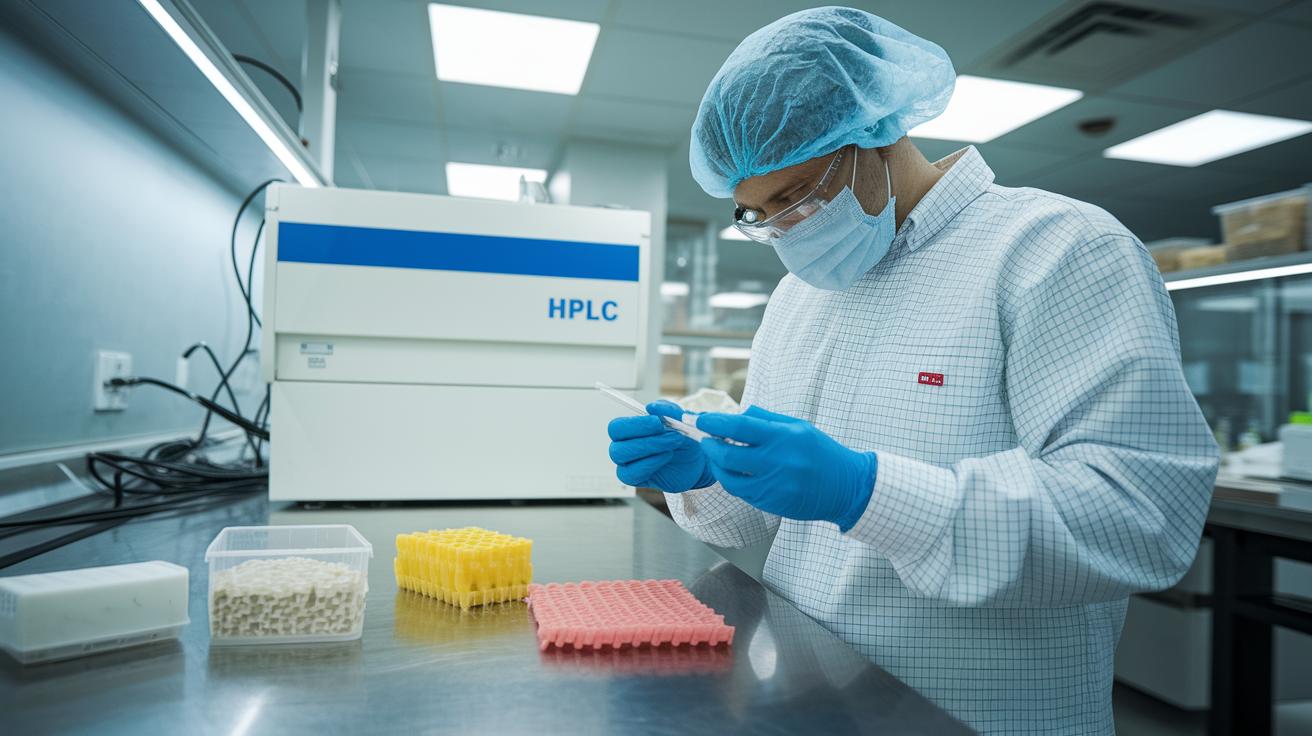
Applied Food Sciences uses a range of modern techniques to break down the details of food composition. They rely on a unique Growth Score metric to check operational performance using clear, measurable results that align with industry food standards. They stick to strict quality control rules like HACCP, GMP, and GRAS so that every ingredient is safe and effective. For example, think of HPLC (a tool that separates food components) as a detective piecing together clues, each data point helps create a clear picture of food stability. Their decisions are backed by solid statistical checks, ensuring every test is reliable.
They also use computer-based modeling to predict how food holds up over time. This means they create simulated environments to see how ingredients interact, ensuring quality remains high from production to your plate. By embracing these thorough analytical and modeling techniques, AFS not only meets tough legal standards but also raises the bar for food quality and builds trust with consumers.
Final Words
In the action, we saw how applied food science weaves quality controls, sustainable packaging, and novel biotech methods into everyday practices. The discussion highlighted safety protocols, sensory evaluation, and real case studies that show practical steps for improving health and wellness. Educational paths and analytical techniques were explored to offer clear, research-based insights. All of these elements work together to empower better health decisions and a balanced lifestyle, shining a light on the value of applied food science in today’s food production and wellness routines.
FAQ
Frequently Asked Questions
Q: What career opportunities and earning potential does a food science degree offer?
A: A food science degree offers career opportunities in quality assurance, product development, and regulatory roles, while providing competitive earnings due to strong industry demand for innovative, safety-focused professionals.
Q: What courses and academic programs are available in applied food science?
A: Applied food science courses and programs cover key topics like food safety, nutritional biochemistry, and quality control, with specialized curriculums—such as Rutgers MBS—preparing students for industry roles.
Q: How are research contributions measured in applied food science?
A: Research in applied food science is measured through journals and impact factors that reflect study rigor, citation frequency, and a contribution to advancing food safety and innovative production techniques.
Q: What is known about Applied Food Sciences’ revenue and business performance?
A: Applied Food Sciences’ revenue insights come from industry reports that highlight growth driven by innovations in organic ingredient production and scalable biotechnological methods, reflecting its strong market presence.
Q: What exactly are applied food studies?
A: Applied food studies involve using practical scientific methods to improve food production, safety, and sustainability, combining laboratory techniques and field research to develop better, safer food products.
Q: How do applied food science journals contribute to the field?
A: Applied food science journals share peer-reviewed research that drives advancements in food safety, biochemistry, and preservation techniques, helping professionals stay current with evidence-based innovations.
Q: What is the focus of the Rutgers MBS Applied Food Science curriculum?
A: The Rutgers MBS curriculum in applied food science integrates rigorous courses on food safety, biochemistry, and regulatory standards, equipping students with hands-on skills for leading roles in the food industry.