Ever wondered if computers might help save lives? Artificial intelligence is stepping in as a helpful partner for doctors, turning huge amounts of data into clear insights. It isn’t just about being fast, it’s about making care safer and more exact. For instance, AI can alert a doctor to early signs of trouble or draw attention to hidden details in images. In short, AI is quietly lifting patient care to a whole new level.
Practical Applications Of Artificial Intelligence In Medicine

AI models sift through large batches of patient data, turning raw numbers into clear, research-backed insights. Imagine a system that constantly tracks vital signs and spots unusual changes; one such model flagged severe sepsis in premature infants with a 75% success rate. This early warning helps doctors spring into action, often leading to quicker and more effective treatments.
AI also shines in the realm of medical imaging. Neural networks are now on par with radiologists when it comes to detecting early breast cancer. These systems quickly scan through countless images and highlight potential concerns for a closer look. Picture a radiologist working alongside a tireless AI partner, both ensuring that no critical detail goes unnoticed.
Virtual assistants powered by AI are transforming patient care by offering personalized treatment plans around the clock. They blend your medical history, genetic makeup, and lifestyle details to deliver advice that feels uniquely tailored to you. Think of it like having an assistant that learns your health needs as intimately as you know your own habits. In essence, these digital innovations cut down waiting times while providing timely and precise recommendations.
AI is also revolutionizing clinical trials. By automating routine tasks like medical code assignments, it has slashed data-search efforts by more than 70%, freeing researchers to concentrate on meaningful analysis. Meanwhile, in drug discovery, AI refines molecular designs and even proposes new drug combinations that could shorten development times and cut costs. It’s truly transforming the entire drug design process.
When doctors integrate these AI applications into their practices, they can spend less time on routine tasks and more time offering compassionate, hands-on care. Procedures that once took hours can now be completed in minutes, paving the way for a smoother workflow and, most importantly, better patient outcomes.
AI-Enabled Diagnostics In Medicine

AI technologies constantly review patient information, catching early warning signs of serious conditions like sepsis. Imagine a system that monitors your vital signs around the clock and warns doctors when something isn't right, helping them spot infections quickly.
AI-driven triage tools can automatically sort patients by how urgently they need care. Picture an algorithm that swiftly reorganizes a busy emergency room so that the most at-risk patients get immediate attention – a simple change that can save lives.
Using advanced computer vision, AI scans medical images and lab data to uncover tiny anomalies that might slip past human eyes. Think of it as a digital assistant that highlights subtle details on scans, guiding doctors to focus on areas that need a closer look.
By blending these AI capabilities, healthcare teams get clear, research-backed insights that lead to faster and more accurate diagnoses, improving care for everyone.
AI In Treatment Planning And Personalized Medicine

Imagine having a smart helper that reviews your health history, genetic details, and current checkups to suggest treatments that feel made just for you. AI-driven virtual assistants do just that by tailoring their advice to fit your unique profile, almost like they know your body as well as you do.
Predictive analytics works like a friendly guide that mixes your genes, clinical records, and personal choices to pick the perfect dosage for a medicine. It’s like having a trusted buddy who keeps track of your treatment, adjusting plans in real time whenever fresh health details pop up.
Need a quick second opinion? AI offers that too. By giving immediate, evidence-based feedback, it helps catch details that might be overlooked, sort of like a colleague reviewing your work to make sure nothing slips by.
Even the paperwork is getting smarter. Large language models now handle routine tasks like prior authorization requests and progress notes, freeing doctors up to spend more time with you. With AI-powered personalized care, treatment planning becomes a blend of hands-on medical insight and smart data, making your care journey smoother every day.
AI-Driven Drug Discovery In Medicine

Artificial intelligence is changing the way new drugs are discovered. Machine learning models analyze large amounts of lab data to quickly pick out compounds that show real promise. By blending genetic information (which is like the body’s blueprint) with clinical data (the results from patient studies), these models speed up finding targets that might help treat diseases.
These smart algorithms can even fine-tune molecular designs and suggest combinations that traditional methods might miss. In short, they use a vast amount of healthcare data to predict whether a compound will work well and be safe early on, saving both time and money.
Predictive analytics guide researchers by highlighting the most promising candidates, making experiments more focused and efficient. Researchers can also simulate how a drug will act, which cuts down the long development phases we used to see.
The beauty of this approach is that AI tools keep learning from new clinical results. This means drugs that show potential can move through research pipelines faster and with more confidence. All in all, this trend is paving the way for more efficient drug development and better patient care.
Automated Diagnosis And Clinical Decision Support In AI Medicine

Recent breakthroughs in AI are reshaping how we spot hidden patterns in patient data. Imagine a tool that picks up on tiny clues, like slight shifts in lab results or imaging details, that a typical checkup might miss. One study shared an interesting reveal: the AI system noticed patterns in older patients that indicated a need for a deeper evaluation.
AI tools work by scanning a wide range of patient information and flagging potential biases. They draw on previous case evidence to encourage a re-check when something doesn’t quite fit the usual patterns. Research now shows these smart systems can help cut down on mistakes in diagnosis, especially in groups that might be underrepresented.
Consider this surprising fact: in one study, doctors saw a 15% drop in missed diagnoses once the AI system flagged unusual patterns in the patient data.
Ethical And Regulatory Aspects Of Artificial Intelligence In Medicine

Medicine is rapidly embracing advanced AI tools that carry both promise and challenges. One major worry is that these systems can sometimes "hallucinate" by creating errors, like incorrectly noting symptoms that aren’t really there, potentially steering clinicians in the wrong direction if these mistakes go unnoticed.
Another challenge is bias. Often, AI algorithms end up putting extra focus on well-known conditions while missing out on those less common. This imbalance can lead to uneven care, so it’s important to check how data is used and ensure fair treatment for all.
Protecting patient data is a top concern too. These systems must safeguard sensitive information from unauthorized access and make sure that every prediction comes from tested and confirmed methods. It’s essential for everyone involved to understand exactly how and why an AI reaches a particular decision.
Regulatory oversight is a key part of ensuring safety. Few AI tools have earned FDA approval so far, meaning they need thorough testing and verification before they become common in clinics. Experts from medicine, psychology, and technology should team up to create systems that put human needs first while reducing errors and building trust.
- Address potential risks in documentation.
- Implement measurable safeguards for privacy and accuracy.
- Involve experts across medicine, psychology, and technology in the design process.
By embedding strict ethical rules and regulatory guidelines right from the start, we can develop AI tools that help clinicians and keep patients safe. Balancing bold innovation with careful oversight is the surest way to see AI transform healthcare in ways that are both effective and ethical.
Emerging Trends In Artificial Intelligence In Medicine
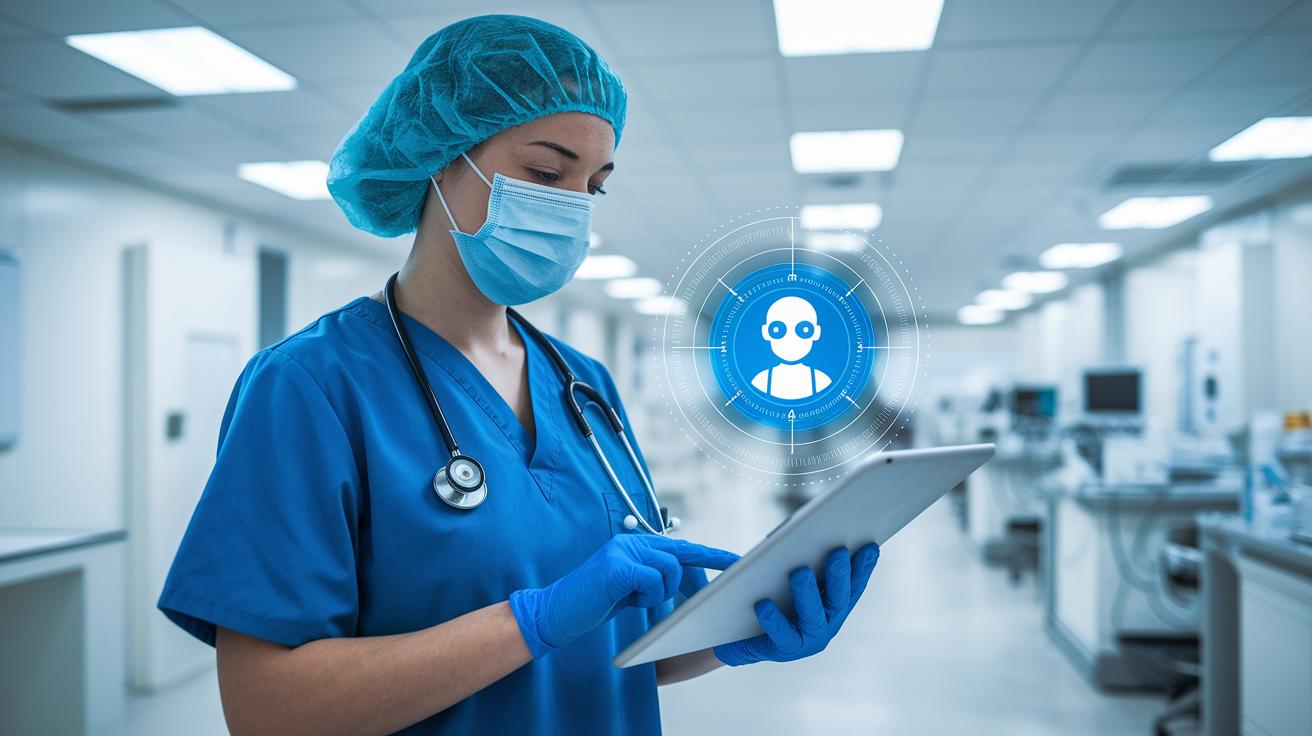
Digital breakthroughs are transforming healthcare, as new AI techniques pave the way for a future in digital medicine that feels seamless and deeply connected. Smart language models now tackle routine tasks, like drafting paperwork and managing prior authorizations, so busy practitioners can spend more time caring for patients.
Virtual healthcare assistants are another bright spot. These helpful systems work around the clock, handling everything from medication reminders to personalized health advice based on your unique medical history. Picture an assistant that’s there whenever you need answers.
Telemedicine is also gaining momentum. Thanks to wearable sensors paired with live remote monitoring, doctors can keep an eye on patients’ vital signs from afar. Imagine a system that alerts clinicians instantly if there’s an unexpected change during your routine check.
In surgery and rehabilitation, robotic technology is stepping up to work alongside healthcare professionals, guiding precise procedures and aiding in recovery. Plus, integrated platforms are emerging that combine genetic data, imaging, and health outcomes all in one place, leading to care that’s truly personalized from every angle.
Final Words
In the action, the blog shows how machine learning reshapes healthcare, from spotting vital signs and detecting disease early to supporting personalized treatment and smart imaging analysis.
We saw AI streamline drug research and clinical decisions while respecting ethical standards. Integrating artificial intelligence in medicine offers a promising boost to health outcomes today and beyond.
FAQ
What is artificial intelligence in medicine?
Artificial intelligence in medicine describes how machine learning algorithms analyze complex medical data to improve diagnostics, treatment planning, and overall patient care with evidence-based insights.
How is AI being used in medicine?
AI in medicine is applied for detecting diseases, personalizing treatment, optimizing imaging, and streamlining clinical workflows, thereby enhancing diagnostic accuracy, treatment decisions, and administrative efficiency.
Will AI replace doctors in 10 years?
AI will support doctors instead of replacing them by handling data analysis and administrative tasks, which allows clinicians to focus more on patient care and nuanced decision-making.
Will AI lead to a medical breakthrough?
AI can drive medical breakthroughs by accelerating drug discovery, improving early disease detection, and enabling customized treatment plans that transform healthcare research and patient outcomes.
What information is available in AI in medicine books, PDFs, and PPTs?
Books, PDFs, and presentations on AI in medicine offer comprehensive insights, case studies, and research findings that explain current applications, trends, and theoretical foundations in a clear, accessible format.
What are the key metrics indicating research impact in AI in medicine?
Impact factor and Scimago rankings measure the influence of AI in medicine research by reflecting citation rates and academic quality, indicating the global significance of published studies.
What journals publish research on AI in medicine?
Peer-reviewed journals, including those published by Elsevier, feature cutting-edge research and clinical studies on AI in medicine, contributing to advancements in medical technology and patient care.
What does “Artificial Intelligence in Medicine 2025” signify?
The term “Artificial Intelligence in Medicine 2025” describes the anticipated broad adoption of AI technologies in healthcare, predicting advancements in diagnostics, treatment personalization, and efficiency improvements.