Preventive Care For Heart Disease Energizes Your Life

Ever thought that small changes might give your heart a big boost? Studies now show that a brisk walk or even an extra hour of sleep can help protect you from serious heart problems like heart attacks and strokes.

Taking care of your heart doesn’t have to be complicated. Mixing a few healthy daily habits with regular checkups can make a real difference. Think of your heart like a well-cared-for engine, it runs smoother with just a little routine attention.

In short, this article will share simple, everyday tips to help energize your life and keep your most vital asset strong and steady.

Preventive Care for Heart Disease: Essential Interventions to Lower Risk

img-1.jpg

A healthy lifestyle is one of the best defenses for your heart. It helps prevent heart disease, heart attacks, and strokes. Preventive cardiology is all about spotting the warning signs, things like smoking, too much cholesterol, high blood pressure, diabetes, extra weight, not getting enough sleep (about 7–9 hours a night), and chronic stress. Experts say mixing healthy habits with proper medical care can really lower these risks. For example, imagine someone who takes a brisk 30-minute walk every day. That small habit not only boosts energy but also helps stabilize blood pressure. Little changes add up over time.

Doctors begin by taking a close look at your health history and lifestyle habits. During a checkup, they measure your blood pressure (ideally below 120/80 mm Hg), run a lipid profile to see your cholesterol levels, do a fasting blood glucose test to check for diabetes, and calculate your body mass index. These tests let your doctor put together a care plan that mixes lifestyle tips with any medicines you might need. The goal is to give your heart a strong, personalized shield.

Simple steps can make a big difference. Quitting smoking, switching to a heart-friendly diet, getting regular exercise, and managing stress are all key. Even losing just 5–10% of your body weight can lower blood pressure, improve cholesterol, and reduce your risk of diabetes. By spotting early warning signs and addressing them promptly with a clear plan, you’re empowered to make choices that boost your overall well-being and protect your heart.

Preventive Care for Heart Disease

img-2.jpg

Regular doctor visits are your first line of defense. At these checkups, your blood pressure (aim for below 120/80 mm Hg), cholesterol via a simple blood test, fasting blood sugar, and BMI are all measured. Your personal and family health stories also play a big role in shaping a plan that’s right for you. For instance, if a parent had heart trouble before turning 55, you might need to visit the doctor more often.

Think of this process like giving your car a routine tune-up, inspecting the oil, tire pressure, and battery to spot any issues before they become serious. And as your health details change, follow-up appointments let your doctor adjust your care plan to keep you on track.

Screening Tests in Preventive Care for Heart Disease

img-3.jpg

Screening tests play a key role in keeping your heart healthy. They help catch problems silently before any symptoms show up. For instance, a resting EKG records your heart’s electrical activity in just minutes, like snapping a quick photo of your heart’s rhythm.

Stress tests, on the other hand, check how your heart handles a bit of exercise. Think of it as a light challenge that shows whether your heart can keep up with everyday activities.

Then there's echocardiography, also known as heart ultrasound. This test uses sound waves to give doctors a live look at your heart’s chambers and valves, making sure everything is in working order. Similarly, a carotid ultrasound sends gentle pulses through your neck to spot any plaque build-up in the arteries, kind of like watching a live video feed of your blood vessels.

If these initial tests hint at an issue, more advanced imaging like CT or MRI scans can dig deeper into your heart’s condition. These detailed tests help doctors start treatments early, ensuring you get the care you need on time.

Screening Test What It Does
Resting EKG Records your heart’s basic electrical activity
Stress Test Evaluates how your heart responds to exercise
Echocardiography Provides a live image of your heart structure
Carotid Ultrasound Checks neck arteries for plaque buildup

Together, these tests offer a complete picture of your heart health. They help your doctor tailor a care plan that keeps your heart strong and supports an active, vibrant life.

Lifestyle Adjustments in Preventive Care for Heart Disease

img-4.jpg

Making healthy changes can sometimes feel challenging. Instead of recycling the usual advice, try simple tactics that suit your lifestyle. Look for practical ways to overcome everyday obstacles.

If you're trying to quit tobacco, consider setting up regular check-ins with a friend or support group. For example, when one teacher decided to swap a cigarette break for a 10-minute walk, it really helped manage the cravings. Little shifts like this can make a big difference.

When it comes to losing weight, breaking your goal into small steps can help a lot. Keeping a daily food journal or using a simple mobile app to track meals is a good start. One person shared, "I reduced my portions by 10% each week, and the change felt manageable." Step-by-step progress makes the journey easier.

Good sleep is key for heart health too. Try creating a calming bedtime routine by turning off screens, dimming the lights, and playing soft music. Many have found that such changes help them get the 7–9 hours of refreshing sleep they need. One individual noted, "Turning off my devices an hour before bed helped me fall asleep faster."

If you spend long hours working, set a timer to remind you to stand and stretch every hour. Changing your workspace, like using a standing desk or planning a short walk, can boost your energy. One tip that worked was, "I set an alarm every 50 minutes to stretch for five minutes, which refreshed my energy during long work sessions."

Remember these quick tips:

  • Join a support group if you’re quitting tobacco.
  • Break your weight loss journey into small, trackable steps.
  • Create a soothing bedtime routine for better sleep.
  • Set regular reminders to move and stretch throughout your day.

Preventive care for heart disease Energizes Your Life

img-5.jpg

When it comes to keeping your heart healthy, think of your plate as a rainbow of flavors. A mix of fresh fruits, vegetables, whole grains, lean proteins, and healthy fats like olive oil and nuts is the way to go. Ever tried a fruit salad sprinkled with a handful of nuts? It’s not only delicious but also a smart pick for managing cholesterol.

Consider the Mediterranean way of eating. This style emphasizes fresh produce, fish, and olive oil, which can help lower bad cholesterol and keep blood pressure in check. Picture a plate filled with mixed greens, ripe tomatoes, and crisp cucumbers, all lightly drizzled with olive oil. It’s as delightful to look at as it is beneficial for your heart.

Keeping your daily salt intake under 1,500 mg can really make a difference in how your blood pressure behaves. Swapping out processed foods for home-cooked meals is a great move, and taking a minute to check labels for sodium levels can be a simple yet effective strategy. For more ideas on smart meal planning, check out these balanced diet and portion control guidelines.

Boosting your intake of soluble fiber, found in oats, beans, and legumes, is another great way to improve your heart health. Imagine starting your day with a warm bowl of oatmeal mixed with berries and a sprinkle of seeds. Little changes like these can support steady cholesterol levels, balanced blood pressure, and healthy weight management.

Physical Activity in Preventive Care for Heart Disease

img-6.jpg

Try to fit in 150 minutes of moderate exercise each week. That could be a brisk walk around your neighborhood or a relaxing cycle ride through the park. If you’re up for something more challenging, 75 minutes of intensive exercise works wonders for your heart. And if you’re just getting started, low-impact activities like swimming or using an elliptical machine are gentle on your joints while still giving your heart a boost.

Strength training is another key player in keeping your heart healthy. Just two sessions a week using body weight or light dumbbells at home can really enhance your overall health and metabolism. These exercises pair nicely with aerobic workouts, making your routine well-rounded and effective.

Even small bursts of activity during your day add up. For instance, a quick trip up the stairs or a few minutes of stretching during a work break brings energy to your routine. These little interruptions help maintain a steady flow of movement throughout your day.

If you’re new to exercise, steady state cardio is a great starting point to build endurance without feeling overwhelmed. Consider mixing in both aerobic and strength exercises to give your heart a balanced workout. This variety keeps things interesting and ensures your heart gets plenty of support.

Stress Management in Preventive Care for Heart Disease

img-7.jpg

Living with chronic stress can quietly raise your blood pressure and lead you into habits that aren’t kind to your heart. Techniques like mindfulness meditation, yoga, and slow, deep breathing work like a team to soothe your nervous system, lower stress hormones, and even help steady your heartbeat. Imagine pausing for a few deep, slow breaths during a busy day, it’s like hitting a mini reset button that helps ease stress and ultimately shields your heart. Research backs up that these calming practices can balance your cardiovascular system while lightening your mental load.

Yoga, which combines gentle movement with focused breathing, does double duty by relaxing your mind and boosting your heart’s strength. Mindfulness keeps you in tune with the moment, helping you stay grounded even when tough times pop up, which can ward off choices that might worsen stress. Plus, connecting with others who share your health journey can make a real difference, supportive communities encourage healthier habits that benefit both mind and body.

For a more structured approach to reducing stress and finding a supportive network, visit total mental wellness. Incorporating these practices into your routine can lead to lasting improvements in your heart health.

Medications & Supplements in Preventive Care for Heart Disease
img-8.jpg

For those who are at higher risk, statin therapy can reduce LDL cholesterol by 30–50%. Think of it like a helpful filter that clears out the clutter in your arteries, keeping your heart’s pathways smooth and open. And sometimes, a low-dose aspirin can be your ally too, it helps keep the blood thin so that clots are less likely to build up.

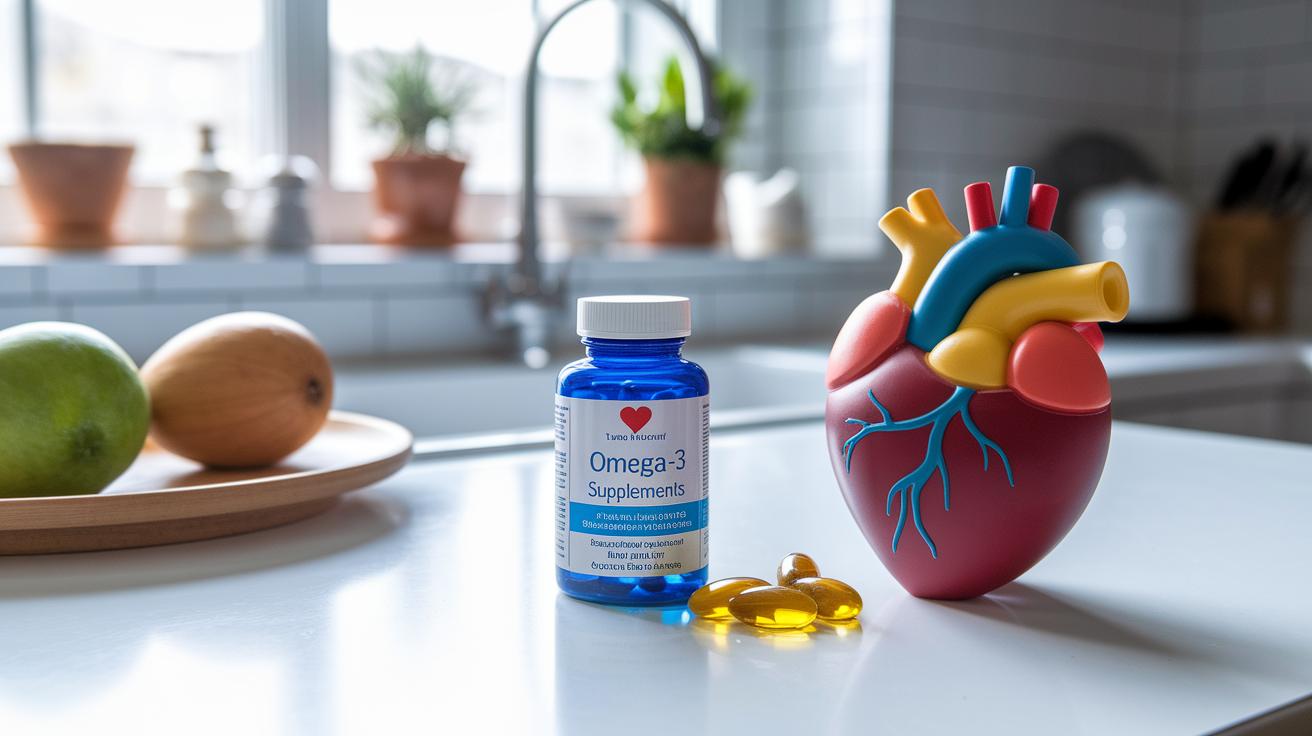
Supplements play a big role in supporting heart health as well. Take omega-3 fatty acids, for example. A dose of about 1 gram each day works like a gentle stream, helping your blood flow smoothly and keeping inflammation in check. Coenzyme Q10 is another key player; it helps produce energy for heart cells, kind of like fueling up your heart muscle to keep it strong. Plus, antioxidants step in to protect the delicate lining of your blood vessels by neutralizing pesky free radicals, which can upset your healthy lipid levels.

Sticking to your prescribed medication routine is really important, a missed dose can mean less protection for your heart. When you combine these medications and supplements with smart lifestyle changes like a healthy diet and regular exercise, you create a balanced plan that boosts your energy and supports long-lasting cardiovascular wellness.

Digital Tools & Personalized Plans in Preventive Care for Heart Disease

img-9.jpg

Modern digital tools are changing the way we look after our hearts. Smartphone apps help you check your blood pressure and blood sugar every day, giving you instant feedback so you can adjust your routine right away. And wearable ECG monitors, which record your heart’s electrical activity (that’s the ECG part) in real time, let you and your care team quickly notice any unusual patterns.

These new gadgets make routine checkups much easier. They send real-time data straight to your doctor, which means your prevention plan can be fine-tuned on the fly. Plus, telemedicine lets you talk with health professionals from the comfort of your home without having to visit in person. In short, many patients are now enjoying top-notch care that mixes smart technology with expert advice.

Your care plan isn’t set in stone anymore, it grows with you. A team of experts, ranging from heart specialists to nutrition pros, regularly updates your medications, exercise ideas, and daily habits based on your latest data. This hands-on approach keeps your heart health on track and supports overall wellness.

All in all, these digital tools can truly inspire a more active, vibrant life.

Final Words

In the action, our discussion covered lifestyle adjustments, heart screenings, and balanced nutrition that help manage risk factors. We talked about regular medical checkups, helpful medications, and even digital tools that guide personalized plans.

Every bit, from addressing stress to setting clear exercise goals, builds a strong case for preventive care for heart disease. Keep exploring these practical strategies and feel encouraged to take charge of your heart health every day.

FAQ

How do quick tricks help stop a heart attack in seconds?

The 7-second trick and 30-second techniques refer to rapid responses aiming to minimize damage during a heart event. They cannot replace immediate emergency care and a long-term heart-healthy lifestyle.

What are effective ways to keep your heart healthy and improve heart health quickly?

Various strategies—including regular exercise, balanced nutrition, stress reduction, and routine check-ups—work together to boost heart function rapidly while building long-term resilience against heart disease.

What does a heart-healthy diet entail?

A heart-healthy diet emphasizes fruits, vegetables, whole grains, lean proteins, and healthy fats, which help lower cholesterol and blood pressure while supporting overall cardiovascular well-being.

What is secondary prevention for heart disease?

Secondary prevention for heart disease focuses on avoiding recurring heart events through medication, lifestyle changes, and regular monitoring for individuals already diagnosed with heart conditions.

How can I prevent heart disease and what precautions should I take?

Preventing heart disease involves managing risk factors like smoking, high cholesterol, and high blood pressure through healthy eating, exercise, routine check-ups, and proper medication when needed.

What is the #1 preventable cause of heart disease?

Tobacco use stands as the top preventable cause of heart disease because smoking damages blood vessels and elevates heart-related risks, making quitting smoking essential for protection.

What is primary prevention of heart disease?

Primary prevention of heart disease involves proactive steps taken before symptoms appear, such as adopting a healthy lifestyle, managing risk factors, and undergoing regular health screenings.

Ever thought that small changes might give your heart a big boost? Studies now show that a brisk walk or even an extra hour of sleep can help protect you from serious heart problems like heart attacks and strokes.

Taking care of your heart doesn’t have to be complicated. Mixing a few healthy daily habits with regular checkups can make a real difference. Think of your heart like a well-cared-for engine, it runs smoother with just a little routine attention.

In short, this article will share simple, everyday tips to help energize your life and keep your most vital asset strong and steady.

Preventive Care for Heart Disease: Essential Interventions to Lower Risk

img-1.jpg

A healthy lifestyle is one of the best defenses for your heart. It helps prevent heart disease, heart attacks, and strokes. Preventive cardiology is all about spotting the warning signs, things like smoking, too much cholesterol, high blood pressure, diabetes, extra weight, not getting enough sleep (about 7–9 hours a night), and chronic stress. Experts say mixing healthy habits with proper medical care can really lower these risks. For example, imagine someone who takes a brisk 30-minute walk every day. That small habit not only boosts energy but also helps stabilize blood pressure. Little changes add up over time.

Doctors begin by taking a close look at your health history and lifestyle habits. During a checkup, they measure your blood pressure (ideally below 120/80 mm Hg), run a lipid profile to see your cholesterol levels, do a fasting blood glucose test to check for diabetes, and calculate your body mass index. These tests let your doctor put together a care plan that mixes lifestyle tips with any medicines you might need. The goal is to give your heart a strong, personalized shield.

Simple steps can make a big difference. Quitting smoking, switching to a heart-friendly diet, getting regular exercise, and managing stress are all key. Even losing just 5–10% of your body weight can lower blood pressure, improve cholesterol, and reduce your risk of diabetes. By spotting early warning signs and addressing them promptly with a clear plan, you’re empowered to make choices that boost your overall well-being and protect your heart.

Preventive Care for Heart Disease

img-2.jpg

Regular doctor visits are your first line of defense. At these checkups, your blood pressure (aim for below 120/80 mm Hg), cholesterol via a simple blood test, fasting blood sugar, and BMI are all measured. Your personal and family health stories also play a big role in shaping a plan that’s right for you. For instance, if a parent had heart trouble before turning 55, you might need to visit the doctor more often.

Think of this process like giving your car a routine tune-up, inspecting the oil, tire pressure, and battery to spot any issues before they become serious. And as your health details change, follow-up appointments let your doctor adjust your care plan to keep you on track.

Screening Tests in Preventive Care for Heart Disease

img-3.jpg

Screening tests play a key role in keeping your heart healthy. They help catch problems silently before any symptoms show up. For instance, a resting EKG records your heart’s electrical activity in just minutes, like snapping a quick photo of your heart’s rhythm.

Stress tests, on the other hand, check how your heart handles a bit of exercise. Think of it as a light challenge that shows whether your heart can keep up with everyday activities.

Then there's echocardiography, also known as heart ultrasound. This test uses sound waves to give doctors a live look at your heart’s chambers and valves, making sure everything is in working order. Similarly, a carotid ultrasound sends gentle pulses through your neck to spot any plaque build-up in the arteries, kind of like watching a live video feed of your blood vessels.

If these initial tests hint at an issue, more advanced imaging like CT or MRI scans can dig deeper into your heart’s condition. These detailed tests help doctors start treatments early, ensuring you get the care you need on time.

Screening Test What It Does
Resting EKG Records your heart’s basic electrical activity
Stress Test Evaluates how your heart responds to exercise
Echocardiography Provides a live image of your heart structure
Carotid Ultrasound Checks neck arteries for plaque buildup

Together, these tests offer a complete picture of your heart health. They help your doctor tailor a care plan that keeps your heart strong and supports an active, vibrant life.

Lifestyle Adjustments in Preventive Care for Heart Disease

img-4.jpg

Making healthy changes can sometimes feel challenging. Instead of recycling the usual advice, try simple tactics that suit your lifestyle. Look for practical ways to overcome everyday obstacles.

If you're trying to quit tobacco, consider setting up regular check-ins with a friend or support group. For example, when one teacher decided to swap a cigarette break for a 10-minute walk, it really helped manage the cravings. Little shifts like this can make a big difference.

When it comes to losing weight, breaking your goal into small steps can help a lot. Keeping a daily food journal or using a simple mobile app to track meals is a good start. One person shared, "I reduced my portions by 10% each week, and the change felt manageable." Step-by-step progress makes the journey easier.

Good sleep is key for heart health too. Try creating a calming bedtime routine by turning off screens, dimming the lights, and playing soft music. Many have found that such changes help them get the 7–9 hours of refreshing sleep they need. One individual noted, "Turning off my devices an hour before bed helped me fall asleep faster."

If you spend long hours working, set a timer to remind you to stand and stretch every hour. Changing your workspace, like using a standing desk or planning a short walk, can boost your energy. One tip that worked was, "I set an alarm every 50 minutes to stretch for five minutes, which refreshed my energy during long work sessions."

Remember these quick tips:

  • Join a support group if you’re quitting tobacco.
  • Break your weight loss journey into small, trackable steps.
  • Create a soothing bedtime routine for better sleep.
  • Set regular reminders to move and stretch throughout your day.

Preventive care for heart disease Energizes Your Life

img-5.jpg

When it comes to keeping your heart healthy, think of your plate as a rainbow of flavors. A mix of fresh fruits, vegetables, whole grains, lean proteins, and healthy fats like olive oil and nuts is the way to go. Ever tried a fruit salad sprinkled with a handful of nuts? It’s not only delicious but also a smart pick for managing cholesterol.

Consider the Mediterranean way of eating. This style emphasizes fresh produce, fish, and olive oil, which can help lower bad cholesterol and keep blood pressure in check. Picture a plate filled with mixed greens, ripe tomatoes, and crisp cucumbers, all lightly drizzled with olive oil. It’s as delightful to look at as it is beneficial for your heart.

Keeping your daily salt intake under 1,500 mg can really make a difference in how your blood pressure behaves. Swapping out processed foods for home-cooked meals is a great move, and taking a minute to check labels for sodium levels can be a simple yet effective strategy. For more ideas on smart meal planning, check out these balanced diet and portion control guidelines.

Boosting your intake of soluble fiber, found in oats, beans, and legumes, is another great way to improve your heart health. Imagine starting your day with a warm bowl of oatmeal mixed with berries and a sprinkle of seeds. Little changes like these can support steady cholesterol levels, balanced blood pressure, and healthy weight management.

Physical Activity in Preventive Care for Heart Disease

img-6.jpg

Try to fit in 150 minutes of moderate exercise each week. That could be a brisk walk around your neighborhood or a relaxing cycle ride through the park. If you’re up for something more challenging, 75 minutes of intensive exercise works wonders for your heart. And if you’re just getting started, low-impact activities like swimming or using an elliptical machine are gentle on your joints while still giving your heart a boost.

Strength training is another key player in keeping your heart healthy. Just two sessions a week using body weight or light dumbbells at home can really enhance your overall health and metabolism. These exercises pair nicely with aerobic workouts, making your routine well-rounded and effective.

Even small bursts of activity during your day add up. For instance, a quick trip up the stairs or a few minutes of stretching during a work break brings energy to your routine. These little interruptions help maintain a steady flow of movement throughout your day.

If you’re new to exercise, steady state cardio is a great starting point to build endurance without feeling overwhelmed. Consider mixing in both aerobic and strength exercises to give your heart a balanced workout. This variety keeps things interesting and ensures your heart gets plenty of support.

Stress Management in Preventive Care for Heart Disease

img-7.jpg

Living with chronic stress can quietly raise your blood pressure and lead you into habits that aren’t kind to your heart. Techniques like mindfulness meditation, yoga, and slow, deep breathing work like a team to soothe your nervous system, lower stress hormones, and even help steady your heartbeat. Imagine pausing for a few deep, slow breaths during a busy day, it’s like hitting a mini reset button that helps ease stress and ultimately shields your heart. Research backs up that these calming practices can balance your cardiovascular system while lightening your mental load.

Yoga, which combines gentle movement with focused breathing, does double duty by relaxing your mind and boosting your heart’s strength. Mindfulness keeps you in tune with the moment, helping you stay grounded even when tough times pop up, which can ward off choices that might worsen stress. Plus, connecting with others who share your health journey can make a real difference, supportive communities encourage healthier habits that benefit both mind and body.

For a more structured approach to reducing stress and finding a supportive network, visit total mental wellness. Incorporating these practices into your routine can lead to lasting improvements in your heart health.

Medications & Supplements in Preventive Care for Heart Disease

img-8.jpg

For those who are at higher risk, statin therapy can reduce LDL cholesterol by 30–50%. Think of it like a helpful filter that clears out the clutter in your arteries, keeping your heart’s pathways smooth and open. And sometimes, a low-dose aspirin can be your ally too, it helps keep the blood thin so that clots are less likely to build up.

Supplements play a big role in supporting heart health as well. Take omega-3 fatty acids, for example. A dose of about 1 gram each day works like a gentle stream, helping your blood flow smoothly and keeping inflammation in check. Coenzyme Q10 is another key player; it helps produce energy for heart cells, kind of like fueling up your heart muscle to keep it strong. Plus, antioxidants step in to protect the delicate lining of your blood vessels by neutralizing pesky free radicals, which can upset your healthy lipid levels.

Sticking to your prescribed medication routine is really important, a missed dose can mean less protection for your heart. When you combine these medications and supplements with smart lifestyle changes like a healthy diet and regular exercise, you create a balanced plan that boosts your energy and supports long-lasting cardiovascular wellness.

Digital Tools & Personalized Plans in Preventive Care for Heart Disease

img-9.jpg

Modern digital tools are changing the way we look after our hearts. Smartphone apps help you check your blood pressure and blood sugar every day, giving you instant feedback so you can adjust your routine right away. And wearable ECG monitors, which record your heart’s electrical activity (that’s the ECG part) in real time, let you and your care team quickly notice any unusual patterns.

These new gadgets make routine checkups much easier. They send real-time data straight to your doctor, which means your prevention plan can be fine-tuned on the fly. Plus, telemedicine lets you talk with health professionals from the comfort of your home without having to visit in person. In short, many patients are now enjoying top-notch care that mixes smart technology with expert advice.

Your care plan isn’t set in stone anymore, it grows with you. A team of experts, ranging from heart specialists to nutrition pros, regularly updates your medications, exercise ideas, and daily habits based on your latest data. This hands-on approach keeps your heart health on track and supports overall wellness.

All in all, these digital tools can truly inspire a more active, vibrant life.

Final Words

In the action, our discussion covered lifestyle adjustments, heart screenings, and balanced nutrition that help manage risk factors. We talked about regular medical checkups, helpful medications, and even digital tools that guide personalized plans.

Every bit, from addressing stress to setting clear exercise goals, builds a strong case for preventive care for heart disease. Keep exploring these practical strategies and feel encouraged to take charge of your heart health every day.

FAQ

How do quick tricks help stop a heart attack in seconds?

The 7-second trick and 30-second techniques refer to rapid responses aiming to minimize damage during a heart event. They cannot replace immediate emergency care and a long-term heart-healthy lifestyle.

What are effective ways to keep your heart healthy and improve heart health quickly?

Various strategies—including regular exercise, balanced nutrition, stress reduction, and routine check-ups—work together to boost heart function rapidly while building long-term resilience against heart disease.

What does a heart-healthy diet entail?

A heart-healthy diet emphasizes fruits, vegetables, whole grains, lean proteins, and healthy fats, which help lower cholesterol and blood pressure while supporting overall cardiovascular well-being.

What is secondary prevention for heart disease?

Secondary prevention for heart disease focuses on avoiding recurring heart events through medication, lifestyle changes, and regular monitoring for individuals already diagnosed with heart conditions.

How can I prevent heart disease and what precautions should I take?

Preventing heart disease involves managing risk factors like smoking, high cholesterol, and high blood pressure through healthy eating, exercise, routine check-ups, and proper medication when needed.

What is the #1 preventable cause of heart disease?

Tobacco use stands as the top preventable cause of heart disease because smoking damages blood vessels and elevates heart-related risks, making quitting smoking essential for protection.

What is primary prevention of heart disease?

Primary prevention of heart disease involves proactive steps taken before symptoms appear, such as adopting a healthy lifestyle, managing risk factors, and undergoing regular health screenings.

More from author

LEAVE A REPLY

Please enter your comment!
Please enter your name here

Related posts

Advertismentspot_img

Latest posts

How To Create A Daily Wellness Routine: Thriving

Curious about how to create a daily wellness routine that transforms your mornings and days? Read on as secrets await…

2 Daily Wellness Drink Tips For Radiance

Experience a daily wellness drink with natural herbs, green ingredients, and clinical backing that might change your routine forever, stay tuned.

Daily Wellness: Elevate Your Everyday Vitality

Daily wellness transforms everyday routines into mindful adjustments, merging nutrition, movement, and restorative sleep. What unforeseen practice awaits you next?

Want to stay up to date with the latest news?

We would love to hear from you! Please fill in your details and we will stay in touch. It's that simple!