Ever wondered if a doctor really listening could spark true healing? Narrative medicine changes the way we think about care by treating each patient’s story as a vital clue. It helps bring out feelings and hidden worries that might be missed during a quick visit. By mixing storytelling with science, this approach nurtures genuine care, where every little detail about a person matters. In short, it turns routine checkups into warm moments of understanding both the body and the heart.
Understanding Narrative Medicine: Definition and Scope
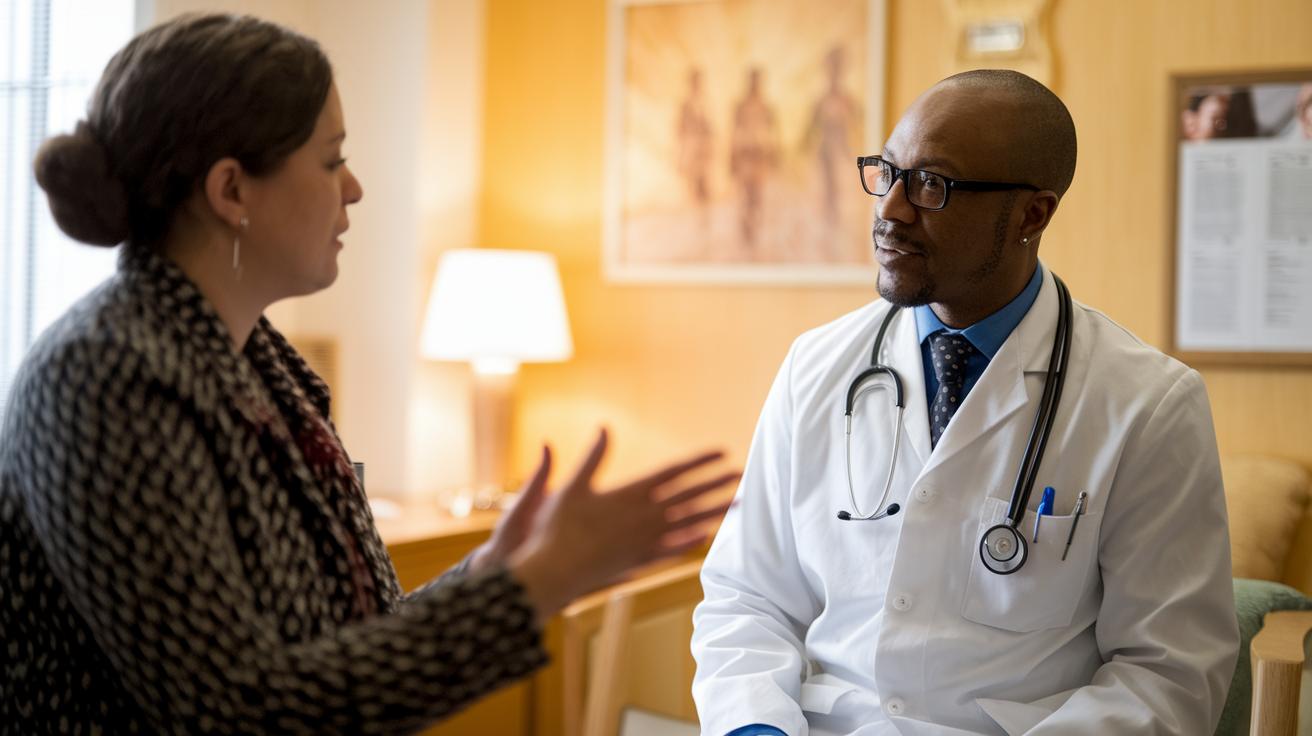
Narrative Medicine is a unique approach that blends storytelling with clinical care. It encourages healthcare providers to really listen to patients, almost as if they're diving into a captivating novel. Think of it this way: a doctor who not only prescribes treatment but also pays attention to the personal stories of healing and heartache. This method makes each consultation a special chance to see both the physical symptoms and the deeper emotional layers of illness.
At its core, Narrative Medicine is about empathy, careful reading, and active listening. Providers are taught to treat patient stories as they would a treasured piece of literature. For example, imagine a clinician exploring a patient’s description of pain and gradually uncovering hints of emotional stress that might impact recovery. It’s like solving a small mystery, each detail leads to a fuller understanding of the patient.
Narrative Medicine isn’t confined to one setting; it’s woven into various aspects of healthcare, from medical school classrooms to everyday hospital rounds. It’s a framework that guides both education and patient interactions, ensuring that care is both informed by science and enriched with genuine human connection.
Origins and Evolution of Narrative Medicine

Rita Charon started something truly fresh in healthcare. While working on her doctorate in literature and medicine, she blended her love for the humanities with medical practice. Her idea was simple yet powerful: use storytelling to understand patients better. This creative leap has since grown into a trusted approach that both doctors and patients appreciate.
Here's a quick timeline of how it all unfolded:
- 1989: Rita Charon kicks off her doctoral research in literature and medicine.
- 1999: She completes her PhD and takes the lead in developing Narrative Medicine.
- 2000: Rita receives an NEH grant to explore literary practices in medical education.
- 2018: Columbia University establishes the Department of Medical Humanities and Ethics.
- Early 2000s–Present: Narrative Medicine programs spread across the U.S. and beyond.
Over the years, what started as a bold experiment has become a respected part of healthcare education and patient care. Columbia's decision to embed Narrative Medicine in its curriculum highlights its importance. Today, experts from fields like English, art, cinema studies, pediatrics, psychoanalysis, and internal medicine work together, training clinicians in the art of storytelling. This teamwork helps healthcare providers listen deeply and respond with true empathy, making every patient interaction more personal and understanding.
Narrative Medicine Storytelling Techniques in Clinical Practice

Parallel chart exercises invite healthcare students to set aside the usual clinical records and capture their personal insights immediately after seeing a patient. They write down feelings, doubts, and little details, almost like keeping a journal. Picture this: after a visit, you might note, "After today’s consultation, I felt a gentle breakthrough in understanding my patient’s quiet struggles." This simple act builds self-awareness and nurtures empathy.
Close reading workshops let clinicians dive into patient stories as though they were reading a good novel. In these sessions, every word and subtle hint is examined closely, helping reveal unspoken emotions. For instance, one might remark, "The careful choice of words in her story uncovered a hidden pain." Such reflections deepen clinical understanding in a very human way.
Small-group narrative workshops offer a friendly, supportive space where peers openly talk about the ethical, emotional, and cultural layers of patient stories. In these intimate groups, everyone shares their insights and sometimes even challenges each other’s views. A participant might say, "Hearing different perspectives on a patient’s background really made me reconsider my own assumptions." This honest exchange enriches communication and fosters true compassion.
Multidisciplinary team involvement brings together experts from fields like literature, ethics, psychology, and clinical care to enhance storytelling techniques. This collaboration gathers diverse insights, creating a well-rounded view of patient care. As one might put it, "Working with professionals from different backgrounds is like piecing together a vibrant mosaic of patient care." This teamwork strengthens the empathetic dialogue that is so vital in clinical encounters.
Integrating Narrative Medicine into Healthcare Education

Integrating Narrative Medicine in healthcare education has become a lively, growing approach. Schools are mixing storytelling with clinical training, giving students a chance to work on reflective writing skills along with their core medical studies. At Columbia’s School for Professional Studies, certificate and master’s courses help students learn how to blend story-based methods with everyday patient care. One student shared that diving into patient narratives boosts the empathy needed in daily clinical work.
| Program Component | Description |
|---|---|
| Certificate Program | A short course on narrative theory and its practice |
| Master’s Degree | Detailed training that includes a thesis |
| Faculty Profiles | Biographies of mentors from various disciplines |
| Community Engagement | Collaborations with clinics and patient groups |
Outside the classroom, these programs carry narrative techniques into everyday healthcare. They offer financial aid and flexible pathways so a broad range of learners can access advanced training. Professors and advisory boards are there to help students mix patient storytelling with clinical insight. Community projects connect academic lessons to real patient advocacy, letting clinicians use reflective writing to enrich their interactions.
In essence, blending literature with medicine creates an environment where practical skills and compassionate care grow hand in hand. This approach equips healthcare professionals to honor the unique, human stories behind every patient encounter.
Impact of Narrative Medicine on Patient Care

When doctors use narrative techniques, they’re doing more than just talking, they’re uncovering hidden feelings and life details that can affect healing. Research shows that when clinicians write down patient stories or share reflective notes, they not only understand patient experiences better but also feel less overwhelmed. One doctor mentioned, "Sharing my reflections after a patient consultation helped me connect deeper with their personal struggles." In short, every personal story adds a piece to the overall picture of both physical symptoms and emotional well-being.
Storytelling also makes care feel more personal. When healthcare providers listen closely to a patient’s account, they pick up on small cues, almost like reading a little story, that reveal cultural background and unique challenges. This careful listening sparks empathy and encourages providers to tailor treatments to fit each patient’s life.
The benefits show up in real outcomes. Patients who feel heard are more satisfied and stick to their treatment plans, often leading to quicker recoveries with fewer bumps along the way. Many providers even say that using narrative techniques has boosted their confidence in spotting what’s really going on. All in all, blending personal storytelling with medical care makes a big, positive impact in today’s healthcare settings.
Challenges and Future Directions for Narrative Medicine

Many clinicians are juggling too much, which makes it hard to add something new like narrative practices into their routines. They’re pressed for time and often don’t get extra training. Plus, school curriculums can lag behind the latest clinical ideas. Faculty members usually need more hands-on support to adopt these narrative techniques, and the methods we use to measure their impact feel a bit too subjective. All this adds up, slowing mainstream adoption and making it tough for hospitals and clinics to fully embrace narrative methods.
- Digital storytelling is shaking things up by offering virtual lessons that fit right into busy schedules.
- Global initiatives and team-up projects are bringing experts from many different fields together, so they can share best practices and expand the reach of narrative care.
- New care models are being tested that weave story-based approaches into daily clinical practice, aiming to make patient interactions even more caring and lively.
Looking ahead, research is busy working on new ways to measure the benefits of narrative medicine using standardized methods. Researchers are also refining virtual workshops and digital platforms to make narrative training more accessible across various healthcare settings. With more professionals collaborating and creative care models taking shape, narrative methods are set to become a trusted and essential part of compassionate healthcare.
Final Words
In the action, we explored how narrative medicine weaves patient stories into clinical practice. We saw its roots and evolution, and examined storytelling techniques that boost empathy and enhance patient care. The discussion highlighted educational frameworks and pinpointed future directions, all aimed at making informed health decisions. This approach brings a blend of research and heart to everyday wellness. Keep embracing these insights as they help us all move toward a healthier, more connected life.
FAQ
Narrative Medicine book
The narrative medicine book explains how storytelling in healthcare enhances patient care by deepening empathy and communication. It bridges personal experiences with clinical practice, offering insights into humanizing medicine.
Narrative medicine example
The narrative medicine example shows how documenting patient stories through reflective writing improves understanding. This method helps clinicians appreciate the full picture of a patient’s life and care needs.
Narrative medicine jobs
The narrative medicine jobs involve roles where professionals merge clinical expertise with storytelling. These roles focus on enhancing patient interactions, developing empathy, and integrating humanities into healthcare practice.
Narrative Medicine Columbia
The narrative medicine Columbia program brings literary analysis to clinical education. It trains healthcare providers to appreciate and utilize patient stories, thereby improving communication and the overall quality of care.
Narrative medicine salary
The narrative medicine salary varies widely based on location, role, and experience. Compensation reflects the unique blend of medical knowledge and humanities expertise required for these specialized positions.
Narrative Medicine degree
The narrative medicine degree offers comprehensive training that combines storytelling, literary analysis, and clinical practice. It prepares students to use narrative skills to improve empathy, diagnostic insights, and patient care.
Narrative Medicine USC
The narrative medicine USC program offers coursework that blends medical practice with narrative skills. It supports the development of reflective practitioners who use story-based techniques to foster better patient relationships.
Narrative Medicine Journal
The narrative medicine journal is a publication that shares research, case studies, and patient narratives. It serves as a valuable resource for learning how storytelling can improve patient communication and clinical outcomes.
What are the 7 C’s of narrative based medicine?
The 7 C’s of narrative based medicine outline key principles such as clarity, compassion, collaboration, context, creativity, consistency, and critical thinking. These core concepts guide the practice of integrating patient stories into care.
What does narrative mean in the medical field?
Narrative in the medical field refers to using patient stories to guide clinical practice. It values personal experiences as a rich source of information that aids in diagnosing and treating patients.
Who is the founder of narrative medicine?
The founder of narrative medicine is Rita Charon. She introduced the method of using literary techniques in clinical settings to foster deeper understanding and empathy between patients and providers.
What are the pillars of narrative medicine?
The pillars of narrative medicine include empathy, active listening, reflective writing, and thorough interpretation of patient stories. These practices create a more personalized and compassionate healthcare experience.