Why Is Preventive Care Important: Live Better Today

Have you ever thought about how regular health checks could make a big difference in your life? Preventive care works like a little alarm for your body; it helps catch signs of problems such as high blood pressure (when your heart is working too hard) or diabetes (a condition related to high blood sugar) before they get worse.

Think of it like finding a tiny crack in a dam before it turns into a big leak. By keeping an eye on these important health signals, you can step in early and avoid bigger issues later on. This simple habit can not only boost your day-to-day wellbeing but may also spare you from more intense treatments in the future.

Preventive Care’s Crucial Role in Early Detection and Health Preservation

img-1.jpg

Preventive care is like your body’s early warning system. It spots potential health issues, like high blood pressure (when your heart is working too hard), diabetes (when your blood sugar stays high), and even pancreatic cancer, so treatments can start while conditions are still manageable. Consider this: Stage 1 breast cancer has a 97.9 percent 5-year survival rate, but that number plummets to 26.2 percent by stage 4. It really shows why catching these issues early matters.

Regular health screenings, using tools like MRI, PET, and CT scans, can identify tiny signs of trouble long before you feel any symptoms. This proactive approach is crucial, especially for conditions that quietly develop without giving you any warning. By noticing any unusual changes early on, patients can get the treatment they need to keep serious complications at bay and even reduce long-term health costs.

Your personal risk, things like your age, family history, and lifestyle choices, helps determine what kind of preventive care you might need. That’s why it’s smart to monitor key factors like blood pressure, cholesterol, and blood sugar levels on a regular basis. These simple checks can go a long way in keeping you healthy overall.

If you’re looking for proven prevention strategies, there’s plenty of detailed information available to help guide you. By focusing on preventive care, you not only improve your daily well-being but also steer clear of more complex and costly treatments later on.

How Preventive Care Enhances Chronic Disease Management

img-2.jpg

Regular doctor visits help catch problems like high blood pressure, high cholesterol, and diabetes before they grow. Think of these check-ups as spotting a tiny crack in a dam before it turns into a big leak, they set the stage for care that's just right for you. For example, someone with diabetes might get a special plan to monitor blood sugar and adjust medications, which is different from the approach used for heart issues.

One real-life story involves a patient with high blood pressure who struggled with taking his medications. With regular check-ups, his doctor tweaked his treatment plan, and he soon felt much better. These ongoing visits help doctors fine-tune dosages and suggest small lifestyle changes that fit each person’s unique needs.

Sticking to treatment can be tough sometimes. But frequent follow-ups make it easier for both patients and providers to discuss what’s working and adjust when needed, ensuring that small, everyday changes build up to better long-term health.

Economic Advantages of Preventive Care in Healthcare Systems

img-3.jpg

Preventive care can really help save money over time. Missing out on simple check-ups and tests actually costs the U.S. about $55 billion each year. Catching health issues early not only reduces hospital stays and emergency room trips but also cuts down on the need for expensive scans. Think of it like fixing a small leak before it turns into a flooded house.

Many health plans now offer free preventive services like regular check-ups, screenings, and vaccinations. By investing a little time now, you can dodge the heavy costs of serious treatments later. This approach saves money across the board, benefiting both patients and hospitals. Thanks to smarter, digital systems, providers are finding even more ways to lower treatment costs.

In short, using preventive care means fewer financial surprises in the future and a healthier, more comfortable life today.

img-4.jpg

Staying on top of your health means spotting problems before they become big. Regular tests, like checking your blood pressure or running a cholesterol panel, can catch early signs of heart issues and other concerns before they get worse. These tests help you see changes in your body that might otherwise go unnoticed.

Sometimes your doctor might suggest imaging tests such as MRI, PET, or CT scans. These can reveal small changes or abnormalities that might not be obvious during a regular physical exam. Screenings like mammograms, which help detect breast cancer early, and colonoscopies, aimed at finding colon cancer in its early stage, are key to effective treatment.

Regular checkups are not just for adults. Well-child visits and immunizations (shots that help ward off diseases) are very important for ensuring that children grow up strong and healthy. Many of these tests are covered at no extra cost because of legal protections, so you can focus on staying healthy without worrying about unexpected bills.

Keeping a routine with these diagnostic tests makes a big difference. For example, a simple blood pressure check once a year might catch potential issues early, and a cholesterol panel every few years could be just what you need to prevent a heart problem down the line.

Screening Test Purpose Recommended Frequency
Mammogram Detects breast cancer Every 1-2 years
Colonoscopy Screen for colon cancer Every 10 years
Blood Pressure Check Monitor heart risk factors At least once a year
Cholesterol Panel Assess cardiovascular risk Every 4-6 years
Blood Glucose Test Screen for diabetes Every 3 years

why is preventive care important: Live Better Today
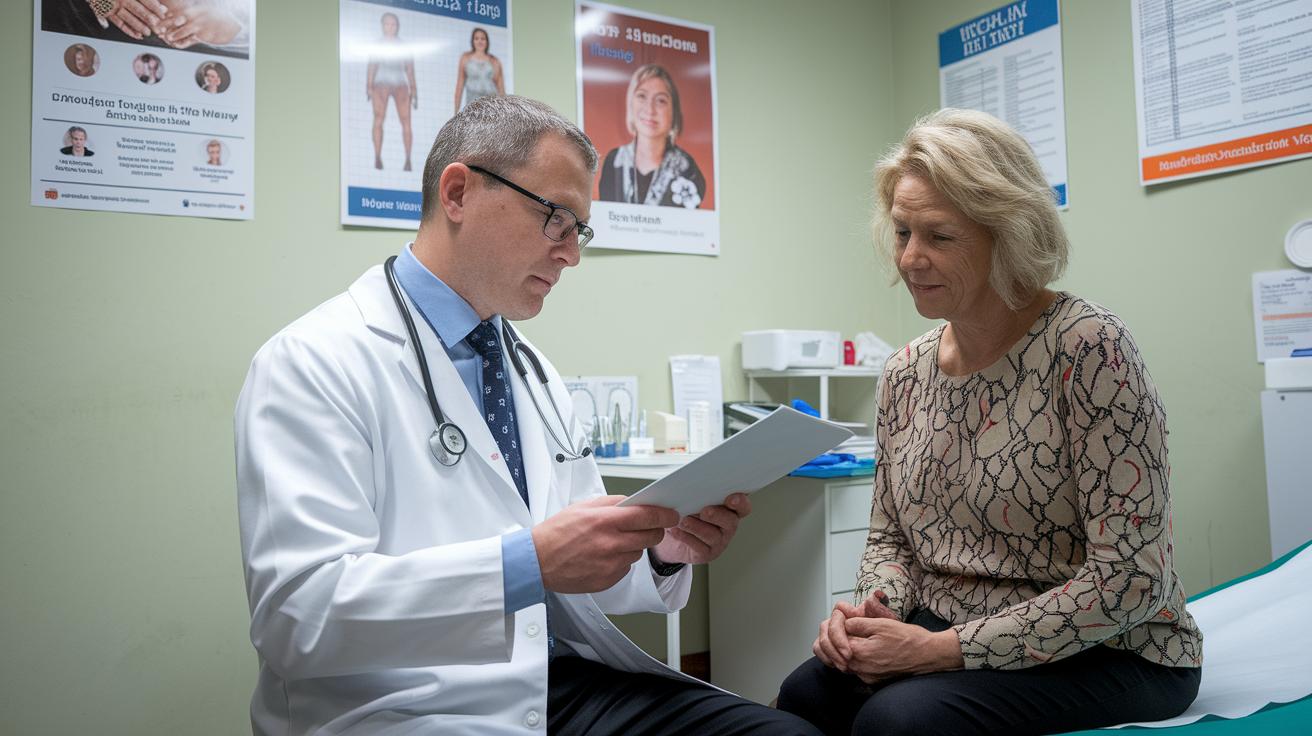
img-5.jpg

Personalized preventive care customizes health advice just for you. It uses important details like your age, family history, lifestyle, and even genetic information to create a check-up plan that catches problems early.

Doctors often use handy tools, like scoring systems or genetic panels, to spot risks for heart issues and some cancers. For example, if you’re in your 50s and heart disease runs in your family, your screening schedule might be more frequent. Think of it like following your car’s maintenance routine to avoid pricey repairs down the line.

Health needs change as we age, so what works for a young adult might not suit an older person. That’s why health experts tailor check-up intervals to match your unique circumstances. They take into account everyday choices like exercise and nutrition along with clinical details.

By aligning tests and follow-ups with your personal risk, doctors can handle concerns quickly and efficiently. This tailored approach not only helps stop emergencies before they happen but also builds a path for steady, ongoing health improvements, making your day-to-day life kinder and more stress-free.

Addressing Common Barriers to Preventive Care Access

img-6.jpg

Many patients and healthcare professionals run into roadblocks that make preventive care tougher than it should be. Budget constraints can force patients to skip needed tests, while clinics struggle with the high costs of advanced screenings. When you’re staring at steep out-of-pocket bills, those routine checkups that catch issues early might easily slip by. On top of that, confusing billing systems pile on extra work and uncertainty for clinicians.

And it’s not just about money. Long referral wait times and delays for specialist appointments can let early warning signs slip into more severe stages. Filling out repetitive, subjective forms can also cloud clear insights into someone’s health. Plus, the social stigma attached to mental health or substance use screenings sometimes stops people from getting the tests they need.

Here are some main hurdles to consider:

  • High out-of-pocket costs for advanced tests
  • Complicated insurance billing processes
  • Long waits for referrals and appointments
  • Limited access to trusted testing tools
  • Social stigma surrounding behavioral health screenings

Tackling these challenges means simplifying billing systems, lowering costs, and speeding up access to essential tests. Taking these steps will help make healthy choices simpler and more achievable for everyone.

Integrating Preventive Care into Routine Clinical Practice

img-7.jpg

Primary care is really where we start stopping problems before they begin. When you visit for a well-child checkup, an annual physical, or a follow-up, your doctor keeps an eye on any changes in your health. For example, during a yearly physical, your doctor might use guidelines from the USPSTF (a group that helps decide when to check for issues like cancer, heart problems, and diabetes) so that tests are done at just the right time to catch anything early.

These regular visits aren’t just about checkups. They are a chance for your doctor to review your vital signs, tweak your lifestyle advice, and even monitor you using telehealth. With telehealth, your doctor can check your blood pressure or see how active you’ve been without you needing to step into the clinic. This makes it really easy for you to share updates, and it helps your doctor spot any small changes before they become bigger issues. One doctor even said, "Using telehealth, I can follow up with my patients regularly, ensuring that any small changes in their health get noticed right away."

By weaving these simple, effective steps into everyday care, each visit becomes a real opportunity to nip potential problems in the bud and help you stay as healthy as possible.

Final Words

In the action, the article highlights how preventive care plays a key role in early detection, managing chronic conditions, and reducing overall costs. It breaks down core screening tests, personalized care strategies, and real-world solutions to improve access. These insights make it easier to grasp why is preventive care important. Ultimately, this balanced approach helps pave the way towards a healthier and more resilient future for everyone. Stay proactive, live well, and keep making those informed health decisions.

FAQ

Frequently Asked Questions

What is preventive care and why is it important?

The preventive care definition means taking steps to stop diseases before they begin and catching them early. It’s important because early detection boosts treatment success, reduces long-term complications, and lowers healthcare costs.

What are some examples of preventive care?

The preventive care examples include routine screenings like blood pressure and cholesterol checks, mammograms, colonoscopies, immunizations, and well-child visits that help identify potential health issues early.

What is covered under preventive care?

The term preventive care covers screenings, immunizations, personal counseling, and regular check-ups designed to spot early signs of health conditions and prevent complications later.

How does preventive care reduce healthcare costs?

The preventive care approach reduces healthcare costs by detecting illnesses early, which minimizes expensive emergency treatments, hospital stays, and advanced imaging procedures, ultimately saving money for both individuals and systems.

What do scholarly articles say about the benefits of preventive care?

The inquiry into benefits by scholarly articles shows that preventive care significantly improves treatment outcomes, enhances quality of life, and leads to major cost savings by catching diseases before they become severe.

What preventive care statistics support its use?

The preventive care statistics highlight that early detection improves survival rates and saves billions of dollars by reducing expensive late-stage treatments, demonstrating clear economic and health benefits.

What preventive care guidelines exist for adults?

The preventive care guidelines for adults include routine screenings, immunizations, and regular check-ups adjusted for age and risk factors, which help maintain optimal health and catch potential issues early.

Are preventive care and preventative care the same?

The terms preventive care and preventative care refer to the same concept, both describing strategies that help avoid or catch health issues early to promote long-term wellness.

Have you ever thought about how regular health checks could make a big difference in your life? Preventive care works like a little alarm for your body; it helps catch signs of problems such as high blood pressure (when your heart is working too hard) or diabetes (a condition related to high blood sugar) before they get worse.

Think of it like finding a tiny crack in a dam before it turns into a big leak. By keeping an eye on these important health signals, you can step in early and avoid bigger issues later on. This simple habit can not only boost your day-to-day wellbeing but may also spare you from more intense treatments in the future.

Preventive Care’s Crucial Role in Early Detection and Health Preservation

img-1.jpg

Preventive care is like your body’s early warning system. It spots potential health issues, like high blood pressure (when your heart is working too hard), diabetes (when your blood sugar stays high), and even pancreatic cancer, so treatments can start while conditions are still manageable. Consider this: Stage 1 breast cancer has a 97.9 percent 5-year survival rate, but that number plummets to 26.2 percent by stage 4. It really shows why catching these issues early matters.

Regular health screenings, using tools like MRI, PET, and CT scans, can identify tiny signs of trouble long before you feel any symptoms. This proactive approach is crucial, especially for conditions that quietly develop without giving you any warning. By noticing any unusual changes early on, patients can get the treatment they need to keep serious complications at bay and even reduce long-term health costs.

Your personal risk, things like your age, family history, and lifestyle choices, helps determine what kind of preventive care you might need. That’s why it’s smart to monitor key factors like blood pressure, cholesterol, and blood sugar levels on a regular basis. These simple checks can go a long way in keeping you healthy overall.

If you’re looking for proven prevention strategies, there’s plenty of detailed information available to help guide you. By focusing on preventive care, you not only improve your daily well-being but also steer clear of more complex and costly treatments later on.

How Preventive Care Enhances Chronic Disease Management

img-2.jpg

Regular doctor visits help catch problems like high blood pressure, high cholesterol, and diabetes before they grow. Think of these check-ups as spotting a tiny crack in a dam before it turns into a big leak, they set the stage for care that's just right for you. For example, someone with diabetes might get a special plan to monitor blood sugar and adjust medications, which is different from the approach used for heart issues.

One real-life story involves a patient with high blood pressure who struggled with taking his medications. With regular check-ups, his doctor tweaked his treatment plan, and he soon felt much better. These ongoing visits help doctors fine-tune dosages and suggest small lifestyle changes that fit each person’s unique needs.

Sticking to treatment can be tough sometimes. But frequent follow-ups make it easier for both patients and providers to discuss what’s working and adjust when needed, ensuring that small, everyday changes build up to better long-term health.

Economic Advantages of Preventive Care in Healthcare Systems

img-3.jpg

Preventive care can really help save money over time. Missing out on simple check-ups and tests actually costs the U.S. about $55 billion each year. Catching health issues early not only reduces hospital stays and emergency room trips but also cuts down on the need for expensive scans. Think of it like fixing a small leak before it turns into a flooded house.

Many health plans now offer free preventive services like regular check-ups, screenings, and vaccinations. By investing a little time now, you can dodge the heavy costs of serious treatments later. This approach saves money across the board, benefiting both patients and hospitals. Thanks to smarter, digital systems, providers are finding even more ways to lower treatment costs.

In short, using preventive care means fewer financial surprises in the future and a healthier, more comfortable life today.

img-4.jpg

Staying on top of your health means spotting problems before they become big. Regular tests, like checking your blood pressure or running a cholesterol panel, can catch early signs of heart issues and other concerns before they get worse. These tests help you see changes in your body that might otherwise go unnoticed.

Sometimes your doctor might suggest imaging tests such as MRI, PET, or CT scans. These can reveal small changes or abnormalities that might not be obvious during a regular physical exam. Screenings like mammograms, which help detect breast cancer early, and colonoscopies, aimed at finding colon cancer in its early stage, are key to effective treatment.

Regular checkups are not just for adults. Well-child visits and immunizations (shots that help ward off diseases) are very important for ensuring that children grow up strong and healthy. Many of these tests are covered at no extra cost because of legal protections, so you can focus on staying healthy without worrying about unexpected bills.

Keeping a routine with these diagnostic tests makes a big difference. For example, a simple blood pressure check once a year might catch potential issues early, and a cholesterol panel every few years could be just what you need to prevent a heart problem down the line.

Screening Test Purpose Recommended Frequency
Mammogram Detects breast cancer Every 1-2 years
Colonoscopy Screen for colon cancer Every 10 years
Blood Pressure Check Monitor heart risk factors At least once a year
Cholesterol Panel Assess cardiovascular risk Every 4-6 years
Blood Glucose Test Screen for diabetes Every 3 years

why is preventive care important: Live Better Today

img-5.jpg

Personalized preventive care customizes health advice just for you. It uses important details like your age, family history, lifestyle, and even genetic information to create a check-up plan that catches problems early.

Doctors often use handy tools, like scoring systems or genetic panels, to spot risks for heart issues and some cancers. For example, if you’re in your 50s and heart disease runs in your family, your screening schedule might be more frequent. Think of it like following your car’s maintenance routine to avoid pricey repairs down the line.

Health needs change as we age, so what works for a young adult might not suit an older person. That’s why health experts tailor check-up intervals to match your unique circumstances. They take into account everyday choices like exercise and nutrition along with clinical details.

By aligning tests and follow-ups with your personal risk, doctors can handle concerns quickly and efficiently. This tailored approach not only helps stop emergencies before they happen but also builds a path for steady, ongoing health improvements, making your day-to-day life kinder and more stress-free.

Addressing Common Barriers to Preventive Care Access

img-6.jpg

Many patients and healthcare professionals run into roadblocks that make preventive care tougher than it should be. Budget constraints can force patients to skip needed tests, while clinics struggle with the high costs of advanced screenings. When you’re staring at steep out-of-pocket bills, those routine checkups that catch issues early might easily slip by. On top of that, confusing billing systems pile on extra work and uncertainty for clinicians.

And it’s not just about money. Long referral wait times and delays for specialist appointments can let early warning signs slip into more severe stages. Filling out repetitive, subjective forms can also cloud clear insights into someone’s health. Plus, the social stigma attached to mental health or substance use screenings sometimes stops people from getting the tests they need.

Here are some main hurdles to consider:

  • High out-of-pocket costs for advanced tests
  • Complicated insurance billing processes
  • Long waits for referrals and appointments
  • Limited access to trusted testing tools
  • Social stigma surrounding behavioral health screenings

Tackling these challenges means simplifying billing systems, lowering costs, and speeding up access to essential tests. Taking these steps will help make healthy choices simpler and more achievable for everyone.

Integrating Preventive Care into Routine Clinical Practice

img-7.jpg

Primary care is really where we start stopping problems before they begin. When you visit for a well-child checkup, an annual physical, or a follow-up, your doctor keeps an eye on any changes in your health. For example, during a yearly physical, your doctor might use guidelines from the USPSTF (a group that helps decide when to check for issues like cancer, heart problems, and diabetes) so that tests are done at just the right time to catch anything early.

These regular visits aren’t just about checkups. They are a chance for your doctor to review your vital signs, tweak your lifestyle advice, and even monitor you using telehealth. With telehealth, your doctor can check your blood pressure or see how active you’ve been without you needing to step into the clinic. This makes it really easy for you to share updates, and it helps your doctor spot any small changes before they become bigger issues. One doctor even said, "Using telehealth, I can follow up with my patients regularly, ensuring that any small changes in their health get noticed right away."

By weaving these simple, effective steps into everyday care, each visit becomes a real opportunity to nip potential problems in the bud and help you stay as healthy as possible.

Final Words

In the action, the article highlights how preventive care plays a key role in early detection, managing chronic conditions, and reducing overall costs. It breaks down core screening tests, personalized care strategies, and real-world solutions to improve access. These insights make it easier to grasp why is preventive care important. Ultimately, this balanced approach helps pave the way towards a healthier and more resilient future for everyone. Stay proactive, live well, and keep making those informed health decisions.

FAQ

Frequently Asked Questions

What is preventive care and why is it important?

The preventive care definition means taking steps to stop diseases before they begin and catching them early. It’s important because early detection boosts treatment success, reduces long-term complications, and lowers healthcare costs.

What are some examples of preventive care?

The preventive care examples include routine screenings like blood pressure and cholesterol checks, mammograms, colonoscopies, immunizations, and well-child visits that help identify potential health issues early.

What is covered under preventive care?

The term preventive care covers screenings, immunizations, personal counseling, and regular check-ups designed to spot early signs of health conditions and prevent complications later.

How does preventive care reduce healthcare costs?

The preventive care approach reduces healthcare costs by detecting illnesses early, which minimizes expensive emergency treatments, hospital stays, and advanced imaging procedures, ultimately saving money for both individuals and systems.

What do scholarly articles say about the benefits of preventive care?

The inquiry into benefits by scholarly articles shows that preventive care significantly improves treatment outcomes, enhances quality of life, and leads to major cost savings by catching diseases before they become severe.

What preventive care statistics support its use?

The preventive care statistics highlight that early detection improves survival rates and saves billions of dollars by reducing expensive late-stage treatments, demonstrating clear economic and health benefits.

What preventive care guidelines exist for adults?

The preventive care guidelines for adults include routine screenings, immunizations, and regular check-ups adjusted for age and risk factors, which help maintain optimal health and catch potential issues early.

Are preventive care and preventative care the same?

The terms preventive care and preventative care refer to the same concept, both describing strategies that help avoid or catch health issues early to promote long-term wellness.

More from author

LEAVE A REPLY

Please enter your comment!
Please enter your name here

Related posts

Advertismentspot_img

Latest posts

How To Create A Daily Wellness Routine: Thriving

Curious about how to create a daily wellness routine that transforms your mornings and days? Read on as secrets await…

2 Daily Wellness Drink Tips For Radiance

Experience a daily wellness drink with natural herbs, green ingredients, and clinical backing that might change your routine forever, stay tuned.

Daily Wellness: Elevate Your Everyday Vitality

Daily wellness transforms everyday routines into mindful adjustments, merging nutrition, movement, and restorative sleep. What unforeseen practice awaits you next?

Want to stay up to date with the latest news?

We would love to hear from you! Please fill in your details and we will stay in touch. It's that simple!