Have you ever wondered who helped turn medicine away from superstition and into a science? Hippocrates did. Born on a sunny little island, he made sure to jot down every patient’s condition, just like keeping a personal health diary. This careful note-taking wasn’t just busy work, it helped him notice small details that built the basis for an evidence-based way of healing. Even today, his writings serve as a trusted guide for healthcare professionals. His legacy shows us how paying attention to the little things can change the way we care for our health.
Hippocrates: The Ancient Greek Healer Credited as the Father of Modern Medicine

Hippocrates of Cos was born around 460 BCE on the sunny island of Cos. He realized early on that keeping our bodies balanced with nature was key to good health. Instead of relying on superstitions, he chose a more thoughtful way, observing patients carefully and keeping detailed records.
His method was simple yet brilliant. By writing down every symptom and outcome, he helped turn medicine into a more systematic, evidence-based practice. Think of it as the early version of keeping a health journal.
Hippocrates is also known for the Hippocratic Corpus, a collection of over 60 medical writings. In these texts, he organized diseases and offered practical advice on improving health. He stressed that simple things like proper diet, regular exercise, ample rest, and a good environment were essential for healing.
His clear, careful observations not only demystified medicine but also provided a useful guide for diagnosing and treating patients. Even today, doctors draw on his legacy, finding inspiration in his blend of scientific inquiry and genuine care.
Hippocrates’ work reminds us that by paying close attention to both the natural world and our own bodies, we can build a nurturing, evidence-based approach to health.
Evolution of Medical Ethics in Modern Medicine from Hippocratic Principles

The Hippocratic Oath comes from around the 5th century BCE and opens with "I swear by Apollo…," setting a serious tone for how doctors should care for their patients. It taught early caregivers to do no harm, respect patient privacy, and keep everything confidential, basically, a promise to always put the patient first.
Today, those simple ideas still resonate in hospitals and clinics everywhere. Doctors treat every patient with kindness and respect, blending technical skill with heartfelt care. It’s like they’re carrying forward a tradition where medicine isn’t just about treatments, but about treating people with dignity.
Think of it like this: long before formal rules existed, doctors were already guided by the clear idea of not hurting their patients. That ancient wisdom laid the groundwork for ethical systems like the Declaration of Geneva, ensuring that compassion remains at the heart of health care.
Foundational Hippocratic Texts Shaping Modern Medical Diagnostics

The Hippocratic Corpus is a set of over 60 manuscripts that forever changed how doctors understand and diagnose illnesses. Works like "On the Nature of Man," "Aphorisms," and "Epidemics I" introduced the practice of writing detailed case histories. This early method of keeping track of even the smallest details was a game-changer, much like noting a rare bird sighting in a nature journal.
These writings taught doctors that even tiny observations, a slight change in skin color when a patient develops a fever, for instance, can lead to better treatment plans. It was a big step forward, moving medical practice away from guesswork and toward a more systematic, evidence-based approach.
Hippocrates also helped shape diagnostic methods by classifying different types of fevers and explaining the humoral theory. The humoral theory connected bodily fluids like blood and phlegm to specific treatments in a way that was easy for doctors to follow. On top of that, he emphasized the importance of prognosis and tailoring care to each patient, focusing on diet, rest, and lifestyle changes.
Even today, the ideas set forth in these ancient texts continue to influence modern diagnostics. Doctors still rely on careful observation and thorough patient histories to make informed decisions about treatment. It's a testament to how one thoughtful idea can change the way we all think about health.
Hippocratic Legacy in Modern Clinical Practice and Patient Care

Hippocrates was a trailblazer who brought bedside observation into the heart of medicine. He carefully noted every symptom and environmental detail, a simple practice that has evolved into the foundation of modern clinical training. This method reminds us that medicine is about more than just the hard facts; it’s about truly connecting with patients. Imagine a doctor pausing to notice even the smallest change in a patient’s response, blending clear data with genuine care.
Today, clinical education combines detailed record-keeping with empathetic communication. New practitioners learn not only to master technical skills but also to listen actively to what patients are experiencing. This thoughtful mix of precision and compassion, honoring both ancient insight and modern research, continues to guide the way toward care that is both effective and warm.
Pioneers Beyond Hippocrates in the Evolution of Medicine
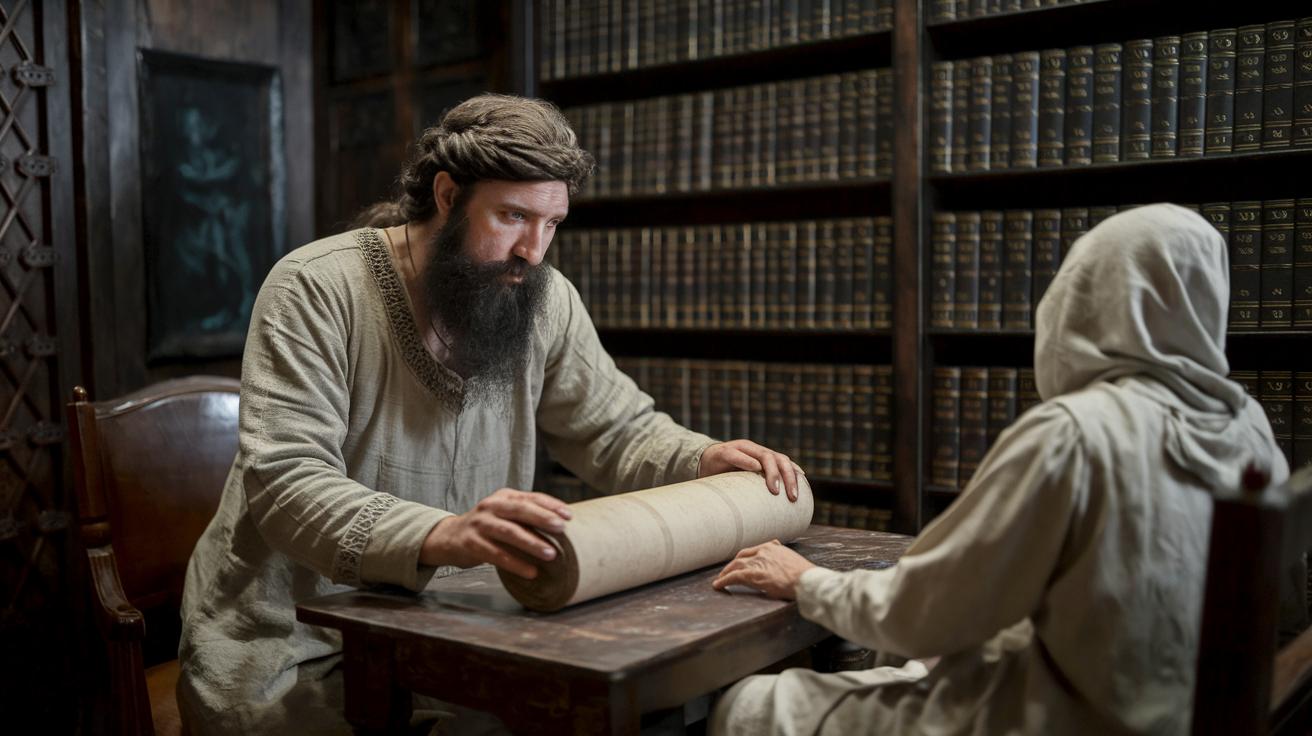
Medical history is full of innovators whose ideas still shape how we care for our health today. Imagine walking alongside those early doctors and scholars who, long after Hippocrates first shared his thoughts, pushed medicine forward in ways that mix careful observation with fresh, practical methods. They connected the wisdom of ancient times to what we now know works in modern practice.
Take Avicenna, also known as Ibn Sina. Living between 980 and 1037 CE, he wrote the Canon of Medicine, a massive five-volume work that brought together Greek, Roman, and Islamic ideas about healing. Avicenna was one of the first to stress watching patients closely and experimenting to learn what worked best, setting up standards that still echo in today’s evidence-based care.
Then there’s Sushruta from India, who lived around 600 BCE. He described surgical tools and detailed procedures for operations such as early plastic surgery in the Sushruta Samhita. His clear, practical approach to surgery laid down a strong foundation for how we perform operations today. And let’s not forget Galen, who lived from 129 to about 216 CE. His detailed studies of human anatomy and body functions influenced medical thinking for over a thousand years. Medieval Islamic scholars further built on these foundations by carefully preserving Hippocrates’ work and adding new insights, making sure that old knowledge stayed fresh and relevant.
Later on, William Osler helped bring these rich traditions back to life. Active from 1849 to 1919, he reestablished the practice of learning medicine at the patient’s bedside. His creation of modern internship and residency programs shows just how much medicine has evolved from ancient texts to today’s dynamic healthcare practices.
Final Words
In the action, we revisited the groundbreaking work of Hippocrates, exploring how his clinical observations, ethical guidance, and detailed case studies laid the cornerstone for modern medicine. We traced his influence from bedside care to diagnostic advances. Each section showcased how his teachings still shape patient care, offering clear paths for chronic condition management and everyday wellness choices. This blend of historical insight with practical advice brings us closer to answering who was the father of modern medicine. Embrace these lessons and appreciate the continuing impact on our daily health decisions.
FAQ
Q: Who was the father of modern medicine and what did he do?
A: The father of modern medicine, Hippocrates, introduced systematic clinical observation, separated medicine from superstition, and penned influential texts that established the basis for modern diagnostic and treatment practices.
Q: What is the Hippocratic Oath and what does it signify?
A: The Hippocratic Oath, originating in the 5th century BCE, sets ethical standards in caregiving by emphasizing patient confidentiality, non-harm, and respectful medical practice that continues to guide modern ethics.
Q: Who is considered the father of medicine?
A: Hippocrates is widely recognized as the father of medicine, thanks to his clinical methods and writings that laid the cornerstone for rational and evidence-based medical practice.
Q: Who are considered the four fathers of medicine?
A: The four influential figures include Hippocrates, Galen, Avicenna, and Sushruta, each contributing essential advancements in clinical observation, diagnostics, surgical techniques, and ethical care.
Q: Is William Osler the father of modern medicine?
A: William Osler is celebrated for advancing bedside clinical training and residency programs, yet he is not typically credited as the father of modern medicine.