How Cooking Affects Essential Nutrients: Boosts Health

Ever think that the way you cook might be taking away some of your food’s good stuff? It’s interesting how cooking can actually help your body absorb vitamins better, but too much heat can also erase important nutrients.

A quick roast or a gentle bake might even make those vitamins more available to you. On the other hand, boiling for too long can wash away key compounds like vitamin C and B vitamins.

This article takes a closer look at how different cooking methods change the nutrients in your food and offers simple tips to help you make smarter choices in the kitchen.

Fundamentals of How Cooking Affects Essential Nutrients

Cooking changes food in interesting ways that can boost or lower the benefits of the nutrients inside. Some methods, like roasting or baking, actually help make vitamins more available to your body. For instance, when you roast an egg, its clear part turns into a firm white, making it easier to digest and absorb essential nutrients.

Traditional cooking techniques can soften food so that vitamins and minerals are released more easily, almost like the gentle warmth of a sunrise softening the chill of night. But if you cook food for too long at high temperatures, important nutrients, especially water-soluble ones like vitamin C and B vitamins, can be lost, much like the flavor that fades during overboiling.

Temperature and timing really matter here. A brief cooking process can break down cell walls, letting your body enjoy more of the natural goodness. Overcooking, however, might strip away those vital compounds. Imagine quickly roasting vegetables to enhance their crisp taste, while a long boil can drain away their nourishing elements.

Every cooking method has its ups and downs. The trick is finding a balance between boosting ease of digestion and keeping those good nutrients intact.

Water-Based Cooking and Essential Nutrient Loss

img-1.jpg

Cooking with water, whether you're boiling, simmering, or poaching, can wash away many vitamins. Vitamins like vitamin C and the complex B group dissolve in water, which means they easily float out of your food. The longer you cook, the more these nutrients slip into the water. For example, when you boil vegetables, you might lose around 40–60% of these sensitive vitamins.

Boiling and Leaching of Vitamins

Boiling floods food with water, making it easy for water-loving vitamins to leave the food and mix with the liquid. Even a short boil might drop some of these nutrients, and it's always a little tricky to keep all the goodness in your meal. Think of it like overcooking carrots, too long in boiling water, and much of the vitamin C ends up in the pot instead of on your plate.

Steaming and Antioxidant Preservation

Steaming is a much gentler method because it uses only a little water. This minimal water exposure means that about 80–90% of antioxidants and water-soluble vitamins stay right where they belong, in your food. This method is great when you're making nutrient-packed vegetables because it keeps the vitamins locked in while you enjoy the fresh taste.

Poaching and Nutrient Retention

Poaching cooks your food under a gentle heat, which helps protect those delicate proteins and vitamins. The milder cooking temperature not only keeps flavors and textures intact but also minimizes the escape of important nutrients. In other words, poaching is a balanced way to cook that helps you preserve the healthy details in your food.

Dry-Heat Techniques: Impact on Fat-Soluble Vitamins and Minerals

When you grill, broil, roast, or bake, you’re changing food in ways that can help your body digest it better, but sometimes this comes at a cost. Heating food like this changes the proteins, making them easier for your body to break down, much like softening a tough piece of meat with a gentle touch of warmth.

But there’s a trade-off. The browning you see, a result of the Maillard reaction, not only creates a delightful taste but can also form acrylamide. Acrylamide is a substance that, based on animal studies, might be linked to DNA damage. In other words, all that lovely golden-brown color might sometimes reduce the nutrients in your food.

Most minerals can handle the heat without much fuss. Yet, vitamins like A and E are more delicate. Think about frying until things are almost too dark, this extra browning could produce free radicals, which may lower your meal’s nutritional value.

Then there’s the matter of B vitamins. Quick roasting can work in your favor by preserving these important nutrients. However, exposing food to very high temperatures for too long might cause some of these vitamins to break down. Balancing how hot and how long you cook is key to keeping your food as nutritious as possible.

Interesting fact: a quick, light roast can sometimes boost nutrient digestibility without creating too many free radicals.

Fat-Based and Microwave Cooking: Balancing Nutrient Preservation
img-2.jpg

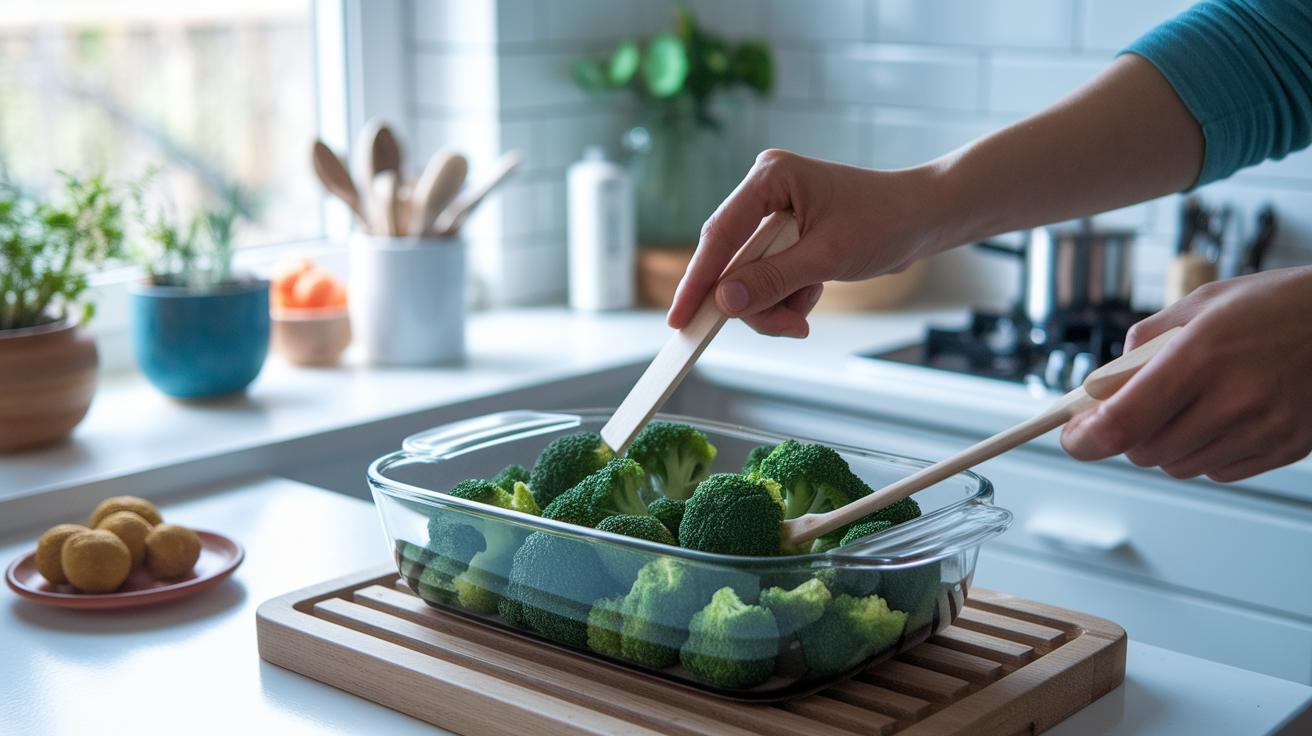
Microwave cooking is a quick way to warm your meals without using much water, which means most of your nutrients can stay intact, sometimes as high as 90-95%. It heats food in a flash so vitamins and minerals don’t get too much time to break down. For example, if you microwave carrots, that fast burst of heat helps keep vitamin A fresh and bright.

On the other hand, cooking with fats, like when you sauté or stir-fry, can actually protect and boost vitamins that dissolve in fat, such as vitamins D and E. Using oil or butter not only adds tasty flavor but also helps your body absorb these nutrients more easily. A brief stir-fry can even bring out the natural oils in vegetables, promoting a better uptake of nutrients. However, if you leave the food in contact with high heat for too long, even these methods can start to harm some of the vitamins.

Both of these cooking approaches have their own benefits. Microwave cooking quickly preserves a high percentage of essential nutrients, while fat-based methods can enhance flavors and improve nutrient absorption. Ultimately, the best method depends on the type of food and which nutrients you want to keep intact.

Practical Tips for Maximizing Essential Nutrient Retention During Cooking

When you're in the kitchen, a few simple changes can make a big difference in keeping your food's vitamins, minerals, and antioxidants intact. Instead of overcooking, try using just a splash of water and cutting down on cooking time. For example, think about giving your broccoli a quick blanch instead of letting it simmer forever.

  • Flash-cook your greens with a tiny bit of water to hold onto their lively nutrients.
  • Instead of boiling, go for steaming or microwaving; steam zucchini until it's just tender so it keeps nearly all its water-soluble vitamins.
  • Keep a lid on your pot to capture the steam and reduce oxidation, this little trick helps preserve delicate antioxidants.
  • Remember to save the cooking water! By adding water from boiled carrots into your soup, you can recapture those vitamins.
  • After cooking, add a small drizzle of healthy fats like olive oil to help your body absorb fat-soluble vitamins more easily.
  • Avoid letting your food brown too much or cooking at high heat, as that can form free radicals. A light roast, say on chicken, is much better for nutrient quality.
  • Mix both raw and cooked foods in your meal, pair fresh salad leaves with lightly sautéed mushrooms to enjoy a range of textures and nutrients.
  • Use lower-temperature roasting or gentle simmering when you can; this way, flavors build up slowly without a heavy nutrient loss.

Using these tips, home cooks and chefs alike can craft meals that are as nutritious as they are delicious. By tailoring your cooking methods to suit the delicate vitamins in your food, every bite works a little harder to support your overall health.

Final Words

In the action, we explored how cooking affects essential nutrients by unpacking different methods. We saw steaming preserves up to 90% of antioxidants, while dry-heat techniques can improve digestibility and sometimes degrade vitamins. Water-based cooking methods carry risks and benefits for water-soluble vitamins, and even microwave and fat-based techniques have their trade-offs. Practical tips like using minimal water and lower temperatures provide simple ways to keep nutrient quality high. Remember, a few small changes in your routine can make a world of difference in how cooking affects essential nutrients.

FAQ

How does cooking affect essential nutrients and minerals?

Cooking affects essential nutrients by altering their availability; heat and water can improve digestibility yet may reduce heat-sensitive vitamins. Short cook times and gentler methods can help maintain more essential nutrients.

How can you cook vegetables without losing nutrients?

Cooking vegetables on lower heat using methods like steaming or microwaving helps keep vitamins and minerals intact, while minimal water use prevents unnecessary nutrient loss during the process.

Do vegetables lose nutrients when cooked in soup?

Cooking vegetables in soup can lead to nutrient leaching into the broth, but consuming the soup recovers many of these vitamins and minerals, reducing overall nutrient waste.

Does cooking destroy vitamin C?

Cooking can reduce vitamin C since it is heat sensitive, yet methods like quick steaming limit its degradation, retaining more vitamin C compared to prolonged boiling.

Which cooking method best preserves nutrients in food?

Steaming and microwaving best preserve nutrients by using less water and shorter cooking times, which minimizes damage to both heat-sensitive and water-soluble vitamins.

Is any vitamin completely destroyed by cooking, and which vitamins remain stable?

No vitamin is entirely destroyed; however, vitamin C is highly sensitive to heat. In contrast, fat-soluble vitamins and most minerals remain more stable during cooking.

Ever think that the way you cook might be taking away some of your food’s good stuff? It’s interesting how cooking can actually help your body absorb vitamins better, but too much heat can also erase important nutrients.

A quick roast or a gentle bake might even make those vitamins more available to you. On the other hand, boiling for too long can wash away key compounds like vitamin C and B vitamins.

This article takes a closer look at how different cooking methods change the nutrients in your food and offers simple tips to help you make smarter choices in the kitchen.

Fundamentals of How Cooking Affects Essential Nutrients

Cooking changes food in interesting ways that can boost or lower the benefits of the nutrients inside. Some methods, like roasting or baking, actually help make vitamins more available to your body. For instance, when you roast an egg, its clear part turns into a firm white, making it easier to digest and absorb essential nutrients.

Traditional cooking techniques can soften food so that vitamins and minerals are released more easily, almost like the gentle warmth of a sunrise softening the chill of night. But if you cook food for too long at high temperatures, important nutrients, especially water-soluble ones like vitamin C and B vitamins, can be lost, much like the flavor that fades during overboiling.

Temperature and timing really matter here. A brief cooking process can break down cell walls, letting your body enjoy more of the natural goodness. Overcooking, however, might strip away those vital compounds. Imagine quickly roasting vegetables to enhance their crisp taste, while a long boil can drain away their nourishing elements.

Every cooking method has its ups and downs. The trick is finding a balance between boosting ease of digestion and keeping those good nutrients intact.

Water-Based Cooking and Essential Nutrient Loss

img-1.jpg

Cooking with water, whether you're boiling, simmering, or poaching, can wash away many vitamins. Vitamins like vitamin C and the complex B group dissolve in water, which means they easily float out of your food. The longer you cook, the more these nutrients slip into the water. For example, when you boil vegetables, you might lose around 40–60% of these sensitive vitamins.

Boiling and Leaching of Vitamins

Boiling floods food with water, making it easy for water-loving vitamins to leave the food and mix with the liquid. Even a short boil might drop some of these nutrients, and it's always a little tricky to keep all the goodness in your meal. Think of it like overcooking carrots, too long in boiling water, and much of the vitamin C ends up in the pot instead of on your plate.

Steaming and Antioxidant Preservation

Steaming is a much gentler method because it uses only a little water. This minimal water exposure means that about 80–90% of antioxidants and water-soluble vitamins stay right where they belong, in your food. This method is great when you're making nutrient-packed vegetables because it keeps the vitamins locked in while you enjoy the fresh taste.

Poaching and Nutrient Retention

Poaching cooks your food under a gentle heat, which helps protect those delicate proteins and vitamins. The milder cooking temperature not only keeps flavors and textures intact but also minimizes the escape of important nutrients. In other words, poaching is a balanced way to cook that helps you preserve the healthy details in your food.

Dry-Heat Techniques: Impact on Fat-Soluble Vitamins and Minerals

When you grill, broil, roast, or bake, you’re changing food in ways that can help your body digest it better, but sometimes this comes at a cost. Heating food like this changes the proteins, making them easier for your body to break down, much like softening a tough piece of meat with a gentle touch of warmth.

But there’s a trade-off. The browning you see, a result of the Maillard reaction, not only creates a delightful taste but can also form acrylamide. Acrylamide is a substance that, based on animal studies, might be linked to DNA damage. In other words, all that lovely golden-brown color might sometimes reduce the nutrients in your food.

Most minerals can handle the heat without much fuss. Yet, vitamins like A and E are more delicate. Think about frying until things are almost too dark, this extra browning could produce free radicals, which may lower your meal’s nutritional value.

Then there’s the matter of B vitamins. Quick roasting can work in your favor by preserving these important nutrients. However, exposing food to very high temperatures for too long might cause some of these vitamins to break down. Balancing how hot and how long you cook is key to keeping your food as nutritious as possible.

Interesting fact: a quick, light roast can sometimes boost nutrient digestibility without creating too many free radicals.

Fat-Based and Microwave Cooking: Balancing Nutrient Preservation

img-2.jpg

Microwave cooking is a quick way to warm your meals without using much water, which means most of your nutrients can stay intact, sometimes as high as 90-95%. It heats food in a flash so vitamins and minerals don’t get too much time to break down. For example, if you microwave carrots, that fast burst of heat helps keep vitamin A fresh and bright.

On the other hand, cooking with fats, like when you sauté or stir-fry, can actually protect and boost vitamins that dissolve in fat, such as vitamins D and E. Using oil or butter not only adds tasty flavor but also helps your body absorb these nutrients more easily. A brief stir-fry can even bring out the natural oils in vegetables, promoting a better uptake of nutrients. However, if you leave the food in contact with high heat for too long, even these methods can start to harm some of the vitamins.

Both of these cooking approaches have their own benefits. Microwave cooking quickly preserves a high percentage of essential nutrients, while fat-based methods can enhance flavors and improve nutrient absorption. Ultimately, the best method depends on the type of food and which nutrients you want to keep intact.

Practical Tips for Maximizing Essential Nutrient Retention During Cooking

When you're in the kitchen, a few simple changes can make a big difference in keeping your food's vitamins, minerals, and antioxidants intact. Instead of overcooking, try using just a splash of water and cutting down on cooking time. For example, think about giving your broccoli a quick blanch instead of letting it simmer forever.

  • Flash-cook your greens with a tiny bit of water to hold onto their lively nutrients.
  • Instead of boiling, go for steaming or microwaving; steam zucchini until it's just tender so it keeps nearly all its water-soluble vitamins.
  • Keep a lid on your pot to capture the steam and reduce oxidation, this little trick helps preserve delicate antioxidants.
  • Remember to save the cooking water! By adding water from boiled carrots into your soup, you can recapture those vitamins.
  • After cooking, add a small drizzle of healthy fats like olive oil to help your body absorb fat-soluble vitamins more easily.
  • Avoid letting your food brown too much or cooking at high heat, as that can form free radicals. A light roast, say on chicken, is much better for nutrient quality.
  • Mix both raw and cooked foods in your meal, pair fresh salad leaves with lightly sautéed mushrooms to enjoy a range of textures and nutrients.
  • Use lower-temperature roasting or gentle simmering when you can; this way, flavors build up slowly without a heavy nutrient loss.

Using these tips, home cooks and chefs alike can craft meals that are as nutritious as they are delicious. By tailoring your cooking methods to suit the delicate vitamins in your food, every bite works a little harder to support your overall health.

Final Words

In the action, we explored how cooking affects essential nutrients by unpacking different methods. We saw steaming preserves up to 90% of antioxidants, while dry-heat techniques can improve digestibility and sometimes degrade vitamins. Water-based cooking methods carry risks and benefits for water-soluble vitamins, and even microwave and fat-based techniques have their trade-offs. Practical tips like using minimal water and lower temperatures provide simple ways to keep nutrient quality high. Remember, a few small changes in your routine can make a world of difference in how cooking affects essential nutrients.

FAQ

How does cooking affect essential nutrients and minerals?

Cooking affects essential nutrients by altering their availability; heat and water can improve digestibility yet may reduce heat-sensitive vitamins. Short cook times and gentler methods can help maintain more essential nutrients.

How can you cook vegetables without losing nutrients?

Cooking vegetables on lower heat using methods like steaming or microwaving helps keep vitamins and minerals intact, while minimal water use prevents unnecessary nutrient loss during the process.

Do vegetables lose nutrients when cooked in soup?

Cooking vegetables in soup can lead to nutrient leaching into the broth, but consuming the soup recovers many of these vitamins and minerals, reducing overall nutrient waste.

Does cooking destroy vitamin C?

Cooking can reduce vitamin C since it is heat sensitive, yet methods like quick steaming limit its degradation, retaining more vitamin C compared to prolonged boiling.

Which cooking method best preserves nutrients in food?

Steaming and microwaving best preserve nutrients by using less water and shorter cooking times, which minimizes damage to both heat-sensitive and water-soluble vitamins.

Is any vitamin completely destroyed by cooking, and which vitamins remain stable?

No vitamin is entirely destroyed; however, vitamin C is highly sensitive to heat. In contrast, fat-soluble vitamins and most minerals remain more stable during cooking.

More from author

LEAVE A REPLY

Please enter your comment!
Please enter your name here

Related posts

Advertismentspot_img

Latest posts

How To Create A Daily Wellness Routine: Thriving

Curious about how to create a daily wellness routine that transforms your mornings and days? Read on as secrets await…

2 Daily Wellness Drink Tips For Radiance

Experience a daily wellness drink with natural herbs, green ingredients, and clinical backing that might change your routine forever, stay tuned.

Daily Wellness: Elevate Your Everyday Vitality

Daily wellness transforms everyday routines into mindful adjustments, merging nutrition, movement, and restorative sleep. What unforeseen practice awaits you next?

Want to stay up to date with the latest news?

We would love to hear from you! Please fill in your details and we will stay in touch. It's that simple!