Essential Nutrients For Brain Health: Boosting Your Mind

Have you ever noticed that some people seem to think a little faster and more clearly? Think of your brain as an engine that needs the right fuel to run smoothly. When you don’t get the essential nutrients, even simple things like remembering a name or learning new facts can feel really challenging.

In this article, we’ll explore how certain foods can help keep your mind sharp and focused. Imagine the satisfying crunch of a fresh apple or the creamy richness of a well-made smoothie, each bite can help boost your daily performance. By choosing your meals carefully, you're not just giving yourself a quick energy boost; you're also building a strong base for long-lasting brain power.

Foundational Nutrients for Optimal Brain Function

Imagine your brain as a finely tuned engine that needs a steady stream of fuel to keep every thought and action moving. It oversees how you feel, controls your muscles, and processes all the information flowing around you every second. When it misses out on these key nutrients, even basic functions like remembering details or learning new things can slow down.

Every meal you enjoy plays a part in powering your brain. A diet rich in the right nutrients works like a supportive team for your brain cells, it keeps them communicating clearly and may even help lower the risk of conditions like dementia or Alzheimer’s. Each nutrient has its own special job, helping maintain a balance between brain power and overall well-being.

  • Long-chain Omega-3 Fatty Acids (EPA, DHA)
  • Vitamin E
  • Vitamin B12
  • Antioxidants

Eating a variety of these foods does more than just give you energy; it builds a strong foundation for long-term cognitive health. Think of it like this: Omega-3 fats from fish, leafy greens packed with Vitamin E, dairy or fortified alternatives full of Vitamin B12, and a rainbow of fruits and vegetables loaded with antioxidants all team up to boost your memory and keep your mind sharp. By making room for these essential nutrients in your daily routine, you're not only fueling your body for today, you’re investing in a future where your thoughts remain clear and your memory stays strong.

Omega-3 Fatty Acids for Brain Neuroprotection

img-1.jpg

EPA and DHA are truly important for calming inflammation and keeping your brain's connectors, called synapses, flexible and strong. These fats help ease inflammatory responses that might harm brain cells and slow down the flow of signals between cells. They also build the membranes around brain cells, which supports synaptic plasticity, your brain's natural ability to adapt and change.

  1. Salmon – A small 3-ounce portion is packed with EPA and DHA to give your brain a boost.
  2. Mackerel – Just a 3-ounce serving of mackerel adds these essential nutrients to your diet.
  3. Tuna – A 3-ounce serving also delivers a solid amount of these healthy fats.

Experts suggest you get between 250 to 500 mg of combined EPA and DHA daily. This amount supports smooth brain function and helps keep your mood balanced. Studies have shown that keeping enough Omega-3s in your meals may slow down age-related cognitive decline. Adding these foods to your regular diet can support both brain balance and overall well-being. Ongoing research confirms that a steady dose of Omega-3s is a smart move for keeping your brain healthy throughout life.

B Vitamin Spectrum for Healthy Cognition

B-complex vitamins are a big deal for your brain. They help nerve signals get from one part of your brain to another and keep your thinking clear. Vitamins like B12, B6, and folate work together to keep your nervous system in good shape.

For example, Vitamin B12 is needed to build myelin, a fatty layer around nerve fibers that makes sure signals travel smoothly. Vitamin B6 helps produce brain chemicals like serotonin (which lifts your mood) and GABA (which keeps you calm and alert). And folate is essential for DNA repair and helps with memory by driving important chemical reactions in your body. If you're curious for more details, check out our guide What are Essential Nutrients.

Vitamin Function Food Source RDA
B12 Myelin formation, nerve signaling Meat, dairy, eggs, fortified cereals 2.4 µg/day
B6 Neurotransmitter synthesis Meat, fish, potatoes, non-citrus fruits 1.3 mg/day
Folate DNA repair, methylation Legumes, spinach, fortified cereals 400 µg DFE/day

Adding these vitamins to your daily meals isn’t just about hitting a target, it’s about giving your brain the care it needs for the long run. A balanced diet that includes foods like lean meats, dairy products, eggs, legumes, and leafy greens makes sure you get these key nutrients. Research shows that even slight shortages might speed up mental decline, which means a nutrient-packed diet is really tied to keeping your memory sharp and your mind strong as you age.

Antioxidants and Brain Free-Radical Defense

img-2.jpg

When too many free radicals build up in your body, it can lead to oxidative stress, a condition where your natural defenses get overwhelmed and delicate brain cells (neurons) are at risk. This stress can interfere with memory and clear thinking. That’s why it’s so important to include antioxidants in your daily meals. Antioxidants, like vitamins E and C and flavonoids (plant compounds that support your brain), help neutralize these unstable molecules and keep your neurons safe.

Below is a list of delicious, antioxidant-rich foods along with their ORAC values, which tell you how strong their antioxidant power is:

Food ORAC Value (µmol TE/100g)
Blueberries 9,621
Dark chocolate 20,816
Kale 1,770
Strawberries 5,938
Pecans 17,940

Research shows that eating foods rich in flavonoids may really boost your brain power. Regular inclusion of berries, dark chocolate, and kale isn’t just tasty, it may help improve memory and overall brain function. This means antioxidants not only fight oxidative stress but also aid in smoother communication between brain cells. In short, enjoying a colorful diet can help your brain stay resilient as you age and keep your memory sharp.

Key Minerals Supporting Neural Communication

Minerals are essential for keeping your brain running smoothly. They help nerve cells communicate by managing neurotransmitter release, that's the way signals travel in your brain, and by ensuring every part of your brain gets enough oxygen. With the right balance, these minerals support clear nerve pathways, which can boost memory and overall thinking.

Magnesium, zinc, and iron are real game changers for your brain cells. Magnesium, for instance, fine-tunes NMDA receptors (which help your brain learn and adapt) while zinc makes sure neurotransmitters send clear signals. And iron? It’s the vital supplier of oxygen to your brain, fueling alertness and energy. Without enough of these minerals, your brain’s signal system can get out of sync, affecting everything from mood to memory.

Mineral Function Food Sources RDA
Magnesium Helps fine-tune NMDA receptors and supports brain adaptability Nuts, legumes, dark chocolate 310–420 mg/day
Zinc Ensures clear nerve signaling by regulating neurotransmitter release Oysters, beef, pumpkin seeds 8–11 mg/day
Iron Supplies oxygen to brain cells, keeping you alert and energized Red meat, spinach, lentils 8–18 mg/day

Adding these minerals into your diet creates a smooth channel for brain communication. Enjoy a range of magnesium, zinc, and iron-rich foods while sticking to the recommended daily amounts. After all, too much of one mineral can upset the overall nutrient balance, so a well-planned diet is key to a healthy, active mind.

Dietary Patterns and Brain Health Meal Planning
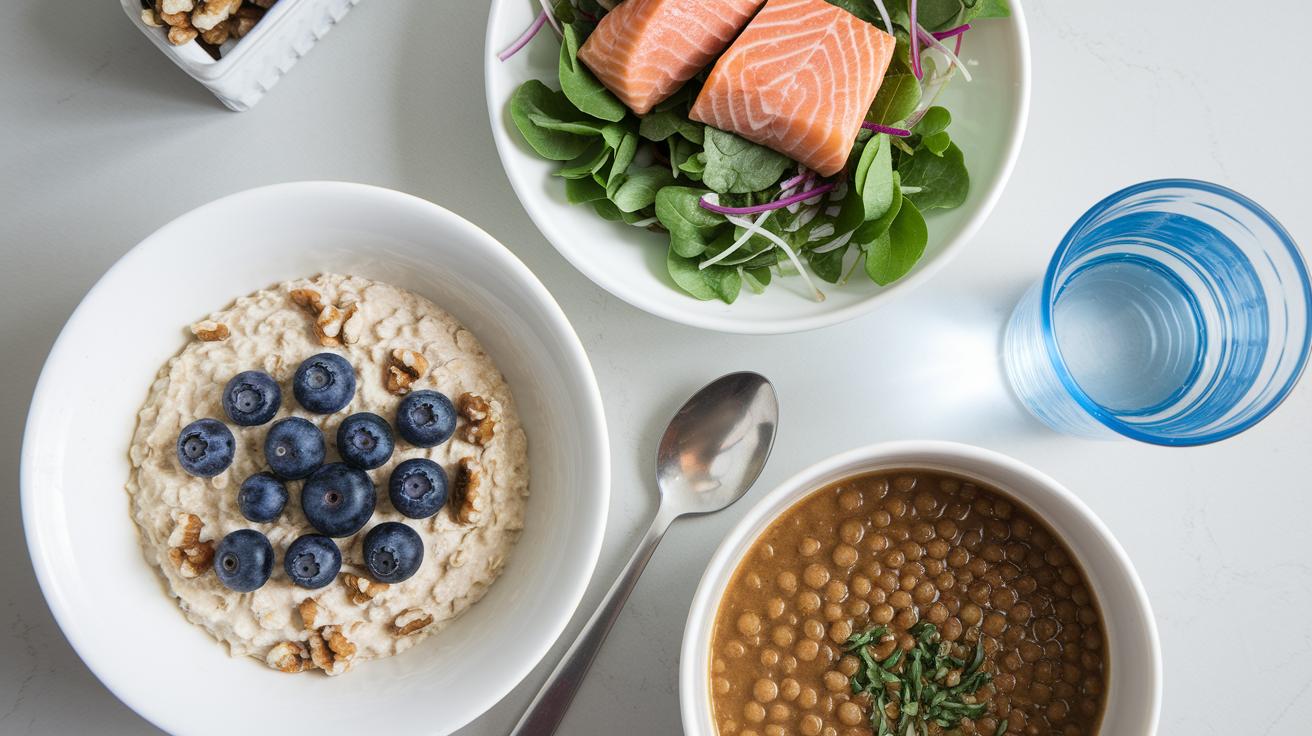
img-3.jpg

Studies show that diets like the Mediterranean, MIND, and DASH can really help keep your brain sharp. These eating styles have been linked to higher scores on tests such as the MoCA (a common way to check your thinking skills) and the MMSE (another widely used memory test).

They focus on meals filled with fresh fruits, vegetables, whole grains, fish, nuts, and olive oil. These foods are loaded with antioxidants and healthy fats that work together to keep your brain running smoothly and your memory clear.

• Breakfast: A warm bowl of oatmeal topped with blueberries and walnuts
• Lunch: A crisp leafy-green salad paired with grilled salmon
• Dinner: A soothing lentil stew with spinach and bell peppers
• Hydration: Roughly 2 liters of water throughout the day, with a moderate amount of coffee or tea if you like

Try mixing things up by swapping white rice for quinoa or opting for Greek yogurt instead of your regular pick. This little change can boost your nutrient intake without much fuss.

Also, think about batch cooking on days when you're less busy. Having ready-to-eat, nutrient-packed meals on hand makes it simpler to enjoy a healthy variety every day. Even small tweaks like these can go a long way in keeping your mind sharp and your body feeling great.

Supplementation Guidelines and Safety for Brain Nutrients

If your everyday meals aren’t giving you all the nutrients you need, supplements can be a helpful way to fill in those gaps for your brain. Sometimes, getting enough of the right nutrients is hard, whether because nutritious foods are scarce or you have special health concerns. For example, a fish oil supplement providing 1,000 mg of EPA+DHA daily may support your brain’s functioning, while a B-complex vitamin can deliver a range of essential vitamins all at once. Just remember, taking too much of any supplement can lead to side effects, so paying attention to the dosage is key.

The time you take your supplements also matters. A magnesium supplement in the evening might help you sleep better, while taking B-12 in the morning could boost your alertness throughout the day. And if you’re on medications like blood thinners, be extra careful since some supplements can interact with them. It’s always a smart idea to chat with your healthcare provider before adding a new supplement to your routine.

  • Stick to dosage limits: keep Vitamin E at ≤1,000 mg, Vitamin B6 at ≤100 mg, and iron at ≤45 mg.
  • Take supplements during meals for better absorption.
  • Use magnesium at bedtime and B-12 in the morning.
  • Watch for any interactions with your medications.
  • Always discuss new supplements with your healthcare provider.

Final Words

In the action of powering our brains, we learned how a well-rounded diet can strengthen memory, mood, and overall cognitive function. Our guide explored Omega-3 fatty acids, B vitamins, antioxidants, and key minerals, alongside practical meal planning and safe supplement use. By focusing on essential nutrients for brain health, you can integrate science-based tips into daily living. Small changes in food choices make a real difference, take confident steps toward a brighter, healthier future.

FAQ

How do brain foods improve studying, memory, and concentration?

Brain foods support studying by providing Omega-3 fatty acids, antioxidants, and essential vitamins that nurture brain cells, improve signal transmission, and reduce oxidative stress, all crucial for better memory and focus.

What is the best food for brain recovery?

Brain recovery benefits from nutrient-dense foods like salmon, nuts, and leafy greens, which supply Omega-3s, vitamins, and antioxidants that assist neural repair and overall recovery.

What are the three superfoods for your brain?

Three standout superfoods for your brain are fatty fish high in Omega-3s, blueberries loaded with antioxidants, and leafy greens rich in vitamins, all promoting robust cognitive function.

What nutrients help repair brain cells?

Key nutrients repairing brain cells include Omega-3 fatty acids for neural repair, B vitamins for effective nerve signaling, and antioxidants that protect cells from damage by free radicals.

What’s the #1 science-backed fruit for reversing memory loss and mental decline?

Blueberries top the list due to their abundant antioxidants, which help reduce oxidative stress and support brain function, contributing to improved memory and a delay in cognitive decline.

What are the four main needs of the brain to maintain brain health?

The brain requires a constant supply of energy, essential nutrients, hydration, and oxygen to operate efficiently, ensuring effective mood regulation, memory retention, and overall neural health.

Have you ever noticed that some people seem to think a little faster and more clearly? Think of your brain as an engine that needs the right fuel to run smoothly. When you don’t get the essential nutrients, even simple things like remembering a name or learning new facts can feel really challenging.

In this article, we’ll explore how certain foods can help keep your mind sharp and focused. Imagine the satisfying crunch of a fresh apple or the creamy richness of a well-made smoothie, each bite can help boost your daily performance. By choosing your meals carefully, you're not just giving yourself a quick energy boost; you're also building a strong base for long-lasting brain power.

Foundational Nutrients for Optimal Brain Function

Imagine your brain as a finely tuned engine that needs a steady stream of fuel to keep every thought and action moving. It oversees how you feel, controls your muscles, and processes all the information flowing around you every second. When it misses out on these key nutrients, even basic functions like remembering details or learning new things can slow down.

Every meal you enjoy plays a part in powering your brain. A diet rich in the right nutrients works like a supportive team for your brain cells, it keeps them communicating clearly and may even help lower the risk of conditions like dementia or Alzheimer’s. Each nutrient has its own special job, helping maintain a balance between brain power and overall well-being.

  • Long-chain Omega-3 Fatty Acids (EPA, DHA)
  • Vitamin E
  • Vitamin B12
  • Antioxidants

Eating a variety of these foods does more than just give you energy; it builds a strong foundation for long-term cognitive health. Think of it like this: Omega-3 fats from fish, leafy greens packed with Vitamin E, dairy or fortified alternatives full of Vitamin B12, and a rainbow of fruits and vegetables loaded with antioxidants all team up to boost your memory and keep your mind sharp. By making room for these essential nutrients in your daily routine, you're not only fueling your body for today, you’re investing in a future where your thoughts remain clear and your memory stays strong.

Omega-3 Fatty Acids for Brain Neuroprotection

img-1.jpg

EPA and DHA are truly important for calming inflammation and keeping your brain's connectors, called synapses, flexible and strong. These fats help ease inflammatory responses that might harm brain cells and slow down the flow of signals between cells. They also build the membranes around brain cells, which supports synaptic plasticity, your brain's natural ability to adapt and change.

  1. Salmon – A small 3-ounce portion is packed with EPA and DHA to give your brain a boost.
  2. Mackerel – Just a 3-ounce serving of mackerel adds these essential nutrients to your diet.
  3. Tuna – A 3-ounce serving also delivers a solid amount of these healthy fats.

Experts suggest you get between 250 to 500 mg of combined EPA and DHA daily. This amount supports smooth brain function and helps keep your mood balanced. Studies have shown that keeping enough Omega-3s in your meals may slow down age-related cognitive decline. Adding these foods to your regular diet can support both brain balance and overall well-being. Ongoing research confirms that a steady dose of Omega-3s is a smart move for keeping your brain healthy throughout life.

B Vitamin Spectrum for Healthy Cognition

B-complex vitamins are a big deal for your brain. They help nerve signals get from one part of your brain to another and keep your thinking clear. Vitamins like B12, B6, and folate work together to keep your nervous system in good shape.

For example, Vitamin B12 is needed to build myelin, a fatty layer around nerve fibers that makes sure signals travel smoothly. Vitamin B6 helps produce brain chemicals like serotonin (which lifts your mood) and GABA (which keeps you calm and alert). And folate is essential for DNA repair and helps with memory by driving important chemical reactions in your body. If you're curious for more details, check out our guide What are Essential Nutrients.

Vitamin Function Food Source RDA
B12 Myelin formation, nerve signaling Meat, dairy, eggs, fortified cereals 2.4 µg/day
B6 Neurotransmitter synthesis Meat, fish, potatoes, non-citrus fruits 1.3 mg/day
Folate DNA repair, methylation Legumes, spinach, fortified cereals 400 µg DFE/day

Adding these vitamins to your daily meals isn’t just about hitting a target, it’s about giving your brain the care it needs for the long run. A balanced diet that includes foods like lean meats, dairy products, eggs, legumes, and leafy greens makes sure you get these key nutrients. Research shows that even slight shortages might speed up mental decline, which means a nutrient-packed diet is really tied to keeping your memory sharp and your mind strong as you age.

Antioxidants and Brain Free-Radical Defense

img-2.jpg

When too many free radicals build up in your body, it can lead to oxidative stress, a condition where your natural defenses get overwhelmed and delicate brain cells (neurons) are at risk. This stress can interfere with memory and clear thinking. That’s why it’s so important to include antioxidants in your daily meals. Antioxidants, like vitamins E and C and flavonoids (plant compounds that support your brain), help neutralize these unstable molecules and keep your neurons safe.

Below is a list of delicious, antioxidant-rich foods along with their ORAC values, which tell you how strong their antioxidant power is:

Food ORAC Value (µmol TE/100g)
Blueberries 9,621
Dark chocolate 20,816
Kale 1,770
Strawberries 5,938
Pecans 17,940

Research shows that eating foods rich in flavonoids may really boost your brain power. Regular inclusion of berries, dark chocolate, and kale isn’t just tasty, it may help improve memory and overall brain function. This means antioxidants not only fight oxidative stress but also aid in smoother communication between brain cells. In short, enjoying a colorful diet can help your brain stay resilient as you age and keep your memory sharp.

Key Minerals Supporting Neural Communication

Minerals are essential for keeping your brain running smoothly. They help nerve cells communicate by managing neurotransmitter release, that's the way signals travel in your brain, and by ensuring every part of your brain gets enough oxygen. With the right balance, these minerals support clear nerve pathways, which can boost memory and overall thinking.

Magnesium, zinc, and iron are real game changers for your brain cells. Magnesium, for instance, fine-tunes NMDA receptors (which help your brain learn and adapt) while zinc makes sure neurotransmitters send clear signals. And iron? It’s the vital supplier of oxygen to your brain, fueling alertness and energy. Without enough of these minerals, your brain’s signal system can get out of sync, affecting everything from mood to memory.

Mineral Function Food Sources RDA
Magnesium Helps fine-tune NMDA receptors and supports brain adaptability Nuts, legumes, dark chocolate 310–420 mg/day
Zinc Ensures clear nerve signaling by regulating neurotransmitter release Oysters, beef, pumpkin seeds 8–11 mg/day
Iron Supplies oxygen to brain cells, keeping you alert and energized Red meat, spinach, lentils 8–18 mg/day

Adding these minerals into your diet creates a smooth channel for brain communication. Enjoy a range of magnesium, zinc, and iron-rich foods while sticking to the recommended daily amounts. After all, too much of one mineral can upset the overall nutrient balance, so a well-planned diet is key to a healthy, active mind.

Dietary Patterns and Brain Health Meal Planning

img-3.jpg

Studies show that diets like the Mediterranean, MIND, and DASH can really help keep your brain sharp. These eating styles have been linked to higher scores on tests such as the MoCA (a common way to check your thinking skills) and the MMSE (another widely used memory test).

They focus on meals filled with fresh fruits, vegetables, whole grains, fish, nuts, and olive oil. These foods are loaded with antioxidants and healthy fats that work together to keep your brain running smoothly and your memory clear.

• Breakfast: A warm bowl of oatmeal topped with blueberries and walnuts
• Lunch: A crisp leafy-green salad paired with grilled salmon
• Dinner: A soothing lentil stew with spinach and bell peppers
• Hydration: Roughly 2 liters of water throughout the day, with a moderate amount of coffee or tea if you like

Try mixing things up by swapping white rice for quinoa or opting for Greek yogurt instead of your regular pick. This little change can boost your nutrient intake without much fuss.

Also, think about batch cooking on days when you're less busy. Having ready-to-eat, nutrient-packed meals on hand makes it simpler to enjoy a healthy variety every day. Even small tweaks like these can go a long way in keeping your mind sharp and your body feeling great.

Supplementation Guidelines and Safety for Brain Nutrients

If your everyday meals aren’t giving you all the nutrients you need, supplements can be a helpful way to fill in those gaps for your brain. Sometimes, getting enough of the right nutrients is hard, whether because nutritious foods are scarce or you have special health concerns. For example, a fish oil supplement providing 1,000 mg of EPA+DHA daily may support your brain’s functioning, while a B-complex vitamin can deliver a range of essential vitamins all at once. Just remember, taking too much of any supplement can lead to side effects, so paying attention to the dosage is key.

The time you take your supplements also matters. A magnesium supplement in the evening might help you sleep better, while taking B-12 in the morning could boost your alertness throughout the day. And if you’re on medications like blood thinners, be extra careful since some supplements can interact with them. It’s always a smart idea to chat with your healthcare provider before adding a new supplement to your routine.

  • Stick to dosage limits: keep Vitamin E at ≤1,000 mg, Vitamin B6 at ≤100 mg, and iron at ≤45 mg.
  • Take supplements during meals for better absorption.
  • Use magnesium at bedtime and B-12 in the morning.
  • Watch for any interactions with your medications.
  • Always discuss new supplements with your healthcare provider.

Final Words

In the action of powering our brains, we learned how a well-rounded diet can strengthen memory, mood, and overall cognitive function. Our guide explored Omega-3 fatty acids, B vitamins, antioxidants, and key minerals, alongside practical meal planning and safe supplement use. By focusing on essential nutrients for brain health, you can integrate science-based tips into daily living. Small changes in food choices make a real difference, take confident steps toward a brighter, healthier future.

FAQ

How do brain foods improve studying, memory, and concentration?

Brain foods support studying by providing Omega-3 fatty acids, antioxidants, and essential vitamins that nurture brain cells, improve signal transmission, and reduce oxidative stress, all crucial for better memory and focus.

What is the best food for brain recovery?

Brain recovery benefits from nutrient-dense foods like salmon, nuts, and leafy greens, which supply Omega-3s, vitamins, and antioxidants that assist neural repair and overall recovery.

What are the three superfoods for your brain?

Three standout superfoods for your brain are fatty fish high in Omega-3s, blueberries loaded with antioxidants, and leafy greens rich in vitamins, all promoting robust cognitive function.

What nutrients help repair brain cells?

Key nutrients repairing brain cells include Omega-3 fatty acids for neural repair, B vitamins for effective nerve signaling, and antioxidants that protect cells from damage by free radicals.

What’s the #1 science-backed fruit for reversing memory loss and mental decline?

Blueberries top the list due to their abundant antioxidants, which help reduce oxidative stress and support brain function, contributing to improved memory and a delay in cognitive decline.

What are the four main needs of the brain to maintain brain health?

The brain requires a constant supply of energy, essential nutrients, hydration, and oxygen to operate efficiently, ensuring effective mood regulation, memory retention, and overall neural health.

More from author

LEAVE A REPLY

Please enter your comment!
Please enter your name here

Related posts

Advertismentspot_img

Latest posts

How To Create A Daily Wellness Routine: Thriving

Curious about how to create a daily wellness routine that transforms your mornings and days? Read on as secrets await…

2 Daily Wellness Drink Tips For Radiance

Experience a daily wellness drink with natural herbs, green ingredients, and clinical backing that might change your routine forever, stay tuned.

Daily Wellness: Elevate Your Everyday Vitality

Daily wellness transforms everyday routines into mindful adjustments, merging nutrition, movement, and restorative sleep. What unforeseen practice awaits you next?

Want to stay up to date with the latest news?

We would love to hear from you! Please fill in your details and we will stay in touch. It's that simple!