Biomedical Data Science Ignites Innovative Medical Insights

Have you ever thought about how hidden clues in medical data might change health care? Biomedical data science takes raw numbers and turns them into simple hints that help doctors notice early signs of illness. Imagine a puzzle where every single piece of data links up to show a clear picture of your health. This exciting field brings together computer know-how and clever counting techniques to drive research and boost patient care. In this post, we’ll explore how blending data with science can spark brilliant insights that move health care forward.

Biomedical Data Science Overview: Defining the Field and Its Scope

Biomedical data science mixes tools from computer science, biostatistics, and health information to turn complicated health data into practical insights. Experts use computer methods to sift through vast amounts of data, from tiny molecules to large groups of people, to uncover patterns that can help doctors, researchers, and labs work smarter. Think of it like finding a hidden constellation that hints at early signs of a disease.

This field thrives on blending ideas from different areas. When artificial intelligence is used in clinical settings, it supports doctors in making informed decisions and boosts patient care. By pairing statistical models with cutting-edge algorithms, researchers can design studies that are both precise and reproducible. Imagine a scientist fine-tuning a prediction model with data from various sources to check if a treatment works; it’s a real-life example of how careful data work and smart computing can create breakthroughs.

Preparing future data scientists and offering hands-on research opportunities is at the heart of biomedical data science. Whether through academic courses or collaborative projects, the field provides all the essential tools to tackle tough clinical research questions. With new ways to interpret health data emerging all the time, experts are continually expanding what’s possible in patient treatment, disease prevention, and overall health improvement.

Biomedical data science Ignites Innovative Medical Insights
img-1.jpg

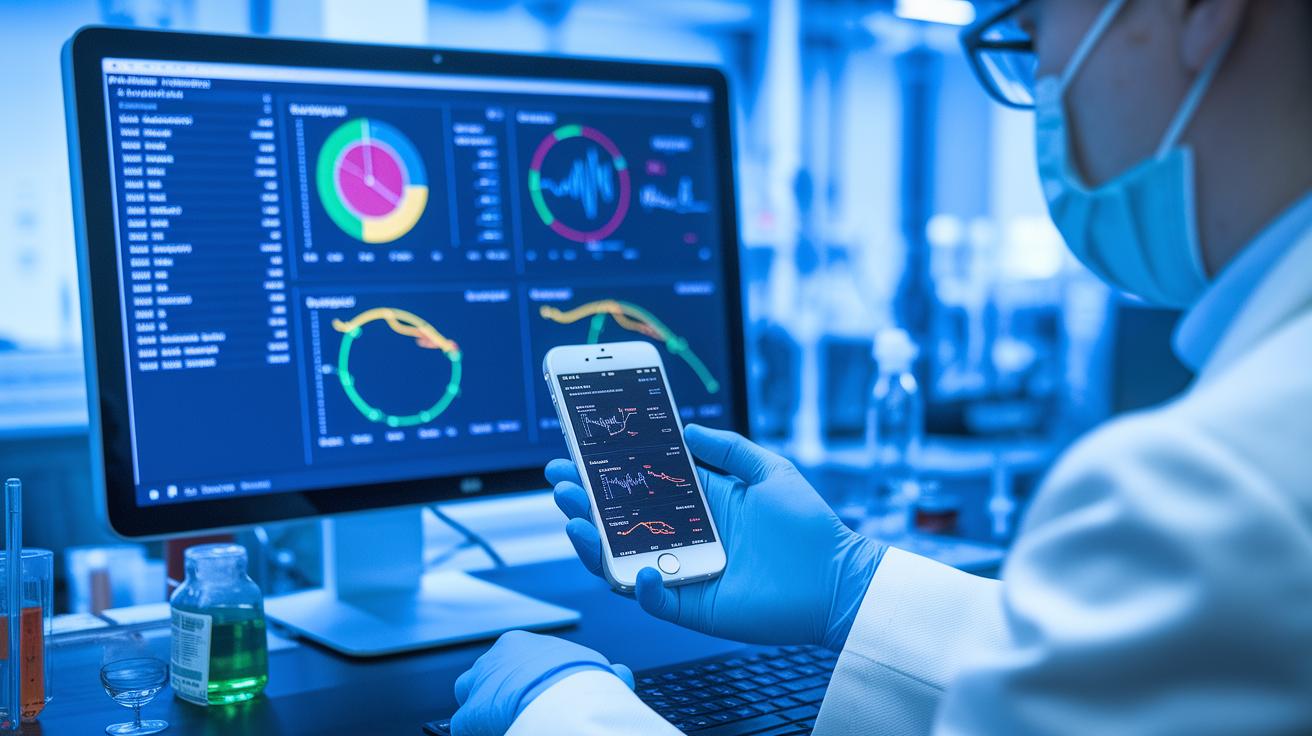
Imagine turning a jumble of raw data into clear, actionable insights that can transform patient care. Advanced omics analytics do just that by using next-generation sequencing, a modern method that reads your DNA and RNA to uncover hidden details like mutations and gene activity. It’s similar to piecing together a mosaic where every tiny fragment helps complete a meaningful picture.

Transcriptomics and epigenomics bring their own exciting twist. Transcriptomics deciphers patterns in gene activity, while epigenomics focuses on chemical tweaks that change how genes work without altering the genetic code itself. Together, they reveal how cells behave in both health and illness. In the Data Science Core, proteomic profiling is used to detect distinct protein patterns, much like identifying unique fingerprints in cases of cancer or metabolic disorders.

Deep learning diagnostic tools push innovation even further. Using smart algorithms, these tools analyze medical images to spot early anomalies that might fly under the human radar. And then there’s computational biology, which combines traditional statistics with modern machine learning on high-powered cloud platforms to process and interpret vast amounts of data.

Key methods include:

  • Genomic analysis that decodes the language of your genes
  • Proteomic profiling that detects unique protein markers
  • Deep learning diagnostics that catch early signs in images
  • Computational biology that integrates all this data into actionable insights

All these techniques work together to turn mountains of complex data into clear, evidence-based insights, paving the way for innovative, personalized patient care.

Integrating Multimodal Medical Datasets and Pipelines

Bringing together different types of medical information, from basic health records to detailed gene studies and imaging scans, is at the heart of today’s health research. Think of it like building a puzzle where every piece, whether it’s lab results or gene activity details, must be cleaned, labeled, and placed just right. Researchers can then review well-organized data, where even a single imaging detail fits perfectly into the larger picture. For example, imagine a hospital converting paper records into a secure digital archive that helps doctors care for patients more quickly and accurately.

Secure and scalable data pipelines make all this possible. These robust systems not only protect sensitive patient information but also let researchers run powerful analyses with high-performance computers. By weaving together data from many sources into streamlined databases, queries and insights come out faster than ever. The Dartmouth Center for Precision Health and Artificial Intelligence is one clear example of how mixing clinical data with gene and imaging studies can help drive personalized health care.

In short, these modern integration strategies turn raw, complex biomedical data into clear, actionable insights that support precision health and lead to better outcomes for patients.

Clinical Applications and Impact of Biomedical Data Science

img-2.jpg

Recent breakthroughs show that precision medicine powered by data science is truly transforming healthcare. AI-driven tumor board systems use smart predictive techniques to sift through complex data and offer treatment plans tailored for each patient. For example, one dedicated team merged patient imaging, genetic details, and clinical history to build a decision-support tool that boosted diagnostic accuracy by almost 20%. Believe it or not, one computational pathology algorithm once analyzed patient images faster than a whole panel of experts on their busiest day.

Developments in computational pathology and AI-enhanced spatial biology have ushered in a new era of clinical decision-making. These innovative tools create clear visual maps of tumor features and even forecast treatment responses, making it easier for clinicians to pick the best therapies. They don’t just help doctors decide; they spot warning signs early, giving patients a better chance at avoiding complications.

Real-world case studies also highlight how tumor board algorithms and decision-support frameworks make choosing treatments more efficient. Deep learning models are now able to flag subtle tissue changes that might have slipped past human eyes. With real-time insights at their fingertips, healthcare teams can adjust treatment plans quickly, thanks to every bit of data contributing to a more personalized picture of patient health.

In short, these groundbreaking applications show how biomedical data science fuels precision medicine by turning raw data into practical, life-improving insights.

Addressing Challenges: Privacy, Compliance, and Data Quality

Biomedical data science is really all about finding the right balance between detailed data analysis and protecting patient privacy. Researchers often find themselves juggling ethical dilemmas while working with sensitive health information, and it’s important they handle both with care. In clinical informatics, strict rules like HIPAA (which keeps your data safe) and GDPR are followed to make sure patient privacy is always a priority.

Data quality is equally important. Think of it as making sure every ingredient in your favorite recipe is fresh so that the final dish turns out just right. By setting up validation pipelines for quality control, researchers can be confident that the data they rely on is both reproducible and trustworthy. Plus, ensuring smooth interactions between electronic health systems, almost like making sure different parts of a conversation understand each other, helps prevent vital insights from being lost.

Key strategies include:

  • Implementing robust privacy measures that protect each patient’s data.
  • Setting clear, ongoing guidelines for meeting regulatory standards.
  • Regular audits and quality controls to catch inconsistencies early.

Every step of the process, from sorting through raw data to drawing final conclusions, requires careful oversight. These thoughtful practices not only build trust in biomedical analytics but also support clinical research that truly benefits patients, all while handling ethical and regulatory challenges with confidence.

Education and Career Pathways in Biomedical Data Science

img-3.jpg

If you're exploring a career where data meets healthcare, biomedical data science might be the perfect fit. Programs in this field are designed for everyone, from beginners excited to break into the industry to seasoned professionals who want to deepen their expertise. For instance, the QBS MS in Health Data Science teaches you everything from cleaning and organizing data and diving into detailed analysis to using statistical models, machine learning, and creating clear visualizations. These skills are essential in today's health analytics and help many graduates land roles in healthcare, pharmaceuticals, or genomics, where data-driven decisions can truly improve patient care.

PhD programs go a step further by zeroing in on subjects like bioinformatics (using computer methods to understand biological data), biostatistics, and epidemiology (the study of how diseases spread). Often, these programs encourage teamwork across different research areas, giving students a well-rounded, hands-on experience. Besides the traditional degree paths, certificate programs and internships offer real-world practice, linking academic lessons directly to practical work.

Key pathways in biomedical data science include:

Pathway Focus
Master’s Degrees Hands-on statistical and computational methods used in health informatics
PhD Tracks In-depth research in areas like bioinformatics and epidemiology
Internships & Fellowships Direct exposure to cutting-edge data analytics and clinical applications

Today’s job market for health data experts is booming. Organizations are eager to hire those who can transform complex numbers into clear, actionable insights, and competitive salaries reflect that strong demand. In short, whether you’re just starting out or looking to pivot into a new role, there’s a pathway in biomedical data science that can set you up for success.

Health informatics is shifting quickly, and it’s changing the way we handle and understand medical data. A great example is federated learning, a method that lets different institutions work together without ever sharing private details. The Dartmouth Center for Precision Health and AI is charting this new territory, setting the stage for better disease risk predictions while keeping your data safe.

Smart technology is stepping up, too. Picture wearable sensors that constantly track patient vitals and send that information straight to cloud-based systems. This real-time data helps clinicians make quick, informed decisions, almost like getting immediate feedback from your body. And with edge computing, large amounts of data get processed right where they’re collected, ensuring you get near-instant insights.

Events like the upcoming 2025 REDCapCon show just how powerful these innovations can be. They highlight how interconnected devices and robust cloud platforms can drive serious progress. In the near future, these advances promise to transform patient care by boosting data privacy, speeding up processes, and deepening our understanding of health risks.

Final Words

In the action, we explored how carefully crafted research meets everyday wellness. We broke down the field by showing techniques that transform raw data into clear insights. We looked at how integrating diverse medical datasets supports better diagnostics and treatment. We also touched on education paths and emerging trends that continue to shape the tech behind clinical care. This honest look at biomedical data science helps you make informed health decisions while staying upbeat about tomorrow.

FAQ

Q: Biomedical Data Science Stanford

The term “Biomedical Data Science Stanford” describes Stanford University’s interdisciplinary program that combines computer science, statistics, and biology to analyze complex health data and drive innovative research.

Q: Biomedical Data Science MS

The “Biomedical Data Science MS” program trains students in techniques like machine learning and statistical modeling for analyzing medical data, preparing them for roles in research and industry.

Q: Biomedical Data Scientist salary

The “Biomedical Data Scientist salary” reflects competitive wages influenced by experience, education, and market demand, compensating experts who merge healthcare insights with data analytics.

Q: Biomedical Data Science PhD

A “Biomedical Data Science PhD” focuses on advanced research training in computational methods, biostatistics, and bioinformatics to solve complex biomedical problems through innovative data analysis.

Q: Biomedical Data Science Washu

“Biomedical Data Science Washu” refers to Washington University’s program that fosters interdisciplinary research, blending data analytics with biological research to address modern health challenges.

Q: Biomedical Data Science course

A “Biomedical Data Science course” covers essential topics such as data wrangling, machine learning, and computational biology, equipping students with tools to analyze diverse healthcare data effectively.

Q: Biomedical data science internship

A “Biomedical data science internship” offers hands-on experience analyzing healthcare data under professional guidance, allowing interns to apply academic knowledge to real-world biomedical research projects.

Q: Biomedical data science JHU

“Biomedical data science JHU” pertains to Johns Hopkins University’s specialized programs that emphasize interdisciplinary research and computational techniques to drive innovations in healthcare analytics.

Q: What does a biomedical data scientist do?

A biomedical data scientist applies statistical and computational methods to analyze health data, developing models and tools that improve diagnostics, treatment decisions, and overall patient outcomes.

Q: How much do biomedical data scientists make?

Biomedical data scientists earn competitive salaries that vary by experience, educational background, and location, often reflecting high demand for their specialized skills in healthcare and analytics.

Q: How do you become a biomedical data scientist?

To become a biomedical data scientist, one typically pursues studies in fields like computer science, statistics, or biology, complements education with internships or research, and masters analytical techniques including machine learning.

Q: What is considered biomedical data?

Biomedical data includes clinical records, genomic sequences, imaging, and laboratory results, all analyzed using computational tools to support better diagnostics, treatments, and health research outcomes.

Have you ever thought about how hidden clues in medical data might change health care? Biomedical data science takes raw numbers and turns them into simple hints that help doctors notice early signs of illness. Imagine a puzzle where every single piece of data links up to show a clear picture of your health. This exciting field brings together computer know-how and clever counting techniques to drive research and boost patient care. In this post, we’ll explore how blending data with science can spark brilliant insights that move health care forward.

Biomedical Data Science Overview: Defining the Field and Its Scope

Biomedical data science mixes tools from computer science, biostatistics, and health information to turn complicated health data into practical insights. Experts use computer methods to sift through vast amounts of data, from tiny molecules to large groups of people, to uncover patterns that can help doctors, researchers, and labs work smarter. Think of it like finding a hidden constellation that hints at early signs of a disease.

This field thrives on blending ideas from different areas. When artificial intelligence is used in clinical settings, it supports doctors in making informed decisions and boosts patient care. By pairing statistical models with cutting-edge algorithms, researchers can design studies that are both precise and reproducible. Imagine a scientist fine-tuning a prediction model with data from various sources to check if a treatment works; it’s a real-life example of how careful data work and smart computing can create breakthroughs.

Preparing future data scientists and offering hands-on research opportunities is at the heart of biomedical data science. Whether through academic courses or collaborative projects, the field provides all the essential tools to tackle tough clinical research questions. With new ways to interpret health data emerging all the time, experts are continually expanding what’s possible in patient treatment, disease prevention, and overall health improvement.

Biomedical data science Ignites Innovative Medical Insights

img-1.jpg

Imagine turning a jumble of raw data into clear, actionable insights that can transform patient care. Advanced omics analytics do just that by using next-generation sequencing, a modern method that reads your DNA and RNA to uncover hidden details like mutations and gene activity. It’s similar to piecing together a mosaic where every tiny fragment helps complete a meaningful picture.

Transcriptomics and epigenomics bring their own exciting twist. Transcriptomics deciphers patterns in gene activity, while epigenomics focuses on chemical tweaks that change how genes work without altering the genetic code itself. Together, they reveal how cells behave in both health and illness. In the Data Science Core, proteomic profiling is used to detect distinct protein patterns, much like identifying unique fingerprints in cases of cancer or metabolic disorders.

Deep learning diagnostic tools push innovation even further. Using smart algorithms, these tools analyze medical images to spot early anomalies that might fly under the human radar. And then there’s computational biology, which combines traditional statistics with modern machine learning on high-powered cloud platforms to process and interpret vast amounts of data.

Key methods include:

  • Genomic analysis that decodes the language of your genes
  • Proteomic profiling that detects unique protein markers
  • Deep learning diagnostics that catch early signs in images
  • Computational biology that integrates all this data into actionable insights

All these techniques work together to turn mountains of complex data into clear, evidence-based insights, paving the way for innovative, personalized patient care.

Integrating Multimodal Medical Datasets and Pipelines

Bringing together different types of medical information, from basic health records to detailed gene studies and imaging scans, is at the heart of today’s health research. Think of it like building a puzzle where every piece, whether it’s lab results or gene activity details, must be cleaned, labeled, and placed just right. Researchers can then review well-organized data, where even a single imaging detail fits perfectly into the larger picture. For example, imagine a hospital converting paper records into a secure digital archive that helps doctors care for patients more quickly and accurately.

Secure and scalable data pipelines make all this possible. These robust systems not only protect sensitive patient information but also let researchers run powerful analyses with high-performance computers. By weaving together data from many sources into streamlined databases, queries and insights come out faster than ever. The Dartmouth Center for Precision Health and Artificial Intelligence is one clear example of how mixing clinical data with gene and imaging studies can help drive personalized health care.

In short, these modern integration strategies turn raw, complex biomedical data into clear, actionable insights that support precision health and lead to better outcomes for patients.

Clinical Applications and Impact of Biomedical Data Science

img-2.jpg

Recent breakthroughs show that precision medicine powered by data science is truly transforming healthcare. AI-driven tumor board systems use smart predictive techniques to sift through complex data and offer treatment plans tailored for each patient. For example, one dedicated team merged patient imaging, genetic details, and clinical history to build a decision-support tool that boosted diagnostic accuracy by almost 20%. Believe it or not, one computational pathology algorithm once analyzed patient images faster than a whole panel of experts on their busiest day.

Developments in computational pathology and AI-enhanced spatial biology have ushered in a new era of clinical decision-making. These innovative tools create clear visual maps of tumor features and even forecast treatment responses, making it easier for clinicians to pick the best therapies. They don’t just help doctors decide; they spot warning signs early, giving patients a better chance at avoiding complications.

Real-world case studies also highlight how tumor board algorithms and decision-support frameworks make choosing treatments more efficient. Deep learning models are now able to flag subtle tissue changes that might have slipped past human eyes. With real-time insights at their fingertips, healthcare teams can adjust treatment plans quickly, thanks to every bit of data contributing to a more personalized picture of patient health.

In short, these groundbreaking applications show how biomedical data science fuels precision medicine by turning raw data into practical, life-improving insights.

Addressing Challenges: Privacy, Compliance, and Data Quality

Biomedical data science is really all about finding the right balance between detailed data analysis and protecting patient privacy. Researchers often find themselves juggling ethical dilemmas while working with sensitive health information, and it’s important they handle both with care. In clinical informatics, strict rules like HIPAA (which keeps your data safe) and GDPR are followed to make sure patient privacy is always a priority.

Data quality is equally important. Think of it as making sure every ingredient in your favorite recipe is fresh so that the final dish turns out just right. By setting up validation pipelines for quality control, researchers can be confident that the data they rely on is both reproducible and trustworthy. Plus, ensuring smooth interactions between electronic health systems, almost like making sure different parts of a conversation understand each other, helps prevent vital insights from being lost.

Key strategies include:

  • Implementing robust privacy measures that protect each patient’s data.
  • Setting clear, ongoing guidelines for meeting regulatory standards.
  • Regular audits and quality controls to catch inconsistencies early.

Every step of the process, from sorting through raw data to drawing final conclusions, requires careful oversight. These thoughtful practices not only build trust in biomedical analytics but also support clinical research that truly benefits patients, all while handling ethical and regulatory challenges with confidence.

Education and Career Pathways in Biomedical Data Science

img-3.jpg

If you're exploring a career where data meets healthcare, biomedical data science might be the perfect fit. Programs in this field are designed for everyone, from beginners excited to break into the industry to seasoned professionals who want to deepen their expertise. For instance, the QBS MS in Health Data Science teaches you everything from cleaning and organizing data and diving into detailed analysis to using statistical models, machine learning, and creating clear visualizations. These skills are essential in today's health analytics and help many graduates land roles in healthcare, pharmaceuticals, or genomics, where data-driven decisions can truly improve patient care.

PhD programs go a step further by zeroing in on subjects like bioinformatics (using computer methods to understand biological data), biostatistics, and epidemiology (the study of how diseases spread). Often, these programs encourage teamwork across different research areas, giving students a well-rounded, hands-on experience. Besides the traditional degree paths, certificate programs and internships offer real-world practice, linking academic lessons directly to practical work.

Key pathways in biomedical data science include:

Pathway Focus
Master’s Degrees Hands-on statistical and computational methods used in health informatics
PhD Tracks In-depth research in areas like bioinformatics and epidemiology
Internships & Fellowships Direct exposure to cutting-edge data analytics and clinical applications

Today’s job market for health data experts is booming. Organizations are eager to hire those who can transform complex numbers into clear, actionable insights, and competitive salaries reflect that strong demand. In short, whether you’re just starting out or looking to pivot into a new role, there’s a pathway in biomedical data science that can set you up for success.

Health informatics is shifting quickly, and it’s changing the way we handle and understand medical data. A great example is federated learning, a method that lets different institutions work together without ever sharing private details. The Dartmouth Center for Precision Health and AI is charting this new territory, setting the stage for better disease risk predictions while keeping your data safe.

Smart technology is stepping up, too. Picture wearable sensors that constantly track patient vitals and send that information straight to cloud-based systems. This real-time data helps clinicians make quick, informed decisions, almost like getting immediate feedback from your body. And with edge computing, large amounts of data get processed right where they’re collected, ensuring you get near-instant insights.

Events like the upcoming 2025 REDCapCon show just how powerful these innovations can be. They highlight how interconnected devices and robust cloud platforms can drive serious progress. In the near future, these advances promise to transform patient care by boosting data privacy, speeding up processes, and deepening our understanding of health risks.

Final Words

In the action, we explored how carefully crafted research meets everyday wellness. We broke down the field by showing techniques that transform raw data into clear insights. We looked at how integrating diverse medical datasets supports better diagnostics and treatment. We also touched on education paths and emerging trends that continue to shape the tech behind clinical care. This honest look at biomedical data science helps you make informed health decisions while staying upbeat about tomorrow.

FAQ

Q: Biomedical Data Science Stanford

The term “Biomedical Data Science Stanford” describes Stanford University’s interdisciplinary program that combines computer science, statistics, and biology to analyze complex health data and drive innovative research.

Q: Biomedical Data Science MS

The “Biomedical Data Science MS” program trains students in techniques like machine learning and statistical modeling for analyzing medical data, preparing them for roles in research and industry.

Q: Biomedical Data Scientist salary

The “Biomedical Data Scientist salary” reflects competitive wages influenced by experience, education, and market demand, compensating experts who merge healthcare insights with data analytics.

Q: Biomedical Data Science PhD

A “Biomedical Data Science PhD” focuses on advanced research training in computational methods, biostatistics, and bioinformatics to solve complex biomedical problems through innovative data analysis.

Q: Biomedical Data Science Washu

“Biomedical Data Science Washu” refers to Washington University’s program that fosters interdisciplinary research, blending data analytics with biological research to address modern health challenges.

Q: Biomedical Data Science course

A “Biomedical Data Science course” covers essential topics such as data wrangling, machine learning, and computational biology, equipping students with tools to analyze diverse healthcare data effectively.

Q: Biomedical data science internship

A “Biomedical data science internship” offers hands-on experience analyzing healthcare data under professional guidance, allowing interns to apply academic knowledge to real-world biomedical research projects.

Q: Biomedical data science JHU

“Biomedical data science JHU” pertains to Johns Hopkins University’s specialized programs that emphasize interdisciplinary research and computational techniques to drive innovations in healthcare analytics.

Q: What does a biomedical data scientist do?

A biomedical data scientist applies statistical and computational methods to analyze health data, developing models and tools that improve diagnostics, treatment decisions, and overall patient outcomes.

Q: How much do biomedical data scientists make?

Biomedical data scientists earn competitive salaries that vary by experience, educational background, and location, often reflecting high demand for their specialized skills in healthcare and analytics.

Q: How do you become a biomedical data scientist?

To become a biomedical data scientist, one typically pursues studies in fields like computer science, statistics, or biology, complements education with internships or research, and masters analytical techniques including machine learning.

Q: What is considered biomedical data?

Biomedical data includes clinical records, genomic sequences, imaging, and laboratory results, all analyzed using computational tools to support better diagnostics, treatments, and health research outcomes.

More from author

LEAVE A REPLY

Please enter your comment!
Please enter your name here

Related posts

Advertismentspot_img

Latest posts

How To Create A Daily Wellness Routine: Thriving

Curious about how to create a daily wellness routine that transforms your mornings and days? Read on as secrets await…

2 Daily Wellness Drink Tips For Radiance

Experience a daily wellness drink with natural herbs, green ingredients, and clinical backing that might change your routine forever, stay tuned.

Daily Wellness: Elevate Your Everyday Vitality

Daily wellness transforms everyday routines into mindful adjustments, merging nutrition, movement, and restorative sleep. What unforeseen practice awaits you next?

Want to stay up to date with the latest news?

We would love to hear from you! Please fill in your details and we will stay in touch. It's that simple!