Personalized Vs Precision Medicine: Bright Future Ahead

Have you ever noticed that one treatment can work wonders for a friend while barely making a difference for you? Personalized medicine is all about matching treatments to your unique traits, like your genes (the instructions that make you, you), your daily habits, and even your environment.

Doctors now adjust your care just as you might fine-tune a favorite song on the radio. They work carefully to lessen unwanted side effects and boost the benefits you receive. In short, this modern approach to medicine means that your care is designed specifically for you, opening the door to a healthier, brighter future.

personalized vs precision medicine: Bright Future Ahead

Imagine a treatment plan as unique as your fingerprint. Personalized medicine, later called precision medicine after the 2015 initiative, creates therapies that fit your personal genetic makeup, your environment, and your lifestyle. In other words, your care is as distinctive as you are.

Doctors now tailor every detail of a treatment. For example, someone with asthma might have their medicine adjusted based on their exposure to allergens and daily habits. This careful fine-tuning means less risk of side effects and more accurate care, thanks to blending years of clinical know-how with modern genetic testing.

Think of it like updating a plan as you go along. With ongoing assessments, treatments continue to evolve, making them safer and more effective. It’s a friendly move towards care that truly fits your life, promising a brighter, healthier future for everyone.

Historical Evolution of Personalized and Precision Medicine

img-1.jpg

In 2015, a big change happened when the Precision Medicine Initiative shifted how we design treatments. Before then, doctors often used a trial-and-error method, kind of like trying out different ingredients in a recipe without a clear guide. Surprising as it may seem, they once relied on broad prescriptions that didn’t leave much room for personal differences. Now, with molecular profiling (a way to look closely at your genetic details), therapies get fine-tuned to match your unique DNA, environment, and lifestyle.

By bringing together clinical facts, medicine data, and even social and economic clues, doctors moved beyond guesswork. This blend of information creates a clear map that helps choose the best treatment for you. Advances in molecular research nudged the medical world away from one-size-fits-all answers toward targeted, personalized strategies. Scientists began using modern tools to explore genetic markers, tiny hints in your genes, which now make treatments more effective and reliable.

Think of it like perfecting a family recipe by adding just the right spice; experts mix various data points to craft a treatment uniquely for you. This evolving approach keeps reshaping healthcare, making sure that every plan is as one-of-a-kind as the person receiving it.

Clinical Applications of Personalized vs Precision Medicine

Precision medicine is changing how we care for patients with cancer and brain disorders. In simple terms, doctors now use genetic tests, small clues from your own body, to choose medicines that work best for you. Imagine a lung cancer patient whose tumor has a unique mutation. Doctors can target that exact change, which may reduce side effects and give a better chance at a longer life.

When dealing with conditions like Alzheimer’s or Parkinson’s, this approach also helps catch tiny early changes. That way, treatments can be adjusted early to slow down the disease. This not only eases the strain on patients and their families, it also saves on healthcare costs when millions of people face illnesses like cancer each year.

The same careful methods work for rare diseases and conditions like cystic fibrosis. Studies show that when doctors use precision tests, they can create special treatments that help improve breathing and overall quality of life. In autism care, understanding a child’s unique behavior and genes can lead to therapies that fit just right, less chance of side effects and more support for learning and communication. Think about an autistic child whose therapy is planned after studying their specific genetic markers; it’s a smart, thoughtful way to help them thrive.

Emerging tools like genomics (the study of your genes) and proteomics (looking at proteins in your body) let doctors see the tiniest details of a person’s health. These insights help choose the right medicine and adjust doses along the way, turning complex data into simple, everyday care decisions. Precision medicine connects the latest science with the care you get each day, offering a bright, promising path for patients everywhere.

Technologies Driving Personalized and Precision Medicine

img-2.jpg

Recent advances in genomic sequencing have made personalized treatment more accessible than ever. With whole-genome and targeted panels now affordable, doctors routinely turn to next generation sequencing to quickly uncover the genetic details that matter most for your care. This fresh approach gathers key insights about your unique genetic blueprint, guiding treatment decisions that fit you perfectly by blending clinical facts with medical, pharmaceutical, and even social factors.

Think of liquid biopsies as a non-invasive window into early cancer detection. These smart tools pick up tiny shifts in cancer cells without any burdensome procedures, and when combined with electronic health records and cloud analytics, even help doctors adjust treatments in real time based on the latest findings.

Large-scale data from many sources is also changing the game. By comparing genetic markers along with supportive data, healthcare professionals use big data analytics to match the best therapies to each individual, and even predict how well a treatment might work. In short, this powerful tech transforms complex biological information into clear, practical health decisions tailored just for you.

Benefits and Challenges in Personalized vs Precision Medicine
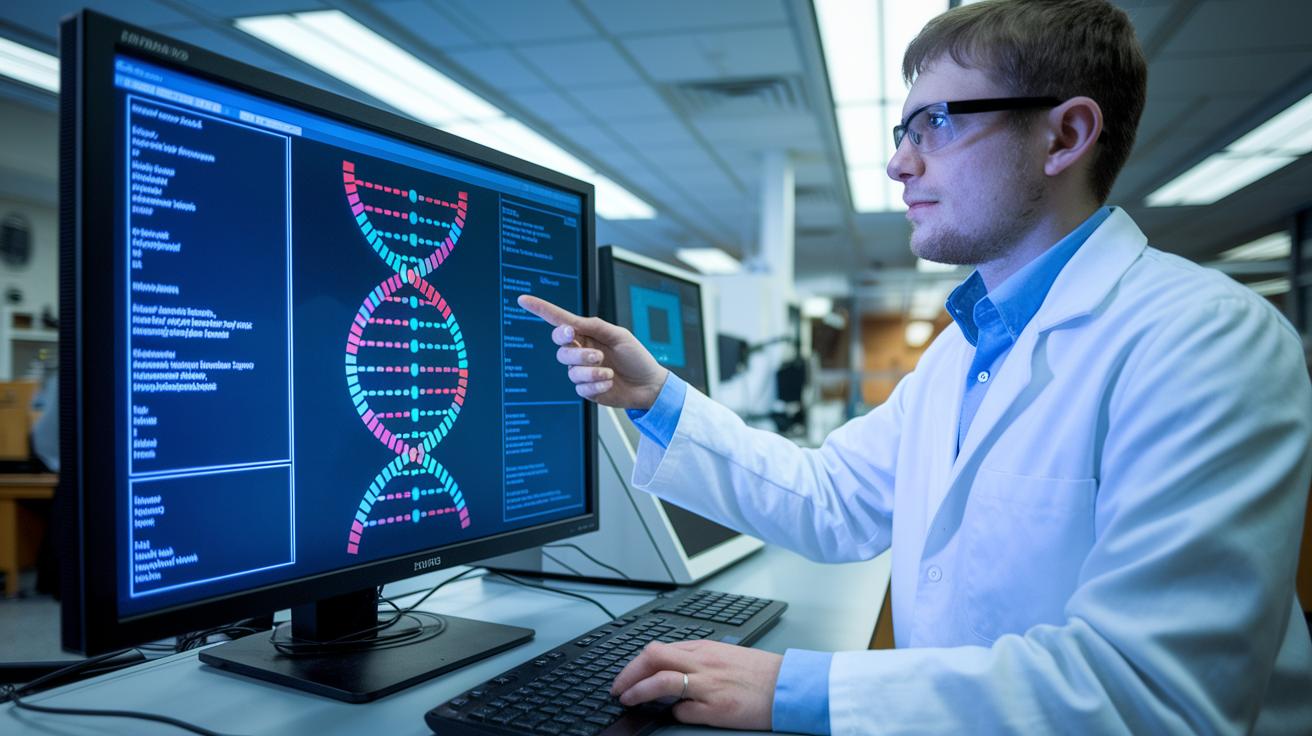
Personalized and precision medicine offer a fresh approach that tailors treatments to fit each person’s unique genetic makeup, lifestyle, and environment. This means that instead of using a one-size-fits-all method, doctors can match the right medicine and dose to your body. The result? Better treatment outcomes and fewer side effects. Imagine reducing unnecessary drug use and avoiding the guesswork that often comes with traditional treatment plans. This method not only makes treatments safer but could also lower costs by eliminating trial-and-error methods.

However, these exciting advances aren’t without challenges. For one, many early studies still need to prove that these personalized methods consistently lead to long-term improvements. With the rise in genetic testing, keeping patient data safe is more important than ever. Regulators are also trying to catch up with these rapid changes, which can slow down their widespread adoption. And then there’s the issue of high costs, which may make these advanced diagnostics and treatments less accessible. Balancing the clear benefits with these hurdles is key to building a system that’s both innovative and responsibly managed.

Benefit Challenge
Enhanced treatment efficacy Evidence gaps needing further outcome-based studies
Reduced adverse side effects Growing concerns over genomic data privacy
Potential cost savings from targeted care Complex, evolving regulatory oversight
More tailored, individual care quality High costs of implementation

Future Directions in Personalized vs Precision Medicine

img-3.jpg

Artificial intelligence and machine learning are starting to transform how we understand our genetic risks and choose treatments that work best for us. Imagine a system that takes your unique genetic info and lifestyle details to suggest the right therapy at just the right time, pretty much like chatting with a trusted friend who knows your health inside and out. These smart tools help cut down on guesswork, guiding doctors to decisions that really match what you need.

Integration of different types of biological data, like genomics (the study of your genes), proteomics (the study of proteins), and metabolomics (tracking chemical processes in your body), is giving doctors a sharper look at what makes each group of patients unique. Think of it like fine-tuning a high-performance engine, where even small differences can be noticed and adjusted. Plus, digital health tools such as telemedicine and wearable sensors are quickly becoming part of the picture. These everyday devices are now stepping up as powerful health monitors, keeping an eye on treatment progress even when you’re at home.

Adaptive clinical trial designs and real-world evidence platforms are set to take these advances further. Picture a research trial that changes its focus as new patient data comes in, making studies more flexible and connected with real-life outcomes. In short, this exciting blend of cutting-edge technology and dynamic research formats is paving the way for health care that’s not only smarter but also truly tailored to each person.

Final Words

In the action, we saw how personalized vs precision medicine reshapes care by matching treatments to a patient’s unique genetic and environmental makeup. The discussion touched on historical shifts, practical uses in conditions like cancer and autism, and the tech driving these advances.

Every insight brings us closer to safer, more efficient practices. The future looks bright with emerging AI trends and multi-omics research, opening new doors for balanced, evidence-based care.

FAQ

Precision medicine example

A precision medicine example involves using genetic profiling to select treatments tailored to an individual’s unique genetic markers, environmental factors, and lifestyle, often seen in targeted cancer therapies that aim for better outcomes with fewer side effects.

What is personalized medicine?

Personalized medicine means designing treatment plans that reflect a patient’s specific genetic, environmental, and lifestyle factors, moving away from generic protocols to improve diagnosis and treatment effectiveness.

What are personalized medicine examples?

Personalized medicine examples include adjusting medication dosages based on genetic tests, using molecular diagnostics to select targeted cancer therapies, and refining treatments for rare conditions through patient-specific data analysis.

What are the benefits of precision medicine?

The benefits of precision medicine are enhanced treatment accuracy, reduced adverse effects, and improved cost-efficiency by matching patients with therapies that align with their unique genetic profile and overall health picture.

What does the Precision Medicine Initiative refer to?

The Precision Medicine Initiative refers to a 2015 effort that spurred advancements in individualized care by bringing together genetic, environmental, and lifestyle data, helping clinicians select more effective, targeted treatments.

Is personalized medicine the same as precision medicine?

Personalized medicine is the same as precision medicine, with both terms describing treatment strategies that tailor therapies to a patient’s unique genetic and life circumstances, ensuring care is as specific as possible.

What is personalized and precision healthcare?

Personalized and precision healthcare combine patient-specific genetic, environmental, and lifestyle information to guide tailored treatment decisions, aiming to increase diagnostic accuracy and treatment success while reducing unnecessary side effects.

What is an example of precision medicine in cancer?

An example of precision medicine in cancer is using tumor genetic profiling to determine the most effective targeted therapy, which helps to minimize side effects and improve treatment outcomes compared to standard chemotherapy.

What are precision medicine side effects?

Precision medicine often results in side effects that are milder because treatments are customized to a patient’s genetic and biological profile, which minimizes the risk of reactions typically seen in one-size-fits-all therapies.

What is a Precision Medicine PDF?

A Precision Medicine PDF is a document that compiles research findings, case studies, and guidelines on tailoring treatments using genetic and molecular data, offering healthcare professionals an in-depth resource on individualized care.

Have you ever noticed that one treatment can work wonders for a friend while barely making a difference for you? Personalized medicine is all about matching treatments to your unique traits, like your genes (the instructions that make you, you), your daily habits, and even your environment.

Doctors now adjust your care just as you might fine-tune a favorite song on the radio. They work carefully to lessen unwanted side effects and boost the benefits you receive. In short, this modern approach to medicine means that your care is designed specifically for you, opening the door to a healthier, brighter future.

personalized vs precision medicine: Bright Future Ahead

Imagine a treatment plan as unique as your fingerprint. Personalized medicine, later called precision medicine after the 2015 initiative, creates therapies that fit your personal genetic makeup, your environment, and your lifestyle. In other words, your care is as distinctive as you are.

Doctors now tailor every detail of a treatment. For example, someone with asthma might have their medicine adjusted based on their exposure to allergens and daily habits. This careful fine-tuning means less risk of side effects and more accurate care, thanks to blending years of clinical know-how with modern genetic testing.

Think of it like updating a plan as you go along. With ongoing assessments, treatments continue to evolve, making them safer and more effective. It’s a friendly move towards care that truly fits your life, promising a brighter, healthier future for everyone.

Historical Evolution of Personalized and Precision Medicine

img-1.jpg

In 2015, a big change happened when the Precision Medicine Initiative shifted how we design treatments. Before then, doctors often used a trial-and-error method, kind of like trying out different ingredients in a recipe without a clear guide. Surprising as it may seem, they once relied on broad prescriptions that didn’t leave much room for personal differences. Now, with molecular profiling (a way to look closely at your genetic details), therapies get fine-tuned to match your unique DNA, environment, and lifestyle.

By bringing together clinical facts, medicine data, and even social and economic clues, doctors moved beyond guesswork. This blend of information creates a clear map that helps choose the best treatment for you. Advances in molecular research nudged the medical world away from one-size-fits-all answers toward targeted, personalized strategies. Scientists began using modern tools to explore genetic markers, tiny hints in your genes, which now make treatments more effective and reliable.

Think of it like perfecting a family recipe by adding just the right spice; experts mix various data points to craft a treatment uniquely for you. This evolving approach keeps reshaping healthcare, making sure that every plan is as one-of-a-kind as the person receiving it.

Clinical Applications of Personalized vs Precision Medicine

Precision medicine is changing how we care for patients with cancer and brain disorders. In simple terms, doctors now use genetic tests, small clues from your own body, to choose medicines that work best for you. Imagine a lung cancer patient whose tumor has a unique mutation. Doctors can target that exact change, which may reduce side effects and give a better chance at a longer life.

When dealing with conditions like Alzheimer’s or Parkinson’s, this approach also helps catch tiny early changes. That way, treatments can be adjusted early to slow down the disease. This not only eases the strain on patients and their families, it also saves on healthcare costs when millions of people face illnesses like cancer each year.

The same careful methods work for rare diseases and conditions like cystic fibrosis. Studies show that when doctors use precision tests, they can create special treatments that help improve breathing and overall quality of life. In autism care, understanding a child’s unique behavior and genes can lead to therapies that fit just right, less chance of side effects and more support for learning and communication. Think about an autistic child whose therapy is planned after studying their specific genetic markers; it’s a smart, thoughtful way to help them thrive.

Emerging tools like genomics (the study of your genes) and proteomics (looking at proteins in your body) let doctors see the tiniest details of a person’s health. These insights help choose the right medicine and adjust doses along the way, turning complex data into simple, everyday care decisions. Precision medicine connects the latest science with the care you get each day, offering a bright, promising path for patients everywhere.

Technologies Driving Personalized and Precision Medicine

img-2.jpg

Recent advances in genomic sequencing have made personalized treatment more accessible than ever. With whole-genome and targeted panels now affordable, doctors routinely turn to next generation sequencing to quickly uncover the genetic details that matter most for your care. This fresh approach gathers key insights about your unique genetic blueprint, guiding treatment decisions that fit you perfectly by blending clinical facts with medical, pharmaceutical, and even social factors.

Think of liquid biopsies as a non-invasive window into early cancer detection. These smart tools pick up tiny shifts in cancer cells without any burdensome procedures, and when combined with electronic health records and cloud analytics, even help doctors adjust treatments in real time based on the latest findings.

Large-scale data from many sources is also changing the game. By comparing genetic markers along with supportive data, healthcare professionals use big data analytics to match the best therapies to each individual, and even predict how well a treatment might work. In short, this powerful tech transforms complex biological information into clear, practical health decisions tailored just for you.

Benefits and Challenges in Personalized vs Precision Medicine

Personalized and precision medicine offer a fresh approach that tailors treatments to fit each person’s unique genetic makeup, lifestyle, and environment. This means that instead of using a one-size-fits-all method, doctors can match the right medicine and dose to your body. The result? Better treatment outcomes and fewer side effects. Imagine reducing unnecessary drug use and avoiding the guesswork that often comes with traditional treatment plans. This method not only makes treatments safer but could also lower costs by eliminating trial-and-error methods.

However, these exciting advances aren’t without challenges. For one, many early studies still need to prove that these personalized methods consistently lead to long-term improvements. With the rise in genetic testing, keeping patient data safe is more important than ever. Regulators are also trying to catch up with these rapid changes, which can slow down their widespread adoption. And then there’s the issue of high costs, which may make these advanced diagnostics and treatments less accessible. Balancing the clear benefits with these hurdles is key to building a system that’s both innovative and responsibly managed.

Benefit Challenge
Enhanced treatment efficacy Evidence gaps needing further outcome-based studies
Reduced adverse side effects Growing concerns over genomic data privacy
Potential cost savings from targeted care Complex, evolving regulatory oversight
More tailored, individual care quality High costs of implementation

Future Directions in Personalized vs Precision Medicine

img-3.jpg

Artificial intelligence and machine learning are starting to transform how we understand our genetic risks and choose treatments that work best for us. Imagine a system that takes your unique genetic info and lifestyle details to suggest the right therapy at just the right time, pretty much like chatting with a trusted friend who knows your health inside and out. These smart tools help cut down on guesswork, guiding doctors to decisions that really match what you need.

Integration of different types of biological data, like genomics (the study of your genes), proteomics (the study of proteins), and metabolomics (tracking chemical processes in your body), is giving doctors a sharper look at what makes each group of patients unique. Think of it like fine-tuning a high-performance engine, where even small differences can be noticed and adjusted. Plus, digital health tools such as telemedicine and wearable sensors are quickly becoming part of the picture. These everyday devices are now stepping up as powerful health monitors, keeping an eye on treatment progress even when you’re at home.

Adaptive clinical trial designs and real-world evidence platforms are set to take these advances further. Picture a research trial that changes its focus as new patient data comes in, making studies more flexible and connected with real-life outcomes. In short, this exciting blend of cutting-edge technology and dynamic research formats is paving the way for health care that’s not only smarter but also truly tailored to each person.

Final Words

In the action, we saw how personalized vs precision medicine reshapes care by matching treatments to a patient’s unique genetic and environmental makeup. The discussion touched on historical shifts, practical uses in conditions like cancer and autism, and the tech driving these advances.

Every insight brings us closer to safer, more efficient practices. The future looks bright with emerging AI trends and multi-omics research, opening new doors for balanced, evidence-based care.

FAQ

Precision medicine example

A precision medicine example involves using genetic profiling to select treatments tailored to an individual’s unique genetic markers, environmental factors, and lifestyle, often seen in targeted cancer therapies that aim for better outcomes with fewer side effects.

What is personalized medicine?

Personalized medicine means designing treatment plans that reflect a patient’s specific genetic, environmental, and lifestyle factors, moving away from generic protocols to improve diagnosis and treatment effectiveness.

What are personalized medicine examples?

Personalized medicine examples include adjusting medication dosages based on genetic tests, using molecular diagnostics to select targeted cancer therapies, and refining treatments for rare conditions through patient-specific data analysis.

What are the benefits of precision medicine?

The benefits of precision medicine are enhanced treatment accuracy, reduced adverse effects, and improved cost-efficiency by matching patients with therapies that align with their unique genetic profile and overall health picture.

What does the Precision Medicine Initiative refer to?

The Precision Medicine Initiative refers to a 2015 effort that spurred advancements in individualized care by bringing together genetic, environmental, and lifestyle data, helping clinicians select more effective, targeted treatments.

Is personalized medicine the same as precision medicine?

Personalized medicine is the same as precision medicine, with both terms describing treatment strategies that tailor therapies to a patient’s unique genetic and life circumstances, ensuring care is as specific as possible.

What is personalized and precision healthcare?

Personalized and precision healthcare combine patient-specific genetic, environmental, and lifestyle information to guide tailored treatment decisions, aiming to increase diagnostic accuracy and treatment success while reducing unnecessary side effects.

What is an example of precision medicine in cancer?

An example of precision medicine in cancer is using tumor genetic profiling to determine the most effective targeted therapy, which helps to minimize side effects and improve treatment outcomes compared to standard chemotherapy.

What are precision medicine side effects?

Precision medicine often results in side effects that are milder because treatments are customized to a patient’s genetic and biological profile, which minimizes the risk of reactions typically seen in one-size-fits-all therapies.

What is a Precision Medicine PDF?

A Precision Medicine PDF is a document that compiles research findings, case studies, and guidelines on tailoring treatments using genetic and molecular data, offering healthcare professionals an in-depth resource on individualized care.

More from author

LEAVE A REPLY

Please enter your comment!
Please enter your name here

Related posts

Advertismentspot_img

Latest posts

How To Create A Daily Wellness Routine: Thriving

Curious about how to create a daily wellness routine that transforms your mornings and days? Read on as secrets await…

2 Daily Wellness Drink Tips For Radiance

Experience a daily wellness drink with natural herbs, green ingredients, and clinical backing that might change your routine forever, stay tuned.

Daily Wellness: Elevate Your Everyday Vitality

Daily wellness transforms everyday routines into mindful adjustments, merging nutrition, movement, and restorative sleep. What unforeseen practice awaits you next?

Want to stay up to date with the latest news?

We would love to hear from you! Please fill in your details and we will stay in touch. It's that simple!