2 What Is Whey Protein: Boost Your Energy

Ever wonder if a simple shake could give you a natural boost and help speed up your workout recovery?

Whey protein isn’t just another supplement. It comes right from milk and delivers important amino acids (the building blocks your body needs), kind of like a fresh burst of natural energy.

Imagine treating your muscles to a little snack after your workout, helping them get the steady energy and support they need to grow.

In this article, we’ll talk about how whey protein can increase your energy and support muscle repair, leaving you feeling stronger and ready for whatever comes next.

what is whey protein: Boost Your Energy

Whey protein comes straight from milk, it’s made up of eight proteins that naturally reside in the watery part left over after milk curdles to make cheese. When milk turns into cheese, the curds are separated and what remains is whey, a liquid rich in proteins. It’s a bit like squeezing oranges for juice: you extract the goodness for a concentrated burst of energy and support.

Brimming with all nine essential amino acids (the basic building blocks your muscles need), whey protein is a natural helper for repairing and growing muscle. It’s absorbed super fast, so after a workout, it feels like your muscles get a quick, energizing snack that helps them bounce back. Imagine that satisfying rush of recovery immediately following exercise, whey protein offers that boost, supporting steady energy levels and overall well-being.

Types of Whey Protein and Key Processing Techniques

img-1.jpg

There are several types of whey protein designed to match different dietary needs and fitness goals. These proteins come from varied processing methods that include special filtering techniques and enzyme-based breakdown. In simple terms, these methods tweak the protein’s makeup, reduce lactose, and boost purity, all while keeping those beneficial nutrients intact.

Whey Protein Concentrate

Whey Protein Concentrate usually packs around 70–80% protein, along with moderate amounts of lactose and fat. It’s a favorite choice for anyone who wants a balanced dairy protein that still brings along the natural goodness of milk. Imagine a supplement that not only supports muscle repair but also delivers a touch of creamy dairy comfort.

Whey Protein Isolate

Whey Protein Isolate is made using ultrafiltration, a method that leaves you with over 90% pure protein and very little lactose. This makes it perfect for people who are sensitive to lactose or simply want a leaner, more concentrated protein boost. Think of it as a clean, powerful hit of protein that fuels your muscles efficiently.

Whey Protein Hydrolysate

Whey Protein Hydrolysate goes through enzymatic hydrolysis, a process that breaks down the protein into smaller pieces called peptides. This breakdown allows your body to absorb the protein faster, making it a top pick when you need quick muscle recovery, even though it might come with a slightly higher price tag.

Type Protein % Lactose Content
Whey Protein Concentrate 70–80% Moderate
Whey Protein Isolate >90% Low
Whey Protein Hydrolysate ~80% Very Low

Nutritional Benefits of Whey Protein: Amino Acids, Muscle Support, and Satiety

Nutrients power our bodies and help us get through daily life. Whey protein is special because it packs a robust mix of essential amino acids, those building blocks our muscles need to repair and grow. When you work out, your muscles are hungry for these important nutrients. Whey protein quickly delivers them so your muscles can bounce back faster. It’s like having a ready-to-use boost that not only supports muscle repair but also keeps you feeling full between meals.

  • Provides a complete set of essential amino acids for muscle repair
  • Rich in leucine, which kick-starts protein synthesis (the process that helps build new muscle)
  • Digests and absorbs faster than many other proteins
  • Offers extra satiety, which might help with weight loss
  • Contains extra growth-factor peptides that may support your immune system

This means whey protein is a helpful supplement whether you’re working to build lean muscle or just wanting to keep hunger at bay. Imagine finishing a workout and feeling confident that your muscles are getting the vital nutrients they need, almost like charging your phone when it’s nearly dead. You might notice better muscle tone, increased strength, and a natural energy boost. With its well-rounded benefits, whey protein can make daily activities easier and workouts feel even more rewarding.

How to Use Whey Protein: Dosage, Timing, and Dietary Integration

img-2.jpg

Most folks usually get great results with one to two scoops a day, roughly 25–50 grams of protein. Think of a scoop as a little boost added to your everyday meals, steadily helping build your muscles over time.

It’s helpful to take whey protein around your workout. While some people sip a little before starting to get energized, the best window is about 30 to 60 minutes after finishing your exercise. This timing supports muscle repair and eases fatigue, much like refueling your car right after a long journey so it’s ready to hit the road again.

Whey protein slips easily into your daily routine. You can stir it into a shake, mix it into your oatmeal, or even blend it into recipes for baked treats. It’s a simple add-on that ups your protein intake without changing the taste or texture of your food.

Potential Risks and Considerations with Whey Protein

Whey protein is safe for most people, but if you have a dairy allergy or trouble with lactose (the sugar in milk), it might cause problems. For example, if you're allergic to dairy, a whey shake might leave your skin red and itchy. And if your stomach doesn't like lactose, you might feel bloated or get stomach cramps and gas.

If you already have kidney or liver issues, adding extra protein can be a concern. Most folks with healthy organs won’t have any trouble, but if your kidneys or liver aren't working perfectly, more protein might put extra stress on your body. In short, if you have any ongoing issues, it's a smart idea to talk with your doctor before adding whey protein to your diet.

It’s best to start with a smaller amount and see how your body reacts. If you notice digestive discomfort or other unusual symptoms that stick around, it’s time to consult a healthcare professional for advice.

Comparing Whey Protein to Plant-Based Alternatives
img-3.jpg

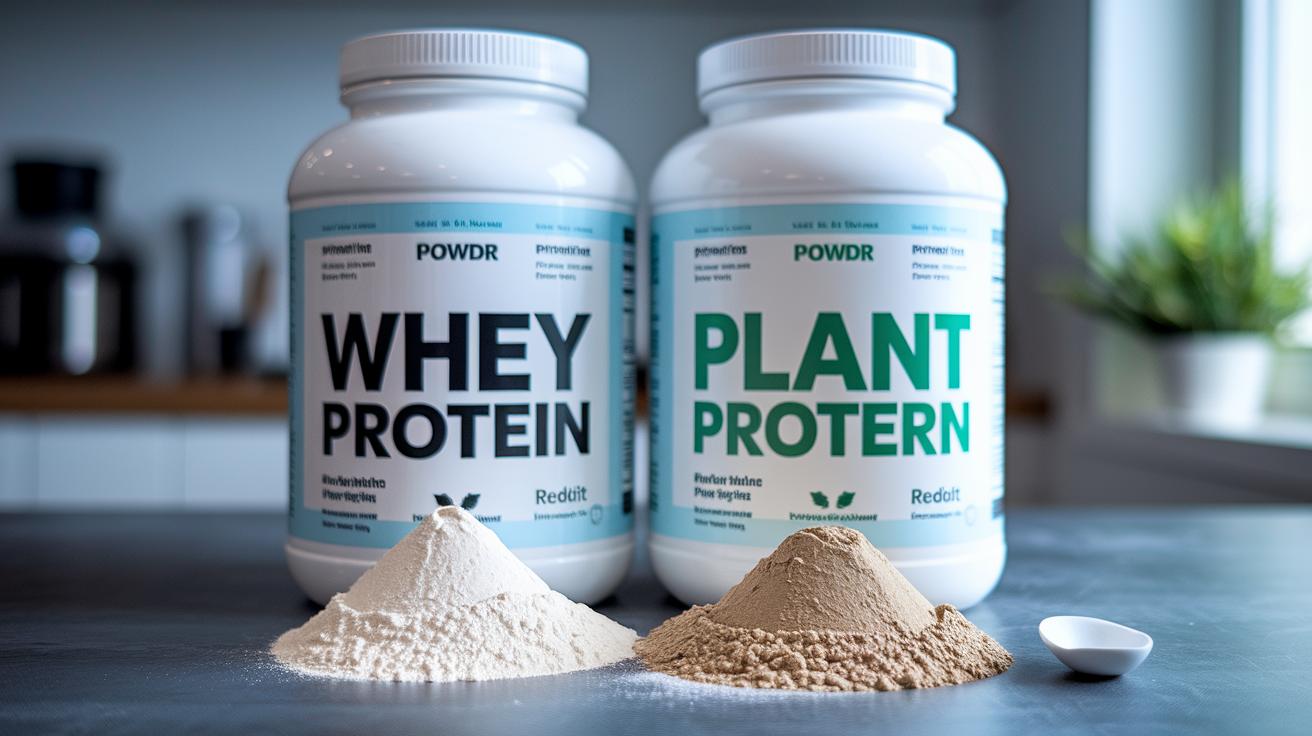
Whey protein is loved for its complete set of amino acids, the nine essential building blocks our muscles need for repair and growth. It’s like giving your body a fast-charging battery, thanks to its high bioavailability. On the flip side, many plant proteins from pea, rice, or soy often miss one or more of these key amino acids. They do have their perks, but they usually don’t absorb as quickly, which might mean you have to eat more to get the same boost.

When you look at the environmental side of things, whey does come with a bigger carbon footprint because dairy production can be resource-heavy. Plant proteins, however, are often grown and processed using fewer resources, putting less strain on the environment. It’s a bit like choosing between a high-powered sports car and a fuel-efficient vehicle: one gives an immediate thrill, while the other takes a gentler toll on the planet.

In short, your choice might hinge on your personal goals and lifestyle. If quick muscle recovery and nutrient-packed support are what you need, whey protein could be your go-to. But if you’re leaning toward a more sustainable and vegan option, plant-based proteins are definitely worth considering.

Final Words

In the action, we explored what is whey protein, breaking down its origin in milk, its types, and how each serves your body. We covered key benefits like muscle repair support and satiety, alongside practical tips for use and mindful considerations. The post also compared whey with plant-based proteins, helping you make a solid health choice. Remember, small shifts in your daily routine can lead to a balanced, healthier life. Stay positive and keep taking informed steps toward your wellness goals.

FAQ

What is whey protein isolate?

Whey protein isolate is a highly filtered form that removes most fats and lactose, offering over 90% protein for rapid absorption and muscle repair support.

What are the side effects of whey protein, including kidney concerns?

Whey protein side effects may include digestive discomfort or allergic reactions in those with dairy sensitivities, and individuals with existing kidney issues should consult a healthcare provider before use.

What are the benefits of whey protein, especially for females?

Whey protein benefits include a complete amino-acid profile for muscle repair, improved recovery after exercise, and enhanced satiety, which can be particularly useful for women seeking lean muscle gains and balanced nutrition.

Is whey protein vegetarian and what is whey protein powder?

Whey protein, sourced from milk, is vegetarian-friendly for dairy consumers, while whey protein powder is the dried, concentrated form of whey used as an easy supplement to boost daily protein intake.

What is the difference between whey protein and regular protein?

Whey protein is a complete, fast-digesting dairy protein rich in essential amino acids, whereas regular protein may refer to various sources with different absorption rates and nutrient profiles.

What is whey protein made of?

Whey protein is made of a mix of eight proteins isolated from the liquid separated during cheese making and contains all nine essential amino acids needed for muscle maintenance and body repair.

What are the benefits of taking whey protein?

Taking whey protein enhances muscle recovery and growth, supports rapid post-workout repair, and helps increase satiety, making it a practical addition to a balanced dietary routine.

Ever wonder if a simple shake could give you a natural boost and help speed up your workout recovery?

Whey protein isn’t just another supplement. It comes right from milk and delivers important amino acids (the building blocks your body needs), kind of like a fresh burst of natural energy.

Imagine treating your muscles to a little snack after your workout, helping them get the steady energy and support they need to grow.

In this article, we’ll talk about how whey protein can increase your energy and support muscle repair, leaving you feeling stronger and ready for whatever comes next.

what is whey protein: Boost Your Energy

Whey protein comes straight from milk, it’s made up of eight proteins that naturally reside in the watery part left over after milk curdles to make cheese. When milk turns into cheese, the curds are separated and what remains is whey, a liquid rich in proteins. It’s a bit like squeezing oranges for juice: you extract the goodness for a concentrated burst of energy and support.

Brimming with all nine essential amino acids (the basic building blocks your muscles need), whey protein is a natural helper for repairing and growing muscle. It’s absorbed super fast, so after a workout, it feels like your muscles get a quick, energizing snack that helps them bounce back. Imagine that satisfying rush of recovery immediately following exercise, whey protein offers that boost, supporting steady energy levels and overall well-being.

Types of Whey Protein and Key Processing Techniques

img-1.jpg

There are several types of whey protein designed to match different dietary needs and fitness goals. These proteins come from varied processing methods that include special filtering techniques and enzyme-based breakdown. In simple terms, these methods tweak the protein’s makeup, reduce lactose, and boost purity, all while keeping those beneficial nutrients intact.

Whey Protein Concentrate

Whey Protein Concentrate usually packs around 70–80% protein, along with moderate amounts of lactose and fat. It’s a favorite choice for anyone who wants a balanced dairy protein that still brings along the natural goodness of milk. Imagine a supplement that not only supports muscle repair but also delivers a touch of creamy dairy comfort.

Whey Protein Isolate

Whey Protein Isolate is made using ultrafiltration, a method that leaves you with over 90% pure protein and very little lactose. This makes it perfect for people who are sensitive to lactose or simply want a leaner, more concentrated protein boost. Think of it as a clean, powerful hit of protein that fuels your muscles efficiently.

Whey Protein Hydrolysate

Whey Protein Hydrolysate goes through enzymatic hydrolysis, a process that breaks down the protein into smaller pieces called peptides. This breakdown allows your body to absorb the protein faster, making it a top pick when you need quick muscle recovery, even though it might come with a slightly higher price tag.

Type Protein % Lactose Content
Whey Protein Concentrate 70–80% Moderate
Whey Protein Isolate >90% Low
Whey Protein Hydrolysate ~80% Very Low

Nutritional Benefits of Whey Protein: Amino Acids, Muscle Support, and Satiety

Nutrients power our bodies and help us get through daily life. Whey protein is special because it packs a robust mix of essential amino acids, those building blocks our muscles need to repair and grow. When you work out, your muscles are hungry for these important nutrients. Whey protein quickly delivers them so your muscles can bounce back faster. It’s like having a ready-to-use boost that not only supports muscle repair but also keeps you feeling full between meals.

  • Provides a complete set of essential amino acids for muscle repair
  • Rich in leucine, which kick-starts protein synthesis (the process that helps build new muscle)
  • Digests and absorbs faster than many other proteins
  • Offers extra satiety, which might help with weight loss
  • Contains extra growth-factor peptides that may support your immune system

This means whey protein is a helpful supplement whether you’re working to build lean muscle or just wanting to keep hunger at bay. Imagine finishing a workout and feeling confident that your muscles are getting the vital nutrients they need, almost like charging your phone when it’s nearly dead. You might notice better muscle tone, increased strength, and a natural energy boost. With its well-rounded benefits, whey protein can make daily activities easier and workouts feel even more rewarding.

How to Use Whey Protein: Dosage, Timing, and Dietary Integration

img-2.jpg

Most folks usually get great results with one to two scoops a day, roughly 25–50 grams of protein. Think of a scoop as a little boost added to your everyday meals, steadily helping build your muscles over time.

It’s helpful to take whey protein around your workout. While some people sip a little before starting to get energized, the best window is about 30 to 60 minutes after finishing your exercise. This timing supports muscle repair and eases fatigue, much like refueling your car right after a long journey so it’s ready to hit the road again.

Whey protein slips easily into your daily routine. You can stir it into a shake, mix it into your oatmeal, or even blend it into recipes for baked treats. It’s a simple add-on that ups your protein intake without changing the taste or texture of your food.

Potential Risks and Considerations with Whey Protein

Whey protein is safe for most people, but if you have a dairy allergy or trouble with lactose (the sugar in milk), it might cause problems. For example, if you're allergic to dairy, a whey shake might leave your skin red and itchy. And if your stomach doesn't like lactose, you might feel bloated or get stomach cramps and gas.

If you already have kidney or liver issues, adding extra protein can be a concern. Most folks with healthy organs won’t have any trouble, but if your kidneys or liver aren't working perfectly, more protein might put extra stress on your body. In short, if you have any ongoing issues, it's a smart idea to talk with your doctor before adding whey protein to your diet.

It’s best to start with a smaller amount and see how your body reacts. If you notice digestive discomfort or other unusual symptoms that stick around, it’s time to consult a healthcare professional for advice.

Comparing Whey Protein to Plant-Based Alternatives

img-3.jpg

Whey protein is loved for its complete set of amino acids, the nine essential building blocks our muscles need for repair and growth. It’s like giving your body a fast-charging battery, thanks to its high bioavailability. On the flip side, many plant proteins from pea, rice, or soy often miss one or more of these key amino acids. They do have their perks, but they usually don’t absorb as quickly, which might mean you have to eat more to get the same boost.

When you look at the environmental side of things, whey does come with a bigger carbon footprint because dairy production can be resource-heavy. Plant proteins, however, are often grown and processed using fewer resources, putting less strain on the environment. It’s a bit like choosing between a high-powered sports car and a fuel-efficient vehicle: one gives an immediate thrill, while the other takes a gentler toll on the planet.

In short, your choice might hinge on your personal goals and lifestyle. If quick muscle recovery and nutrient-packed support are what you need, whey protein could be your go-to. But if you’re leaning toward a more sustainable and vegan option, plant-based proteins are definitely worth considering.

Final Words

In the action, we explored what is whey protein, breaking down its origin in milk, its types, and how each serves your body. We covered key benefits like muscle repair support and satiety, alongside practical tips for use and mindful considerations. The post also compared whey with plant-based proteins, helping you make a solid health choice. Remember, small shifts in your daily routine can lead to a balanced, healthier life. Stay positive and keep taking informed steps toward your wellness goals.

FAQ

What is whey protein isolate?

Whey protein isolate is a highly filtered form that removes most fats and lactose, offering over 90% protein for rapid absorption and muscle repair support.

What are the side effects of whey protein, including kidney concerns?

Whey protein side effects may include digestive discomfort or allergic reactions in those with dairy sensitivities, and individuals with existing kidney issues should consult a healthcare provider before use.

What are the benefits of whey protein, especially for females?

Whey protein benefits include a complete amino-acid profile for muscle repair, improved recovery after exercise, and enhanced satiety, which can be particularly useful for women seeking lean muscle gains and balanced nutrition.

Is whey protein vegetarian and what is whey protein powder?

Whey protein, sourced from milk, is vegetarian-friendly for dairy consumers, while whey protein powder is the dried, concentrated form of whey used as an easy supplement to boost daily protein intake.

What is the difference between whey protein and regular protein?

Whey protein is a complete, fast-digesting dairy protein rich in essential amino acids, whereas regular protein may refer to various sources with different absorption rates and nutrient profiles.

What is whey protein made of?

Whey protein is made of a mix of eight proteins isolated from the liquid separated during cheese making and contains all nine essential amino acids needed for muscle maintenance and body repair.

What are the benefits of taking whey protein?

Taking whey protein enhances muscle recovery and growth, supports rapid post-workout repair, and helps increase satiety, making it a practical addition to a balanced dietary routine.

More from author

LEAVE A REPLY

Please enter your comment!
Please enter your name here

Related posts

Advertismentspot_img

Latest posts

How To Create A Daily Wellness Routine: Thriving

Curious about how to create a daily wellness routine that transforms your mornings and days? Read on as secrets await…

2 Daily Wellness Drink Tips For Radiance

Experience a daily wellness drink with natural herbs, green ingredients, and clinical backing that might change your routine forever, stay tuned.

Daily Wellness: Elevate Your Everyday Vitality

Daily wellness transforms everyday routines into mindful adjustments, merging nutrition, movement, and restorative sleep. What unforeseen practice awaits you next?

Want to stay up to date with the latest news?

We would love to hear from you! Please fill in your details and we will stay in touch. It's that simple!