Drug Management Of Diabetes: Clear Medical Insights

Are you ready to rethink what you know about diabetes medication? Recent updates from the FDA (the agency in charge of keeping drugs safe) have made many people pause and talk with their doctors about their treatments.

New information about managing your medications can change confusion into clear, practical steps for a healthier life. Whether you’re managing type 1 or type 2 diabetes, the right medication can really make a difference.

In short, this article shares trusted strategies to help keep your blood sugar steady and your heart safe, giving you a straight path to making informed choices about your care.

Foundations of Drug Management in Diabetes Care

In May 2020, the FDA advised removing certain extended-release metformin products because they might contain a substance suspected of causing cancer. This update has sparked real conversations between patients and their doctors about safety. For example, one patient mentioned, "I switched my medication after my doctor explained the safety updates." It really shows how vital clear, trustworthy guidance is.

Managing diabetes with medication comes down to two main approaches. For type 1 diabetes, the body makes little or no insulin, so replacing it with injections is crucial. There are different kinds of insulin, some work quickly in about 30 minutes, while others last steadily for 24 hours or more. Doctors choose based on each person’s blood sugar pattern. For type 2 diabetes, the strategy often combines pills and non-insulin injections that help the body use insulin better, lower sugar production in the liver, and improve muscle uptake of sugar.

Treatment plans target key health goals like lowering A1C levels (that long-term blood sugar marker), preventing dangerous drops in blood sugar, and keeping the heart safe over time. In practice, it means carefully weighing a drug’s action, dosing schedule, and potential side effects. For instance, a plan might start with metformin as the first option and then add other medications if needed to reach blood sugar targets.

This evidence-based approach to glycemic therapy marries the latest safety insights with everyday treatment practices, so patients feel secure and supported in managing their diabetes.

Insulin Regimen Optimization in Diabetes Drug Management
img-1.jpg

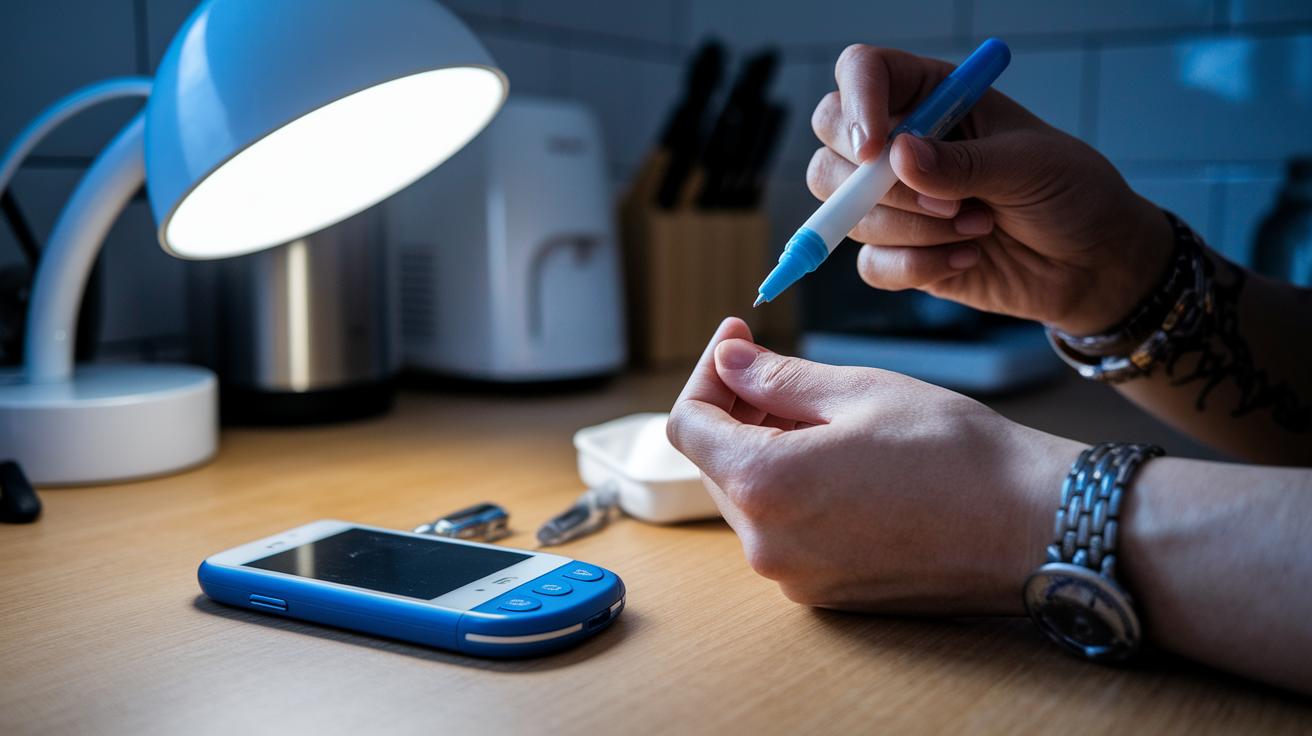
Optimizing your insulin therapy means selecting the right type and fine-tuning your doses based on your daily blood sugar checks. For those with type 1 diabetes, insulin is absolutely essential, and it can be just as important for people with type 2 diabetes when managing more intensive care. There are different insulin types, and each one comes with its own timing guidelines to help tailor treatment to your unique needs.

Rapid- and Short-Acting Insulins

Rapid-acting insulin usually starts working in about 15 minutes. It peaks within 1 to 2 hours and keeps working for roughly 2 to 4 hours, making it ideal for use right before meals to quickly lower high blood sugar levels. Short-acting insulin, on the other hand, kicks in around 30 minutes after injection, reaches its highest effect between 2 and 3 hours, and lasts for about 3 to 6 hours. These are often used for correcting high sugar levels or as a premeal shot. For instance, imagine someone tweaking their rapid-acting dose just before a big meal and then noticing a smoother blood sugar response afterward. Timing is key here, so pairing your injections with meal schedules and regular self-checks really helps.

Intermediate- and Long-Acting Insulins

Intermediate-acting insulin generally takes effect within 2 to 4 hours, peaks at about 12 hours, and maintains its effect for 12 to 18 hours. It’s usually used to fill in the gaps for your basic daily or overnight insulin needs. Long-acting insulin works a bit differently, it provides a steady level for up to 24 hours or more without a noticeable peak, creating a consistent baseline for your treatment. Additionally, some patients use premixed insulins like NovoLog Mix 70/30, which combine short- and intermediate-acting insulins in a fixed ratio that can simplify dosing. Sometimes, your treatment plan might be adjusted by adding mealtime doses to your baseline insulin or tweaking the mix based on your blood sugar readings, all with the goal of balancing quick corrections with steady, round-the-clock control to meet your personal A1C targets.

Oral Agents in Diabetes Drug Management: Mechanisms and Clinical Use

Oral diabetes medications are like little helpers that work in different ways to lower blood sugar for people with type 2 diabetes. Some help your liver produce less sugar, others prompt your body to release more insulin, and a few even help rid your body of extra sugar. Take metformin, for instance, it not only helps your muscles absorb sugar but also eases the load on your liver, contributing to an overall balance in your metabolism.

Think of these medications as versatile tools in a well-stocked health toolkit. One type, like sulfonylureas, gently encourages your pancreas to secrete more insulin. Meanwhile, DPP-4 inhibitors quietly work in the background, protecting the hormones that keep sugar levels in check over time. Doctors adjust the dosage carefully to strike a balance between getting the best results and keeping side effects manageable, like the occasional tummy upset with metformin or alpha-glucosidase inhibitors.

Below is a handy table that sums up how these drugs work, the dosing guidelines, and the common side effects you might encounter. It’s like a quick snapshot, letting you compare each medication side by side to see which tool fits your needs best:

Class Mechanism of Action Dosing & Key Points Common Side Effects
Biguanides (Metformin) Reduces liver sugar production; increases muscle uptake Usually 1–2× daily with meals Gastrointestinal upset
Sulfonylureas Stimulate insulin release from pancreatic beta cells 1–2× daily before meals Risk of low blood sugar
DPP-4 Inhibitors Help preserve hormones that lower A1C over time Once daily dosing Low risk of low blood sugar
SGLT2 Inhibitors Block kidney sugar reabsorption to boost sugar excretion Once daily dosing Genitourinary infections
TZDs Enhance insulin sensitivity; lower liver sugar output Once daily dosing Edema and weight gain
Alpha-Glucosidase Inhibitors Slow down the breakdown of carbohydrates in the gut Multiple doses with meals GI discomfort, gas, diarrhea
Meglitinides Prompt quick insulin release before meals Taken before each meal Risk of low blood sugar
Bile Acid Sequestrants Bind bile acids to help lower LDL and blood sugar Administered with meals Constipation, GI upset

Injectable Non-Insulin Therapies in Drug Management of Diabetes

img-2.jpg

GLP-1 Receptor Agonists

GLP-1 receptor agonists are injectables that are not based on insulin. They work by helping your body control blood sugar more smoothly and even support weight loss. You can choose between daily doses and weekly ones, so you can find a routine that fits your lifestyle. They mimic a natural hormone in your body that signals your cells to release insulin and slows how quickly your stomach empties. This means your blood sugar stays more balanced after you eat, much like setting a gentle timer for your body to relax and digest.

Amylinomimetic Injectable: Pramlintide

Pramlintide is another injection that you take just before meals. It slows down how fast your stomach empties, giving your body plenty of time to adjust so that blood sugar doesn’t spike too quickly. This medicine is used along with insulin for people with type 1 and type 2 diabetes. Many patients say it helps them feel more balanced throughout the day, keeping their blood sugar levels steadier after meals.

Strategies for Combination Therapy in Diabetes Drug Management

Combination therapy can be a really useful way to tailor treatment for those living with diabetes. One popular method is to kick things off with metformin alongside a DPP-4 inhibitor right after diagnosis. This early duo not only helps lower high blood sugar quickly but also works to prevent complications down the road. A patient shared, "I began dual therapy with metformin and a DPP-4 inhibitor, and my A1C levels dropped steadily over a few months."

When deciding on treatment, doctors usually take things step by step. They begin with metformin to set a strong foundation. If blood sugar still isn’t where it should be, they might add another medication, either an extra pill like a DPP-4 inhibitor or an injection such as a GLP-1 receptor agonist (which helps control blood sugar and can also support weight management). Many patients find that this combination does wonders.

For those already using insulin, premixed formulations can really simplify daily routines. These formulations pair long-acting (basal) and short-acting (bolus) insulins in a fixed ratio, reducing the number of injections and making it easier to manage doses throughout the day.

  • Start treatment with metformin as the first choice.
  • Consider adding another oral or injectable option if blood sugar goals are not met.
  • Use premixed insulins if both basal and mealtime coverage is needed.

By weighing the benefits of both oral and injectable options, clinicians can choose a plan that is effective in the long run. This structured, evidence-based approach not only makes diabetes management more durable but also leads to better outcomes for patients.

Balancing Safety and Cost-Effectiveness in Diabetes Drug Management

img-3.jpg

Generic metformin is a trusted choice because it’s both affordable and backed by solid research to lower blood sugar. Its long history in everyday use makes it a safe first step for many patients. At the same time, newer drugs, like branded GLP-1 receptor agonists (medications that help mimic your body’s natural hormones to improve heart health) and SGLT2 inhibitors (drugs that help your kidneys remove extra sugar), offer extra heart benefits, though they do come with a higher price tag. One patient even shared, "Switching to a GLP-1 RA boosted my heart health, even though it required a bit more budgeting."

It’s also really important to consider possible side effects when choosing diabetes medications. For example, medications such as metformin and alpha-glucosidase inhibitors might cause stomach upset or discomfort after eating. Other drugs, like sulfonylureas and meglitinides, encourage your body to release more insulin but can sometimes lead to blood sugar dropping too low. Then there are drugs like TZDs, which may cause swelling, and SGLT2 inhibitors, which can sometimes lead to infections in the urinary or genital areas.

Balancing safety and cost means looking carefully at each of these factors to create a treatment plan that fits an individual’s needs. Often, doctors review both the prices and the side effect data to help patients stick to their treatment and keep their blood sugar in a healthy range. By combining smart budgeting with careful side effect management, health professionals can guide patients toward sustainable and effective diabetes care.

Enhancing Adherence and Monitoring in Diabetes Drug Management

Creating clear, structured education and self-management plans is essential for keeping your treatment on track. When patients know exactly when to take their medications and how to monitor their progress, they feel more confident and in control of their health. One person shared, "Since starting my personalized plan, I feel empowered to adjust my doses based on daily readings."

Technology also makes a big difference here. Tools like continuous glucose monitors, mobile dosing apps, and telemedicine help patients adjust their doses in real time. These devices work hand in hand so you can quickly respond to changes in your blood sugar, giving you the comfort of knowing support is always nearby.

Simple devices like prefilled pens and insulin pumps help streamline your daily routine and lower the chance of mistakes. Additionally, reminder systems and a coordinated care team can help you never miss a dose with alerts and regular check-ins.

  • Structured patient education and self-management plans
  • Digital tools such as continuous glucose monitors, mobile dosing apps, and telemedicine
  • Practical devices like prefilled pens and insulin pumps
  • Reminder systems and a coordinated care team for steady follow-up

Together, these strategies blend clinical guidance with easy-to-use technology, making it simpler to keep your blood sugar steady every day.

Final Words

In the action of reviewing an in-depth look at diabetes care, we saw how insulin strategies, oral agents, non-insulin injectables, and combination therapies work together to target blood sugar levels. We also explored the balance between safety measures, cost considerations, and improved adherence through smart monitoring. This article offers clear insights to help guide practical steps for better health. Embracing a solid framework around drug management of diabetes can lead to a healthier, more balanced life. Enjoy taking these steps toward renewed well-being.

FAQ

What is the best medicine for diabetes and specifically for type 2 diabetes?

The best medicine for diabetes depends on individual needs; metformin is typically the first choice, lowered liver glucose production while additional agents support tailored glycemic control.

What are the top 10 diabetes medications?

The top 10 diabetes medications include metformin, sulfonylureas, DPP-4 inhibitors, SGLT2 inhibitors, TZDs, GLP-1 receptor agonists, meglitinides, alpha-glucosidase inhibitors, insulin variants, and amylin mimetics.

Is there a new pill for type 2 diabetes?

A new pill for type 2 diabetes often targets both blood sugar reduction and weight management. It reflects recent advances in medication design, requiring consultation with your healthcare provider for suitability.

Where can I find a diabetes drugs list or diabetes tablets names?

Diabetes drugs lists are available in clinical references, and common names include metformin, various sulfonylureas, DPP-4 inhibitors, SGLT2 inhibitors, and TZDs, among others used in practice.

What are the diabetes medication management guidelines?

Diabetes medication management guidelines focus on individualized therapy with clear A1C targets, hypoglycemia prevention, regular dose adjustments, and active patient–provider communication to ensure safety and efficacy.

What drugs are used to lower blood sugar in diabetes management?

A variety of drugs lower blood sugar, including insulin, metformin, sulfonylureas, DPP-4 inhibitors, SGLT2 inhibitors, and TZDs, each addressing different aspects of glycemic control.

Which drug is commonly used for managing diabetes?

Metformin is commonly used for diabetes management; it reduces liver glucose output and enhances muscle uptake, making it a central first-line treatment for type 2 diabetes.

What are the 5 M’s of diabetes management?

The 5 M’s of diabetes management typically include monitoring, medication, meals, movement, and management, outlining strategies that help maintain balanced blood sugar and overall health.

What are the top 3 drugs for diabetes?

The top 3 drugs for diabetes often include metformin, a sulfonylurea, and an additional agent like a DPP-4 inhibitor, chosen to address blood sugar targets and individual patient risk profiles.

What are the 5 anti-diabetic drugs?

The 5 anti-diabetic drug classes consist of biguanides (metformin), sulfonylureas, DPP-4 inhibitors, SGLT2 inhibitors, and TZDs, each helping to lower blood sugar through distinct mechanisms.

Are you ready to rethink what you know about diabetes medication? Recent updates from the FDA (the agency in charge of keeping drugs safe) have made many people pause and talk with their doctors about their treatments.

New information about managing your medications can change confusion into clear, practical steps for a healthier life. Whether you’re managing type 1 or type 2 diabetes, the right medication can really make a difference.

In short, this article shares trusted strategies to help keep your blood sugar steady and your heart safe, giving you a straight path to making informed choices about your care.

Foundations of Drug Management in Diabetes Care

In May 2020, the FDA advised removing certain extended-release metformin products because they might contain a substance suspected of causing cancer. This update has sparked real conversations between patients and their doctors about safety. For example, one patient mentioned, "I switched my medication after my doctor explained the safety updates." It really shows how vital clear, trustworthy guidance is.

Managing diabetes with medication comes down to two main approaches. For type 1 diabetes, the body makes little or no insulin, so replacing it with injections is crucial. There are different kinds of insulin, some work quickly in about 30 minutes, while others last steadily for 24 hours or more. Doctors choose based on each person’s blood sugar pattern. For type 2 diabetes, the strategy often combines pills and non-insulin injections that help the body use insulin better, lower sugar production in the liver, and improve muscle uptake of sugar.

Treatment plans target key health goals like lowering A1C levels (that long-term blood sugar marker), preventing dangerous drops in blood sugar, and keeping the heart safe over time. In practice, it means carefully weighing a drug’s action, dosing schedule, and potential side effects. For instance, a plan might start with metformin as the first option and then add other medications if needed to reach blood sugar targets.

This evidence-based approach to glycemic therapy marries the latest safety insights with everyday treatment practices, so patients feel secure and supported in managing their diabetes.

Insulin Regimen Optimization in Diabetes Drug Management

img-1.jpg

Optimizing your insulin therapy means selecting the right type and fine-tuning your doses based on your daily blood sugar checks. For those with type 1 diabetes, insulin is absolutely essential, and it can be just as important for people with type 2 diabetes when managing more intensive care. There are different insulin types, and each one comes with its own timing guidelines to help tailor treatment to your unique needs.

Rapid- and Short-Acting Insulins

Rapid-acting insulin usually starts working in about 15 minutes. It peaks within 1 to 2 hours and keeps working for roughly 2 to 4 hours, making it ideal for use right before meals to quickly lower high blood sugar levels. Short-acting insulin, on the other hand, kicks in around 30 minutes after injection, reaches its highest effect between 2 and 3 hours, and lasts for about 3 to 6 hours. These are often used for correcting high sugar levels or as a premeal shot. For instance, imagine someone tweaking their rapid-acting dose just before a big meal and then noticing a smoother blood sugar response afterward. Timing is key here, so pairing your injections with meal schedules and regular self-checks really helps.

Intermediate- and Long-Acting Insulins

Intermediate-acting insulin generally takes effect within 2 to 4 hours, peaks at about 12 hours, and maintains its effect for 12 to 18 hours. It’s usually used to fill in the gaps for your basic daily or overnight insulin needs. Long-acting insulin works a bit differently, it provides a steady level for up to 24 hours or more without a noticeable peak, creating a consistent baseline for your treatment. Additionally, some patients use premixed insulins like NovoLog Mix 70/30, which combine short- and intermediate-acting insulins in a fixed ratio that can simplify dosing. Sometimes, your treatment plan might be adjusted by adding mealtime doses to your baseline insulin or tweaking the mix based on your blood sugar readings, all with the goal of balancing quick corrections with steady, round-the-clock control to meet your personal A1C targets.

Oral Agents in Diabetes Drug Management: Mechanisms and Clinical Use

Oral diabetes medications are like little helpers that work in different ways to lower blood sugar for people with type 2 diabetes. Some help your liver produce less sugar, others prompt your body to release more insulin, and a few even help rid your body of extra sugar. Take metformin, for instance, it not only helps your muscles absorb sugar but also eases the load on your liver, contributing to an overall balance in your metabolism.

Think of these medications as versatile tools in a well-stocked health toolkit. One type, like sulfonylureas, gently encourages your pancreas to secrete more insulin. Meanwhile, DPP-4 inhibitors quietly work in the background, protecting the hormones that keep sugar levels in check over time. Doctors adjust the dosage carefully to strike a balance between getting the best results and keeping side effects manageable, like the occasional tummy upset with metformin or alpha-glucosidase inhibitors.

Below is a handy table that sums up how these drugs work, the dosing guidelines, and the common side effects you might encounter. It’s like a quick snapshot, letting you compare each medication side by side to see which tool fits your needs best:

Class Mechanism of Action Dosing & Key Points Common Side Effects
Biguanides (Metformin) Reduces liver sugar production; increases muscle uptake Usually 1–2× daily with meals Gastrointestinal upset
Sulfonylureas Stimulate insulin release from pancreatic beta cells 1–2× daily before meals Risk of low blood sugar
DPP-4 Inhibitors Help preserve hormones that lower A1C over time Once daily dosing Low risk of low blood sugar
SGLT2 Inhibitors Block kidney sugar reabsorption to boost sugar excretion Once daily dosing Genitourinary infections
TZDs Enhance insulin sensitivity; lower liver sugar output Once daily dosing Edema and weight gain
Alpha-Glucosidase Inhibitors Slow down the breakdown of carbohydrates in the gut Multiple doses with meals GI discomfort, gas, diarrhea
Meglitinides Prompt quick insulin release before meals Taken before each meal Risk of low blood sugar
Bile Acid Sequestrants Bind bile acids to help lower LDL and blood sugar Administered with meals Constipation, GI upset

Injectable Non-Insulin Therapies in Drug Management of Diabetes

img-2.jpg

GLP-1 Receptor Agonists

GLP-1 receptor agonists are injectables that are not based on insulin. They work by helping your body control blood sugar more smoothly and even support weight loss. You can choose between daily doses and weekly ones, so you can find a routine that fits your lifestyle. They mimic a natural hormone in your body that signals your cells to release insulin and slows how quickly your stomach empties. This means your blood sugar stays more balanced after you eat, much like setting a gentle timer for your body to relax and digest.

Amylinomimetic Injectable: Pramlintide

Pramlintide is another injection that you take just before meals. It slows down how fast your stomach empties, giving your body plenty of time to adjust so that blood sugar doesn’t spike too quickly. This medicine is used along with insulin for people with type 1 and type 2 diabetes. Many patients say it helps them feel more balanced throughout the day, keeping their blood sugar levels steadier after meals.

Strategies for Combination Therapy in Diabetes Drug Management

Combination therapy can be a really useful way to tailor treatment for those living with diabetes. One popular method is to kick things off with metformin alongside a DPP-4 inhibitor right after diagnosis. This early duo not only helps lower high blood sugar quickly but also works to prevent complications down the road. A patient shared, "I began dual therapy with metformin and a DPP-4 inhibitor, and my A1C levels dropped steadily over a few months."

When deciding on treatment, doctors usually take things step by step. They begin with metformin to set a strong foundation. If blood sugar still isn’t where it should be, they might add another medication, either an extra pill like a DPP-4 inhibitor or an injection such as a GLP-1 receptor agonist (which helps control blood sugar and can also support weight management). Many patients find that this combination does wonders.

For those already using insulin, premixed formulations can really simplify daily routines. These formulations pair long-acting (basal) and short-acting (bolus) insulins in a fixed ratio, reducing the number of injections and making it easier to manage doses throughout the day.

  • Start treatment with metformin as the first choice.
  • Consider adding another oral or injectable option if blood sugar goals are not met.
  • Use premixed insulins if both basal and mealtime coverage is needed.

By weighing the benefits of both oral and injectable options, clinicians can choose a plan that is effective in the long run. This structured, evidence-based approach not only makes diabetes management more durable but also leads to better outcomes for patients.

Balancing Safety and Cost-Effectiveness in Diabetes Drug Management

img-3.jpg

Generic metformin is a trusted choice because it’s both affordable and backed by solid research to lower blood sugar. Its long history in everyday use makes it a safe first step for many patients. At the same time, newer drugs, like branded GLP-1 receptor agonists (medications that help mimic your body’s natural hormones to improve heart health) and SGLT2 inhibitors (drugs that help your kidneys remove extra sugar), offer extra heart benefits, though they do come with a higher price tag. One patient even shared, "Switching to a GLP-1 RA boosted my heart health, even though it required a bit more budgeting."

It’s also really important to consider possible side effects when choosing diabetes medications. For example, medications such as metformin and alpha-glucosidase inhibitors might cause stomach upset or discomfort after eating. Other drugs, like sulfonylureas and meglitinides, encourage your body to release more insulin but can sometimes lead to blood sugar dropping too low. Then there are drugs like TZDs, which may cause swelling, and SGLT2 inhibitors, which can sometimes lead to infections in the urinary or genital areas.

Balancing safety and cost means looking carefully at each of these factors to create a treatment plan that fits an individual’s needs. Often, doctors review both the prices and the side effect data to help patients stick to their treatment and keep their blood sugar in a healthy range. By combining smart budgeting with careful side effect management, health professionals can guide patients toward sustainable and effective diabetes care.

Enhancing Adherence and Monitoring in Diabetes Drug Management

Creating clear, structured education and self-management plans is essential for keeping your treatment on track. When patients know exactly when to take their medications and how to monitor their progress, they feel more confident and in control of their health. One person shared, "Since starting my personalized plan, I feel empowered to adjust my doses based on daily readings."

Technology also makes a big difference here. Tools like continuous glucose monitors, mobile dosing apps, and telemedicine help patients adjust their doses in real time. These devices work hand in hand so you can quickly respond to changes in your blood sugar, giving you the comfort of knowing support is always nearby.

Simple devices like prefilled pens and insulin pumps help streamline your daily routine and lower the chance of mistakes. Additionally, reminder systems and a coordinated care team can help you never miss a dose with alerts and regular check-ins.

  • Structured patient education and self-management plans
  • Digital tools such as continuous glucose monitors, mobile dosing apps, and telemedicine
  • Practical devices like prefilled pens and insulin pumps
  • Reminder systems and a coordinated care team for steady follow-up

Together, these strategies blend clinical guidance with easy-to-use technology, making it simpler to keep your blood sugar steady every day.

Final Words

In the action of reviewing an in-depth look at diabetes care, we saw how insulin strategies, oral agents, non-insulin injectables, and combination therapies work together to target blood sugar levels. We also explored the balance between safety measures, cost considerations, and improved adherence through smart monitoring. This article offers clear insights to help guide practical steps for better health. Embracing a solid framework around drug management of diabetes can lead to a healthier, more balanced life. Enjoy taking these steps toward renewed well-being.

FAQ

What is the best medicine for diabetes and specifically for type 2 diabetes?

The best medicine for diabetes depends on individual needs; metformin is typically the first choice, lowered liver glucose production while additional agents support tailored glycemic control.

What are the top 10 diabetes medications?

The top 10 diabetes medications include metformin, sulfonylureas, DPP-4 inhibitors, SGLT2 inhibitors, TZDs, GLP-1 receptor agonists, meglitinides, alpha-glucosidase inhibitors, insulin variants, and amylin mimetics.

Is there a new pill for type 2 diabetes?

A new pill for type 2 diabetes often targets both blood sugar reduction and weight management. It reflects recent advances in medication design, requiring consultation with your healthcare provider for suitability.

Where can I find a diabetes drugs list or diabetes tablets names?

Diabetes drugs lists are available in clinical references, and common names include metformin, various sulfonylureas, DPP-4 inhibitors, SGLT2 inhibitors, and TZDs, among others used in practice.

What are the diabetes medication management guidelines?

Diabetes medication management guidelines focus on individualized therapy with clear A1C targets, hypoglycemia prevention, regular dose adjustments, and active patient–provider communication to ensure safety and efficacy.

What drugs are used to lower blood sugar in diabetes management?

A variety of drugs lower blood sugar, including insulin, metformin, sulfonylureas, DPP-4 inhibitors, SGLT2 inhibitors, and TZDs, each addressing different aspects of glycemic control.

Which drug is commonly used for managing diabetes?

Metformin is commonly used for diabetes management; it reduces liver glucose output and enhances muscle uptake, making it a central first-line treatment for type 2 diabetes.

What are the 5 M’s of diabetes management?

The 5 M’s of diabetes management typically include monitoring, medication, meals, movement, and management, outlining strategies that help maintain balanced blood sugar and overall health.

What are the top 3 drugs for diabetes?

The top 3 drugs for diabetes often include metformin, a sulfonylurea, and an additional agent like a DPP-4 inhibitor, chosen to address blood sugar targets and individual patient risk profiles.

What are the 5 anti-diabetic drugs?

The 5 anti-diabetic drug classes consist of biguanides (metformin), sulfonylureas, DPP-4 inhibitors, SGLT2 inhibitors, and TZDs, each helping to lower blood sugar through distinct mechanisms.

More from author

LEAVE A REPLY

Please enter your comment!
Please enter your name here

Related posts

Advertismentspot_img

Latest posts

How To Create A Daily Wellness Routine: Thriving

Curious about how to create a daily wellness routine that transforms your mornings and days? Read on as secrets await…

2 Daily Wellness Drink Tips For Radiance

Experience a daily wellness drink with natural herbs, green ingredients, and clinical backing that might change your routine forever, stay tuned.

Daily Wellness: Elevate Your Everyday Vitality

Daily wellness transforms everyday routines into mindful adjustments, merging nutrition, movement, and restorative sleep. What unforeseen practice awaits you next?

Want to stay up to date with the latest news?

We would love to hear from you! Please fill in your details and we will stay in touch. It's that simple!