Ever wonder if managing diabetes could be easier than we think? Imagine if keeping an eye on your blood sugar, blood pressure (that’s the force of blood pushing against your vessels), and cholesterol came together as one straightforward plan.
Over 34 million Americans live with diabetes each day, and many don’t know it until problems start to show up. It can seem confusing and even a bit scary at times.
That’s why these clear guidelines matter. They offer real, step-by-step advice to ease symptoms and help prevent issues like vision or kidney troubles. With research-backed methods, anyone can take charge of their diabetes and embrace a healthier, more vibrant life.
Comprehensive Evidence-Based Clinical Management Guidelines for Diabetes
Controlling diabetes goes well beyond just lowering blood sugar. It means keeping an eye on your overall health by balancing blood sugar levels, blood pressure, and cholesterol. You might be surprised to learn that over 34 million Americans have diabetes, and about 20% of them don’t even know it. Early detection and balanced management, therefore, are key to easing symptoms and warding off complications like vision and kidney issues, heart attacks, and strokes.
Glycemic targets are a big part of managing diabetes. For many folks, aiming for an A1C between 7% and 8% works best. (A1C is a measure of your average blood sugar over several months.) Some people can even achieve remission, which means they keep their A1C below 6.5% for at least three months without medications. Landmark research, like the UKPDS study, shows that keeping blood sugar levels tight helps reduce problems with small blood vessels without raising the risk of major heart issues. These well-researched findings form the backbone of today’s treatment strategies.
Looking after blood pressure and lipid levels is equally important. Keeping blood sugar and blood pressure under control helps prevent problems like retinopathy (damage to the eyes) and nephropathy (kidney damage). Meanwhile, managing cholesterol, quitting smoking, and sometimes using low-dose aspirin work together to protect against larger issues like heart disease and stroke.
Clinicians are encouraged to mix these evidence-based guidelines into their everyday practice. By combining the right medications, lifestyle changes, and regular check-ups, they can offer care that’s both practical and effective, setting the stage for better long-term health for people with diabetes.
Diagnostic Criteria and Glycemic Targets in Diabetes Management
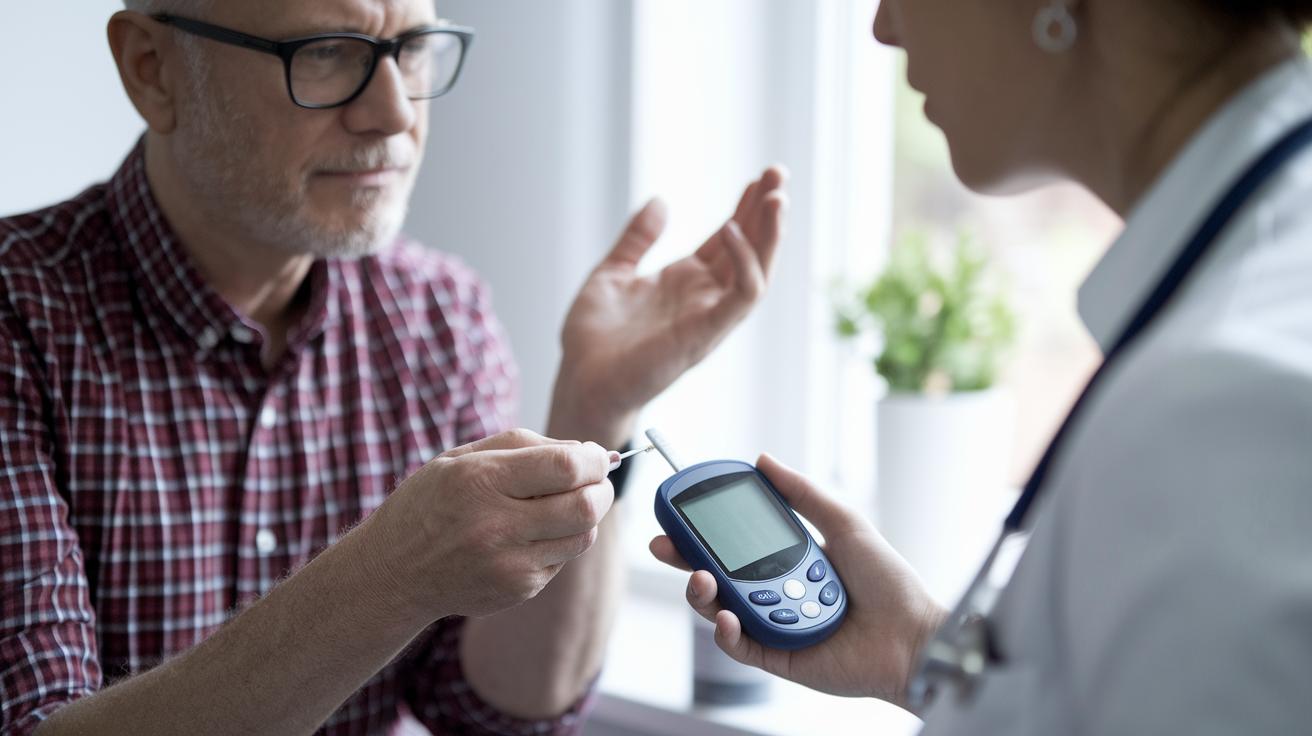
Modern guidelines help doctors figure out if someone has diabetes. If your fasting blood sugar is 126 mg/dL or more, your two-hour oral glucose tolerance test (a test where you drink a sugar solution and your blood sugar is checked after two hours) hits 200 mg/dL, or your A1C, which shows your average blood sugar over a few months, is at least 6.5%, then it’s a signal for diabetes. It might surprise you that a single high reading isn’t always enough; sometimes, a retest shows normal levels, which is why keeping up with regular testing matters.
Once you’re diagnosed, keeping tabs on your A1C levels is key. People with stable conditions often get their A1C checked twice a year. But if treatment changes are happening, doctors usually recommend a check every three months. This regular monitoring helps ensure the treatment adjustments are steering you toward better blood sugar control.
The treatment goal is generally keeping the A1C below 7%, though some may aim for under 6.5% based on their individual needs. Along with this, maintaining blood pressure below 140/90 mmHg and managing cholesterol levels based on your risk are important as well. Doctors also look at metrics like the percentage of patients with an A1C over 9%, plus they keep a close eye on blood pressure and cholesterol screenings, to fine-tune treatment plans and improve overall health outcomes.
Pharmacotherapy Directives and Insulin Titration Protocols in Diabetes
When it comes to managing diabetes with medicine, a careful, step-by-step approach works best. Most often, doctors start with metformin. This drug sets the stage for long-term success, acting as the dependable base on which additional treatments can be added.
Insulin Therapies and Titration Protocols
Insulin is unique, it replaces the hormone your body isn’t making enough of. A common method is the basal-bolus plan. Here, a long-acting insulin gives you a consistent, low-level dose throughout the day, while a fast-acting kind handles the spikes when you eat. Think about it like adjusting the volume on your stereo: you might add 1 to 2 extra units every few days until the sound (or blood sugar) feels just right. Doctors watch closely for signs of low blood sugar (hypoglycemia) and adjust doses based on how each person reacts.
Oral Antihyperglycemic Regimens
For people with type 2 diabetes, oral medications are a key part of the treatment plan. Some drugs, like sulfonylureas, help your body release more insulin quickly. Others, such as meglitinides, give you a boost just before meals. There are also medications that slow the way your body absorbs carbs, though they might lead to a bit of stomach upset. Thiazolidinediones, for example, work gradually over 12 to 16 weeks, so they’re added slowly. Additionally, DPP-4 inhibitors are another once-a-day option that usually doesn’t affect your weight, while SGLT-2 inhibitors lower the kidney’s threshold for sugar, which not only helps with blood sugar control but might also offer heart benefits.
Adjunctive Non-Insulin Injectables
Sometimes, medicines beyond insulin can help further. GLP-1 receptor agonists, including newer options like tirzepatide, have shown promise in improving blood sugar levels and even helping with weight. Another option, amylinomimetics such as pramlintide, works by slowing down digestion and controlling the release of other hormones after meals. This helps keep blood sugar levels in check throughout the day.
Lifestyle Modification Standards in Glycemic Control

Research shows that even small tweaks in your daily routine can really help manage your blood sugar. For instance, losing just 5–10% of your body weight may lead to lower A1C, reduced blood pressure, and better cholesterol and triglyceride levels. And if you manage to lose 10–15%, the improvements could be even more remarkable, it's pretty amazing how a few pounds off can change how your body handles sugar.
Instead of getting too caught up in counting every macro, many experts suggest focusing on reducing overall calories. A Mediterranean-style diet, where under half of your calories come from carbohydrates, has helped a lot of people, especially those new to diabetes management. Sure, high-protein diets have their fans, but research shows that a balanced approach works just as well when it comes to keeping blood sugar in check over time.
Staying active plays a huge role too. Simple activities like brisk walking, cycling, or swimming can boost your insulin sensitivity and help maintain steady blood sugar levels. And pairing these with some light resistance training not only strengthens your muscles but also supports more consistent glucose control throughout the day.
For extra guidance, structured weight management programs can be a great resource to help you achieve and maintain these lifestyle changes. And for those facing severe obesity, bariatric surgery, with the help of experienced care teams, can be a viable option. This treatment path not only enhances glucose tolerance but also complements your efforts to adopt healthier habits.
Key lifestyle changes to focus on include:
| Component | Description |
|---|---|
| Caloric Restriction | Lowering your calorie intake to support weight loss. |
| Diet Approach | Embracing a Mediterranean or balanced diet with fewer carbs. |
| Exercise | Incorporating aerobic activities like walking or swimming, along with resistance training. |
| Weight Management Programs | Using structured programs for guidance and support. |
| Bariatric Surgery | Considering surgery as an option for severe obesity under proper care. |
These combined steps can lead to a healthier lifestyle that helps keep your blood sugar levels on track.
Monitoring Standards and Follow-Up Protocols for Diabetes Management
Keeping a close eye on your blood sugar is really important for managing diabetes. Regular checks help you and your doctor know when changes might be needed. If your levels are steady, a blood test called A1C is usually done twice a year. But if you’re making changes to your treatment, you might need it every three months. This steady schedule helps guide decisions about medicine and lifestyle adjustments.
Many patients benefit from daily self-checks of their blood sugar. Aim for a range between 100 and 180 mg/dL. And if you qualify, a continuous glucose monitor (CGM) gives you real-time updates, which can be a huge help on days when your levels change quickly.
It’s also important to get an annual checkup to spot any complications early. This means having an eye exam, a microalbumin test (which checks for tiny amounts of protein in the urine), and a foot exam. Other lab tests, like checking serum creatinine to ensure metformin is safe, or liver enzyme tests for those using thiazolidinediones, are part of keeping your treatment safe.
Using remote monitoring tools adds another layer of support, letting you track your own progress from home. Plus, when your care team works together, they can tailor a plan that fits your unique needs and changes over time.
| Parameter | Frequency | Target/Notes |
|---|---|---|
| A1C | Twice yearly (stable)/Quarterly (treatment change) | <7% (individualized) |
| SMBG/CGM | Daily SMBG; CGM if eligible | 100–180 mg/dL |
| Complication Screening | Annually | Eye, microalbumin, foot exam |
Individualized Care Strategies for Special Diabetes Populations

Type 1 Diabetes Management Guidelines
For people with type 1 diabetes, modern tools like insulin pumps and continuous glucose monitors really make a difference. Doctors often use a two-part insulin plan. They give a long-acting insulin to maintain steady levels combined with a quick-acting insulin to manage mealtime spikes. They also set goals just for you and tweak doses based on your daily routine. For example, you might add an extra unit before an energetic afternoon walk, like fine-tuning your body’s natural rhythm.
Gestational Diabetes Recommendations
Pregnant women usually undergo screening for gestational diabetes between 24 and 28 weeks. If diagnosed, the treatment plan includes adjusting your diet and using insulin when needed to keep blood sugar levels steady. This helps ensure both you and your baby stay healthy. Imagine it like a chef carefully tweaking a recipe until it’s just right for peak nourishment.
Pediatric and Geriatric Treatment Adjustments
When it comes to young patients, care involves setting age-appropriate targets, often aiming for an A1C below 7.5%, with strong support from family throughout the process. Meanwhile, for older adults, targets are a bit more relaxed, usually around an A1C below 8%, taking into account other health issues, memory, and overall life pace. In short, treatment for children focuses on supporting their growing bodies, while for seniors, the goal is simplicity and a better quality of life.
Integrated Care Pathways and Digital Health Solutions in Diabetes Management
When we mention integrating care pathways, we mean linking your primary doctor, hormone specialists, nutritionists, and mental health professionals with clear quality targets. This teamwork helps adjust medications, plan balanced meals, and suggest healthy lifestyle tweaks while keeping you in the loop. Digital tools like smartwatches and mobile apps fit in naturally here, they give real-time advice and make sharing your health data with your care team easier.
Telehealth in Diabetes Care
Remote visits let you talk with specialists without having to travel far. Telehealth makes care available to people in areas with fewer local services and helps create personalized treatment plans. It also allows for ongoing monitoring, which means your progress is always checked. And as guidelines and insurance rules change, more people can benefit from this flexible option.
Wearable Devices and Continuous Glucose Monitoring
Devices like continuous glucose monitors (CGM) give instant updates on your blood sugar levels. This means you can adjust what you do almost immediately and share useful information with your doctor. The collected data helps create advice that fits you personally and sets realistic goals for keeping blood sugar in check.
Integrated Community Health Models
Community programs work together by offering diabetes support services, shared quality checks, and patient guides. These models break down barriers to getting proper care and ensure everyone hears the same clear advice from a team. This teamwork leads to better management of diabetes day after day.
Risk Management: Cardiovascular and Renal Considerations in Diabetes Guidelines

One of the main ways to tackle diabetes is by protecting your heart and kidneys. Statins, which are medications that lower cholesterol, are the go-to choice for reducing risks that affect large blood vessels. In fact, a major study, known as the 4S trial, found that statins helped lower heart attack events by 42%. And for those at high risk, a low-dose aspirin might be recommended to help ward off further issues, all without adding extra risks.
Keeping blood pressure in check is equally vital for your kidneys. Doctors often prescribe ACE inhibitors or ARBs (types of medicines that relax your blood vessels) because they not only lower your blood pressure to below 140/90 mmHg but also ease the pressure on the kidneys. This approach helps keep your kidneys functioning properly by reducing the strain on the tiny blood vessels that feed them.
When it comes to managing blood fats (or dyslipidemia), the journey usually starts with statins. If your HDL, which is the "good" cholesterol, stubbornly stays low, your doctor might add fibrates into the mix. It’s also worth noting that beta blockers, another type of heart medicine, can sometimes change your cholesterol levels in subtle ways. For patients dealing with both diabetes and chronic kidney disease, a newer option called finerenone has emerged. Approved in July 2021, finerenone focuses on kidney protection and requires regular monitoring, including periodic serum creatinine tests, to make sure everything stays in balance.
Monitoring for side effects is a constant part of diabetes care. Regularly checking for signs of low blood sugar (hypoglycemia) and keeping an eye on liver function in patients using thiazolidinediones helps doctors adjust treatments to keep you safe and on the right track.
Final Words
In the action, we explored practical approaches from diagnosis to lifestyle adjustments and medication strategies. Clear insights were shared on management guidelines for diabetes that simplify treatment, monitoring, and individualized care. Each section brought research-based tips to everyday health decisions, from glycemic targets to diet and digital care options. This roadmap shows that evidence-based care can empower us to live a balanced life. Stay positive and watch your health improve every day.
FAQ
Diabetes guidelines PDF
The diabetes guidelines PDF provide comprehensive, evidence-based clinical management recommendations that outline glycemic targets, pharmacotherapy options, and lifestyle modifications to effectively manage diabetes.
American Diabetes Association guidelines PDF
The American Diabetes Association guidelines PDF offers detailed diabetes management protocols, highlighting treatment strategies, diagnostic criteria, and the importance of regular patient monitoring for improved care.
ADA diabetes treatment algorithm
The ADA diabetes treatment algorithm guides clinicians in making informed decisions on medication selection and dose adjustments, focusing on maintaining glycemic control and reducing complications.
ADA guidelines 2025 PDF and ADA Diabetes guidelines 2025
The ADA guidelines 2025 PDF outlines updated clinical standards in diabetes care, including glycemic targets, risk management practices, and advanced pharmacotherapy directives for personalized treatment.
Type 2 diabetes treatment guidelines
The Type 2 diabetes treatment guidelines detail evidence-based strategies for medication management, lifestyle modifications, and consistent monitoring protocols to control blood sugar and prevent complications.
WHO guidelines for management of diabetes?
The WHO guidelines for diabetes management offer global recommendations on diagnosis, treatment plans, and patient education, assisting healthcare providers with standardized care measures.
What are the 5 M’s of diabetes management?
The 5 M’s of diabetes management refer to a framework including monitoring, medications, meal planning, physical activity, and regular follow-up to enhance overall care.
What are the 7 pillars of diabetes management?
The 7 pillars of diabetes management encompass glycemic control, blood pressure maintenance, lipid management, weight control, lifestyle adjustments, patient education, and regular complication screening.
What are the new guidelines for diabetes?
The new guidelines for diabetes integrate updated diagnostic thresholds, refined glycemic targets, advanced pharmacologic options, and lifestyle intervention recommendations based on the latest evidence to optimize patient care.