Precision Healthcare Sparks Real Change In Medicine

Have you ever wondered if your DNA might hold the secret to better health? Today, precision healthcare is making waves by crafting treatments that are as unique as you are. Instead of following a one-size-fits-all routine, doctors now use genetic tests (which look at your special makeup) and careful observation to build care plans that truly match your needs.

This personalized approach not only helps improve your results but also builds a closer bond between you and your care team. Imagine knowing that every step of your treatment is designed just for you, that's the real promise of precision healthcare.

In short, by blending solid science with a true personal touch, precision healthcare is reshaping everyday medical care into something both effective and heartfelt.

Precision Healthcare Sparks Real Change in Medicine

Precision healthcare is a fresh, personalized approach where treatments are finely tuned to your unique genetic makeup, lifestyle, and individual needs. Instead of using a one-size-fits-all method, doctors merge cutting-edge genetic tests with everyday clinical observations to craft care that’s truly about you. In places like Lee, Collier, Charlotte, and Manatee counties, specialists in areas such as audiology, oncology, colorectal care, head & neck surgery, orthopaedic care, pulmonology, dermatology, and urology work together to deliver focused, tailor-made treatments.

When you walk into a clinic or log into your health portal, you’re greeted with care strategies built on the latest scientific evidence. It’s like having your own custom health recipe that adapts as you do. And here’s a quirky tidbit: before she became the celebrated scientist we all know, Marie Curie once carried test tubes of radioactive material in her pockets! Small, unexpected details like this remind us that every nuance matters when it comes to personalized, precision care.

At its heart, precision healthcare blends scientific breakthroughs with heartfelt, personalized service. Genetics gives us a peek into disease risks and how you might respond to certain treatments, while detailed data analysis helps doctors spot patterns just for you. This evidence-based method, guided by specialists who genuinely care, not only boosts treatment outcomes but also fosters a sense of trust and comfort. Imagine a world where high-tech tests, a unified team of experts, and easy-to-use online portals all come together to keep you well-informed and cared for every step of the way.

Genomic Profiling Techniques in Precision Healthcare
img-1.jpg

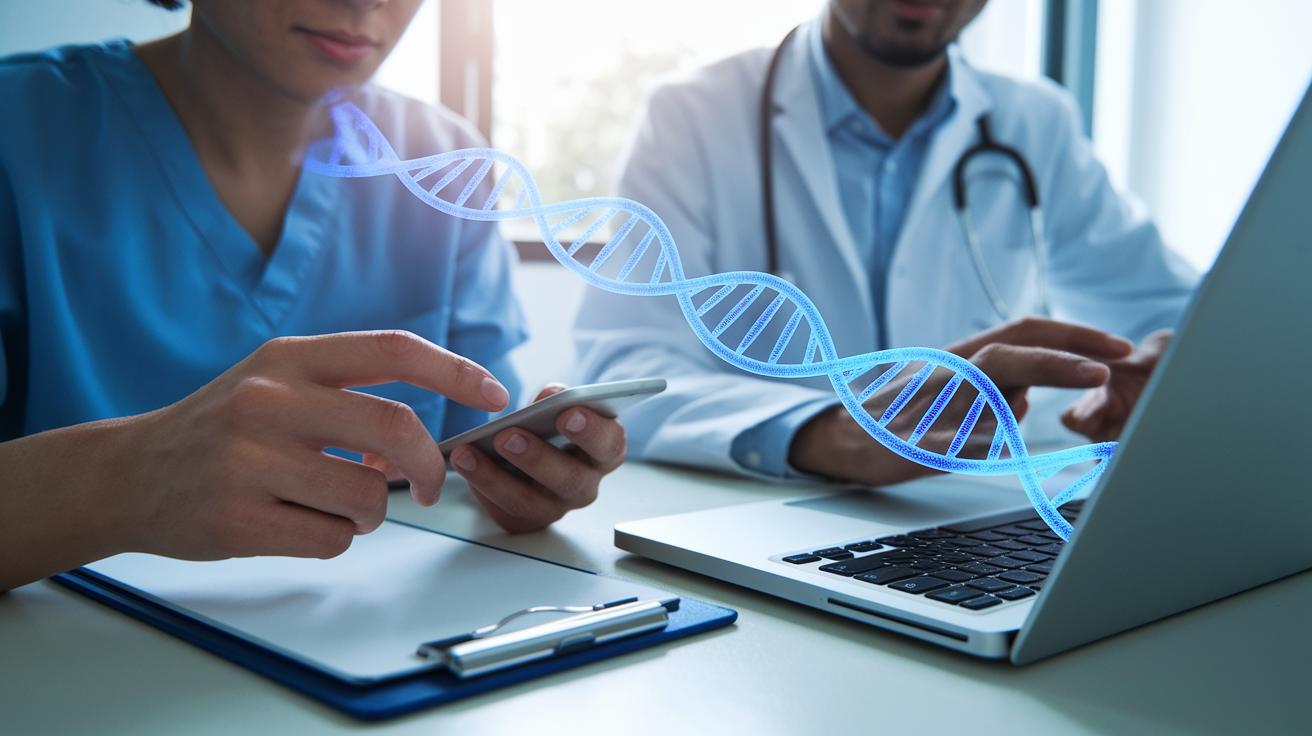
Genomic profiling techniques are transforming the way we approach treatment by using your unique genetic code. With these advances in genetic science, doctors can now predict which illnesses you might be at risk for and understand how well you might respond to certain medications. It’s like having a treatment plan that’s as unique as your fingerprint.

Tailored genetic testing is really the backbone of precision healthcare. It digs deep into your genes to find specific markers that reveal inherited conditions. Plus, it helps doctors figure out the best medications for you by examining how your genes interact with different drugs. This blend of high-tech testing and everyday care means your treatment feels personal and spot on.

On top of that, when these genomic techniques join forces with smart data systems, the result is even better health outcomes. This approach uses solid science to build a treatment plan that fits you perfectly. Below is a table that breaks down some of the main genomic profiling methods:

Technique Application Key Benefit
Whole Genome Sequencing Comprehensive DNA analysis Detects rare variants
Exome Sequencing Focus on protein-coding regions Cost-effective mutation analysis
SNP Genotyping Single nucleotide analysis Quick identification of risk factors
Pharmacogenomic Profiling Gene-drug interaction assessment Personalizes medication plans

Data-Driven Clinical Decisions in Precision Healthcare

Healthcare is changing thanks to analytics and big-data applications that let professionals tailor treatments more precisely. When clinicians dive into heaps of patient data, they turn cold numbers into clear choices for individual care. Tools like online payment systems, medical-record portals, and simple provider logins make connecting with patients a whole lot easier. In short, every bit of data helps fine-tune therapy options, cutting wait times and smoothing the flow of information.

Digital transformation in clinics isn’t just about having the latest software. It’s a movement that really lifts the standard of patient care. With patient portal technology, healthcare teams can access live data that shapes treatment plans and refines care models. For example, many departments are mixing robust data analytics right into their daily practice, making every decision as clear and accurate as the data behind it.

Molecular Diagnostics Innovation in Precision Healthcare

img-2.jpg

Modern lab tools and diagnostic tests are completely changing how we understand diseases. By mixing advanced testing methods with traditional clinical checks, scientists are now able to detect even the tiniest biological signals. These innovative tests, like new diagnostic assays, help clinicians quickly identify genetic mutations (changes in your genes) and protein markers. This leap in technology means doctors can spot conditions much earlier, paving the way for highly targeted treatments. It’s a whole new approach that makes diagnosing diseases faster, more precise, and more tailored to each person.

At the same time, ongoing research into biomarkers (small, measurable indicators in your body) is making a big impact on patient care. Researchers are fine-tuning tests to track changes in these markers, which gives them a clearer picture of a patient’s overall health. With these improved tests, treatments can be monitored and adjusted in real time, ensuring that care is as personalized as possible. All in all, this blend of cutting-edge technology and customized care is fueling a major shift in precision healthcare.

Customized Treatment Strategies in Precision Healthcare

Customized treatment strategies mix cutting-edge science with everyday clinical know-how to design treatment plans made just for you. Doctors use your genetic information and daily health observations to target diseases at their source, and adjust as circumstances change. This approach turns regular care into a dynamic process that evolves with your unique health profile. Imagine getting a treatment plan that feels truly custom-made, exactly for you.

Real-life examples of personalized care show that precision therapies can be both innovative and practical. Specialists look at your genes, lifestyle habits, and even environmental factors to choose the best treatment path. This method puts you in the driver's seat, empowering you to take an active role in your health. Ever wondered how one simple tweak to your treatment could make a real difference? That’s the true magic of combining customized strategies with everyday healthcare to get better results.

Every case study in this field shows that precision healthcare is more than just the latest technology. It’s about applying science thoughtfully to everyday treatment. Here are some examples of therapies that have shown real benefits:

  • HER2-targeted breast cancer therapy
  • BRAF-inhibitor in melanoma
  • CYP2C19-guided antiplatelet dosing
  • CAR-T immunotherapy
  • Genotype-based warfarin management

Case Studies and Outcomes in Precision Healthcare

img-3.jpg

Precision healthcare is making a real difference in clinics everywhere. Recent studies show that when treatments are tailored to a person’s unique genetics and health history, recovery times improve and overall quality of life goes up. Doctors have seen that using personalized care not only cuts hospital stays short but also reduces complications.

Translational medicine plays a huge role in these advances. In simple terms, researchers take discoveries from the lab and work with clinicians to bring practical treatments to patients. For instance, in managing chronic diseases, tweaks based on detailed genetic and clinical data mean treatments fit the individual better, kind of like adjusting a recipe to suit your taste.

Patient studies consistently show that when care plans are built around personal data, people feel more secure and satisfied with their treatment. Hospitals using these methods report steadily rising success rates, reinforcing that precision healthcare isn’t just a trend, it’s a promising step toward truly personalized medicine.

Precision healthcare is really taking off, thanks to clever new technologies that are reshaping treatment choices. Imagine AI diagnostics that quickly sort through your health details, or digital twins that simulate your own body to fine-tune therapies. There’s genuine excitement around tools like CRISPR editing (a technique that adjusts your genes) and microbiome profiling (which studies the friendly bacteria in your body) because they promise treatments tailored just for you. Even wearable health sensors are stepping up their game, continuously monitoring your wellness and alerting professionals when something seems off. In short, these innovative tools are not only perfecting diagnosis, they’re creating a system that adapts every part of patient care.

Looking ahead, personalized medicine is gearing up with powerful new tools that streamline clinical decisions. Smart IoT monitoring (devices that track your health in real time) and blockchain-based electronic health records (a secure way to manage your data) are key parts of this transformation, offering better security and instant health management. Next-generation devices are ready to answer your questions about treatment changes and ongoing care, supporting both patients and clinicians. For a closer look at these future tools, check out the latest health trends here: https://healthandwealth101.com?p=635.

Final Words

In the action of our discussion, we covered precision healthcare from core definitions to genomic profiling, clinical data analysis, innovative diagnostics, and personalized treatment strategies. We also explored real-world case studies and emerging trends that bring advanced research into everyday health decisions.

Every segment shows how precision healthcare drives smarter, evidence-based choices. This blend of research and practical care offers optimism for a healthier future.

FAQ

What do Precision Healthcare Specialists do?

The term “Precision Healthcare Specialists” describes providers who use personalized treatments driven by genetic data and analytics. They craft unique care plans to meet each patient’s distinct health needs.

Where are Precision Healthcare Specialists located?

The mention of Precision Healthcare Specialists covers locations such as Fort Myers, Naples in Florida, and Timonium, offering patients accessible personalized care in multiple regions.

What is the Precision Healthcare Patient Portal?

The Precision Healthcare Patient Portal is an online tool that lets patients review their records, book appointments, and communicate with their care team in a secure, user-friendly format.

What career opportunities exist in Precision Healthcare?

The reference to precision healthcare jobs highlights roles in clinical services, administrative work, and technical support, all contributing to the delivery of individualized, data-informed care.

Have you ever wondered if your DNA might hold the secret to better health? Today, precision healthcare is making waves by crafting treatments that are as unique as you are. Instead of following a one-size-fits-all routine, doctors now use genetic tests (which look at your special makeup) and careful observation to build care plans that truly match your needs.

This personalized approach not only helps improve your results but also builds a closer bond between you and your care team. Imagine knowing that every step of your treatment is designed just for you, that's the real promise of precision healthcare.

In short, by blending solid science with a true personal touch, precision healthcare is reshaping everyday medical care into something both effective and heartfelt.

Precision Healthcare Sparks Real Change in Medicine

Precision healthcare is a fresh, personalized approach where treatments are finely tuned to your unique genetic makeup, lifestyle, and individual needs. Instead of using a one-size-fits-all method, doctors merge cutting-edge genetic tests with everyday clinical observations to craft care that’s truly about you. In places like Lee, Collier, Charlotte, and Manatee counties, specialists in areas such as audiology, oncology, colorectal care, head & neck surgery, orthopaedic care, pulmonology, dermatology, and urology work together to deliver focused, tailor-made treatments.

When you walk into a clinic or log into your health portal, you’re greeted with care strategies built on the latest scientific evidence. It’s like having your own custom health recipe that adapts as you do. And here’s a quirky tidbit: before she became the celebrated scientist we all know, Marie Curie once carried test tubes of radioactive material in her pockets! Small, unexpected details like this remind us that every nuance matters when it comes to personalized, precision care.

At its heart, precision healthcare blends scientific breakthroughs with heartfelt, personalized service. Genetics gives us a peek into disease risks and how you might respond to certain treatments, while detailed data analysis helps doctors spot patterns just for you. This evidence-based method, guided by specialists who genuinely care, not only boosts treatment outcomes but also fosters a sense of trust and comfort. Imagine a world where high-tech tests, a unified team of experts, and easy-to-use online portals all come together to keep you well-informed and cared for every step of the way.

Genomic Profiling Techniques in Precision Healthcare

img-1.jpg

Genomic profiling techniques are transforming the way we approach treatment by using your unique genetic code. With these advances in genetic science, doctors can now predict which illnesses you might be at risk for and understand how well you might respond to certain medications. It’s like having a treatment plan that’s as unique as your fingerprint.

Tailored genetic testing is really the backbone of precision healthcare. It digs deep into your genes to find specific markers that reveal inherited conditions. Plus, it helps doctors figure out the best medications for you by examining how your genes interact with different drugs. This blend of high-tech testing and everyday care means your treatment feels personal and spot on.

On top of that, when these genomic techniques join forces with smart data systems, the result is even better health outcomes. This approach uses solid science to build a treatment plan that fits you perfectly. Below is a table that breaks down some of the main genomic profiling methods:

Technique Application Key Benefit
Whole Genome Sequencing Comprehensive DNA analysis Detects rare variants
Exome Sequencing Focus on protein-coding regions Cost-effective mutation analysis
SNP Genotyping Single nucleotide analysis Quick identification of risk factors
Pharmacogenomic Profiling Gene-drug interaction assessment Personalizes medication plans

Data-Driven Clinical Decisions in Precision Healthcare

Healthcare is changing thanks to analytics and big-data applications that let professionals tailor treatments more precisely. When clinicians dive into heaps of patient data, they turn cold numbers into clear choices for individual care. Tools like online payment systems, medical-record portals, and simple provider logins make connecting with patients a whole lot easier. In short, every bit of data helps fine-tune therapy options, cutting wait times and smoothing the flow of information.

Digital transformation in clinics isn’t just about having the latest software. It’s a movement that really lifts the standard of patient care. With patient portal technology, healthcare teams can access live data that shapes treatment plans and refines care models. For example, many departments are mixing robust data analytics right into their daily practice, making every decision as clear and accurate as the data behind it.

Molecular Diagnostics Innovation in Precision Healthcare

img-2.jpg

Modern lab tools and diagnostic tests are completely changing how we understand diseases. By mixing advanced testing methods with traditional clinical checks, scientists are now able to detect even the tiniest biological signals. These innovative tests, like new diagnostic assays, help clinicians quickly identify genetic mutations (changes in your genes) and protein markers. This leap in technology means doctors can spot conditions much earlier, paving the way for highly targeted treatments. It’s a whole new approach that makes diagnosing diseases faster, more precise, and more tailored to each person.

At the same time, ongoing research into biomarkers (small, measurable indicators in your body) is making a big impact on patient care. Researchers are fine-tuning tests to track changes in these markers, which gives them a clearer picture of a patient’s overall health. With these improved tests, treatments can be monitored and adjusted in real time, ensuring that care is as personalized as possible. All in all, this blend of cutting-edge technology and customized care is fueling a major shift in precision healthcare.

Customized Treatment Strategies in Precision Healthcare

Customized treatment strategies mix cutting-edge science with everyday clinical know-how to design treatment plans made just for you. Doctors use your genetic information and daily health observations to target diseases at their source, and adjust as circumstances change. This approach turns regular care into a dynamic process that evolves with your unique health profile. Imagine getting a treatment plan that feels truly custom-made, exactly for you.

Real-life examples of personalized care show that precision therapies can be both innovative and practical. Specialists look at your genes, lifestyle habits, and even environmental factors to choose the best treatment path. This method puts you in the driver's seat, empowering you to take an active role in your health. Ever wondered how one simple tweak to your treatment could make a real difference? That’s the true magic of combining customized strategies with everyday healthcare to get better results.

Every case study in this field shows that precision healthcare is more than just the latest technology. It’s about applying science thoughtfully to everyday treatment. Here are some examples of therapies that have shown real benefits:

  • HER2-targeted breast cancer therapy
  • BRAF-inhibitor in melanoma
  • CYP2C19-guided antiplatelet dosing
  • CAR-T immunotherapy
  • Genotype-based warfarin management

Case Studies and Outcomes in Precision Healthcare

img-3.jpg

Precision healthcare is making a real difference in clinics everywhere. Recent studies show that when treatments are tailored to a person’s unique genetics and health history, recovery times improve and overall quality of life goes up. Doctors have seen that using personalized care not only cuts hospital stays short but also reduces complications.

Translational medicine plays a huge role in these advances. In simple terms, researchers take discoveries from the lab and work with clinicians to bring practical treatments to patients. For instance, in managing chronic diseases, tweaks based on detailed genetic and clinical data mean treatments fit the individual better, kind of like adjusting a recipe to suit your taste.

Patient studies consistently show that when care plans are built around personal data, people feel more secure and satisfied with their treatment. Hospitals using these methods report steadily rising success rates, reinforcing that precision healthcare isn’t just a trend, it’s a promising step toward truly personalized medicine.

Precision healthcare is really taking off, thanks to clever new technologies that are reshaping treatment choices. Imagine AI diagnostics that quickly sort through your health details, or digital twins that simulate your own body to fine-tune therapies. There’s genuine excitement around tools like CRISPR editing (a technique that adjusts your genes) and microbiome profiling (which studies the friendly bacteria in your body) because they promise treatments tailored just for you. Even wearable health sensors are stepping up their game, continuously monitoring your wellness and alerting professionals when something seems off. In short, these innovative tools are not only perfecting diagnosis, they’re creating a system that adapts every part of patient care.

Looking ahead, personalized medicine is gearing up with powerful new tools that streamline clinical decisions. Smart IoT monitoring (devices that track your health in real time) and blockchain-based electronic health records (a secure way to manage your data) are key parts of this transformation, offering better security and instant health management. Next-generation devices are ready to answer your questions about treatment changes and ongoing care, supporting both patients and clinicians. For a closer look at these future tools, check out the latest health trends here: https://healthandwealth101.com?p=635.

Final Words

In the action of our discussion, we covered precision healthcare from core definitions to genomic profiling, clinical data analysis, innovative diagnostics, and personalized treatment strategies. We also explored real-world case studies and emerging trends that bring advanced research into everyday health decisions.

Every segment shows how precision healthcare drives smarter, evidence-based choices. This blend of research and practical care offers optimism for a healthier future.

FAQ

What do Precision Healthcare Specialists do?

The term “Precision Healthcare Specialists” describes providers who use personalized treatments driven by genetic data and analytics. They craft unique care plans to meet each patient’s distinct health needs.

Where are Precision Healthcare Specialists located?

The mention of Precision Healthcare Specialists covers locations such as Fort Myers, Naples in Florida, and Timonium, offering patients accessible personalized care in multiple regions.

What is the Precision Healthcare Patient Portal?

The Precision Healthcare Patient Portal is an online tool that lets patients review their records, book appointments, and communicate with their care team in a secure, user-friendly format.

What career opportunities exist in Precision Healthcare?

The reference to precision healthcare jobs highlights roles in clinical services, administrative work, and technical support, all contributing to the delivery of individualized, data-informed care.

More from author

LEAVE A REPLY

Please enter your comment!
Please enter your name here

Related posts

Advertismentspot_img

Latest posts

How To Create A Daily Wellness Routine: Thriving

Curious about how to create a daily wellness routine that transforms your mornings and days? Read on as secrets await…

2 Daily Wellness Drink Tips For Radiance

Experience a daily wellness drink with natural herbs, green ingredients, and clinical backing that might change your routine forever, stay tuned.

Daily Wellness: Elevate Your Everyday Vitality

Daily wellness transforms everyday routines into mindful adjustments, merging nutrition, movement, and restorative sleep. What unforeseen practice awaits you next?

Want to stay up to date with the latest news?

We would love to hear from you! Please fill in your details and we will stay in touch. It's that simple!