Balanced Diet For Weight Loss Fuels Vibrant Life

Have you ever thought that breakfast could not only kick-start your day but also help trim your waistline? Imagine your meal as a burst of energy for your body, much like filling your car with the best fuel. A balanced diet does more than just count calories, it gives your body the vitamins and nutrients it needs to keep you moving and feeling great. In this article, we’ll explore how smart food choices and a few simple lifestyle changes can create a meal plan that supports weight loss and fuels a vibrant, healthy life.

Essential Principles of a Balanced Diet for Weight Loss

Weight loss starts when you burn more calories than you take in; this is what's known as a caloric deficit. For example, a 2020 study found that enjoying an egg and toast breakfast helped keep hunger at bay for nearly four hours, unlike a typical cereal-based option. Just imagine starting your day with a warm, satisfying egg toast and feeling energetic until mid-morning!

A truly wholesome eating plan emphasizes natural, minimally processed foods. This means filling your plate with fresh fruits, crisp veggies, lean proteins, whole grains, and healthy fats. Your body deserves real, nutrient-rich fuel that not only boosts energy but also supports overall wellbeing.

Calories are important, but so is when you eat and move. Adding a mix of cardiovascular exercises and resistance training helps burn extra calories while keeping your muscles strong. It’s like fine-tuning a well-oiled machine, with each part working together to keep you balanced and resilient.

Behavior matters too. Getting enough sleep and finding ways to manage stress can help curb the urge to eat for comfort, and small shifts in your meal routine might be just what you need to push past a plateau. Simple habits like mindful portion control and sticking to scheduled meal times naturally build a well-rounded nutrition plan for shedding pounds.

By making these adjustments and staying committed to healthy, practical choices, you set the stage for a lively life energized by balanced nutrition and active living.

Balanced Diet Macronutrient Harmony and Calorie-Smart Strategy

img-1.jpg

If you're aiming to lose weight, balancing your macronutrients can make a big difference. Experts recommend filling your plate with about 25–30% protein, 45–50% carbohydrates, and 20–30% healthy fats. This mix helps you feel full and keeps your muscles strong, especially when you include lean meats, fish, legumes, or even a cup of low-fat Greek yogurt.

Choosing low-glycemic carbohydrates like sweet potatoes, oats, or quinoa can be a game changer. These foods digest slowly, which means your blood sugar and energy levels stay steady throughout the day. Plus, adding fiber-rich foods such as chia seeds, whole grains, and legumes might even help reduce body fat, as some recent research shows.

Healthy fats are another essential part of a balanced diet. Think of adding slices of avocado, a handful of nuts, or a drizzle of olive oil on your salad, they not only boost flavor but also help manage hunger and maintain hormone balance. If you're curious about keeping portions in check, the Healthy Eating Plate method is a simple, reliable tool to help you enjoy nutrient harmony while sticking to your calorie goals.

Balanced Diet for Weight Loss Fuels Vibrant Life

Imagine your plate divided into simple, visual sections. For example, see your protein portion as the size of a deck of cards (about 3–4 oz). Add ½–1 cup of grains or starchy veggies and 1 cup of non-starchy veggies. This clear snapshot helps you serve up just the right amount of energy without adding unnecessary calories.

Mindful eating turns every mealtime into a mini retreat. Slow down, savor each bite, and notice the flavors and textures. Chewing slowly gives your brain the gentle hint that you're getting full. Picture enjoying a warm bowl of vegetable soup, letting its comforting aroma and heat stretch out the experience.

Keeping a food journal or using an app to track your meals can boost your awareness and keep you accountable. Here are a few friendly tips:

  • Enjoy a hand-sized portion of protein.
  • Use a measuring cup for your grains and veggies.
  • Take a moment between bites to really enjoy your food.

These simple habits not only help curb overeating but also turn every meal into a nourishing and satisfying break in your day.

Balanced Diet Meal Planning: Sample Menus and Recipes
img-2.jpg

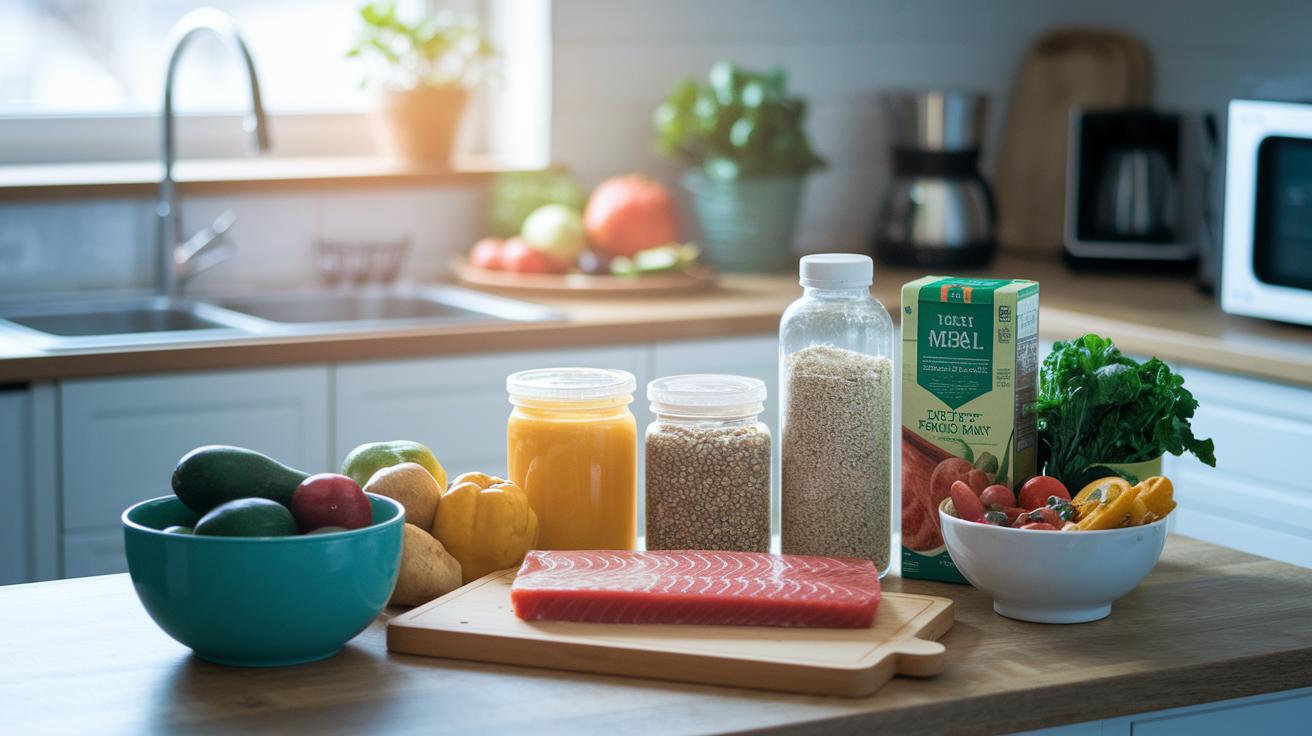
A smart meal plan can really boost your weight loss journey without making your meals feel dull. Imagine a week-long, 1,200-calorie plan with recipes that are balanced, tasty, and fun to try. For example, kick off your week with a mini whole-wheat pita filled with 3 oz of turkey, ½ roasted pepper, and a pinch of mayo. Pair that with 2 juicy kiwis and a serving of part-skim mozzarella string cheese. It’s a mix of lean protein, fresh fruit, and dairy that feels just right.

Even your dinner can be light yet satisfying. On Day 1, picture a plate with 4 oz of flounder, 1 cup of fluffy cooked couscous, and 1 cup of crisp steamed broccoli, capped off with a single-serve ice cream dessert. You get proteins, grains, and veggies all coming together, keeping flavors fresh and light.

Breakfast is just as exciting. Think about a Greek yogurt parfait made with 1 cup of plain yogurt, 1 cup of berries bursting with flavor, and ⅓ cup of low-sugar granola for that delightful crunch. Then, on Day 4 for dinner, enjoy 4 oz of poached salmon alongside 1½ cups of zesty coleslaw drizzled with 1 Tbsp rice vinegar and 1½ tsp olive oil, plus a hearty cup of whole-grain quinoa. It’s a meal that feels both nourishing and satisfying.

These ideas blend energizing breakfasts, protein-packed lunches, and low-calorie dinners into a complete plan that not only helps with slimming down but also keeps every bite exciting.

Balanced Diet Whole Foods Focus: Fiber, Lean Proteins, and Healthy Fats

When you think about a balanced diet, whole-food ingredients naturally come to mind. Pick lean proteins like skinless chicken, fish, beans, or lentils – they pack essential amino acids without excess saturated fat. For instance, a warm, baked fish dinner not only helps repair your muscles but also keeps you feeling full longer.

Fiber-rich foods are real powerhouses. Picture a crisp bowl of kale sprinkled with chia seeds – each bite supporting digestion and keeping hunger at bay. Research from 2020 even found that starting your day with an egg breakfast, rich in both protein and fiber, made folks feel satisfied much longer than a typical cereal meal.

Meal planning doesn’t have to be complicated. A hearty soup, brimming with lean proteins and a mix of vibrant vegetables like spinach, carrots, and lentils, offers a comforting and nutritious option. Just imagine simmering diced chicken in a low-sodium broth until all those fresh flavors meld together.

Don’t forget healthy fats! Nuts, seeds, and olive oil provide unsaturated fats that help maintain hormone balance and deliver lasting energy. Think about tossing some crunchy chopped almonds into your salad or drizzling a little olive oil over steamed broccoli – simple changes that pack a nutritious punch.

Whole-Food Category Examples Benefit
Lean Proteins Skinless chicken, fish, beans Helps repair muscles and keeps you full
Fiber-Rich Foods Leafy greens, cruciferous vegetables, chia seeds Boosts digestion and extends fullness
Healthy Fats Nuts, seeds, olive oil Aids hormone balance and provides steady energy

Balanced Diet for Weight Loss: Sustainable Meal Prep and Long-Term Strategies

img-3.jpg

Weekend meal prepping can really change how your week flows. Imagine spending a quiet Sunday afternoon chopping colorful bell peppers, slicing tender chicken breasts, and cooking a big batch of grains and veggies. This way, your weekday meals are not only quick but also full of flavor. To keep things interesting, switch up your ingredients with the seasons. One week might invite the warm notes of autumn squash with a hint of cinnamon, while the next could celebrate the fresh zing of spring herbs.

Setting a steady meal schedule and sipping on water first thing in the morning can build a lasting routine. Picture yourself taking a few minutes each day to plan out your meals and enjoying that refreshing glass of water when you wake up. And if you hit a weight-loss plateau, try tweaking your portion sizes or upping your daily activity a bit, it might be just the gentle reset you need.

Don’t forget the everyday habits like getting enough sleep and managing stress. These small, healthy practices help balanced eating become a natural part of your life. When you focus on these simple changes, you build a lifestyle that supports long-term success and keeps those unwanted rebounds at bay.

Final Words

In the action, we reviewed simple, practical strategies, from portion control and mindful eating to smart macronutrient choices, that support steady progress. We discussed meal planning tips, exercise integration, and whole-food swaps that keep your eating habits fresh and effective.

These insights empower you to make choices that work with your lifestyle. By embracing evidence-backed upkeep tactics and enjoying a satisfying array of meals, you’re well on your way toward a balanced diet for weight loss.

FAQ

What is the best balanced diet to lose weight?

A best balanced diet for weight loss includes whole grains, lean proteins, healthy fats, and plenty of fruits and vegetables. It can be adapted for vegetarians, beginners, and females by adjusting portion sizes and nutrient sources.

What is a 7-day diet plan for weight loss?

A 7-day diet plan for weight loss outlines daily meals with controlled portions and balanced macros. It emphasizes whole, minimally processed foods and regular physical activity for a sustainable calorie deficit.

What are 5 foods to eat to lose weight?

Key foods for weight loss include lean proteins, whole grains, non-starchy vegetables, fruits, and healthy fats like nuts. These choices help maintain satiety while keeping calorie intake in check.

What is the 30 30 30 rule for weight loss?

The 30 30 30 rule for weight loss involves dividing your plate into roughly 30% protein, 30% carbohydrates, and 30% healthy fats, with the remaining portion filled with vegetables or fruit to boost fiber and nutrients.

What is the 3-3-3 method for food?

The 3-3-3 method for food suggests structuring meals around three key components: a serving of lean protein, a portion of non-starchy vegetables, and a serving of whole grains, for a simple yet balanced meal.

How do you lose 20 pounds in a month?

Losing 20 pounds in a month requires a significant, controlled calorie deficit through precise meal planning and regular exercise. It’s important to adopt sustainable habits while seeking guidance from a health professional.

What is the Mediterranean diet?

The Mediterranean diet emphasizes fruits, vegetables, whole grains, lean proteins, and healthy fats like olive oil. It supports heart health and weight management through balanced and flavorful food combinations.

How can a weight loss diet plan be tailored for females or beginners?

A weight loss diet plan for females or beginners focuses on moderate portion sizes, nutrient-dense meals, and gradual adjustments. Incorporating lean proteins, whole grains, and fresh produce helps build a sustainable eating routine.

Have you ever thought that breakfast could not only kick-start your day but also help trim your waistline? Imagine your meal as a burst of energy for your body, much like filling your car with the best fuel. A balanced diet does more than just count calories, it gives your body the vitamins and nutrients it needs to keep you moving and feeling great. In this article, we’ll explore how smart food choices and a few simple lifestyle changes can create a meal plan that supports weight loss and fuels a vibrant, healthy life.

Essential Principles of a Balanced Diet for Weight Loss

Weight loss starts when you burn more calories than you take in; this is what's known as a caloric deficit. For example, a 2020 study found that enjoying an egg and toast breakfast helped keep hunger at bay for nearly four hours, unlike a typical cereal-based option. Just imagine starting your day with a warm, satisfying egg toast and feeling energetic until mid-morning!

A truly wholesome eating plan emphasizes natural, minimally processed foods. This means filling your plate with fresh fruits, crisp veggies, lean proteins, whole grains, and healthy fats. Your body deserves real, nutrient-rich fuel that not only boosts energy but also supports overall wellbeing.

Calories are important, but so is when you eat and move. Adding a mix of cardiovascular exercises and resistance training helps burn extra calories while keeping your muscles strong. It’s like fine-tuning a well-oiled machine, with each part working together to keep you balanced and resilient.

Behavior matters too. Getting enough sleep and finding ways to manage stress can help curb the urge to eat for comfort, and small shifts in your meal routine might be just what you need to push past a plateau. Simple habits like mindful portion control and sticking to scheduled meal times naturally build a well-rounded nutrition plan for shedding pounds.

By making these adjustments and staying committed to healthy, practical choices, you set the stage for a lively life energized by balanced nutrition and active living.

Balanced Diet Macronutrient Harmony and Calorie-Smart Strategy

img-1.jpg

If you're aiming to lose weight, balancing your macronutrients can make a big difference. Experts recommend filling your plate with about 25–30% protein, 45–50% carbohydrates, and 20–30% healthy fats. This mix helps you feel full and keeps your muscles strong, especially when you include lean meats, fish, legumes, or even a cup of low-fat Greek yogurt.

Choosing low-glycemic carbohydrates like sweet potatoes, oats, or quinoa can be a game changer. These foods digest slowly, which means your blood sugar and energy levels stay steady throughout the day. Plus, adding fiber-rich foods such as chia seeds, whole grains, and legumes might even help reduce body fat, as some recent research shows.

Healthy fats are another essential part of a balanced diet. Think of adding slices of avocado, a handful of nuts, or a drizzle of olive oil on your salad, they not only boost flavor but also help manage hunger and maintain hormone balance. If you're curious about keeping portions in check, the Healthy Eating Plate method is a simple, reliable tool to help you enjoy nutrient harmony while sticking to your calorie goals.

Balanced Diet for Weight Loss Fuels Vibrant Life

Imagine your plate divided into simple, visual sections. For example, see your protein portion as the size of a deck of cards (about 3–4 oz). Add ½–1 cup of grains or starchy veggies and 1 cup of non-starchy veggies. This clear snapshot helps you serve up just the right amount of energy without adding unnecessary calories.

Mindful eating turns every mealtime into a mini retreat. Slow down, savor each bite, and notice the flavors and textures. Chewing slowly gives your brain the gentle hint that you're getting full. Picture enjoying a warm bowl of vegetable soup, letting its comforting aroma and heat stretch out the experience.

Keeping a food journal or using an app to track your meals can boost your awareness and keep you accountable. Here are a few friendly tips:

  • Enjoy a hand-sized portion of protein.
  • Use a measuring cup for your grains and veggies.
  • Take a moment between bites to really enjoy your food.

These simple habits not only help curb overeating but also turn every meal into a nourishing and satisfying break in your day.

Balanced Diet Meal Planning: Sample Menus and Recipes

img-2.jpg

A smart meal plan can really boost your weight loss journey without making your meals feel dull. Imagine a week-long, 1,200-calorie plan with recipes that are balanced, tasty, and fun to try. For example, kick off your week with a mini whole-wheat pita filled with 3 oz of turkey, ½ roasted pepper, and a pinch of mayo. Pair that with 2 juicy kiwis and a serving of part-skim mozzarella string cheese. It’s a mix of lean protein, fresh fruit, and dairy that feels just right.

Even your dinner can be light yet satisfying. On Day 1, picture a plate with 4 oz of flounder, 1 cup of fluffy cooked couscous, and 1 cup of crisp steamed broccoli, capped off with a single-serve ice cream dessert. You get proteins, grains, and veggies all coming together, keeping flavors fresh and light.

Breakfast is just as exciting. Think about a Greek yogurt parfait made with 1 cup of plain yogurt, 1 cup of berries bursting with flavor, and ⅓ cup of low-sugar granola for that delightful crunch. Then, on Day 4 for dinner, enjoy 4 oz of poached salmon alongside 1½ cups of zesty coleslaw drizzled with 1 Tbsp rice vinegar and 1½ tsp olive oil, plus a hearty cup of whole-grain quinoa. It’s a meal that feels both nourishing and satisfying.

These ideas blend energizing breakfasts, protein-packed lunches, and low-calorie dinners into a complete plan that not only helps with slimming down but also keeps every bite exciting.

Balanced Diet Whole Foods Focus: Fiber, Lean Proteins, and Healthy Fats

When you think about a balanced diet, whole-food ingredients naturally come to mind. Pick lean proteins like skinless chicken, fish, beans, or lentils – they pack essential amino acids without excess saturated fat. For instance, a warm, baked fish dinner not only helps repair your muscles but also keeps you feeling full longer.

Fiber-rich foods are real powerhouses. Picture a crisp bowl of kale sprinkled with chia seeds – each bite supporting digestion and keeping hunger at bay. Research from 2020 even found that starting your day with an egg breakfast, rich in both protein and fiber, made folks feel satisfied much longer than a typical cereal meal.

Meal planning doesn’t have to be complicated. A hearty soup, brimming with lean proteins and a mix of vibrant vegetables like spinach, carrots, and lentils, offers a comforting and nutritious option. Just imagine simmering diced chicken in a low-sodium broth until all those fresh flavors meld together.

Don’t forget healthy fats! Nuts, seeds, and olive oil provide unsaturated fats that help maintain hormone balance and deliver lasting energy. Think about tossing some crunchy chopped almonds into your salad or drizzling a little olive oil over steamed broccoli – simple changes that pack a nutritious punch.

Whole-Food Category Examples Benefit
Lean Proteins Skinless chicken, fish, beans Helps repair muscles and keeps you full
Fiber-Rich Foods Leafy greens, cruciferous vegetables, chia seeds Boosts digestion and extends fullness
Healthy Fats Nuts, seeds, olive oil Aids hormone balance and provides steady energy

Balanced Diet for Weight Loss: Sustainable Meal Prep and Long-Term Strategies

img-3.jpg

Weekend meal prepping can really change how your week flows. Imagine spending a quiet Sunday afternoon chopping colorful bell peppers, slicing tender chicken breasts, and cooking a big batch of grains and veggies. This way, your weekday meals are not only quick but also full of flavor. To keep things interesting, switch up your ingredients with the seasons. One week might invite the warm notes of autumn squash with a hint of cinnamon, while the next could celebrate the fresh zing of spring herbs.

Setting a steady meal schedule and sipping on water first thing in the morning can build a lasting routine. Picture yourself taking a few minutes each day to plan out your meals and enjoying that refreshing glass of water when you wake up. And if you hit a weight-loss plateau, try tweaking your portion sizes or upping your daily activity a bit, it might be just the gentle reset you need.

Don’t forget the everyday habits like getting enough sleep and managing stress. These small, healthy practices help balanced eating become a natural part of your life. When you focus on these simple changes, you build a lifestyle that supports long-term success and keeps those unwanted rebounds at bay.

Final Words

In the action, we reviewed simple, practical strategies, from portion control and mindful eating to smart macronutrient choices, that support steady progress. We discussed meal planning tips, exercise integration, and whole-food swaps that keep your eating habits fresh and effective.

These insights empower you to make choices that work with your lifestyle. By embracing evidence-backed upkeep tactics and enjoying a satisfying array of meals, you’re well on your way toward a balanced diet for weight loss.

FAQ

What is the best balanced diet to lose weight?

A best balanced diet for weight loss includes whole grains, lean proteins, healthy fats, and plenty of fruits and vegetables. It can be adapted for vegetarians, beginners, and females by adjusting portion sizes and nutrient sources.

What is a 7-day diet plan for weight loss?

A 7-day diet plan for weight loss outlines daily meals with controlled portions and balanced macros. It emphasizes whole, minimally processed foods and regular physical activity for a sustainable calorie deficit.

What are 5 foods to eat to lose weight?

Key foods for weight loss include lean proteins, whole grains, non-starchy vegetables, fruits, and healthy fats like nuts. These choices help maintain satiety while keeping calorie intake in check.

What is the 30 30 30 rule for weight loss?

The 30 30 30 rule for weight loss involves dividing your plate into roughly 30% protein, 30% carbohydrates, and 30% healthy fats, with the remaining portion filled with vegetables or fruit to boost fiber and nutrients.

What is the 3-3-3 method for food?

The 3-3-3 method for food suggests structuring meals around three key components: a serving of lean protein, a portion of non-starchy vegetables, and a serving of whole grains, for a simple yet balanced meal.

How do you lose 20 pounds in a month?

Losing 20 pounds in a month requires a significant, controlled calorie deficit through precise meal planning and regular exercise. It’s important to adopt sustainable habits while seeking guidance from a health professional.

What is the Mediterranean diet?

The Mediterranean diet emphasizes fruits, vegetables, whole grains, lean proteins, and healthy fats like olive oil. It supports heart health and weight management through balanced and flavorful food combinations.

How can a weight loss diet plan be tailored for females or beginners?

A weight loss diet plan for females or beginners focuses on moderate portion sizes, nutrient-dense meals, and gradual adjustments. Incorporating lean proteins, whole grains, and fresh produce helps build a sustainable eating routine.

More from author

LEAVE A REPLY

Please enter your comment!
Please enter your name here

Related posts

Advertismentspot_img

Latest posts

How To Create A Daily Wellness Routine: Thriving

Curious about how to create a daily wellness routine that transforms your mornings and days? Read on as secrets await…

2 Daily Wellness Drink Tips For Radiance

Experience a daily wellness drink with natural herbs, green ingredients, and clinical backing that might change your routine forever, stay tuned.

Daily Wellness: Elevate Your Everyday Vitality

Daily wellness transforms everyday routines into mindful adjustments, merging nutrition, movement, and restorative sleep. What unforeseen practice awaits you next?

Want to stay up to date with the latest news?

We would love to hear from you! Please fill in your details and we will stay in touch. It's that simple!