Have you ever thought that real health is more than just exercise and eating right? The idea of a wellness wheel shows that looking after yourself means caring for your body, emotions, and even your finances. It’s like making your favorite snack, you need a bit of everything to truly satisfy your taste buds. In this blog, we dive into how focusing on each part of the wheel can spark mindfulness and balance, helping you see what it really means to live well every day.
How the Wellness Wheel Provides a Holistic Well-Being Framework
Have you ever wondered how all the pieces of your life fit together? The wellness wheel is a friendly tool that breaks your overall health into eight connected areas, helping you take a real look at your lifestyle and set easy, achievable goals.
Back in the late 1970s, Dr. Bill Hettler came up with this idea. It originally had six parts, but soon it grew to include aspects like your environment and money matters, because life is more than just physical or mental health. Fun fact: the wheel started with six dimensions until experts saw the need to add environmental and financial slices to mirror everyday life.
Each slice of the wheel adds its own flavor to your life balance. They are:
| Dimension | Description |
|---|---|
| Physical Wellness | Staying active, getting enough sleep, eating well, and caring for your body |
| Social Wellness | Building and nurturing good relationships with family, friends, and your community |
| Emotional Wellness | Managing stress and sharing your feelings in helpful ways |
| Intellectual Wellness | Keeping your brain engaged through learning and fun, challenging ideas |
| Spiritual Wellness | Finding meaning in life and living in line with your core values |
| Occupational Wellness | Enjoying your work while balancing it with personal time |
| Environmental Wellness | Creating a safe, supportive, and eco-friendly space around you |
| Financial Wellness | Handling your money well so you feel secure and calm |
Seeing all these areas laid out can light up your path to a balanced life. It invites you to check in on each part, find your strengths, and spot where a little extra care might make a big difference.
Exploring Four Core Dimensions of the Wellness Wheel: Physical, Emotional, Intellectual, Spiritual

Physical Wellness
Taking care of your body means getting quality sleep, eating well, staying hydrated, moving around regularly, and keeping up with your health check-ups. It all starts with a good night's sleep and balanced, nutrient-rich meals that power you through the day. For instance, sticking to a regular sleep schedule and savoring fresh, wholesome foods can boost your energy levels. And why not mix in some fun outdoor workouts to keep it fresh? Plus, routine health screenings help catch any issues early on.
Emotional Wellness
Looking after your emotions is about managing stress and expressing your feelings in a healthy way. Sometimes all it takes is jotting down your thoughts in a journal or taking a few quiet minutes during a busy day. These simple practices help you balance out your mood and lower anxiety. Deep breathing exercises or a quick mindfulness break can do wonders for your overall well-being. Ever feel the calm that follows a brief pause just for yourself? That relief can really make daily challenges a bit easier to handle.
Intellectual Wellness
Keeping your mind active is a big part of staying well. Intellectual wellness is all about embracing lifelong learning through creative activities, captivating books, or engaging discussions that spark new ideas. Whether it’s solving puzzles, picking up a few words in another language, or attending a class, every little bit counts. Think of it just like exercising your body, your brain needs a little workout, too, to keep growing and adapting.
Spiritual Wellness
Spiritual wellness invites you to connect with what matters most deep down, exploring your values and beliefs through practices like meditation or quiet reflection. Whether you're drawn to prayer or guided meditation, these moments of introspection can bring clarity and inner peace. Ever considered diving into mindful meditation? Setting aside regular time for reflection can help you understand life’s broader picture and nurture a deeper sense of calm.
Exploring Additional Dimensions of the Wellness Wheel: Social, Occupational, Environmental, Financial
Social Wellness
Building strong relationships with family, friends, and co-workers is key to feeling supported every day. Social wellness is simply about connecting with people through honest conversations and shared moments. For instance, try to set aside a little time regularly to catch up with someone you care about or join a nearby community group. Even small chats can spark a sense of belonging and make life's challenges seem a bit lighter.
Occupational Wellness
Feeling fulfilled at work is essential to overall happiness. Occupational wellness means finding purpose in what you do and keeping a healthy balance between job duties and your personal life. If you’re feeling overwhelmed by work, consider taking frequent breaks or exploring a more flexible schedule. Workplaces that encourage open talks and value each person’s strengths can help ease stress and boost your day-to-day energy.
Environmental Wellness
Your surroundings can have a big impact on how you feel. Environmental wellness focuses on creating a comfortable, safe, and clean space at home or work. Imagine adding a splash of greenery to your desk or choosing eco-friendly products for daily use, small steps like these can brighten your mood and sharpen your focus. Caring for your environment not only benefits you directly, it also supports our shared planet.
Financial Wellness
A steady handle on your finances brings a great sense of security. Financial wellness is all about smart money habits like keeping a budget, saving for the future, and managing debts wisely. When your finances are in order, those daily worries start to fade away, allowing you to focus on living well. Whether you’re saving for a short-term goal or planning for a secure future, having a clear financial plan helps balance your overall wellness.
Practical Steps to Use the Wellness Wheel: Self-Assessment, Goal Setting, and Reassessment

Balancing your well-being is easier when you take a closer look at every part of your life. Start by asking yourself how satisfied you feel in each area on a scale from 1 to 10. This simple self-check helps you notice where you might need a little extra care and lays the groundwork for setting clear, attainable goals.
Here are five practical steps to get the best out of your wellness wheel:
- First, score each area of your life from 1 to 10.
- Next, pinpoint the areas that score lower and might need more attention.
- Then, set specific, achievable goals to boost those parts of your life.
- After that, make an action plan with clear steps, necessary resources, and realistic timelines.
- Lastly, schedule regular check-ins, every few months or after major changes, to adjust your targets as needed.
Creating your own interactive wellness survey can add structure to your self-improvement journey. While you track your progress, consider incorporating everyday wellness tips (https://factcheckx.com?p=97) to help build lasting habits. Using the wellness wheel this way turns it into a living guide that gently steers you toward a more balanced life. Stay flexible, and let your plan evolve along with your daily routine.
Customizing the Wellness Wheel for Different Settings and Audiences
The wellness wheel is a flexible tool that can easily work in places like classrooms, offices, or community meetings. It’s designed so facilitators can adjust its parts and timing to suit the group. For example, a teacher might adapt it into a personal wellness check for students, inviting honest reflection and acting like a mini self-care plan. This helps students build good habits and become more aware of their overall well-being.
At work, teams can use the wellness wheel to take a close look at their self-care practices. Sharing thoughts in this relaxed setting builds a supportive atmosphere where everyone feels important. Companies might host group sessions that balance work tasks with personal growth, allowing staff to talk openly about any challenges they face. Tailoring activities and follow-ups to the group's unique needs transforms the tool into a pathway for mutual care and shared responsibility.
Similarly, community centers or local organizations can modify the model into an easy-to-use resource that brings structured self-assessment together with everyday mindfulness. This makes it a practical way for anyone to reflect on their daily habits while feeling connected and supported.
Free Resources: Wellness Wheel Templates, Worksheets, and Printable Guides
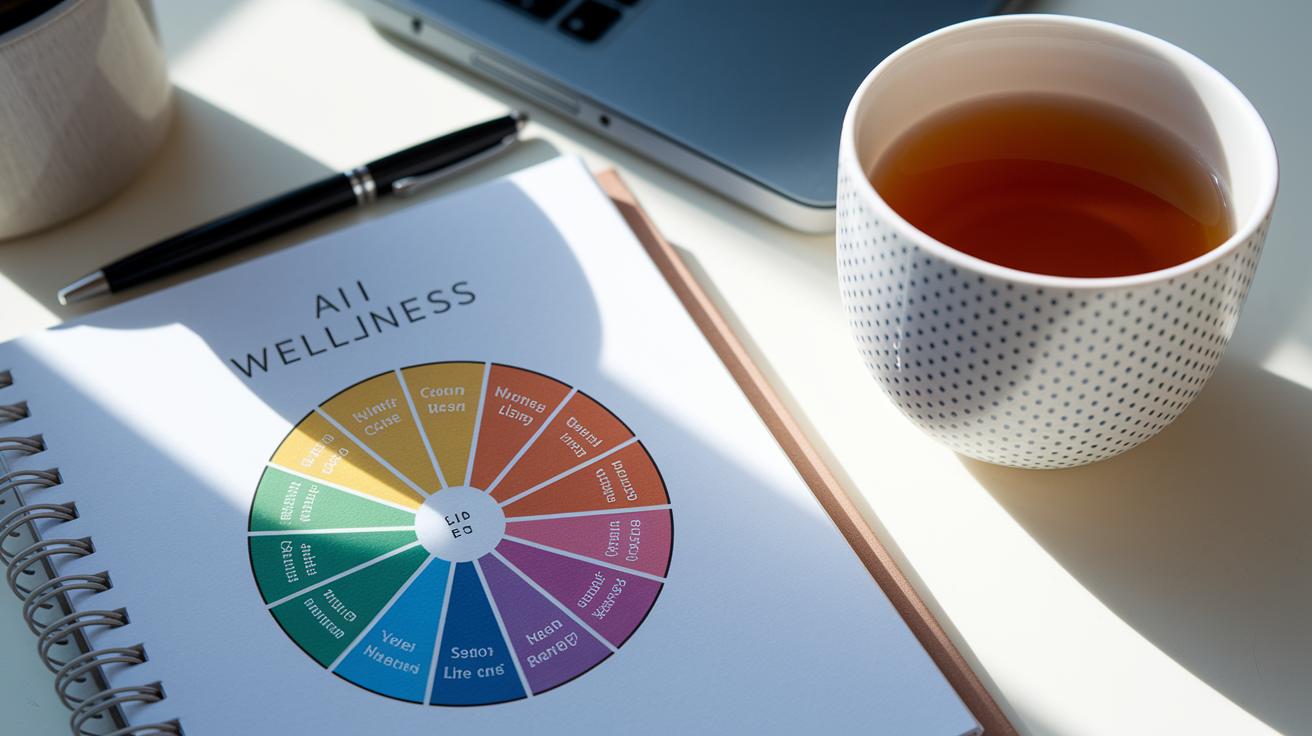
Using a wellness wheel in your daily life is a breeze when you've got the right tools by your side. These free resources include blank diagrams, self-reflection guides, online surveys, and goal-tracking worksheets, all designed with clear, step-by-step instructions and progress logs that help you assess where you are and set new goals. Each free wellness PDF is simple yet effective, encouraging you to notice how small changes can spark greater mindfulness and balance in your everyday routine.
These user-friendly guides not only provide a clear visual layout of your wellness journey, but they also break things down into manageable steps. With these free printables, you can track your progress, revisit your plans whenever you need to, and adjust your routine as your needs change. Whether you like a handy worksheet or an interactive survey tool, these resources are your first step towards transforming everyday habits into lasting, positive change.
| Resource Type | Format | Source URL |
|---|---|---|
| Blank Wheel Diagram | example.com/blank_wheel | |
| Self-Reflection Guide | example.com/self_reflection | |
| Interactive Survey | Online Tool | example.com/interactive_survey |
| Goal-Tracking Worksheet | Printable | example.com/goal_tracking |
Overcoming Common Challenges When Using the Wellness Wheel
Sometimes, being honest with yourself during a self-care check is tougher than it sounds. When you struggle with self-reflection, you might gloss over areas that need attention because you only want to see the good sides. Sure, quick-fix solutions seem easy, but they can keep you from truly understanding where you might need a little extra help.
Time is often another big hurdle. With our busy schedules, it's hard to find a quiet moment to dive deep into self-assessment. Even when you really want to take that time, it often feels rushed, leaving you with a shallow review of your well-being.
A practical wellness plan can really make a difference here. Start by partnering with someone who keeps you accountable, or try keeping a simple journal to track your progress. Setting small, realistic goals can help you build habits that improve your accuracy over time. Exploring options like coaching, therapy, or group discussions can also bridge gaps in self-awareness. Breaking the process into manageable steps turns each challenge into a chance for better balance and a more mindful life.
Final Words
in the action, we explored how the wellness wheel divides well-being into eight clear segments, guiding you through physical, emotional, intellectual, spiritual, social, occupational, environmental, and financial aspects.
We looked at practical steps that bring clinical insights into daily routines while fostering a balanced lifestyle. Embracing actionable self-assessments, goal setting, and regular reviews helps transform health into a vibrant, personal plan. The wellness wheel remains a trusted tool for making informed health decisions and inspiring a life full of progress and positivity.
FAQ
What is the wellness wheel?
The wellness wheel is a holistic model that splits overall well-being into eight interconnected areas—physical, social, emotional, intellectual, spiritual, occupational, environmental, and financial—to help you achieve balance.
What does a wellness wheel template or printable include?
The wellness wheel template often comes as a PDF or worksheet that visually displays the eight dimensions, with instructions for rating each area and setting specific, actionable wellness goals.
How does a wellness wheel assessment activity work?
A wellness wheel assessment activity encourages you to rate your satisfaction in each wellness area, identifying strengths and areas for improvement to focus on practical, achievable goals.
What is meant by the wellness wheel online?
The wellness wheel online refers to digital tools and surveys that let you complete interactive self-assessments, visualize your scores, and track your progress toward balanced well-being.
What are the differences in wellness wheel structures, like 7, 12, or 5 sections?
While the most common wellness wheel includes eight dimensions, some models feature 7, 12, or even 5 sections to address specific needs or contexts, tailoring focus areas for different groups.
What are some examples of a wellness wheel?
Examples of a wellness wheel include downloadable templates, interactive online surveys, and printable worksheets that provide step-by-step guidance for evaluating and planning your wellness improvements.