Synthetic Biology Fuels Breakthrough Science

Have you ever imagined creating life from scratch? Synthetic biology is turning that dream into reality.

Think of it like building a machine, but instead of bolts and screws, you’re using enzymes, cells, and even whole genetic circuits. Scientists aren’t just making tiny tweaks anymore. They’re building entire living systems, much like engineers putting together a complex circuit board.

Today, we’ll explore how this breakthrough science is opening doors to a future filled with exciting innovations in designing life.

Defining Synthetic Biology: Core Principles & Scope

Synthetic biology is about designing and building new forms of life, from tiny enzymes to full cells and even their internal pathways. It mixes ideas from molecular, cell, and systems biology so that scientists can rewire natural processes or create brand-new ones. Think of it like assembling a high-tech machine from custom-made parts, where every piece is carefully modeled and tuned.

Traditional genetic engineering usually means tweaking or inserting a single gene to get a specific outcome. But synthetic biology gathers small, standardized parts and connects them into larger, functioning systems. Instead of making just one change, researchers here design entire circuits and pathways, much like engineers creating an integrated circuit from standard pieces.

Key ideas in synthetic biology include:

  • Abstraction of biological parts
  • Standardization of components
  • Modular design of genetic devices
  • Automated DNA assembly
  • An iterative design-build-test cycle

While the promise of synthetic biology is huge, it comes with challenges. Unlike regular engineering, where materials act predictably, living systems can be unpredictable because of their complex, interwoven interactions. That’s why scientists rely on continuous testing and adjustments to ensure their designs work reliably in the real world.

Core Methodologies in Synthetic Biology Engineering
img-1.jpg

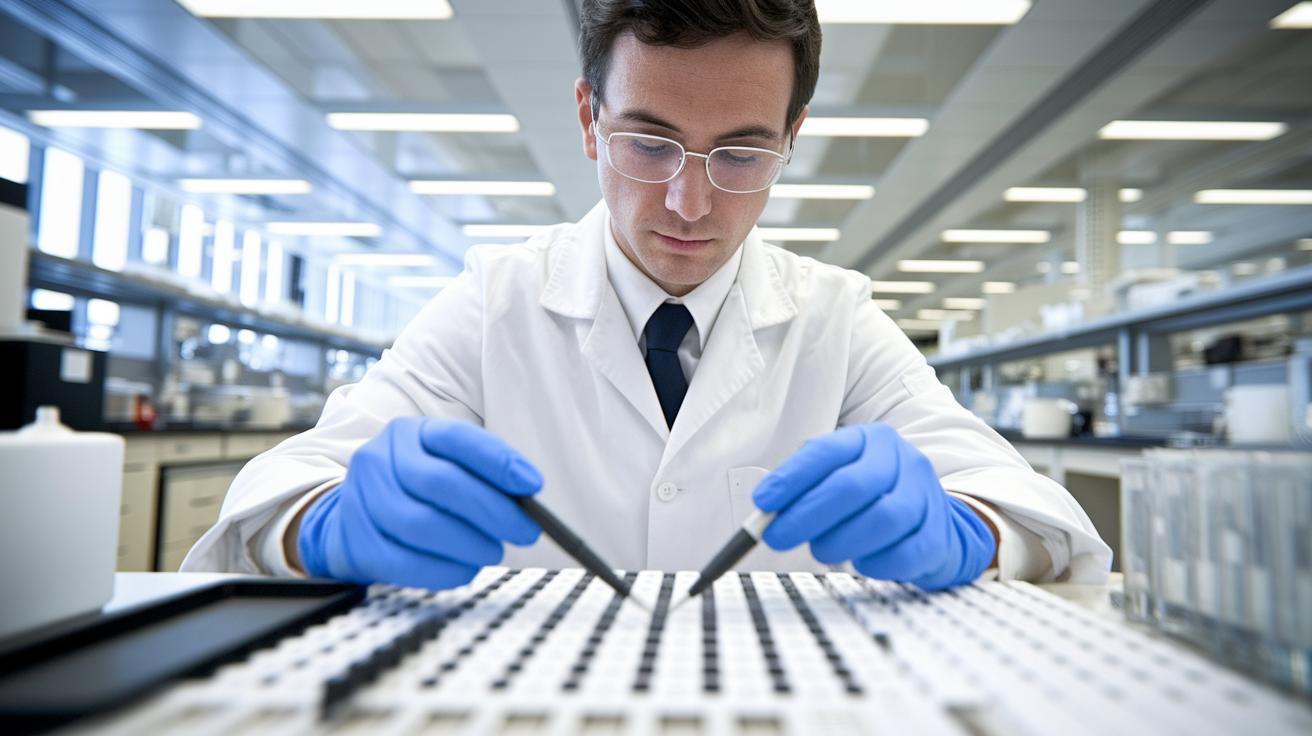
Turning ideas into living biological systems requires a solid mix of techniques. Scientists blend different methods to build, test, and improve engineered organisms efficiently. It’s a bit like following the scientific method, plan carefully, test thoroughly, and adjust until everything works as intended. This diverse set of tools is setting a new benchmark for designing living systems and opening up fresh opportunities for innovation.

CRISPR-Cas9 Gene Editing

CRISPR-Cas9 acts like precise scissors for DNA. Researchers use it to target and change specific DNA sequences accurately. Recent innovations, like base editing and prime editing, make these modifications even cleaner. These improvements help open doors to creating highly customized and effective biological systems.

Gene Circuit Design

Gene circuit design is all about assembling small networks of genetic components so they function together, much like an electronic circuit. Scientists combine parts such as promoters, ribosome binding sites, and transcriptional regulators to build these circuits. Each component is tweaked to ensure that when they come together, the overall system works predictably and efficiently.

Metabolic Pathway Engineering

Metabolic pathway engineering takes natural cellular processes and reconfigures them, or even adds new routes, to boost the production of desired compounds. Techniques like pathway refactoring and enzyme balancing help maximize yields. You can think of it like converting a natural process into a well-organized production line for important biochemicals.

High-Throughput Screening

High-throughput screening uses automated tools and techniques like droplet microfluidics to test countless strains quickly. Smart data tracking systems capture how each variant performs, making it easier to identify the best candidates. By automating these experiments, researchers can rapidly perfect their designs, overcoming the unpredictable nature of biological systems.

Computational Design & Biofoundry Automation

Digital simulation tools are quickly changing the way scientists plan and test biological systems. These tools let researchers create virtual models of genetic circuits and predict how substances flow inside cells (that’s how energy and materials move through a cell), even before they start actual experiments. This hands-on approach cuts down on guesswork and gives researchers the confidence to perfect their designs.

Tool Function Example Use
Gene Designer DNA part assembly Automated plasmid design
Microfluidic Droplet Generator Single-cell assays High-throughput screening
Lab Robotics System Liquid handling Automated strain construction
Circuit Modeling Platform Network simulation Predict promoter strength

Integrating robotics and microfluidics into biofoundries brings the design-build-test cycle into a neat, repeatable process. Imagine being able to produce thousands of variations each week; that's exactly what these automated systems make possible. This not only improves reproducibility but also scales up production, allowing researchers to move swiftly from a concept to a real-world application, even when working with the messy details of living systems.

Synthetic Biology Applications Across Industries
img-2.jpg

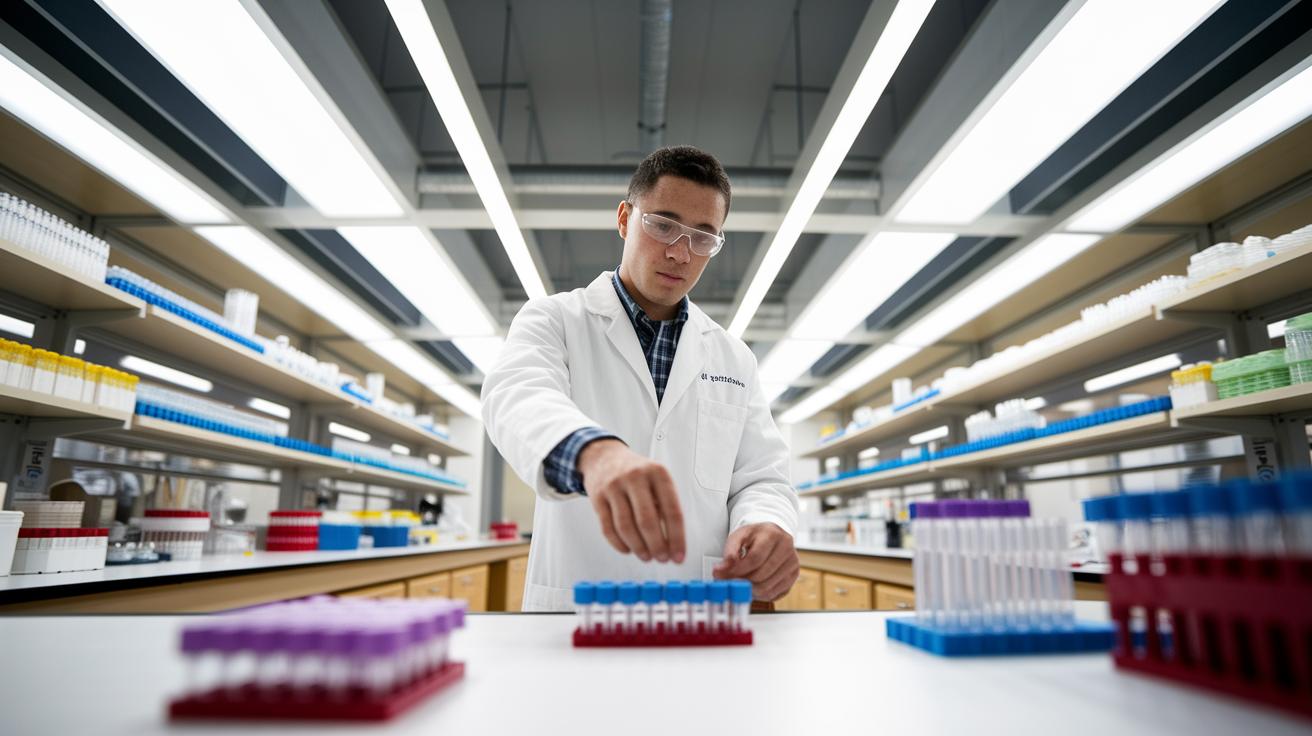
Engineered microbes are changing the game in medicine. Labs are busy tweaking tiny bacteria to produce therapeutic proteins and even cutting-edge mRNA vaccines. Researchers have made strides with engineered E. coli, which now create complex protein drugs that meet strict clinical benchmarks. It’s wild to think that some microbes can be reprogrammed to produce life-saving vaccines at a much lower cost than traditional methods, it opens up scalable solutions for global health.

Scientists are also giving plants a high-tech boost. They’re modifying crops so that they naturally fight off pests and can even pull nitrogen from the air. This means the plants need fewer synthetic fertilizers, which is kinder to the environment. For example, experimental nitrogen-fixing cereals have shown promising results by enriching soil and boosting yields. Imagine a future with less pesticide use and more sustainable farming practices.

Microbes aren’t stopping at medicine and crops. In industrial biotech, they’re being put to work making renewable biofuels, eco-friendly bioplastics, and specialty chemicals. Companies are ramping up production with these tiny powerhouses to replace fossil-based products. One exciting project involves using kombucha-derived cellulose to create vegan leather alternatives, offering a cruelty-free option for fashion that also cuts down our environmental footprint.

Meanwhile, cell-based biosensors are emerging as super sensitive, living detectors. These biosensors can catch pollutants or early signs of disease almost in real time. Recent studies show they can monitor water quality and spot health anomalies as they happen, blending the best of innovative science and everyday wellness.

Ethical, Safety & Regulatory Frameworks in Synthetic Biology

At the heart of synthetic biology is a strong focus on biosafety. Labs follow strict routines to keep everyone safe, whether they're using a high-tech facility or a simple desktop lab. Everyday practices like safe waste disposal, controlled room access, and thorough decontamination are standard. For example, you might notice a double-door entry system in some specialized workspaces, this helps prevent accidental exposure to engineered materials.

On a global level, clear international rules guide synthetic biology projects. In the United States, agencies stick to NIH Guidelines, while European labs follow GMO directives, and many also adhere to the Cartagena Protocol on Biosafety. These shared standards ensure that bioengineering projects meet safety benchmarks and address concerns that cross borders. Countries even hold regular discussions to update these guidelines as new research emerges.

Ethical concerns are always on the table in synthetic biology. While these projects offer amazing benefits, there’s also a risk they could be misused. Experts are busy debating how to ensure fair access to these breakthrough technologies while keeping decision-making open and transparent. These honest conversations help balance innovation with important societal values.

Understanding the impact on our environment is also essential. Researchers conduct detailed studies to see how modified organisms might interact with natural ones, including testing for gene flow and using ecological models. By checking how quickly synthetic products break down, scientists work hard to minimize any harm to ecosystems and protect both nature and our well-being.

Education & Career Pathways in Synthetic Biology
img-3.jpg

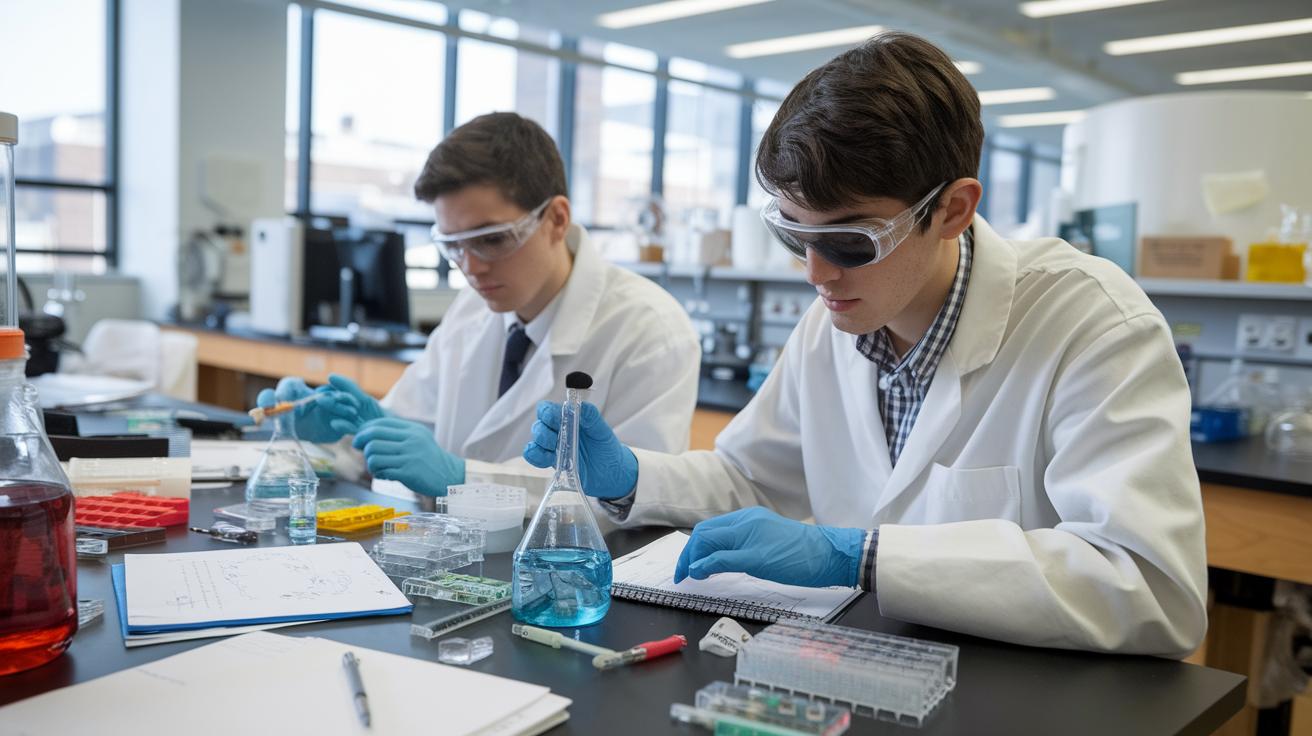
Many colleges now offer synthetic biology as part of their bioengineering programs. These courses mix theory with plenty of hands-on work. You learn about gene reprogramming (changing the way genes work), metabolic engineering (adjusting how cells process energy), and even how to design basic genetic circuits. One memorable class had students build tiny circuits that worked like simple electronic systems, truly a moment when textbook ideas turned into real-world skills.

Online learning has opened up even more ways to get into the field. Platforms now offer courses on gene editing, advanced CRISPR techniques (a method to precisely change genes), and metabolic engineering. These lessons use video tutorials, quizzes, and virtual lab simulations that make complex ideas easier to grasp. For example, one course might challenge you to use digital tools to mimic the behavior of genetic circuits before you try building one for real.

Career paths in synthetic biology are growing fast. Job titles range from biofoundry technician to bioprocess engineer and synthetic biologist, often in exciting startups in medicine or agriculture. Competitions like iGEM give students a chance to work on real projects, gain practical skills, and discover innovative career opportunities.

Advanced gene editing tools like CRISPR prime and base editing let scientists adjust DNA with spot-on precision. It’s a bit like a tailor tweaking a suit for a perfect fit. This breakthrough is paving the way for therapies that are more personalized and truly effective.

Innovations in bio-manufacturing are breaking through production roadblocks. New techniques like continuous bioprocessing and cell-free systems make it possible to shift from small-scale experiments to large-scale production. Think of it as upgrading from cooking at home to running an automated factory, where every step is fine-tuned to boost output and cut down on variability.

Decentralized desktop biofoundries are also changing the research game. These compact, automated labs let scientists design, build, and test engineered systems on demand. Imagine having a mini lab that can do what used to require a vast, specialized facility, it makes synthetic biology feel more accessible and ready to meet emerging research needs.

Future applications are equally exciting. Projects with synthetic chromosomes and minimal genomes might soon lead to cell therapies tailored just for you. Moreover, climate-cleaning microbes and new ways to produce sustainable materials could offer fresh solutions to long-standing environmental and industrial challenges.

Final Words

In the action, we explored how synthetic biology bridges advanced clinical research with practical wellness solutions. Key topics touched on include the definition of synthetic biology, modular genetic methods, and automated tools that streamline construction. We looked at robust editing techniques, regulatory safeguards, and educational pathways empowering innovative health practices. Each insight contributed to a clearer picture of modern science transforming health. The outlook remains optimistic as ongoing research and fresh ideas pave the way for improved well-being.

FAQ

What is synthetic biology?

The inquiry “What is synthetic biology?” describes a field that designs and constructs new biological systems—like enzymes, genetic circuits, and cells—to address challenges in health, industry, and the environment.

What are examples and applications of synthetic biology?

The inquiry “What is an example of synthetic biology?” includes engineered microbes for therapeutic protein production, modified crops for pest resistance, and biofuel-producing organisms, demonstrating tangible benefits in medicine, agriculture, and industry.

How is synthetic biology used today?

The inquiry “How is synthetic biology used today?” shows that techniques like automated DNA assembly, gene circuit design, and CRISPR editing are applied in biofoundries to streamline new product development across multiple sectors.

How does synthetic biology differ from genetic engineering?

The inquiry “Synthetic biology vs genetic engineering” points out that synthetic biology builds modular, standardized biological systems from scratch, while genetic engineering typically focuses on modifying existing genetic material.

Why is synthetic biology controversial?

The inquiry “Why is synthetic biology controversial?” reveals concerns over safety protocols, ethical risks, and potential dual-use issues, as engineered organisms may have unpredictable impacts on ecosystems and public health.

What resources support education and careers in synthetic biology?

The inquiry into synthetic biology careers, companies, journals, books, and presentations shows a rapidly expanding field, with varied opportunities for academic enrichment, student competitions, professional roles, and industry insights.

Have you ever imagined creating life from scratch? Synthetic biology is turning that dream into reality.

Think of it like building a machine, but instead of bolts and screws, you’re using enzymes, cells, and even whole genetic circuits. Scientists aren’t just making tiny tweaks anymore. They’re building entire living systems, much like engineers putting together a complex circuit board.

Today, we’ll explore how this breakthrough science is opening doors to a future filled with exciting innovations in designing life.

Defining Synthetic Biology: Core Principles & Scope

Synthetic biology is about designing and building new forms of life, from tiny enzymes to full cells and even their internal pathways. It mixes ideas from molecular, cell, and systems biology so that scientists can rewire natural processes or create brand-new ones. Think of it like assembling a high-tech machine from custom-made parts, where every piece is carefully modeled and tuned.

Traditional genetic engineering usually means tweaking or inserting a single gene to get a specific outcome. But synthetic biology gathers small, standardized parts and connects them into larger, functioning systems. Instead of making just one change, researchers here design entire circuits and pathways, much like engineers creating an integrated circuit from standard pieces.

Key ideas in synthetic biology include:

  • Abstraction of biological parts
  • Standardization of components
  • Modular design of genetic devices
  • Automated DNA assembly
  • An iterative design-build-test cycle

While the promise of synthetic biology is huge, it comes with challenges. Unlike regular engineering, where materials act predictably, living systems can be unpredictable because of their complex, interwoven interactions. That’s why scientists rely on continuous testing and adjustments to ensure their designs work reliably in the real world.

Core Methodologies in Synthetic Biology Engineering

img-1.jpg

Turning ideas into living biological systems requires a solid mix of techniques. Scientists blend different methods to build, test, and improve engineered organisms efficiently. It’s a bit like following the scientific method, plan carefully, test thoroughly, and adjust until everything works as intended. This diverse set of tools is setting a new benchmark for designing living systems and opening up fresh opportunities for innovation.

CRISPR-Cas9 Gene Editing

CRISPR-Cas9 acts like precise scissors for DNA. Researchers use it to target and change specific DNA sequences accurately. Recent innovations, like base editing and prime editing, make these modifications even cleaner. These improvements help open doors to creating highly customized and effective biological systems.

Gene Circuit Design

Gene circuit design is all about assembling small networks of genetic components so they function together, much like an electronic circuit. Scientists combine parts such as promoters, ribosome binding sites, and transcriptional regulators to build these circuits. Each component is tweaked to ensure that when they come together, the overall system works predictably and efficiently.

Metabolic Pathway Engineering

Metabolic pathway engineering takes natural cellular processes and reconfigures them, or even adds new routes, to boost the production of desired compounds. Techniques like pathway refactoring and enzyme balancing help maximize yields. You can think of it like converting a natural process into a well-organized production line for important biochemicals.

High-Throughput Screening

High-throughput screening uses automated tools and techniques like droplet microfluidics to test countless strains quickly. Smart data tracking systems capture how each variant performs, making it easier to identify the best candidates. By automating these experiments, researchers can rapidly perfect their designs, overcoming the unpredictable nature of biological systems.

Computational Design & Biofoundry Automation

Digital simulation tools are quickly changing the way scientists plan and test biological systems. These tools let researchers create virtual models of genetic circuits and predict how substances flow inside cells (that’s how energy and materials move through a cell), even before they start actual experiments. This hands-on approach cuts down on guesswork and gives researchers the confidence to perfect their designs.

Tool Function Example Use
Gene Designer DNA part assembly Automated plasmid design
Microfluidic Droplet Generator Single-cell assays High-throughput screening
Lab Robotics System Liquid handling Automated strain construction
Circuit Modeling Platform Network simulation Predict promoter strength

Integrating robotics and microfluidics into biofoundries brings the design-build-test cycle into a neat, repeatable process. Imagine being able to produce thousands of variations each week; that's exactly what these automated systems make possible. This not only improves reproducibility but also scales up production, allowing researchers to move swiftly from a concept to a real-world application, even when working with the messy details of living systems.

Synthetic Biology Applications Across Industries

img-2.jpg

Engineered microbes are changing the game in medicine. Labs are busy tweaking tiny bacteria to produce therapeutic proteins and even cutting-edge mRNA vaccines. Researchers have made strides with engineered E. coli, which now create complex protein drugs that meet strict clinical benchmarks. It’s wild to think that some microbes can be reprogrammed to produce life-saving vaccines at a much lower cost than traditional methods, it opens up scalable solutions for global health.

Scientists are also giving plants a high-tech boost. They’re modifying crops so that they naturally fight off pests and can even pull nitrogen from the air. This means the plants need fewer synthetic fertilizers, which is kinder to the environment. For example, experimental nitrogen-fixing cereals have shown promising results by enriching soil and boosting yields. Imagine a future with less pesticide use and more sustainable farming practices.

Microbes aren’t stopping at medicine and crops. In industrial biotech, they’re being put to work making renewable biofuels, eco-friendly bioplastics, and specialty chemicals. Companies are ramping up production with these tiny powerhouses to replace fossil-based products. One exciting project involves using kombucha-derived cellulose to create vegan leather alternatives, offering a cruelty-free option for fashion that also cuts down our environmental footprint.

Meanwhile, cell-based biosensors are emerging as super sensitive, living detectors. These biosensors can catch pollutants or early signs of disease almost in real time. Recent studies show they can monitor water quality and spot health anomalies as they happen, blending the best of innovative science and everyday wellness.

Ethical, Safety & Regulatory Frameworks in Synthetic Biology

At the heart of synthetic biology is a strong focus on biosafety. Labs follow strict routines to keep everyone safe, whether they're using a high-tech facility or a simple desktop lab. Everyday practices like safe waste disposal, controlled room access, and thorough decontamination are standard. For example, you might notice a double-door entry system in some specialized workspaces, this helps prevent accidental exposure to engineered materials.

On a global level, clear international rules guide synthetic biology projects. In the United States, agencies stick to NIH Guidelines, while European labs follow GMO directives, and many also adhere to the Cartagena Protocol on Biosafety. These shared standards ensure that bioengineering projects meet safety benchmarks and address concerns that cross borders. Countries even hold regular discussions to update these guidelines as new research emerges.

Ethical concerns are always on the table in synthetic biology. While these projects offer amazing benefits, there’s also a risk they could be misused. Experts are busy debating how to ensure fair access to these breakthrough technologies while keeping decision-making open and transparent. These honest conversations help balance innovation with important societal values.

Understanding the impact on our environment is also essential. Researchers conduct detailed studies to see how modified organisms might interact with natural ones, including testing for gene flow and using ecological models. By checking how quickly synthetic products break down, scientists work hard to minimize any harm to ecosystems and protect both nature and our well-being.

Education & Career Pathways in Synthetic Biology

img-3.jpg

Many colleges now offer synthetic biology as part of their bioengineering programs. These courses mix theory with plenty of hands-on work. You learn about gene reprogramming (changing the way genes work), metabolic engineering (adjusting how cells process energy), and even how to design basic genetic circuits. One memorable class had students build tiny circuits that worked like simple electronic systems, truly a moment when textbook ideas turned into real-world skills.

Online learning has opened up even more ways to get into the field. Platforms now offer courses on gene editing, advanced CRISPR techniques (a method to precisely change genes), and metabolic engineering. These lessons use video tutorials, quizzes, and virtual lab simulations that make complex ideas easier to grasp. For example, one course might challenge you to use digital tools to mimic the behavior of genetic circuits before you try building one for real.

Career paths in synthetic biology are growing fast. Job titles range from biofoundry technician to bioprocess engineer and synthetic biologist, often in exciting startups in medicine or agriculture. Competitions like iGEM give students a chance to work on real projects, gain practical skills, and discover innovative career opportunities.

Advanced gene editing tools like CRISPR prime and base editing let scientists adjust DNA with spot-on precision. It’s a bit like a tailor tweaking a suit for a perfect fit. This breakthrough is paving the way for therapies that are more personalized and truly effective.

Innovations in bio-manufacturing are breaking through production roadblocks. New techniques like continuous bioprocessing and cell-free systems make it possible to shift from small-scale experiments to large-scale production. Think of it as upgrading from cooking at home to running an automated factory, where every step is fine-tuned to boost output and cut down on variability.

Decentralized desktop biofoundries are also changing the research game. These compact, automated labs let scientists design, build, and test engineered systems on demand. Imagine having a mini lab that can do what used to require a vast, specialized facility, it makes synthetic biology feel more accessible and ready to meet emerging research needs.

Future applications are equally exciting. Projects with synthetic chromosomes and minimal genomes might soon lead to cell therapies tailored just for you. Moreover, climate-cleaning microbes and new ways to produce sustainable materials could offer fresh solutions to long-standing environmental and industrial challenges.

Final Words

In the action, we explored how synthetic biology bridges advanced clinical research with practical wellness solutions. Key topics touched on include the definition of synthetic biology, modular genetic methods, and automated tools that streamline construction. We looked at robust editing techniques, regulatory safeguards, and educational pathways empowering innovative health practices. Each insight contributed to a clearer picture of modern science transforming health. The outlook remains optimistic as ongoing research and fresh ideas pave the way for improved well-being.

FAQ

What is synthetic biology?

The inquiry “What is synthetic biology?” describes a field that designs and constructs new biological systems—like enzymes, genetic circuits, and cells—to address challenges in health, industry, and the environment.

What are examples and applications of synthetic biology?

The inquiry “What is an example of synthetic biology?” includes engineered microbes for therapeutic protein production, modified crops for pest resistance, and biofuel-producing organisms, demonstrating tangible benefits in medicine, agriculture, and industry.

How is synthetic biology used today?

The inquiry “How is synthetic biology used today?” shows that techniques like automated DNA assembly, gene circuit design, and CRISPR editing are applied in biofoundries to streamline new product development across multiple sectors.

How does synthetic biology differ from genetic engineering?

The inquiry “Synthetic biology vs genetic engineering” points out that synthetic biology builds modular, standardized biological systems from scratch, while genetic engineering typically focuses on modifying existing genetic material.

Why is synthetic biology controversial?

The inquiry “Why is synthetic biology controversial?” reveals concerns over safety protocols, ethical risks, and potential dual-use issues, as engineered organisms may have unpredictable impacts on ecosystems and public health.

What resources support education and careers in synthetic biology?

The inquiry into synthetic biology careers, companies, journals, books, and presentations shows a rapidly expanding field, with varied opportunities for academic enrichment, student competitions, professional roles, and industry insights.

More from author

LEAVE A REPLY

Please enter your comment!
Please enter your name here

Related posts

Advertismentspot_img

Latest posts

How To Create A Daily Wellness Routine: Thriving

Curious about how to create a daily wellness routine that transforms your mornings and days? Read on as secrets await…

2 Daily Wellness Drink Tips For Radiance

Experience a daily wellness drink with natural herbs, green ingredients, and clinical backing that might change your routine forever, stay tuned.

Daily Wellness: Elevate Your Everyday Vitality

Daily wellness transforms everyday routines into mindful adjustments, merging nutrition, movement, and restorative sleep. What unforeseen practice awaits you next?

Want to stay up to date with the latest news?

We would love to hear from you! Please fill in your details and we will stay in touch. It's that simple!