Treatment Options For Prostate Cancer: Bright Outcomes

Have you ever wondered if a diagnosis of prostate cancer could lead to positive outcomes? Many treatment options offer hope and the chance to improve your quality of life.

Some patients may choose active surveillance, which means careful monitoring of the cancer. Others might opt for surgery, radiation, hormone therapy, or focal ablation, all aimed at targeting the disease while keeping everyday life in mind.

Each treatment path has its own benefits. Even when the odds seem tough, these options can help boost your well-being and support a brighter future.

Comprehensive Overview of Prostate Cancer Treatment Options

When treating prostate cancer, doctors first try to understand how the tumor behaves. Many patients develop adenocarcinoma, a type of cancer that usually grows slowly. For these patients, doctors may choose active surveillance. This means they carefully monitor the condition with regular PSA tests, digital exams, and sometimes biopsies. If the cancer is caught early, nearly 99% of patients live for at least five years. However, if the cancer has spread, only about 32% do.

Surgery is another common treatment. In these procedures, surgeons remove the prostate gland using a method best suited for each case. They might use robotic tools, laparoscopy (which involves small incisions), or traditional open surgery. The goal is to get rid of the tumor while keeping the nerves and tissues that help with bladder control and sexual function as intact as possible.

Radiation therapy offers several approaches to target the cancer. External beam radiotherapy delivers focused radiation from outside the body. In brachytherapy, tiny radioactive seeds are implanted directly into the prostate gland. A newer option, proton beam therapy, delivers radiation with extra precision to hit only the cancer cells while protecting nearby healthy tissues.

Hormone therapy works by lowering testosterone levels because testosterone can fuel cancer growth. This treatment can slow down the tumor but might lead to side effects such as mood changes or lower bone density. Another option is focal ablation. Techniques like focused ultrasound or cryotherapy (freezing the cancer cells) directly target the tumor and help keep the surrounding healthy tissue safe.

In more advanced cases, doctors often mix these treatments to best suit the patient’s needs. There are also exciting new options under study, such as targeted drug therapies and improved imaging methods. All these choices are tailored to the individual, taking into account the Gleason score, detailed staging tests, and overall health, ensuring each patient finds the treatment that works best for them.

Active Surveillance and Watchful Waiting in Early-Stage Prostate Cancer

img-1.jpg

Active surveillance is a careful approach taken for men diagnosed with early-stage prostate cancer. It’s usually recommended for patients with small tumors, a Gleason score under 6 (a score that shows how much the cancer cells differ from normal cells), and cancer confined to the prostate. Screening often starts around age 55, or even earlier if someone has higher risk factors, and generally stops after age 70. Doctors rely on tests like the PSA test (a blood test for a protein linked to prostate health), digital rectal exams (a physical exam of the prostate), imaging scans, and biopsies to keep an eye on the cancer. For example, a patient might have a PSA test every six months and a biopsy every one to two years to catch any changes early.

On the other hand, watchful waiting is quite similar to active surveillance but is more about managing symptoms than strict monitoring. With active surveillance, if PSA levels go up or biopsy results change, doctors might suggest starting treatment right away. Patients are encouraged to chat with their healthcare team about any new symptoms. This approach allows patients to delay more invasive treatments while staying informed about the state of their cancer. Regular follow-up visits and repeat tests help guide decisions about if and when to begin treatment. The main goal here is to keep a good quality of life while ensuring that any progression in the cancer is dealt with quickly.

Surgical Interventions: Comparing Prostatectomy Techniques

Radical prostatectomy means completely removing the prostate. There are several ways to do this. In open surgery, the surgeon makes a larger cut to reach the prostate. This method usually means a longer hospital stay, more blood loss, and a higher chance of nerve issues that can affect bladder control and sexual function. Many patients notice that regaining bladder control takes a bit longer after this type of surgery.

Laparoscopic prostatectomy uses a few small cuts and special tools to remove the gland. This approach usually results in less blood loss and a shorter hospital stay. Patients often feel less pain and get back to their normal routines more quickly. The small incisions allow the surgeon to work carefully, striking a balance between removing all of the prostate and protecting important nerves.

Robotic-assisted prostatectomy pushes minimally invasive techniques even further. With this method, surgeons guide robotic arms that give them a clear, three-dimensional view of the area. This extra precision minimizes blood loss and speeds up recovery time. It also improves the chances of preserving nerves that help keep urinary and sexual functions intact. For example, some patients enjoy a quicker recovery and fewer post-surgery issues thanks to the robotic approach.

Surgery Type Approach Average Hospital Stay Blood Loss (mL) Nerve-Sparing Potential
Open Prostatectomy Traditional open incision 4-6 days 800-1200 Moderate
Laparoscopic Prostatectomy Small incisions with camera guidance 2-4 days 400-600 Good
Robotic-Assisted Prostatectomy Robot-guided, minimally invasive 1-3 days 200-400 High

Doctors decide which method to use based on factors like tumor stage, a patient’s body structure, and other health issues. Understanding these differences helps doctors guide patients to the treatment that best suits their needs.

Radiation Therapy Approaches for Prostate Cancer Management

img-2.jpg

External beam radiotherapy (EBRT) uses focused radiation beams from outside your body. This treatment is given over 37 to 45 sessions, usually on a daily basis. Doctors use detailed images to plan the dose so the radiation hits the cancer while leaving nearby healthy tissue mostly untouched. These images help tailor the number of sessions and the strength of each dose to suit each person.

EBRT:

  • Pros: It is noninvasive, works well for cancer that is found in one area, and is backed by a lot of research.
  • Cons: It requires many sessions over several weeks and can sometimes cause tiredness and skin irritation.

Brachytherapy involves placing tiny radioactive seeds right into the prostate. This method delivers a high dose of radiation directly to the tumor, with images used during planning to help place the seeds accurately and spread the dose evenly.

Brachytherapy:

  • Pros: It focuses the radiation on the tumor, can shorten the overall treatment time, and helps protect healthy tissue.
  • Cons: It is an invasive procedure, is best for small and clearly defined tumors, and there is a risk that the seeds might shift.

Proton beam therapy uses charged particles that deposit most of their energy at a specific depth. This careful dose planning keeps the radiation away from healthy tissue, making it ideal when precision is key.

Proton Beam Therapy:

  • Pros: It offers very targeted treatment with little damage to surrounding tissues, which is perfect when precise control is needed.
  • Cons: It isn’t available everywhere, tends to cost more, and demands a lot of detailed planning.

Each of these treatments relies on advanced imaging and careful dose planning to aim for the best results while reducing side effects.

Hormonal and Androgen Deprivation Therapies in Prostate Cancer

Androgen deprivation therapy, or ADT, works by lowering the testosterone that helps prostate cancer grow. Doctors use special medicines like GnRH agonists (which eventually lower testosterone) or GnRH antagonists (which block signals to make testosterone) and sometimes perform a surgery to remove the testes, known as orchiectomy. Even though these treatments bring testosterone levels down quickly, a small amount still stays in the body. For example, a patient might get a GnRH agonist shot once a month to keep testosterone low.

Most ADT treatments are given in cycles. This means patients have regular check-ups where doctors monitor PSA levels (a marker for prostate cancer) and check for any new symptoms. Along with these visits, routine scans and blood tests are done to make sure the treatment is effectively slowing down the cancer.

ADT can help slow tumor growth, but it may also cause side effects. Patients might notice changes like sexual dysfunction, hot flashes, feeling very tired, or a drop in bone strength. It’s important to talk with a healthcare provider about these issues so you can find ways to manage any discomfort.

For patients facing high-risk prostate cancer, doctors might recommend combining ADT with chemotherapy. This mix targets the cancer cells from different angles, which can be especially helpful when the tumor is aggressive or starts to spread quickly. Each patient is carefully evaluated to decide if the benefits of this combined approach are worth any extra side effects.

Focal Ablation Techniques: Minimally Invasive Local Treatments
img-3.jpg

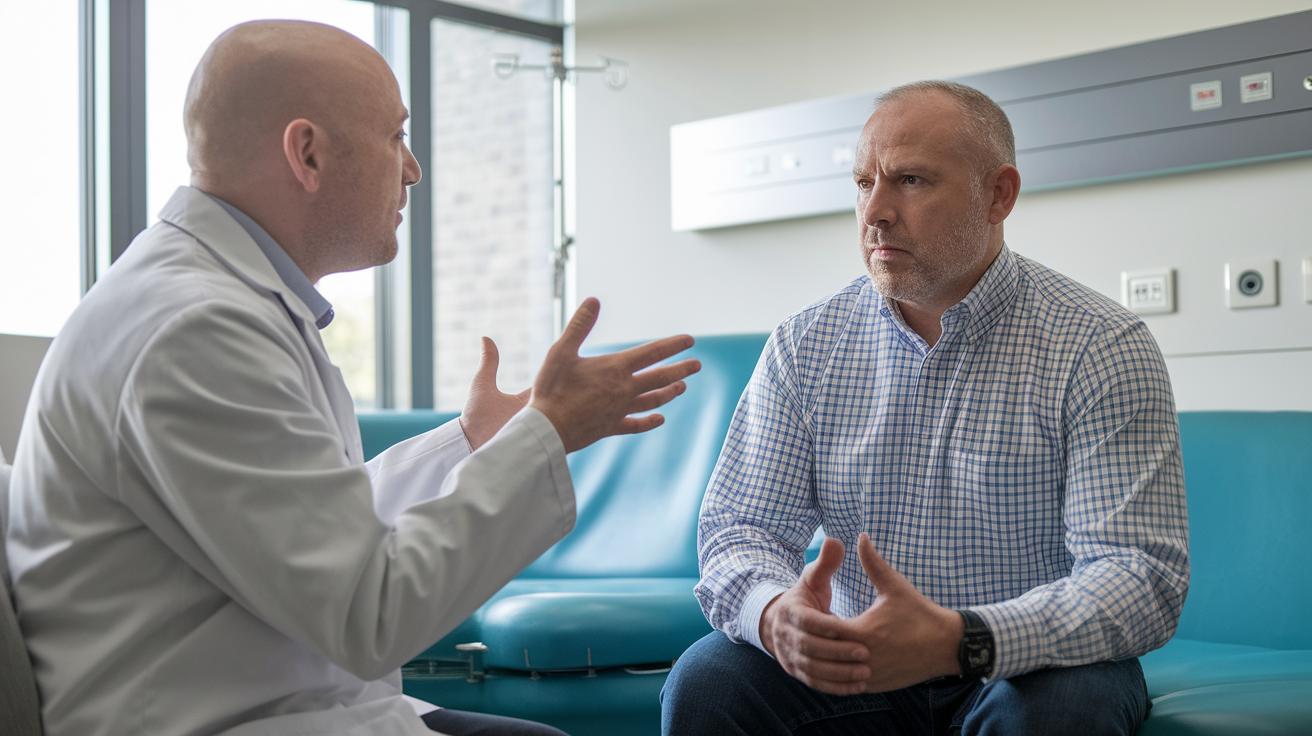
Focal ablation is a modern treatment that zeroes in on prostate cancer by targeting only the tumor, which means most of the healthy tissue stays untouched. In one method, cryoablation uses argon gas probes to freeze the cancer cells. Patients often mention feeling a gentle, localized cooling that keeps the tumor in check during the short procedure.

High-intensity focused ultrasound, or HIFU, is another approach. It uses focused sound waves to gently heat and destroy cancer cells. This treatment relies on clear imaging to ensure it only affects the problematic areas. Often, patients notice a slight warming sensation and can return to their everyday activities within just a few days.

There’s also laser tissue ablation. This method uses precise laser energy to vaporize abnormal cells, and while it’s still being studied more, it shows promise for situations where pinpoint accuracy is key. Generally, doctors decide on focal ablation based on factors like the tumor’s size, its location, and the patient’s overall health.

Regular follow-up, including imaging tests and PSA checks, helps make sure the tumor stays under control. Overall, these innovative techniques offer a gentler way for men to manage their cancer while keeping their quality of life in focus.

Combination and Multimodal Strategies for Advanced Prostate Cancer

When dealing with advanced or high-risk prostate cancer, treatment isn’t a one-size-fits-all approach. Instead, doctors mix different methods to get the best result. They may combine surgery or radiation with hormone therapy. For example, one patient might have prostate surgery and then take hormone therapy to lower testosterone, which, in simple terms, is a hormone that can help cancer grow.

A team of health experts makes the call. Urologists, radiation doctors, and medical oncologists work closely to review each patient’s unique situation. They check details like the tumor stage, the Gleason score (which shows how aggressive the cancer is), and overall health. By sharing ideas, they create a plan that aims to control the tumor locally and lower the chance of the cancer coming back. One good example is using radiation to hit the tumor while the hormone treatment works through the whole body, tackling cancer both inside and outside the prostate.

Patients also appreciate the personalized monitoring during these combined treatments. Regular tests and follow-up visits let the team know if any adjustments are needed. This approach carefully weighs the benefits against possible side effects, helping many patients enjoy better outcomes. Ultimately, this team-based, mix-and-match plan is all about balancing strong cancer control with a good quality of life.

Emerging and Experimental Therapies in Prostate Cancer Care

img-4.jpg

Doctors are testing new treatments that may change how prostate cancer is treated. Researchers are exploring immunotherapy, which uses the body’s natural defenses to fight cancer. For example, trials with the sipuleucel-T vaccine and checkpoint inhibitors have shown promise. One study even mentioned a patient who noticed improvements soon after starting a checkpoint inhibitor trial, suggesting that the immune system might help control tumor growth.

Scientists are also looking into targeted molecular therapies. One example is PARP inhibitors, designed for patients whose cancer cells struggle to repair damaged DNA. In simple terms, if cancer cells have a hard time fixing their DNA, these drugs can slow tumor growth. Additionally, new oral medications are being tried to offer treatments that are less invasive and more tailored to a patient’s genetic profile. In these studies, doctors select patients based on specific genetic markers, making the treatment more precise.

Another promising treatment is PSMA-targeted radioligand therapy. This innovative method uses special molecules that attach to proteins on prostate cancer cells and carries a small amount of radiation to attack even very small clusters of cancer. Advanced PET imaging helps doctors spot tiny pockets of cancer, ensuring these treatments reach every affected area.

Even though many of these treatments are still being tested, they offer hope for more personalized and effective prostate cancer care in the future. Researchers are committed to finding safer treatments that lead to better outcomes, ultimately aiming for a brighter future for patients.

Managing Side Effects and Quality of Life Post-Treatment

After finishing treatment for prostate cancer, many patients begin a careful journey to ease side effects and keep life enjoyable. Treatments, such as hormone therapy, can sometimes cause bone loss and shifts in metabolism, while surgery might lead to urinary challenges or affect sexual function. Radiation may irritate the bowel or bladder. Each of these issues calls for regular care and tailored strategies.

Many patients follow a rehabilitation plan that includes pelvic floor exercises to strengthen muscles and improve bladder control, much like doing warm-up stretches before a workout. They may also manage hormone-related side effects with lifestyle tweaks and prescribed medications to balance their metabolism. In addition, sexual rehabilitation becomes a key part of recovery. Healthcare providers often offer advice on techniques and therapies to gradually restore sexual function.

Sometimes, palliative care is added to the overall support plan. This type of care focuses on making day-to-day living as comfortable as possible by combining physical treatments with emotional and social support. Regular check-ups help the healthcare team adjust the recovery plan, making sure issues like bone health receive the attention they need.

  • Training to improve bladder control
  • Guidance on sexual rehabilitation
  • Routine bone health checks

These strategies work together to help patients adjust and enhance their everyday lives after treatment.

Personalized Decision-Making Based on Stage, Risk, and Patient Factors

img-5.jpg

When it comes to choosing a treatment for prostate cancer, every detail counts. Doctors look at the Gleason score, which tells them how different the cancer cells are from normal ones, along with PSA levels, tumor stage, other health conditions, how long the patient might live, and what the patient feels is best. For example, a man with a low Gleason score and a tumor that hasn't spread far might be offered a less invasive treatment, while a higher score usually means a need for stronger treatment.

A team of specialists, such as urologists, radiation experts, and medical oncologists, often gets together to review each case. They use clinical details, along with extra tests like biomarkers and genomic assays (tests that look at a patient’s genes), to piece together an approach that fits the patient perfectly. Think of it like working on a puzzle where every piece has to fit nicely to reveal the complete picture.

In the final decision-making steps, doctors share these tailored plans with the patient. They discuss each treatment option, looking at both the benefits and any possible side effects, and they adjust the plan based on the patient’s feelings about the risks and rewards. This personal approach not only supports the patient in making confident choices but also ensures that every treatment plan is backed by solid medical evidence and individual needs.

Final Words

In the action, this post covered a full spectrum of treatment options for prostate cancer, from active surveillance and advanced surgical techniques to targeted radiation, hormonal therapies, and focal ablation. It also looked at combination strategies, emerging therapies, and quality-of-life measures post-treatment.

The insights shared guide informed decision-making tailored to individual needs. Staying curious and updated paves the way for confident, informed health choices and a positive path toward better well-being.

FAQ

What is the best treatment for early-stage or non-aggressive prostate cancer?

The best treatment for early-stage or non-aggressive prostate cancer often involves active surveillance and watchful waiting, with regular tests and biopsies to monitor any changes before deciding on more invasive therapies.

How does prostate cancer treatment vary by stage?

Prostate cancer treatment varies with stage; localized cases may be managed with surgery, radiation, or surveillance, while advanced stages often involve hormone therapy and combined treatment strategies to manage spread.

What are the 4 stages of prostate cancer?

The four stages of prostate cancer—Stages I, II, III, and IV—are classified based on tumor size, lymph node involvement, and distant spread, with each stage guiding the treatment plan and prognosis.

What is the most common and effective treatment for prostate cancer?

The most common and effective treatments for prostate cancer include surgery, such as nerve-sparing radical prostatectomy, and radiation therapy, with the choice depending on the cancer stage, PSA levels, and patient health.

What are some of the best and latest prostate cancer treatments available?

Some top treatments use advanced surgical techniques, precise radiation modalities, and tailored hormone therapies, while emerging options like targeted drugs and immunotherapies are under ongoing clinical investigation.

What symptoms are associated with prostate cancer?

Prostate cancer symptoms can include difficulty urinating, increased urinary frequency, and discomfort in the back or pelvis, although early stages may show few or no noticeable signs.

What does prostate cancer surgery involve?

Prostate cancer surgery typically involves removing part or all of the prostate using robotic, laparoscopic, or open procedures, with nerve-sparing techniques available to help preserve urinary and sexual functions.

What is the life expectancy for someone with prostate cancer?

Life expectancy in prostate cancer depends on the stage at diagnosis and overall health; localized cases boast high five-year survival rates, while advanced stages require more complex management that can affect longevity.

Is it possible to have stage 4 prostate cancer without knowing it?

It is possible for stage 4 prostate cancer to remain undetected for a time, as it may present few symptoms initially, which underscores the importance of regular screenings and prompt evaluation of any changes.

Have you ever wondered if a diagnosis of prostate cancer could lead to positive outcomes? Many treatment options offer hope and the chance to improve your quality of life.

Some patients may choose active surveillance, which means careful monitoring of the cancer. Others might opt for surgery, radiation, hormone therapy, or focal ablation, all aimed at targeting the disease while keeping everyday life in mind.

Each treatment path has its own benefits. Even when the odds seem tough, these options can help boost your well-being and support a brighter future.

Comprehensive Overview of Prostate Cancer Treatment Options

When treating prostate cancer, doctors first try to understand how the tumor behaves. Many patients develop adenocarcinoma, a type of cancer that usually grows slowly. For these patients, doctors may choose active surveillance. This means they carefully monitor the condition with regular PSA tests, digital exams, and sometimes biopsies. If the cancer is caught early, nearly 99% of patients live for at least five years. However, if the cancer has spread, only about 32% do.

Surgery is another common treatment. In these procedures, surgeons remove the prostate gland using a method best suited for each case. They might use robotic tools, laparoscopy (which involves small incisions), or traditional open surgery. The goal is to get rid of the tumor while keeping the nerves and tissues that help with bladder control and sexual function as intact as possible.

Radiation therapy offers several approaches to target the cancer. External beam radiotherapy delivers focused radiation from outside the body. In brachytherapy, tiny radioactive seeds are implanted directly into the prostate gland. A newer option, proton beam therapy, delivers radiation with extra precision to hit only the cancer cells while protecting nearby healthy tissues.

Hormone therapy works by lowering testosterone levels because testosterone can fuel cancer growth. This treatment can slow down the tumor but might lead to side effects such as mood changes or lower bone density. Another option is focal ablation. Techniques like focused ultrasound or cryotherapy (freezing the cancer cells) directly target the tumor and help keep the surrounding healthy tissue safe.

In more advanced cases, doctors often mix these treatments to best suit the patient’s needs. There are also exciting new options under study, such as targeted drug therapies and improved imaging methods. All these choices are tailored to the individual, taking into account the Gleason score, detailed staging tests, and overall health, ensuring each patient finds the treatment that works best for them.

Active Surveillance and Watchful Waiting in Early-Stage Prostate Cancer

img-1.jpg

Active surveillance is a careful approach taken for men diagnosed with early-stage prostate cancer. It’s usually recommended for patients with small tumors, a Gleason score under 6 (a score that shows how much the cancer cells differ from normal cells), and cancer confined to the prostate. Screening often starts around age 55, or even earlier if someone has higher risk factors, and generally stops after age 70. Doctors rely on tests like the PSA test (a blood test for a protein linked to prostate health), digital rectal exams (a physical exam of the prostate), imaging scans, and biopsies to keep an eye on the cancer. For example, a patient might have a PSA test every six months and a biopsy every one to two years to catch any changes early.

On the other hand, watchful waiting is quite similar to active surveillance but is more about managing symptoms than strict monitoring. With active surveillance, if PSA levels go up or biopsy results change, doctors might suggest starting treatment right away. Patients are encouraged to chat with their healthcare team about any new symptoms. This approach allows patients to delay more invasive treatments while staying informed about the state of their cancer. Regular follow-up visits and repeat tests help guide decisions about if and when to begin treatment. The main goal here is to keep a good quality of life while ensuring that any progression in the cancer is dealt with quickly.

Surgical Interventions: Comparing Prostatectomy Techniques

Radical prostatectomy means completely removing the prostate. There are several ways to do this. In open surgery, the surgeon makes a larger cut to reach the prostate. This method usually means a longer hospital stay, more blood loss, and a higher chance of nerve issues that can affect bladder control and sexual function. Many patients notice that regaining bladder control takes a bit longer after this type of surgery.

Laparoscopic prostatectomy uses a few small cuts and special tools to remove the gland. This approach usually results in less blood loss and a shorter hospital stay. Patients often feel less pain and get back to their normal routines more quickly. The small incisions allow the surgeon to work carefully, striking a balance between removing all of the prostate and protecting important nerves.

Robotic-assisted prostatectomy pushes minimally invasive techniques even further. With this method, surgeons guide robotic arms that give them a clear, three-dimensional view of the area. This extra precision minimizes blood loss and speeds up recovery time. It also improves the chances of preserving nerves that help keep urinary and sexual functions intact. For example, some patients enjoy a quicker recovery and fewer post-surgery issues thanks to the robotic approach.

Surgery Type Approach Average Hospital Stay Blood Loss (mL) Nerve-Sparing Potential
Open Prostatectomy Traditional open incision 4-6 days 800-1200 Moderate
Laparoscopic Prostatectomy Small incisions with camera guidance 2-4 days 400-600 Good
Robotic-Assisted Prostatectomy Robot-guided, minimally invasive 1-3 days 200-400 High

Doctors decide which method to use based on factors like tumor stage, a patient’s body structure, and other health issues. Understanding these differences helps doctors guide patients to the treatment that best suits their needs.

Radiation Therapy Approaches for Prostate Cancer Management

img-2.jpg

External beam radiotherapy (EBRT) uses focused radiation beams from outside your body. This treatment is given over 37 to 45 sessions, usually on a daily basis. Doctors use detailed images to plan the dose so the radiation hits the cancer while leaving nearby healthy tissue mostly untouched. These images help tailor the number of sessions and the strength of each dose to suit each person.

EBRT:

  • Pros: It is noninvasive, works well for cancer that is found in one area, and is backed by a lot of research.
  • Cons: It requires many sessions over several weeks and can sometimes cause tiredness and skin irritation.

Brachytherapy involves placing tiny radioactive seeds right into the prostate. This method delivers a high dose of radiation directly to the tumor, with images used during planning to help place the seeds accurately and spread the dose evenly.

Brachytherapy:

  • Pros: It focuses the radiation on the tumor, can shorten the overall treatment time, and helps protect healthy tissue.
  • Cons: It is an invasive procedure, is best for small and clearly defined tumors, and there is a risk that the seeds might shift.

Proton beam therapy uses charged particles that deposit most of their energy at a specific depth. This careful dose planning keeps the radiation away from healthy tissue, making it ideal when precision is key.

Proton Beam Therapy:

  • Pros: It offers very targeted treatment with little damage to surrounding tissues, which is perfect when precise control is needed.
  • Cons: It isn’t available everywhere, tends to cost more, and demands a lot of detailed planning.

Each of these treatments relies on advanced imaging and careful dose planning to aim for the best results while reducing side effects.

Hormonal and Androgen Deprivation Therapies in Prostate Cancer

Androgen deprivation therapy, or ADT, works by lowering the testosterone that helps prostate cancer grow. Doctors use special medicines like GnRH agonists (which eventually lower testosterone) or GnRH antagonists (which block signals to make testosterone) and sometimes perform a surgery to remove the testes, known as orchiectomy. Even though these treatments bring testosterone levels down quickly, a small amount still stays in the body. For example, a patient might get a GnRH agonist shot once a month to keep testosterone low.

Most ADT treatments are given in cycles. This means patients have regular check-ups where doctors monitor PSA levels (a marker for prostate cancer) and check for any new symptoms. Along with these visits, routine scans and blood tests are done to make sure the treatment is effectively slowing down the cancer.

ADT can help slow tumor growth, but it may also cause side effects. Patients might notice changes like sexual dysfunction, hot flashes, feeling very tired, or a drop in bone strength. It’s important to talk with a healthcare provider about these issues so you can find ways to manage any discomfort.

For patients facing high-risk prostate cancer, doctors might recommend combining ADT with chemotherapy. This mix targets the cancer cells from different angles, which can be especially helpful when the tumor is aggressive or starts to spread quickly. Each patient is carefully evaluated to decide if the benefits of this combined approach are worth any extra side effects.

Focal Ablation Techniques: Minimally Invasive Local Treatments

img-3.jpg

Focal ablation is a modern treatment that zeroes in on prostate cancer by targeting only the tumor, which means most of the healthy tissue stays untouched. In one method, cryoablation uses argon gas probes to freeze the cancer cells. Patients often mention feeling a gentle, localized cooling that keeps the tumor in check during the short procedure.

High-intensity focused ultrasound, or HIFU, is another approach. It uses focused sound waves to gently heat and destroy cancer cells. This treatment relies on clear imaging to ensure it only affects the problematic areas. Often, patients notice a slight warming sensation and can return to their everyday activities within just a few days.

There’s also laser tissue ablation. This method uses precise laser energy to vaporize abnormal cells, and while it’s still being studied more, it shows promise for situations where pinpoint accuracy is key. Generally, doctors decide on focal ablation based on factors like the tumor’s size, its location, and the patient’s overall health.

Regular follow-up, including imaging tests and PSA checks, helps make sure the tumor stays under control. Overall, these innovative techniques offer a gentler way for men to manage their cancer while keeping their quality of life in focus.

Combination and Multimodal Strategies for Advanced Prostate Cancer

When dealing with advanced or high-risk prostate cancer, treatment isn’t a one-size-fits-all approach. Instead, doctors mix different methods to get the best result. They may combine surgery or radiation with hormone therapy. For example, one patient might have prostate surgery and then take hormone therapy to lower testosterone, which, in simple terms, is a hormone that can help cancer grow.

A team of health experts makes the call. Urologists, radiation doctors, and medical oncologists work closely to review each patient’s unique situation. They check details like the tumor stage, the Gleason score (which shows how aggressive the cancer is), and overall health. By sharing ideas, they create a plan that aims to control the tumor locally and lower the chance of the cancer coming back. One good example is using radiation to hit the tumor while the hormone treatment works through the whole body, tackling cancer both inside and outside the prostate.

Patients also appreciate the personalized monitoring during these combined treatments. Regular tests and follow-up visits let the team know if any adjustments are needed. This approach carefully weighs the benefits against possible side effects, helping many patients enjoy better outcomes. Ultimately, this team-based, mix-and-match plan is all about balancing strong cancer control with a good quality of life.

Emerging and Experimental Therapies in Prostate Cancer Care

img-4.jpg

Doctors are testing new treatments that may change how prostate cancer is treated. Researchers are exploring immunotherapy, which uses the body’s natural defenses to fight cancer. For example, trials with the sipuleucel-T vaccine and checkpoint inhibitors have shown promise. One study even mentioned a patient who noticed improvements soon after starting a checkpoint inhibitor trial, suggesting that the immune system might help control tumor growth.

Scientists are also looking into targeted molecular therapies. One example is PARP inhibitors, designed for patients whose cancer cells struggle to repair damaged DNA. In simple terms, if cancer cells have a hard time fixing their DNA, these drugs can slow tumor growth. Additionally, new oral medications are being tried to offer treatments that are less invasive and more tailored to a patient’s genetic profile. In these studies, doctors select patients based on specific genetic markers, making the treatment more precise.

Another promising treatment is PSMA-targeted radioligand therapy. This innovative method uses special molecules that attach to proteins on prostate cancer cells and carries a small amount of radiation to attack even very small clusters of cancer. Advanced PET imaging helps doctors spot tiny pockets of cancer, ensuring these treatments reach every affected area.

Even though many of these treatments are still being tested, they offer hope for more personalized and effective prostate cancer care in the future. Researchers are committed to finding safer treatments that lead to better outcomes, ultimately aiming for a brighter future for patients.

Managing Side Effects and Quality of Life Post-Treatment

After finishing treatment for prostate cancer, many patients begin a careful journey to ease side effects and keep life enjoyable. Treatments, such as hormone therapy, can sometimes cause bone loss and shifts in metabolism, while surgery might lead to urinary challenges or affect sexual function. Radiation may irritate the bowel or bladder. Each of these issues calls for regular care and tailored strategies.

Many patients follow a rehabilitation plan that includes pelvic floor exercises to strengthen muscles and improve bladder control, much like doing warm-up stretches before a workout. They may also manage hormone-related side effects with lifestyle tweaks and prescribed medications to balance their metabolism. In addition, sexual rehabilitation becomes a key part of recovery. Healthcare providers often offer advice on techniques and therapies to gradually restore sexual function.

Sometimes, palliative care is added to the overall support plan. This type of care focuses on making day-to-day living as comfortable as possible by combining physical treatments with emotional and social support. Regular check-ups help the healthcare team adjust the recovery plan, making sure issues like bone health receive the attention they need.

  • Training to improve bladder control
  • Guidance on sexual rehabilitation
  • Routine bone health checks

These strategies work together to help patients adjust and enhance their everyday lives after treatment.

Personalized Decision-Making Based on Stage, Risk, and Patient Factors

img-5.jpg

When it comes to choosing a treatment for prostate cancer, every detail counts. Doctors look at the Gleason score, which tells them how different the cancer cells are from normal ones, along with PSA levels, tumor stage, other health conditions, how long the patient might live, and what the patient feels is best. For example, a man with a low Gleason score and a tumor that hasn't spread far might be offered a less invasive treatment, while a higher score usually means a need for stronger treatment.

A team of specialists, such as urologists, radiation experts, and medical oncologists, often gets together to review each case. They use clinical details, along with extra tests like biomarkers and genomic assays (tests that look at a patient’s genes), to piece together an approach that fits the patient perfectly. Think of it like working on a puzzle where every piece has to fit nicely to reveal the complete picture.

In the final decision-making steps, doctors share these tailored plans with the patient. They discuss each treatment option, looking at both the benefits and any possible side effects, and they adjust the plan based on the patient’s feelings about the risks and rewards. This personal approach not only supports the patient in making confident choices but also ensures that every treatment plan is backed by solid medical evidence and individual needs.

Final Words

In the action, this post covered a full spectrum of treatment options for prostate cancer, from active surveillance and advanced surgical techniques to targeted radiation, hormonal therapies, and focal ablation. It also looked at combination strategies, emerging therapies, and quality-of-life measures post-treatment.

The insights shared guide informed decision-making tailored to individual needs. Staying curious and updated paves the way for confident, informed health choices and a positive path toward better well-being.

FAQ

What is the best treatment for early-stage or non-aggressive prostate cancer?

The best treatment for early-stage or non-aggressive prostate cancer often involves active surveillance and watchful waiting, with regular tests and biopsies to monitor any changes before deciding on more invasive therapies.

How does prostate cancer treatment vary by stage?

Prostate cancer treatment varies with stage; localized cases may be managed with surgery, radiation, or surveillance, while advanced stages often involve hormone therapy and combined treatment strategies to manage spread.

What are the 4 stages of prostate cancer?

The four stages of prostate cancer—Stages I, II, III, and IV—are classified based on tumor size, lymph node involvement, and distant spread, with each stage guiding the treatment plan and prognosis.

What is the most common and effective treatment for prostate cancer?

The most common and effective treatments for prostate cancer include surgery, such as nerve-sparing radical prostatectomy, and radiation therapy, with the choice depending on the cancer stage, PSA levels, and patient health.

What are some of the best and latest prostate cancer treatments available?

Some top treatments use advanced surgical techniques, precise radiation modalities, and tailored hormone therapies, while emerging options like targeted drugs and immunotherapies are under ongoing clinical investigation.

What symptoms are associated with prostate cancer?

Prostate cancer symptoms can include difficulty urinating, increased urinary frequency, and discomfort in the back or pelvis, although early stages may show few or no noticeable signs.

What does prostate cancer surgery involve?

Prostate cancer surgery typically involves removing part or all of the prostate using robotic, laparoscopic, or open procedures, with nerve-sparing techniques available to help preserve urinary and sexual functions.

What is the life expectancy for someone with prostate cancer?

Life expectancy in prostate cancer depends on the stage at diagnosis and overall health; localized cases boast high five-year survival rates, while advanced stages require more complex management that can affect longevity.

Is it possible to have stage 4 prostate cancer without knowing it?

It is possible for stage 4 prostate cancer to remain undetected for a time, as it may present few symptoms initially, which underscores the importance of regular screenings and prompt evaluation of any changes.

More from author

LEAVE A REPLY

Please enter your comment!
Please enter your name here

Related posts

Advertismentspot_img

Latest posts

How To Create A Daily Wellness Routine: Thriving

Curious about how to create a daily wellness routine that transforms your mornings and days? Read on as secrets await…

2 Daily Wellness Drink Tips For Radiance

Experience a daily wellness drink with natural herbs, green ingredients, and clinical backing that might change your routine forever, stay tuned.

Daily Wellness: Elevate Your Everyday Vitality

Daily wellness transforms everyday routines into mindful adjustments, merging nutrition, movement, and restorative sleep. What unforeseen practice awaits you next?

Want to stay up to date with the latest news?

We would love to hear from you! Please fill in your details and we will stay in touch. It's that simple!