Bridging Clinical Insights With Breakthrough Research: Win

Have you ever noticed how a simple doctor visit might spark a major medical breakthrough? When everyday observations mix with the latest research, new treatments can come to life much faster.

This blend of real-world care and advanced science can shave years off the time it takes to move from a bright idea to real, effective care. Matching what doctors see in the exam room with up-to-date lab findings means treatments become more timely and responsive.

It’s a win for patients and a boost for progress. Routine checkups might just be the spark that leads to better health outcomes.

Integrating Clinical Insights with Breakthrough Research for Effective Outcomes

Bridging everyday patient care observations with the latest biomedical breakthroughs means linking real-life experiences to cutting-edge science to improve treatments. It’s a smart way to shrink that lengthy gap, on average, 17 years, between discovery and actual patient care. When clinical intuition meets advanced research, healthcare becomes more responsive, efficient, and ultimately, more caring.

The process unfolds in three clear steps. First, during the discovery phase, researchers dig into patient data, spotting subtle trends much like piecing together clues from your day-to-day interactions at the clinic. Next, in the translation phase, these insights are shaped into experimental therapies. Targeted efforts here have been known to reduce drug development drop-offs by roughly 30%. Finally, the implementation phase takes successful innovations and weaves them into everyday care. For instance, merging patient-level details with genomic research has sped up drug repurposing efforts by about 20%, making new treatments accessible faster than ever.

This streamlined model not only cuts the typical 17-year delay but also keeps patients front and center. With lower failure rates and swifter treatment availability, it offers a practical pathway for turning breakthrough research into real-world benefits.

Translational Research Principles and Clinical Insights Integration

img-1.jpg

Imagine a three-phase journey where breakthroughs in science turn into real treatments. In T1, discoveries from the lab start their move into early trials with people, giving us a first glimpse of how patients might respond. Then in T2, these early signals are refined into everyday clinical practices, creating a smooth path from controlled studies into regular use. Finally, T3 zooms out to look at the bigger picture, checking how these innovations benefit whole communities. It’s like following a simple recipe: you gather your ingredients, mix them well, and then serve a meal that nourishes many.

At every step, real patient observations help guide science. This process not only speeds up the journey from bench to bedside but also makes sure that care stays fresh, practical, and in tune with the latest research.

Phase Objective Clinical Insight Source
T1 Move lab discoveries into early human trials Patient biomarker studies and early response data
T2 Translate clinical trial results into standard practice Clinical monitoring and treatment efficacy reports
T3 Assess population-level impact Epidemiological research and healthcare outcome reviews

Nearly 70% of leading academic medical centers have set up special offices to help researchers and clinicians work closely together. Plus, with over $8 billion each year from the NIH investing in these programs, strong support and funding drive the smart use of clinical insights to shape evidence-based research.

Evidence-Based Medicine Driving Breakthrough Research

Evidence-based medicine brings clinical experiences together with solid research, making it easier to turn raw data into practical, proven advice. Doctors and researchers use systematic reviews, which can cut down bias by almost 40%, and blend findings from various studies to build a rock-solid foundation for new treatments. Basically, it means every recommendation is backed by clear, trusted proof.

Key methods drive these breakthrough discoveries. Think of systematic reviews and meta-analyses as assembling pieces of a puzzle; each study adds a bit more clarity to the complete picture. Registries, gathering patient data from electronic health records, now influence over half of the new therapeutic ideas. And every 2–4 years, clinical practice guidelines are refreshed with new, cumulative data to keep current care standards top-notch. It’s like crafting a recipe: you mix patient data, study results, and expert feedback to create a treatment plan that’s both innovative and dependable.

These approaches have boosted clinical trial success rates and made research results more reliable. By combining detailed, systematic analysis with everyday patient experiences, new therapies move more quickly and safely from the lab into real-life care.

Case Studies: Clinical Data to Innovative Therapies

img-2.jpg

CAR-T Cell Therapy Development

Patient insights have played a crucial role in shaping CAR-T cell therapy into the advanced treatment it is today. During clinical trials, researchers carefully observed how individual patients’ immune systems responded, using that information to fine-tune cell manufacturing methods and study designs. This hands-on approach boosted remission rates to over 80%, a breakthrough that led to FDA approval in 2017. It’s fascinating how even small shifts in cell behavior helped improve both safety and effectiveness during the therapy process.

mRNA Vaccine Acceleration

When early animal studies hinted at the promise of mRNA vaccines, scientists quickly jumped into action. They tracked early immune responses and adjusted vaccine formulations on the fly. This careful monitoring allowed them to move from laboratory research to emergency use authorization in less than 12 months during the COVID-19 pandemic. Imagine perfecting a life-saving recipe under intense time pressure, the process shows how real-world data can guide rapid and effective health solutions.

AI in Diagnostic Medicine

Advances in technology have also transformed the way we diagnose diseases. For example, in diabetic retinopathy screening, developers collected thousands of retinal images from real patients to train artificial intelligence algorithms. This deep dive into clinical imaging data not only sped up the approval process but also refined diagnostic accuracy, leading to FDA clearance of the IDx-DR in 2018. With faster and more precise diagnostics, patients now benefit from care that’s both evidence-based and tailored to their needs.

New methods are changing how scientists and doctors work together to improve everyday care. Researchers are finding fresh ways to mix careful patient observations with breakthrough studies. This approach leads to smarter and quicker solutions in medicine. For example, early findings now shape everything from tracking health markers to planning large treatment programs.

Take a look at these trends:

Trend Key Fact
Precision Medicine Reached a $2.5 billion market in 2021 and grows over 30% each year
Digital Biomarkers Usage in clinical trials increased by 30% from 2019 to 2022
Multi-Omics Data Integration platforms have grown by 20% annually
Decentralized Trials New study models boost participant diversity and simplify data collection

All these trends are blending research and care in new ways. With precision medicine, doctors can see a fuller picture of a patient by considering both genetic details and everyday lifestyle factors. Digital biomarkers, collected from everyday devices like smartwatches, bring real-time data straight into the clinic. And by merging various biological markers, multi-omics research turns complex information into clear, actionable advice for personalized treatments. Meanwhile, decentralized trials bring studies directly to where patients are, making research faster and more inclusive.

Together, these advances create a lively and responsive system where cutting-edge research quickly turns into better, more personalized care. It’s an exciting shift, one that promises treatments to be just as unique as the individuals receiving them.

Future Outlook for Bridging Clinical Insights with Breakthrough Research
img-3.jpg

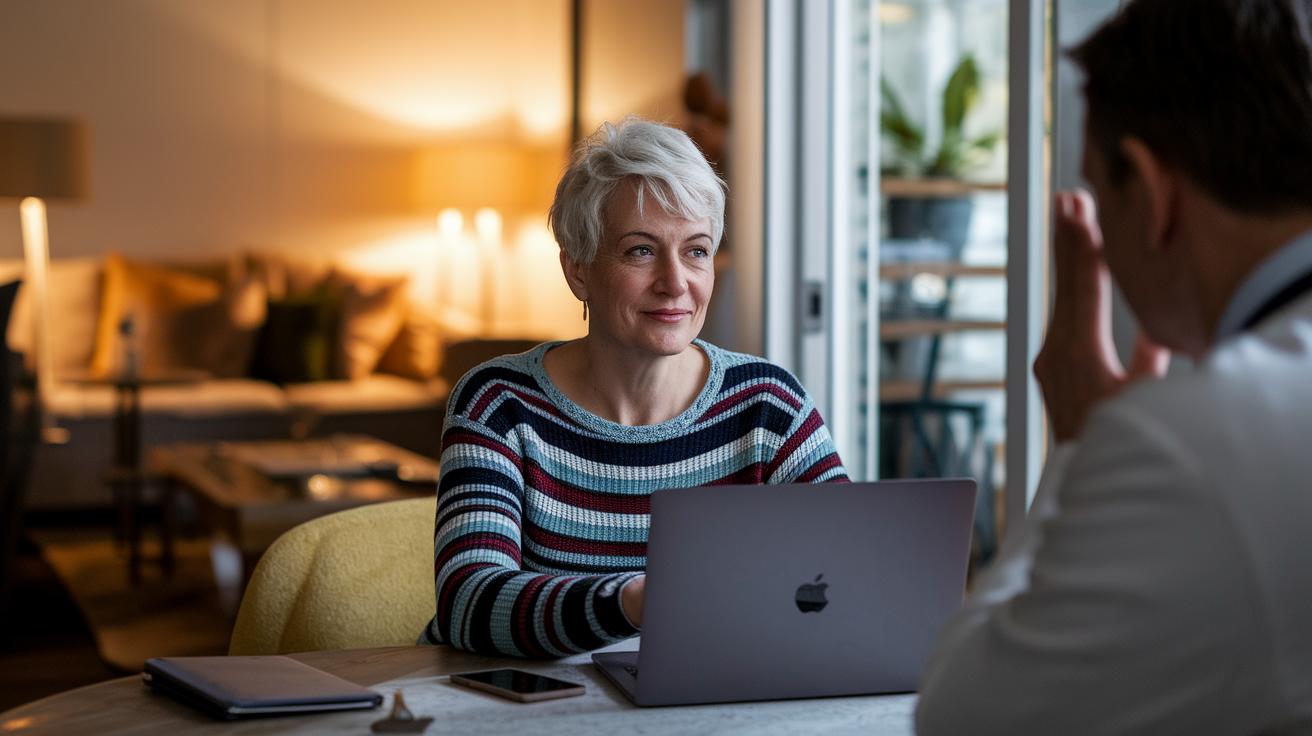
New technologies and methods are changing how clinical findings lead to exciting breakthroughs in research. For instance, experts predict that by 2025, AI and machine learning will be part of half of all clinical procedures, making care more personalized. Virtual and distributed clinical trials are also set to grow by 40% in the next three years, allowing researchers to collect real-time information from many more people. Imagine a patient in a small town chatting with their doctor via a digital platform during a virtual trial, clinical research becoming a natural part of everyday life. Plus, with access to more than 1,000 free biomedical datasets, scientists can work together more easily, speeding up the process to turn lab discoveries into treatments.

Looking ahead to the next decade, strong funding, supportive policies, and better teamwork across different fields will be key. Governments and health institutions will need to back programs that blend proven, evidence-based medicine with cutting-edge research. Investing in data security, clear rules for sharing information, and strong partnerships will strengthen this bridge. Past changes in medical information systems show us just how important collaboration is to bring these advances to life, ensuring that patient insights and innovative treatments come together smoothly.

Final Words

In the action, this post broke down how clinical insights spark breakthrough research that transforms healthcare. The discussion moved from discovery and translation to real-world examples like CAR-T therapy and AI diagnostic tools. Each section showed practical benefits such as improved trial efficiency and better patient outcomes. By connecting research to daily wellness practices, the article offers clear, evidence-based takeaways. These insights can guide anyone toward making informed health decisions while bridging clinical insights with breakthrough research for a brighter, healthier future.

FAQ

What does bridging clinical insights with breakthrough research mean?

The phrase bridging clinical insights with breakthrough research means connecting patient observations with lab discoveries through a three-stage process. This approach speeds up the move from discovery to practical care.

How do the T1, T2, and T3 phases contribute to translational research?

The T1, T2, and T3 phases guide research by moving basic science to human trials, adapting clinical findings into routine practice, and assessing population impact. This model helps make research more applicable to real care.

How does evidence-based medicine back breakthrough research?

The use of evidence-based medicine supports breakthrough research by cutting bias through systematic reviews and real-world data. This method keeps clinical guidelines current and improves trial success and reproducibility.

What examples show clinical insights leading to innovative therapies?

Examples like CAR-T cell therapy, rapid mRNA vaccine development, and AI-assisted diagnostic tools illustrate how clinical data informs treatment designs and speeds up regulatory approvals, ultimately delivering life-changing therapies.

What are the current trends in merging clinical insights with research innovations?

Current trends feature precision medicine, digital biomarkers, multi-omics data integration, and decentralized trials. These trends streamline the transfer of clinical insights into research, making treatments more responsive to patient needs.

What future outlook exists for linking clinical insights with breakthrough research?

The future points to incorporating AI in clinical protocols and expanding virtual trial models. Open-access biomedical data and stronger collaborations will further shorten the gap between research discoveries and everyday patient care.

Have you ever noticed how a simple doctor visit might spark a major medical breakthrough? When everyday observations mix with the latest research, new treatments can come to life much faster.

This blend of real-world care and advanced science can shave years off the time it takes to move from a bright idea to real, effective care. Matching what doctors see in the exam room with up-to-date lab findings means treatments become more timely and responsive.

It’s a win for patients and a boost for progress. Routine checkups might just be the spark that leads to better health outcomes.

Integrating Clinical Insights with Breakthrough Research for Effective Outcomes

Bridging everyday patient care observations with the latest biomedical breakthroughs means linking real-life experiences to cutting-edge science to improve treatments. It’s a smart way to shrink that lengthy gap, on average, 17 years, between discovery and actual patient care. When clinical intuition meets advanced research, healthcare becomes more responsive, efficient, and ultimately, more caring.

The process unfolds in three clear steps. First, during the discovery phase, researchers dig into patient data, spotting subtle trends much like piecing together clues from your day-to-day interactions at the clinic. Next, in the translation phase, these insights are shaped into experimental therapies. Targeted efforts here have been known to reduce drug development drop-offs by roughly 30%. Finally, the implementation phase takes successful innovations and weaves them into everyday care. For instance, merging patient-level details with genomic research has sped up drug repurposing efforts by about 20%, making new treatments accessible faster than ever.

This streamlined model not only cuts the typical 17-year delay but also keeps patients front and center. With lower failure rates and swifter treatment availability, it offers a practical pathway for turning breakthrough research into real-world benefits.

Translational Research Principles and Clinical Insights Integration

img-1.jpg

Imagine a three-phase journey where breakthroughs in science turn into real treatments. In T1, discoveries from the lab start their move into early trials with people, giving us a first glimpse of how patients might respond. Then in T2, these early signals are refined into everyday clinical practices, creating a smooth path from controlled studies into regular use. Finally, T3 zooms out to look at the bigger picture, checking how these innovations benefit whole communities. It’s like following a simple recipe: you gather your ingredients, mix them well, and then serve a meal that nourishes many.

At every step, real patient observations help guide science. This process not only speeds up the journey from bench to bedside but also makes sure that care stays fresh, practical, and in tune with the latest research.

Phase Objective Clinical Insight Source
T1 Move lab discoveries into early human trials Patient biomarker studies and early response data
T2 Translate clinical trial results into standard practice Clinical monitoring and treatment efficacy reports
T3 Assess population-level impact Epidemiological research and healthcare outcome reviews

Nearly 70% of leading academic medical centers have set up special offices to help researchers and clinicians work closely together. Plus, with over $8 billion each year from the NIH investing in these programs, strong support and funding drive the smart use of clinical insights to shape evidence-based research.

Evidence-Based Medicine Driving Breakthrough Research

Evidence-based medicine brings clinical experiences together with solid research, making it easier to turn raw data into practical, proven advice. Doctors and researchers use systematic reviews, which can cut down bias by almost 40%, and blend findings from various studies to build a rock-solid foundation for new treatments. Basically, it means every recommendation is backed by clear, trusted proof.

Key methods drive these breakthrough discoveries. Think of systematic reviews and meta-analyses as assembling pieces of a puzzle; each study adds a bit more clarity to the complete picture. Registries, gathering patient data from electronic health records, now influence over half of the new therapeutic ideas. And every 2–4 years, clinical practice guidelines are refreshed with new, cumulative data to keep current care standards top-notch. It’s like crafting a recipe: you mix patient data, study results, and expert feedback to create a treatment plan that’s both innovative and dependable.

These approaches have boosted clinical trial success rates and made research results more reliable. By combining detailed, systematic analysis with everyday patient experiences, new therapies move more quickly and safely from the lab into real-life care.

Case Studies: Clinical Data to Innovative Therapies

img-2.jpg

CAR-T Cell Therapy Development

Patient insights have played a crucial role in shaping CAR-T cell therapy into the advanced treatment it is today. During clinical trials, researchers carefully observed how individual patients’ immune systems responded, using that information to fine-tune cell manufacturing methods and study designs. This hands-on approach boosted remission rates to over 80%, a breakthrough that led to FDA approval in 2017. It’s fascinating how even small shifts in cell behavior helped improve both safety and effectiveness during the therapy process.

mRNA Vaccine Acceleration

When early animal studies hinted at the promise of mRNA vaccines, scientists quickly jumped into action. They tracked early immune responses and adjusted vaccine formulations on the fly. This careful monitoring allowed them to move from laboratory research to emergency use authorization in less than 12 months during the COVID-19 pandemic. Imagine perfecting a life-saving recipe under intense time pressure, the process shows how real-world data can guide rapid and effective health solutions.

AI in Diagnostic Medicine

Advances in technology have also transformed the way we diagnose diseases. For example, in diabetic retinopathy screening, developers collected thousands of retinal images from real patients to train artificial intelligence algorithms. This deep dive into clinical imaging data not only sped up the approval process but also refined diagnostic accuracy, leading to FDA clearance of the IDx-DR in 2018. With faster and more precise diagnostics, patients now benefit from care that’s both evidence-based and tailored to their needs.

New methods are changing how scientists and doctors work together to improve everyday care. Researchers are finding fresh ways to mix careful patient observations with breakthrough studies. This approach leads to smarter and quicker solutions in medicine. For example, early findings now shape everything from tracking health markers to planning large treatment programs.

Take a look at these trends:

Trend Key Fact
Precision Medicine Reached a $2.5 billion market in 2021 and grows over 30% each year
Digital Biomarkers Usage in clinical trials increased by 30% from 2019 to 2022
Multi-Omics Data Integration platforms have grown by 20% annually
Decentralized Trials New study models boost participant diversity and simplify data collection

All these trends are blending research and care in new ways. With precision medicine, doctors can see a fuller picture of a patient by considering both genetic details and everyday lifestyle factors. Digital biomarkers, collected from everyday devices like smartwatches, bring real-time data straight into the clinic. And by merging various biological markers, multi-omics research turns complex information into clear, actionable advice for personalized treatments. Meanwhile, decentralized trials bring studies directly to where patients are, making research faster and more inclusive.

Together, these advances create a lively and responsive system where cutting-edge research quickly turns into better, more personalized care. It’s an exciting shift, one that promises treatments to be just as unique as the individuals receiving them.

Future Outlook for Bridging Clinical Insights with Breakthrough Research

img-3.jpg

New technologies and methods are changing how clinical findings lead to exciting breakthroughs in research. For instance, experts predict that by 2025, AI and machine learning will be part of half of all clinical procedures, making care more personalized. Virtual and distributed clinical trials are also set to grow by 40% in the next three years, allowing researchers to collect real-time information from many more people. Imagine a patient in a small town chatting with their doctor via a digital platform during a virtual trial, clinical research becoming a natural part of everyday life. Plus, with access to more than 1,000 free biomedical datasets, scientists can work together more easily, speeding up the process to turn lab discoveries into treatments.

Looking ahead to the next decade, strong funding, supportive policies, and better teamwork across different fields will be key. Governments and health institutions will need to back programs that blend proven, evidence-based medicine with cutting-edge research. Investing in data security, clear rules for sharing information, and strong partnerships will strengthen this bridge. Past changes in medical information systems show us just how important collaboration is to bring these advances to life, ensuring that patient insights and innovative treatments come together smoothly.

Final Words

In the action, this post broke down how clinical insights spark breakthrough research that transforms healthcare. The discussion moved from discovery and translation to real-world examples like CAR-T therapy and AI diagnostic tools. Each section showed practical benefits such as improved trial efficiency and better patient outcomes. By connecting research to daily wellness practices, the article offers clear, evidence-based takeaways. These insights can guide anyone toward making informed health decisions while bridging clinical insights with breakthrough research for a brighter, healthier future.

FAQ

What does bridging clinical insights with breakthrough research mean?

The phrase bridging clinical insights with breakthrough research means connecting patient observations with lab discoveries through a three-stage process. This approach speeds up the move from discovery to practical care.

How do the T1, T2, and T3 phases contribute to translational research?

The T1, T2, and T3 phases guide research by moving basic science to human trials, adapting clinical findings into routine practice, and assessing population impact. This model helps make research more applicable to real care.

How does evidence-based medicine back breakthrough research?

The use of evidence-based medicine supports breakthrough research by cutting bias through systematic reviews and real-world data. This method keeps clinical guidelines current and improves trial success and reproducibility.

What examples show clinical insights leading to innovative therapies?

Examples like CAR-T cell therapy, rapid mRNA vaccine development, and AI-assisted diagnostic tools illustrate how clinical data informs treatment designs and speeds up regulatory approvals, ultimately delivering life-changing therapies.

What are the current trends in merging clinical insights with research innovations?

Current trends feature precision medicine, digital biomarkers, multi-omics data integration, and decentralized trials. These trends streamline the transfer of clinical insights into research, making treatments more responsive to patient needs.

What future outlook exists for linking clinical insights with breakthrough research?

The future points to incorporating AI in clinical protocols and expanding virtual trial models. Open-access biomedical data and stronger collaborations will further shorten the gap between research discoveries and everyday patient care.

More from author

LEAVE A REPLY

Please enter your comment!
Please enter your name here

Related posts

Advertismentspot_img

Latest posts

How To Create A Daily Wellness Routine: Thriving

Curious about how to create a daily wellness routine that transforms your mornings and days? Read on as secrets await…

2 Daily Wellness Drink Tips For Radiance

Experience a daily wellness drink with natural herbs, green ingredients, and clinical backing that might change your routine forever, stay tuned.

Daily Wellness: Elevate Your Everyday Vitality

Daily wellness transforms everyday routines into mindful adjustments, merging nutrition, movement, and restorative sleep. What unforeseen practice awaits you next?

Want to stay up to date with the latest news?

We would love to hear from you! Please fill in your details and we will stay in touch. It's that simple!