Aesthetic Medicine: Radiant Non-surgical Treatments

Have you ever thought about achieving a youthful look without surgery? Today, non-surgical treatments can help you refresh your appearance in a safe and effective way. Picture smoothing out wrinkles, reshaping your features, and bringing back lost volume, all without a long recovery period.

These treatments are based on well-tested procedures designed to boost your natural beauty while fitting into your busy lifestyle. In this post, we break down some key techniques that truly work. With just a few simple adjustments, you can brighten your look and feel more confident every day.

Key Procedures Shaping Modern Aesthetic Practice
img-1.jpg

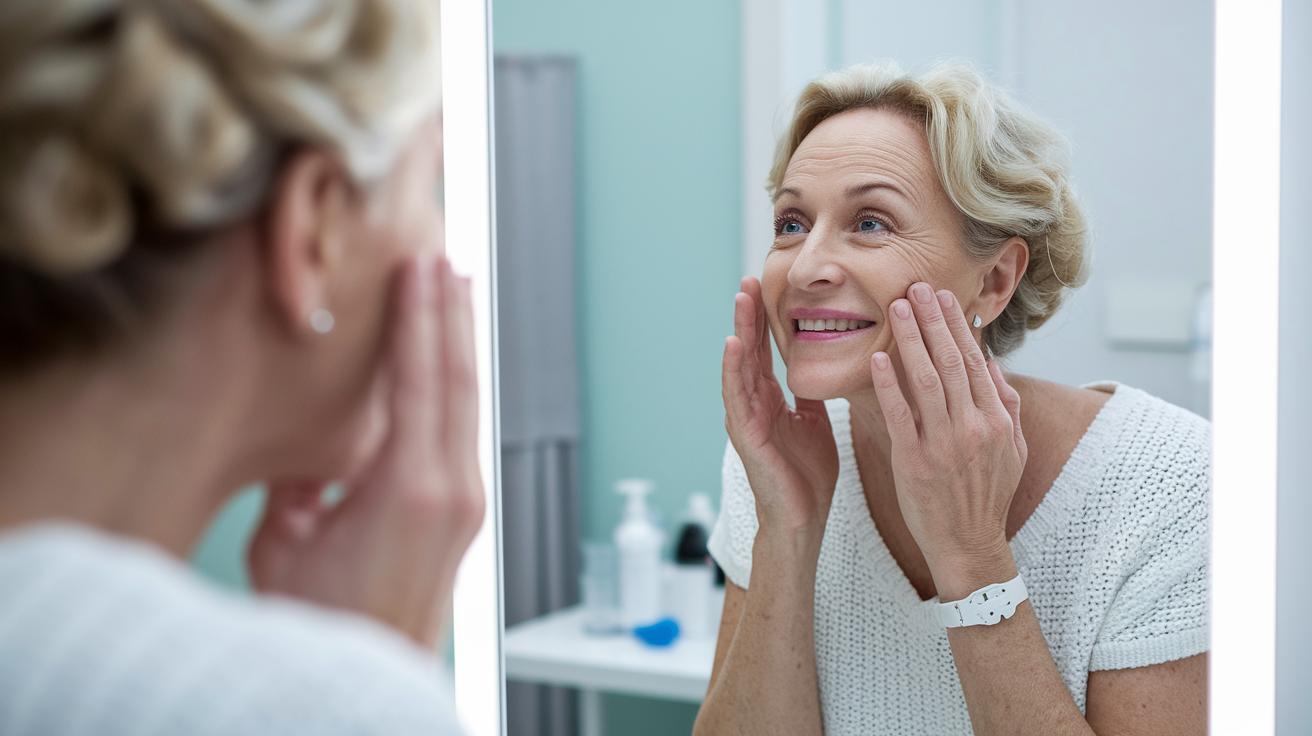
Modern aesthetic practice helps you look your best without the need for surgery. These treatments are designed to boost your beauty and address common skin issues, offering smart alternatives to traditional procedures. They blend solid research with everyday care, meaning you get results that smooth wrinkles, refine face contours, and restore a youthful look without lengthy recovery times.

Doctors work closely with you to design a personalized treatment plan that highlights your natural features. They use tried and tested methods to bring real improvements with minimally invasive techniques that fit into a busy lifestyle. The goal is simple: subtle tweaks that boost your confidence and overall well-being.

Some common treatments include:

  • Neurotoxin injectables (like Botox and Dysport) that help relax wrinkles.
  • Hyaluronic acid fillers to restore lost volume and smooth out skin lines.
  • Biostimulators (such as Sculptra and Radiesse) that gently boost collagen production.
  • Deoxycholic acid, which targets small areas for fat reduction.
  • Platelet-rich therapies (PRP and PRF) that deliver growth factors for skin rejuvenation.
  • Energy-based treatments, including radiofrequency, laser, ultrasound, and IPL, that improve skin texture and firmness.

You’ll often notice changes quickly after your treatment. Many people experience smoother, more even skin and a refreshed facial look with very little downtime. For instance, a single session of radiofrequency might boost skin tightness by around 37%. Sure, you might see a little redness or swelling, but these usually fade in just a few days, so you can get back to your day in no time. Overall, these modern procedures offer a safe and effective way to refresh your appearance naturally.

Injectable Therapies in Aesthetic Medicine: Botox to Biostimulators
img-2.jpg

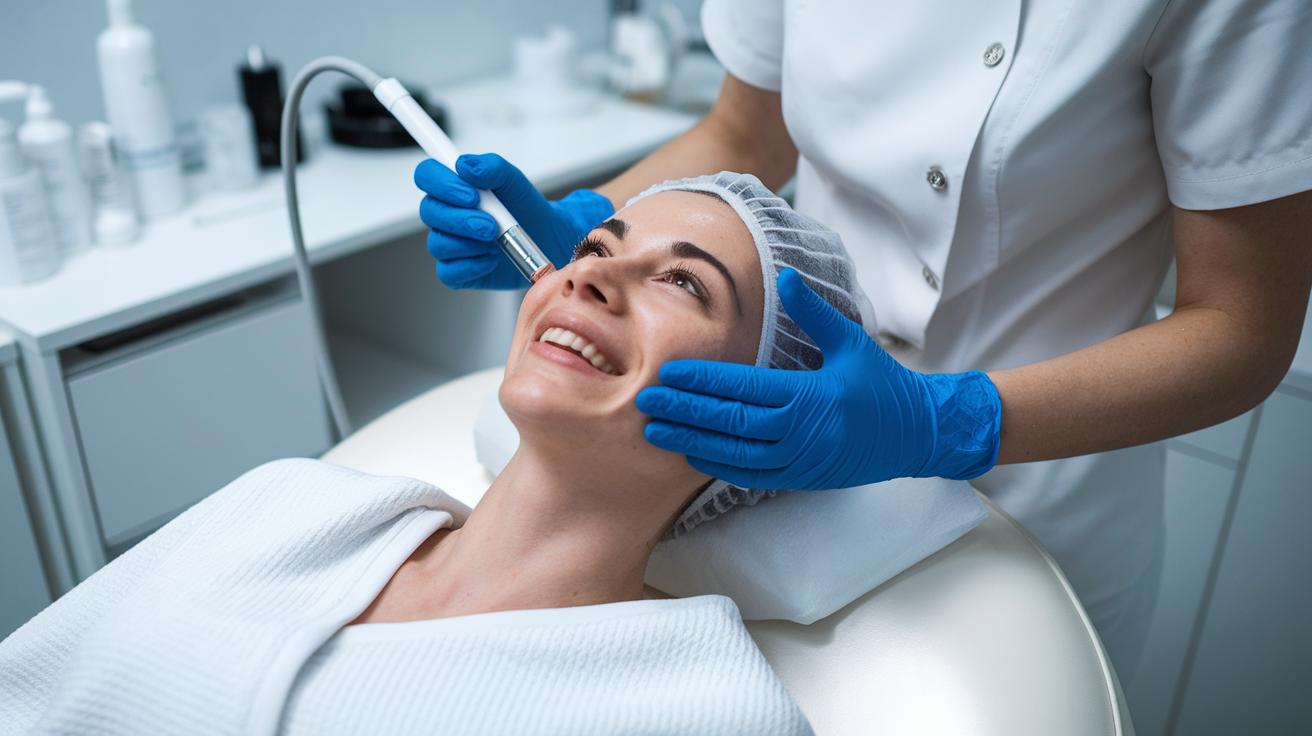
Botox and Dysport are trusted treatments that help relax facial muscles and smooth out wrinkles. They work by temporarily stopping your muscles from contracting as much, which softens the lines around your eyes and on your forehead. You can expect this refreshing effect to last anywhere from three to six months.

Hyaluronic acid fillers offer a different kind of boost by restoring facial volume and lifting areas that have started to sag. These fillers smooth out lines and add fullness where skin has lost its natural elasticity. With results that often last over six months, skilled injectors can achieve enhancements that naturally blend with your features.

Biostimulators like Sculptra and Radiesse take a gradual approach by encouraging your skin to produce more collagen, the protein that helps keep skin firm and youthful. Typically, you might need two to four sessions, and over time you’ll see a steady improvement in your skin’s firmness and texture, giving you a revitalized look from within.

Deoxycholic Acid injections are designed to target small pockets of stubborn fat by dissolving those unwanted cells permanently. The procedure is quick and generally involves minimal downtime, though you might experience a bit of bruising, swelling, or redness afterward. With careful mapping of the treatment areas and proper aftercare, you can achieve a more contoured profile with minimal discomfort.

Advanced Laser and Energy-Based Skin Rejuvenation in Aesthetic Medicine
img-3.jpg

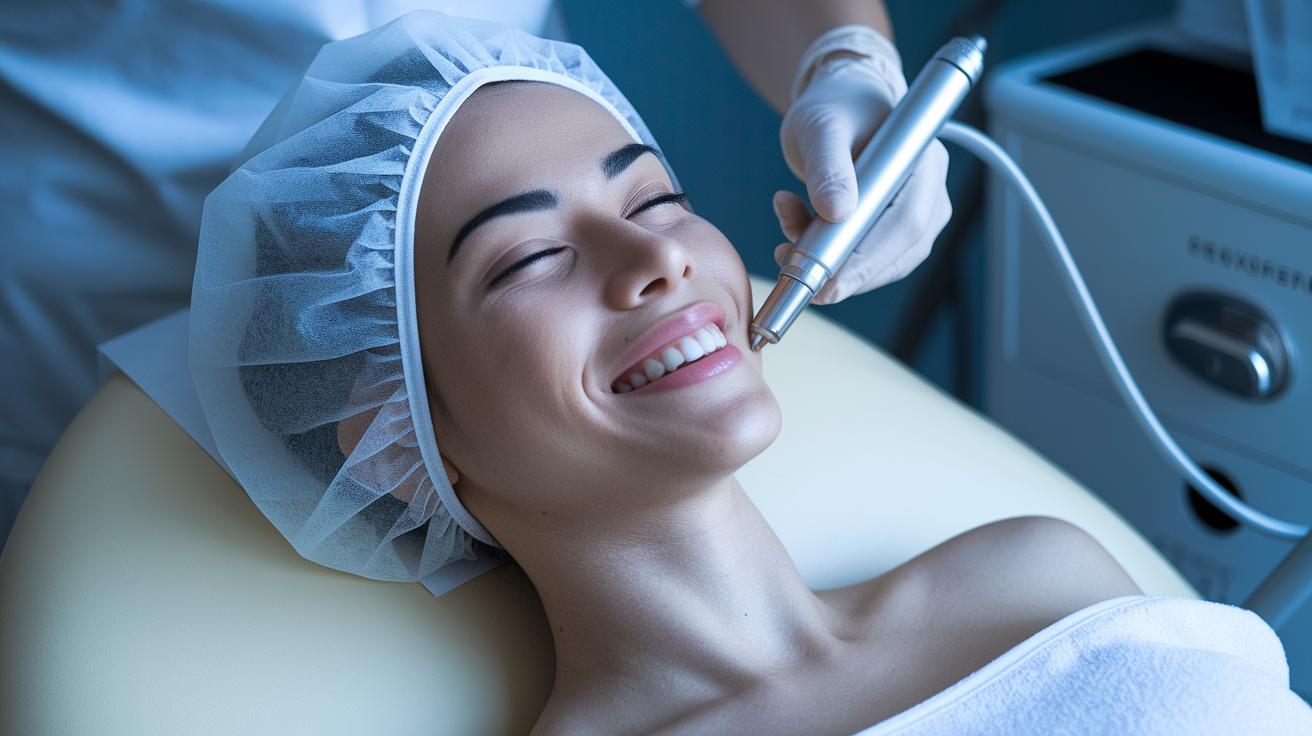
Energy-based skin rejuvenation provides advanced, non-surgical ways to restore your skin’s youthful vibe. They harness light and sound to spark collagen production, evening out your skin tone and improving firmness. Best of all, the sessions are spaced a few weeks apart and involve only a brief period of redness or swelling, so they easily fit into even the busiest schedule.

Radiofrequency Skin Tightening

Radiofrequency treatments gently warm the deeper skin layers, encouraging your body to tighten and rebuild collagen. You might notice up to a 37% boost in firmness after one session. Recovery is quick, a little redness is normal, and you can return to your routine almost immediately.

Fractional Laser Resurfacing

Fractional laser resurfacing works by delivering precise beams that create tiny, controlled columns within the skin. These micro-injuries prompt your body's natural repair process and encourage collagen formation. The result is smoother, more even skin as wrinkles, scars, and discoloration gradually fade away.

Ultrasound Therapy

Ultrasound therapy uses focused sound waves to reach deeper than typical surface treatments. This energy kickstarts collagen production in the underlying layers, gradually lifting the skin and enhancing elasticity. The sessions are comfortable and designed to build improvements over time.

Intense Pulsed Light

Intense Pulsed Light (IPL) therapy employs a broad spectrum of light to target small blood vessels and pigment issues. Usually performed over several sessions, IPL helps create a more even complexion with hardly any downtime.

Technology How It Works Focus Area
Radiofrequency Gentle heat stimulation to boost collagen Skin tightening
Fractional Laser Precise beams creating micro-injuries for healing Wrinkles, scars, discoloration
Ultrasound Therapy Focused sound pulses that encourage deep collagen growth Deeper skin layers
Intense Pulsed Light Wide spectrum light targeting vascular and pigment issues Uneven skin tone

Body Contouring and Fat Reduction Innovations in Aesthetic Medicine
img-4.jpg

Modern body contouring methods give you a non-surgical way to reshape your body. Imagine enjoying a treatment that targets those stubborn fat pockets while keeping your natural curves intact. It’s a smart blend of cosmetic finesse with procedures that let you get back to your day quickly.

Cryolipolysis chills your fat cells until they crystallize, and then your body naturally flushes them out. Radiofrequency contouring uses gentle heat to melt down fat under your skin and tighten loose areas. Microwave thermolysis sends focused microwaves to liquefy fat, helping smooth out those hard-to-tackle spots. Deoxycholic Acid injections are designed to break down small fat deposits, like those under your chin, for a more refined look. Each technique offers clear improvements without upsetting your busy routine.

After a treatment, you might notice brief numbness or a little swelling. A bit of redness or a cooling sensation is common too, but these effects usually fade in just a few days. In short, you can quickly get back to your everyday activities while feeling a boost in your renewed appearance.

Weighing Risks and Benefits in Aesthetic Medicine Treatments
img-5.jpg

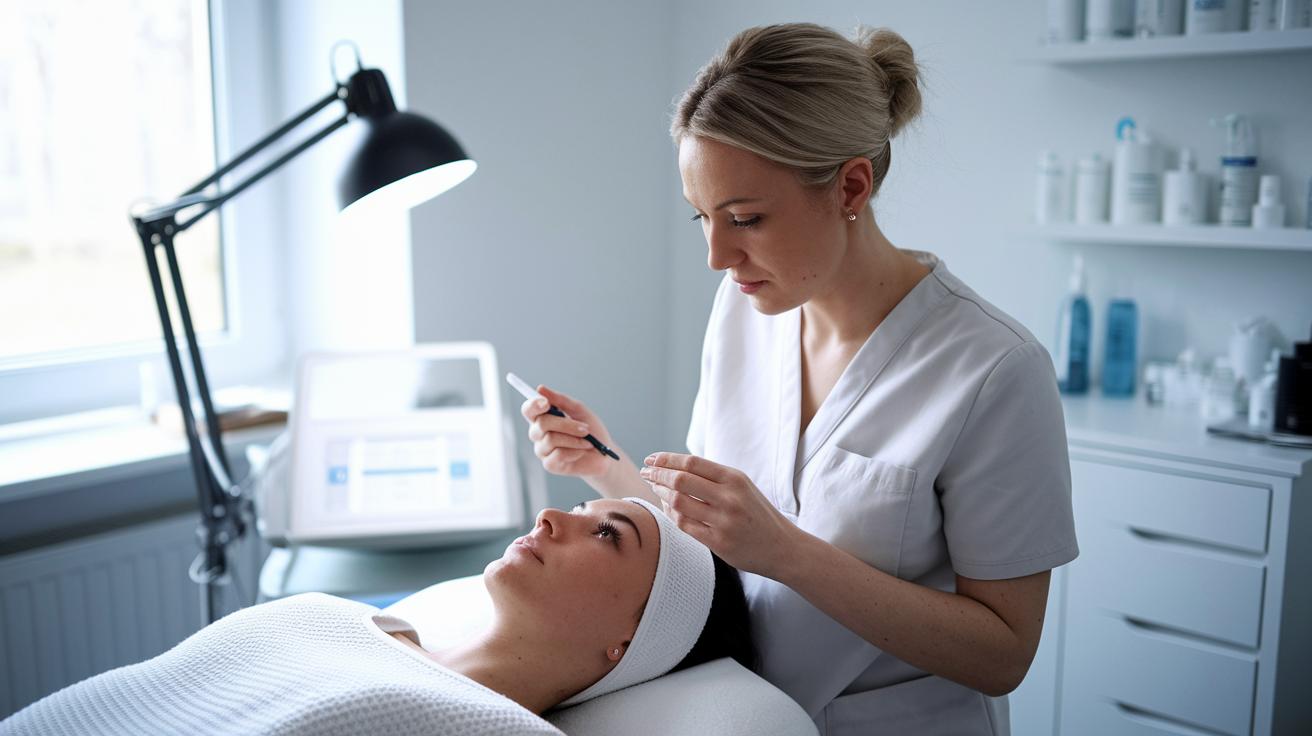
Aesthetic treatments can subtly refresh your look with hardly any disruption to your everyday routine. Professionals use these procedures to smooth wrinkles, restore a fuller facial profile, and even out your skin tone, giving you a natural boost of confidence without the long recovery time that comes with surgery.

It’s important to consider both the good and the not-so-good when it comes to any procedure. Even when performed by skilled experts, minor issues like infections, allergic reactions, bruising, or temporary skin discoloration can occur. These risks depend on your individual health and any medications you’re taking. A reliable provider will talk you through these possibilities, review your medical history, and may even run tests (like allergy screenings) to make sure you’re a good candidate for the treatment.

Before any work begins, you'll have a pre-procedure evaluation where your health history is carefully reviewed and you’ll sign a consent form that explains potential complications. After the treatment, following simple care steps, such as applying a cold compress, keeping your head elevated, and avoiding the sun, can help lessen problems and support a smooth recovery.

Selecting Qualified Aesthetic Medicine Providers for Optimal Results

img-6.jpg

When you’re on the hunt for an aesthetic medicine provider, start by seeking out board-certified dermatologists or licensed aesthetic professionals, like nurse practitioners or physician assistants, who’ve had extra training in cosmetic procedures. It’s smart to check that they have certificates from trusted programs, fellowships, or residencies focused on cosmetic treatments. A provider who shares before-and-after photos or patient stories gives you a peek at their skills and builds trust.

During your first consultation, notice how well they listen to your concerns and explain the treatment plan in everyday language. A clear, honest chat about what to expect helps you understand both the benefits and any bumps along the way. This kind of open communication is key to setting the right expectations and getting safe, satisfying results.

Real-World Outcomes and Transformation Examples in Aesthetic Medicine

img-7.jpg

At some of the top aesthetic clinics, experts carefully track treatment results and have seen more than 17,000 transformations since 1995. One standout case is the Mini-FaceLift™ using bi-polar RF technology (a method that gently heats the skin), which often boosts skin firmness by about 37% in just one session. These results remind us how non-surgical treatments can help bring back a youthful glow.

In these clinics, practitioners follow a detailed process by monitoring each patient’s progress and regularly reviewing treatment outcomes. They check on results from injectables given every 3 to 6 months and energy therapies done every 6 to 12 months. For instance, the LipoLift™ treatment can create an immediate look that makes you seem about 20 pounds lighter. Combining doctor assessments with patient feedback offers strong proof of how reliable these procedures are.

Before-and-after photo galleries also play a big role in how clinics review outcomes. They allow potential patients to see real changes and understand what each treatment might do for them. These visuals help set clear expectations and build trust in non-surgical solutions. By displaying genuine, noticeable results, these galleries show that even minimally invasive treatments can lead to life-changing improvements, giving patients the confidence to make well-informed decisions.

Final Words

in the action, we explored key procedures shaping modern aesthetic practice. The discussion walked through injectables, innovative skin rejuvenation, and body contouring techniques while highlighting safety protocols and provider qualifications.

We looked at real-world outcomes, showcasing how effective treatments lead to noticeable improvements. Aesthetic medicine blends solid clinical research with everyday approaches to health. Positive changes in appearance and well-being are within reach when using these evidence-based strategies. Embrace the knowledge and move toward a more confident, balanced lifestyle.

FAQ

What is an aesthetic medicine degree?

The aesthetic medicine degree represents specialized training for medical professionals in appearance-enhancing procedures, combining theoretical knowledge with practical experience to safely perform minimally invasive treatments that boost patient confidence.

What does aesthetic medicine بالعربي mean?

The term aesthetic medicine بالعربي signifies information about cosmetic treatments and procedures presented in Arabic, ensuring that local audiences access expert guidance on skin rejuvenation and non-surgical enhancements.

What is the aesthetic medicine salary like?

The aesthetic medicine salary reflects competitive earnings influenced by a practitioner’s experience, location, and expertise, as demand grows for safe, appealing cosmetic procedures in diverse healthcare settings.

What does an aesthetic medicine course cover?

The aesthetic medicine course covers comprehensive instruction in modern cosmetic procedures, including injectables and energy-based technologies, blending hands-on practice with theory to prepare professionals for clinical innovation.

Who is an aesthetic medicine doctor?

The aesthetic medicine doctor is a clinician dedicated to enhancing appearance through non-invasive treatments such as injectables, laser therapies, and body contouring, ensuring patients achieve refreshed and natural-looking results.

What is involved in an aesthetic medicine residency?

The aesthetic medicine residency involves advanced, hands-on training in cosmetic procedures and skin rejuvenation techniques, offering residents in-depth exposure to modern minimally invasive treatments and patient care strategies.

What are aesthetic medicine jobs?

The aesthetic medicine jobs offer career opportunities in diverse settings—from medical spas to specialty clinics—where practitioners use innovative cosmetic techniques to help patients improve their appearance with minimal downtime.

What is the Aesthetic Medicine journal?

The Aesthetic Medicine journal serves as a publication highlighting peer-reviewed research, case studies, and reviews on cutting-edge cosmetic treatments and technological advancements within the field of aesthetic medicine.

What does aesthetic medicine do?

The aesthetic medicine field focuses on enhancing appearance through procedures that reduce wrinkles, restore volume, and improve skin texture, using techniques that offer natural results with minimal recovery time.

What is the difference between aesthetic medicine and dermatology?

The difference between aesthetic medicine and dermatology is that aesthetic medicine centers on cosmetic enhancements using minimally invasive techniques, while dermatology addresses both medical skin conditions and overall skin health management.

What is an example of an aesthetic treatment?

An example of an aesthetic treatment includes hyaluronic acid filler injections, which restore facial volume and smooth wrinkles, providing a subtle, refreshed look with quick recovery and lasting results.

What qualifications do I need for aesthetic practice?

The qualifications needed for aesthetic practice usually include a medical degree, board certifications or specialized training, and completion of accredited courses or residencies focused on cosmetic procedures and minimally invasive techniques.

Have you ever thought about achieving a youthful look without surgery? Today, non-surgical treatments can help you refresh your appearance in a safe and effective way. Picture smoothing out wrinkles, reshaping your features, and bringing back lost volume, all without a long recovery period.

These treatments are based on well-tested procedures designed to boost your natural beauty while fitting into your busy lifestyle. In this post, we break down some key techniques that truly work. With just a few simple adjustments, you can brighten your look and feel more confident every day.

Key Procedures Shaping Modern Aesthetic Practice

img-1.jpg

Modern aesthetic practice helps you look your best without the need for surgery. These treatments are designed to boost your beauty and address common skin issues, offering smart alternatives to traditional procedures. They blend solid research with everyday care, meaning you get results that smooth wrinkles, refine face contours, and restore a youthful look without lengthy recovery times.

Doctors work closely with you to design a personalized treatment plan that highlights your natural features. They use tried and tested methods to bring real improvements with minimally invasive techniques that fit into a busy lifestyle. The goal is simple: subtle tweaks that boost your confidence and overall well-being.

Some common treatments include:

  • Neurotoxin injectables (like Botox and Dysport) that help relax wrinkles.
  • Hyaluronic acid fillers to restore lost volume and smooth out skin lines.
  • Biostimulators (such as Sculptra and Radiesse) that gently boost collagen production.
  • Deoxycholic acid, which targets small areas for fat reduction.
  • Platelet-rich therapies (PRP and PRF) that deliver growth factors for skin rejuvenation.
  • Energy-based treatments, including radiofrequency, laser, ultrasound, and IPL, that improve skin texture and firmness.

You’ll often notice changes quickly after your treatment. Many people experience smoother, more even skin and a refreshed facial look with very little downtime. For instance, a single session of radiofrequency might boost skin tightness by around 37%. Sure, you might see a little redness or swelling, but these usually fade in just a few days, so you can get back to your day in no time. Overall, these modern procedures offer a safe and effective way to refresh your appearance naturally.

Injectable Therapies in Aesthetic Medicine: Botox to Biostimulators

img-2.jpg

Botox and Dysport are trusted treatments that help relax facial muscles and smooth out wrinkles. They work by temporarily stopping your muscles from contracting as much, which softens the lines around your eyes and on your forehead. You can expect this refreshing effect to last anywhere from three to six months.

Hyaluronic acid fillers offer a different kind of boost by restoring facial volume and lifting areas that have started to sag. These fillers smooth out lines and add fullness where skin has lost its natural elasticity. With results that often last over six months, skilled injectors can achieve enhancements that naturally blend with your features.

Biostimulators like Sculptra and Radiesse take a gradual approach by encouraging your skin to produce more collagen, the protein that helps keep skin firm and youthful. Typically, you might need two to four sessions, and over time you’ll see a steady improvement in your skin’s firmness and texture, giving you a revitalized look from within.

Deoxycholic Acid injections are designed to target small pockets of stubborn fat by dissolving those unwanted cells permanently. The procedure is quick and generally involves minimal downtime, though you might experience a bit of bruising, swelling, or redness afterward. With careful mapping of the treatment areas and proper aftercare, you can achieve a more contoured profile with minimal discomfort.

Advanced Laser and Energy-Based Skin Rejuvenation in Aesthetic Medicine

img-3.jpg

Energy-based skin rejuvenation provides advanced, non-surgical ways to restore your skin’s youthful vibe. They harness light and sound to spark collagen production, evening out your skin tone and improving firmness. Best of all, the sessions are spaced a few weeks apart and involve only a brief period of redness or swelling, so they easily fit into even the busiest schedule.

Radiofrequency Skin Tightening

Radiofrequency treatments gently warm the deeper skin layers, encouraging your body to tighten and rebuild collagen. You might notice up to a 37% boost in firmness after one session. Recovery is quick, a little redness is normal, and you can return to your routine almost immediately.

Fractional Laser Resurfacing

Fractional laser resurfacing works by delivering precise beams that create tiny, controlled columns within the skin. These micro-injuries prompt your body's natural repair process and encourage collagen formation. The result is smoother, more even skin as wrinkles, scars, and discoloration gradually fade away.

Ultrasound Therapy

Ultrasound therapy uses focused sound waves to reach deeper than typical surface treatments. This energy kickstarts collagen production in the underlying layers, gradually lifting the skin and enhancing elasticity. The sessions are comfortable and designed to build improvements over time.

Intense Pulsed Light

Intense Pulsed Light (IPL) therapy employs a broad spectrum of light to target small blood vessels and pigment issues. Usually performed over several sessions, IPL helps create a more even complexion with hardly any downtime.

Technology How It Works Focus Area
Radiofrequency Gentle heat stimulation to boost collagen Skin tightening
Fractional Laser Precise beams creating micro-injuries for healing Wrinkles, scars, discoloration
Ultrasound Therapy Focused sound pulses that encourage deep collagen growth Deeper skin layers
Intense Pulsed Light Wide spectrum light targeting vascular and pigment issues Uneven skin tone

Body Contouring and Fat Reduction Innovations in Aesthetic Medicine

img-4.jpg

Modern body contouring methods give you a non-surgical way to reshape your body. Imagine enjoying a treatment that targets those stubborn fat pockets while keeping your natural curves intact. It’s a smart blend of cosmetic finesse with procedures that let you get back to your day quickly.

Cryolipolysis chills your fat cells until they crystallize, and then your body naturally flushes them out. Radiofrequency contouring uses gentle heat to melt down fat under your skin and tighten loose areas. Microwave thermolysis sends focused microwaves to liquefy fat, helping smooth out those hard-to-tackle spots. Deoxycholic Acid injections are designed to break down small fat deposits, like those under your chin, for a more refined look. Each technique offers clear improvements without upsetting your busy routine.

After a treatment, you might notice brief numbness or a little swelling. A bit of redness or a cooling sensation is common too, but these effects usually fade in just a few days. In short, you can quickly get back to your everyday activities while feeling a boost in your renewed appearance.

Weighing Risks and Benefits in Aesthetic Medicine Treatments

img-5.jpg

Aesthetic treatments can subtly refresh your look with hardly any disruption to your everyday routine. Professionals use these procedures to smooth wrinkles, restore a fuller facial profile, and even out your skin tone, giving you a natural boost of confidence without the long recovery time that comes with surgery.

It’s important to consider both the good and the not-so-good when it comes to any procedure. Even when performed by skilled experts, minor issues like infections, allergic reactions, bruising, or temporary skin discoloration can occur. These risks depend on your individual health and any medications you’re taking. A reliable provider will talk you through these possibilities, review your medical history, and may even run tests (like allergy screenings) to make sure you’re a good candidate for the treatment.

Before any work begins, you'll have a pre-procedure evaluation where your health history is carefully reviewed and you’ll sign a consent form that explains potential complications. After the treatment, following simple care steps, such as applying a cold compress, keeping your head elevated, and avoiding the sun, can help lessen problems and support a smooth recovery.

Selecting Qualified Aesthetic Medicine Providers for Optimal Results

img-6.jpg

When you’re on the hunt for an aesthetic medicine provider, start by seeking out board-certified dermatologists or licensed aesthetic professionals, like nurse practitioners or physician assistants, who’ve had extra training in cosmetic procedures. It’s smart to check that they have certificates from trusted programs, fellowships, or residencies focused on cosmetic treatments. A provider who shares before-and-after photos or patient stories gives you a peek at their skills and builds trust.

During your first consultation, notice how well they listen to your concerns and explain the treatment plan in everyday language. A clear, honest chat about what to expect helps you understand both the benefits and any bumps along the way. This kind of open communication is key to setting the right expectations and getting safe, satisfying results.

Real-World Outcomes and Transformation Examples in Aesthetic Medicine

img-7.jpg

At some of the top aesthetic clinics, experts carefully track treatment results and have seen more than 17,000 transformations since 1995. One standout case is the Mini-FaceLift™ using bi-polar RF technology (a method that gently heats the skin), which often boosts skin firmness by about 37% in just one session. These results remind us how non-surgical treatments can help bring back a youthful glow.

In these clinics, practitioners follow a detailed process by monitoring each patient’s progress and regularly reviewing treatment outcomes. They check on results from injectables given every 3 to 6 months and energy therapies done every 6 to 12 months. For instance, the LipoLift™ treatment can create an immediate look that makes you seem about 20 pounds lighter. Combining doctor assessments with patient feedback offers strong proof of how reliable these procedures are.

Before-and-after photo galleries also play a big role in how clinics review outcomes. They allow potential patients to see real changes and understand what each treatment might do for them. These visuals help set clear expectations and build trust in non-surgical solutions. By displaying genuine, noticeable results, these galleries show that even minimally invasive treatments can lead to life-changing improvements, giving patients the confidence to make well-informed decisions.

Final Words

in the action, we explored key procedures shaping modern aesthetic practice. The discussion walked through injectables, innovative skin rejuvenation, and body contouring techniques while highlighting safety protocols and provider qualifications.

We looked at real-world outcomes, showcasing how effective treatments lead to noticeable improvements. Aesthetic medicine blends solid clinical research with everyday approaches to health. Positive changes in appearance and well-being are within reach when using these evidence-based strategies. Embrace the knowledge and move toward a more confident, balanced lifestyle.

FAQ

What is an aesthetic medicine degree?

The aesthetic medicine degree represents specialized training for medical professionals in appearance-enhancing procedures, combining theoretical knowledge with practical experience to safely perform minimally invasive treatments that boost patient confidence.

What does aesthetic medicine بالعربي mean?

The term aesthetic medicine بالعربي signifies information about cosmetic treatments and procedures presented in Arabic, ensuring that local audiences access expert guidance on skin rejuvenation and non-surgical enhancements.

What is the aesthetic medicine salary like?

The aesthetic medicine salary reflects competitive earnings influenced by a practitioner’s experience, location, and expertise, as demand grows for safe, appealing cosmetic procedures in diverse healthcare settings.

What does an aesthetic medicine course cover?

The aesthetic medicine course covers comprehensive instruction in modern cosmetic procedures, including injectables and energy-based technologies, blending hands-on practice with theory to prepare professionals for clinical innovation.

Who is an aesthetic medicine doctor?

The aesthetic medicine doctor is a clinician dedicated to enhancing appearance through non-invasive treatments such as injectables, laser therapies, and body contouring, ensuring patients achieve refreshed and natural-looking results.

What is involved in an aesthetic medicine residency?

The aesthetic medicine residency involves advanced, hands-on training in cosmetic procedures and skin rejuvenation techniques, offering residents in-depth exposure to modern minimally invasive treatments and patient care strategies.

What are aesthetic medicine jobs?

The aesthetic medicine jobs offer career opportunities in diverse settings—from medical spas to specialty clinics—where practitioners use innovative cosmetic techniques to help patients improve their appearance with minimal downtime.

What is the Aesthetic Medicine journal?

The Aesthetic Medicine journal serves as a publication highlighting peer-reviewed research, case studies, and reviews on cutting-edge cosmetic treatments and technological advancements within the field of aesthetic medicine.

What does aesthetic medicine do?

The aesthetic medicine field focuses on enhancing appearance through procedures that reduce wrinkles, restore volume, and improve skin texture, using techniques that offer natural results with minimal recovery time.

What is the difference between aesthetic medicine and dermatology?

The difference between aesthetic medicine and dermatology is that aesthetic medicine centers on cosmetic enhancements using minimally invasive techniques, while dermatology addresses both medical skin conditions and overall skin health management.

What is an example of an aesthetic treatment?

An example of an aesthetic treatment includes hyaluronic acid filler injections, which restore facial volume and smooth wrinkles, providing a subtle, refreshed look with quick recovery and lasting results.

What qualifications do I need for aesthetic practice?

The qualifications needed for aesthetic practice usually include a medical degree, board certifications or specialized training, and completion of accredited courses or residencies focused on cosmetic procedures and minimally invasive techniques.

More from author

LEAVE A REPLY

Please enter your comment!
Please enter your name here

Related posts

Advertismentspot_img

Latest posts

How To Create A Daily Wellness Routine: Thriving

Curious about how to create a daily wellness routine that transforms your mornings and days? Read on as secrets await…

2 Daily Wellness Drink Tips For Radiance

Experience a daily wellness drink with natural herbs, green ingredients, and clinical backing that might change your routine forever, stay tuned.

Daily Wellness: Elevate Your Everyday Vitality

Daily wellness transforms everyday routines into mindful adjustments, merging nutrition, movement, and restorative sleep. What unforeseen practice awaits you next?

Want to stay up to date with the latest news?

We would love to hear from you! Please fill in your details and we will stay in touch. It's that simple!