Have you ever thought about whether your meals are really fueling your life? Every bite you eat supplies essential building blocks that power your energy, help you grow, and keep you healthy.
Imagine your body like a car that needs the right fuel. Carbohydrates give you a quick burst of energy, proteins work like little repair teams rebuilding your tissues, and vitamins with minerals keep everything running smoothly.
Whether you're in the middle of a busy day grabbing a snack or sitting down for a relaxed dinner, choosing the right foods can make a huge difference. In this post, we’re spotlighting some fantastic picks that deliver these vital nutrients with every bite, helping you feel your best each and every day.
food sources of essential nutrients: Stellar Picks
Food really shapes our day-to-day lives and influences how we feel. Every meal we eat powers our body, helps us grow, and even keeps chronic problems like heart disease and diabetes at bay. You know the old saying, "you are what you eat"? It’s been a trusted piece of advice since the 1800s. Each group of nutrients plays its own special role. Carbohydrates give us energy and help our brain think, proteins fix and build our tissues, and fats offer a concentrated burst of energy while also helping absorb vitamins. Vitamins boost our immune system and care for our skin and eyes, minerals make our bones strong and balance fluids in our body, and water keeps us hydrated and moves all those essential nutrients around.
| Nutrient Category | Primary Food Sources | Key Benefits |
|---|---|---|
| Carbohydrates | Whole grains, fruits, vegetables, legumes | Keep energy levels up and fuel the brain |
| Proteins | Lean meats, dairy, beans, tofu | Repair body tissues and support enzyme creation |
| Fats | Nuts, olive oil, avocado, fatty fish | Store energy and protect cells |
| Vitamins | Citrus fruits, leafy greens, carrots, dairy | Boost the immune system and support skin and vision |
| Minerals | Spinach, lentils, almonds, whole grains | Strengthen bones and balance body fluids |
| Water | Drinking water, melon, broth | Keep you hydrated and help transport nutrients |
Taking care of your meals from start to finish keeps nutrients intact. Choosing fresh, whole foods ensures that your body gets what it really needs before you even consider supplements. A little planning and proper storage go a long way toward keeping food quality high and nutrients preserved. It’s a smart move to enjoy a mix of different foods every day – this not only fuels you throughout the day but also supports long-term health.
Macronutrient Food Sources of Essential Nutrients
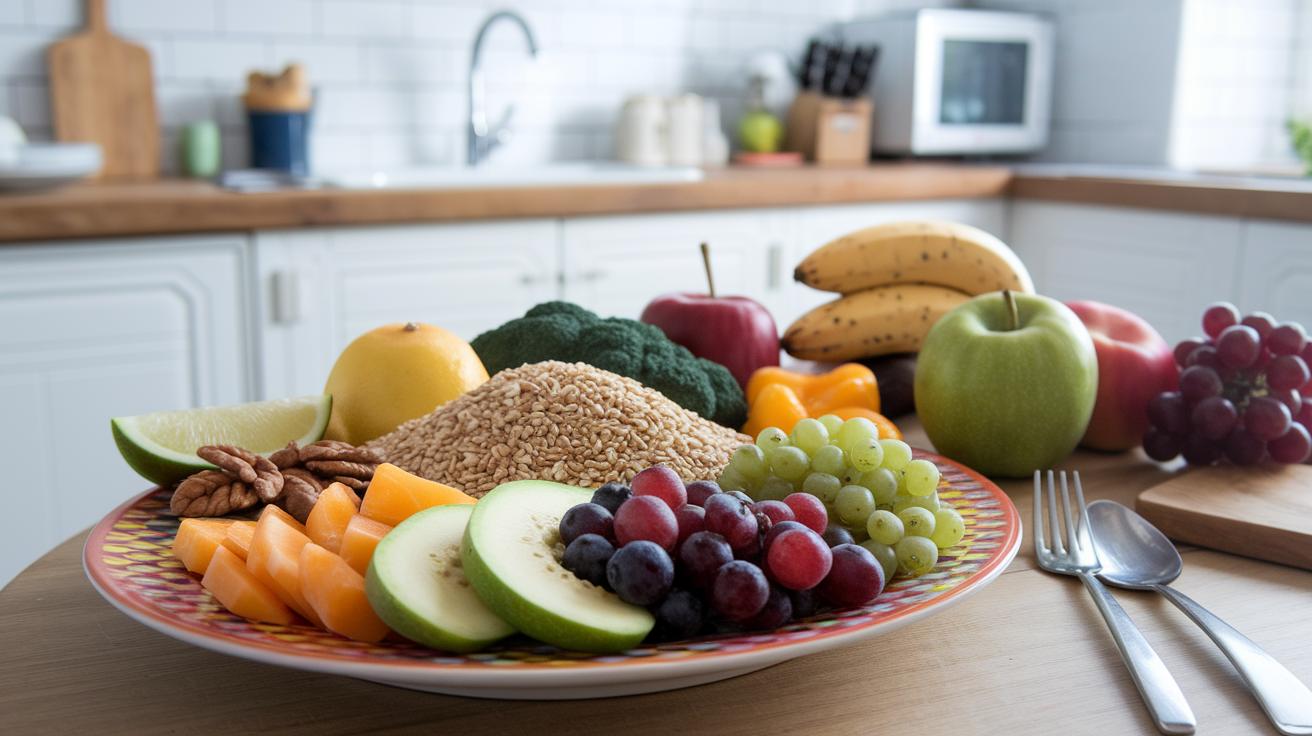
Our body breaks down macronutrients into smaller parts that it can use. Mixing up your food choices in each group helps your enzymes work better and improves how well you absorb nutrients.
Carbohydrates
When you eat carbohydrates, your digestive enzymes turn them into glucose – the main energy source for both your body and brain. Enjoying a variety of carbs keeps your energy steady, whether you're powering through a hectic afternoon or winding down after a workout. Fun fact: In your small intestine, enzymes quickly convert carbohydrates into energy, but some whole grains release glucose slowly over several hours.
- Whole grains
- Fruits
- Vegetables
- Legumes
- Tubers
Proteins
Proteins are broken down into amino acids, which your body uses to repair and build tissues. Eating both plant and animal proteins gives you a full range of essential amino acids. This balanced mix helps with muscle recovery, hormone balance, and keeping your immune system strong. For example, mixing dairy with plant proteins can provide a complete amino acid profile.
- Lean meats
- Dairy products
- Tofu and tempeh
- Beans and lentils
- Nuts and seeds
- Fish
Fats
In your small intestine, fats are emulsified and split into fatty acids that build your cells and help you absorb vitamins. Including different types of fats in your diet can support heart health and improve nutrient absorption. Here's an interesting note: Your body uses different enzymes to break down saturated and unsaturated fats, making each type work optimally for its unique functions.
- Olive oil
- Avocado
- Nuts
- Fatty fish
- Seeds
- Coconut oil
Switching up your food sources within each group can boost your digestion and help tailor nutrient uptake to your personal energy and recovery needs.
Micronutrient-Rich Food Sources for Essential Nutrients
Micronutrients and staying well-hydrated are at the heart of good health. Earlier, we shared a nutrient density chart that broke down where vitamins, minerals, and water are coming from. Now, let’s dive into some extra tips on how to absorb these nutrients better and see how pairing certain foods can actually make those nutrients work harder for you.
Vitamins
Vitamins help boost your immunity, keep your skin looking fresh, and support clear vision. But not all vitamins behave the same way once you eat them. For example, water-soluble vitamins like vitamin C work best when mixed with other foods rich in antioxidants. On the other hand, fat-soluble vitamins such as A and D need a small amount of healthy fat to truly shine. So, try drizzling a bit of olive oil on your veggies to help them deliver more vitamin A. And a neat trick to remember: pairing citrus fruits with spinach can increase the amount of iron your body absorbs by 2-3 times. Isn’t that a cool way to get more from your meal?
Minerals
Minerals are key players in building strong bones, fueling your energy, and keeping your body’s fluids in balance. Recent studies suggest that mixing certain nutrients can boost mineral absorption even further. For instance, vitamin C can help your body take in more iron from plant sources like spinach and lentils. Also, how you cook your food matters, a quick steam retains more zinc and calcium than a long, heavy boil.
Water
Water doesn’t just quench your thirst; it’s essential for moving vitamins and minerals around your body and helping remove toxins. Here’s a helpful tip: include foods with a high water content, such as melon or a warm cup of broth, alongside your vitamin-rich meals to keep your fluids balanced. When you enjoy water-rich foods together with nutrient-dense ones, your body gets a boost in absorbing those precious nutrients.
Remember, pairing the right foods not only makes meals more delicious but also helps your body make the most of every bite.
Food Sources Supporting Disease Prevention and Immune Health

Antioxidants help protect our cells by neutralizing harmful free radicals. You'll get plenty of these natural defenders in fruits, vegetables, and whole grains. Berries, for example, aren’t just delicious, they also offer a powerful boost that may help lower cancer risk. Fun fact: Blueberries don’t only satisfy your sweet tooth; they pack an antioxidant punch that supports healthy cells.
Anti-inflammatory nutrients are key to keeping your heart happy. Foods rich in healthy fats, like olive oil, avocados, and nuts, help reduce inflammation and keep blood vessels flexible. These natural fats play a big part in maintaining a healthy heart and balanced cholesterol levels, making them a wonderful addition to any diet.
Building up your immune system is easier when you include foods rich in vitamin C and zinc. Citrus fruits, bell peppers, and kiwi are bursting with vitamin C, which strengthens your body's defenses. Plus, zinc from legumes and whole grains helps with healing and overall immunity. Mixing these nutrient-packed foods into your daily meals is a simple way to support overall wellness.
Practical Dietary Tips for Balancing Food Sources of Essential Nutrients
Smart meal planning is your friendly guide to meeting everyday nutritional needs. As you grow and change, a flexible meal approach helps you include proteins, carbs, and vegetables so you get the vitamins, minerals, and energy your body loves. Planning ahead means you can enjoy the crisp freshness of seasonal produce when it’s at its peak, keeping your meals exciting and well-rounded.
- Rotate your food groups, mix proteins, carbohydrates, and vegetables, to ensure balanced nutrition.
- Craft menus that highlight the burst of flavors and nutrients from in-season produce.
- Watch your portions to savor your favorite foods without overdoing it.
- Sneak in nutrient-rich snacks like fruits, nuts, or yogurt between meals for an extra boost.
- Swap to whole foods by choosing ingredients that are as close to nature as possible.
- Keep a simple food diary to see what fuels your energy and overall well-being.
Paying attention to what you eat lets you adjust your plan as your body’s needs shift. Regular checks can show you what makes you feel strong and ready to take on the day. And if you’re curious for more ideas, take a look at resources on balanced diets with superfoods. In short, a mix of thoughtful planning and small tweaks is your best strategy for a diet that nurtures both your body and your mood.
Preserving Nutrient Content in Food Sources through Preparation and Storage

Keeping your food fresh starts with smart storage. It really helps to chill your fruits and veggies and use airtight or glass containers so that all the precious nutrients stick around and don’t get lost to air. You might even consider organic options, which usually come with fewer chemicals, letting natural enzymes and vitamins shine through. For instance, delicate greens stay crisp and full of nutrients when you pop them in a sealed container with a paper towel to soak up extra moisture. In short, using the right storage methods means your food keeps all its good stuff until you're ready to use it.
The way you cook also matters a lot for preserving those nutrients. Steaming or slow-cooking your meals can keep more vitamins intact compared to boiling, where they might simply wash away. With less harsh processing, the natural power of phytonutrients is ready for your body to soak up. And here’s a neat trick: pairing certain foods, like adding a squeeze of citrus to your spinach, can help your body absorb iron even better. So, keep your cooking methods simple and flavorful to boost both your taste and your health.
Tailoring Food Sources of Essential Nutrients for Different Life Stages
We all know that as we move through life, our body’s needs change. Whether you’re a kid, a teen, grown-up, or enjoying your later years (or even expecting a little one), the foods you eat play a big role in keeping you strong and healthy. It’s not just about filling up; it’s about choosing foods that support the way your body grows and works every day.
When you're young, your body is busy building and exploring. Kids and teens need plenty of protein for growing muscles and tissues, along with carbohydrates that give you the energy to play at school and with friends. Fruits, whole grains, and dairy not only help you grow, but they also bring essential vitamins and minerals to boost your immunity and even sharpen your focus.
For adults, staying energized and healthy is the name of the game. Lean proteins from meats, beans, or tofu help fix and maintain your muscles, while a mix of carbohydrates and healthy fats keeps you moving through those busy days. A balanced diet means you’re also getting the little vitamins and minerals your body needs to keep your engine running smoothly.
As we reach our senior years, or if you’re expecting a baby, the focus shifts a bit. Foods rich in calcium and vitamin D become key because they help keep bones strong. Alongside quality proteins to support muscle and skin, staying well-hydrated is important at every age. Water is like a helper in digestion and makes sure that all those nutrients move to where they’re needed in your body.
Remember, it’s always a great idea to chat with a health professional. They can help tailor your diet to match your own body’s special needs at every stage of life.
Final Words
In the action, this article broke down how food sources of essential nutrients fuel our body, from robust macronutrients to vital vitamins and minerals. It shared insights on balancing macros, boosting immune health, and preserving nutrients through smart cooking. Small, actionable tips help integrate clinical insights into everyday living. The content emphasizes that making informed health choices is within reach and encourages readers to experiment with balanced, nutrient-rich meals that uplift overall well-being. Stay motivated and embrace a vibrant, healthful lifestyle every day.
FAQ
What are the essential nutrients and their functions?
The essential nutrients include carbohydrates, proteins, fats, vitamins, minerals, and water. They provide energy, build and repair tissues, and help maintain hydration and overall body function.
What are some examples and sources of essential nutrients?
You can find carbohydrates in whole grains, proteins in lean meats or tofu, fats in olive oil, vitamins in fruits and vegetables, minerals in leafy greens, and water in beverages, all supporting body health.
What are the main types of nutrients and how do they work?
Nutrients are grouped as macronutrients for energy and structure, and micronutrients for body functions like immunity and bone strength. Each category plays a unique role in keeping you healthy.
Are there any foods that provide every essential nutrient or vitamin?
No single food offers every nutrient or all 13 vitamins. A varied, balanced diet with different food groups ensures you receive all necessary nutrients for optimal health.
What foods are excellent sources for vitamins?
Foods like citrus fruits, carrots, yogurt, spinach, and whole grains are excellent sources of vitamins. Including these in your diet helps meet your vitamin needs naturally.