Absorption Of Essential Nutrients Fuels Vibrant Health

Ever notice how a wholesome meal can leave you feeling energized and ready to take on the day? When you savor that first bite, something amazing happens, your body quickly turns that food into fuel, almost like a little engine starting inside you. Your system breaks down the nutrients into basic building blocks, sending energy to every corner of your body. In this post, we explore how absorbing these essential nutrients not only gives you a burst of energy but also supports your overall well-being. Stick around as we uncover the natural magic behind every bite.

Digestive Overview of Absorption of Essential Nutrients

The journey begins the moment you take your first bite. When food touches your tongue, salivary amylase starts breaking down complex carbohydrates into simple sugars. It’s like a little spark that sets everything in motion for a smooth digestion process.

As you chew, your food is physically broken down and mixed with enzymes, making sure the digestion process flows nicely. When the food reaches your stomach, strong acids and pepsin, an enzyme that breaks proteins into smaller pieces, get to work, turning the meal into a semi-liquid mix called chyme. This mix is then pushed into the small intestine by gentle, wave-like movements.

Your small intestine is where the magic of nutrient absorption really happens. Lined with tiny, hair-like structures called villi and microvilli, it maximizes the surface area for capturing essential nutrients like amino acids (the building blocks of proteins), simple sugars, and fatty acids. Only the nutrients that cross this barrier contribute directly to your body’s cells, fueling things like energy production, muscle movement, and even your senses.

Every step of this digestive journey, from salivary amylase at the mouth to the diligent work inside the small intestine, ensures that when you eat, your body gathers exactly what it needs. It’s a well-coordinated process that transforms food into the building blocks for a healthy, energetic life.

Enzymatic Digestion and Macronutrient Assimilation in Nutrient Absorption
img-1.jpg

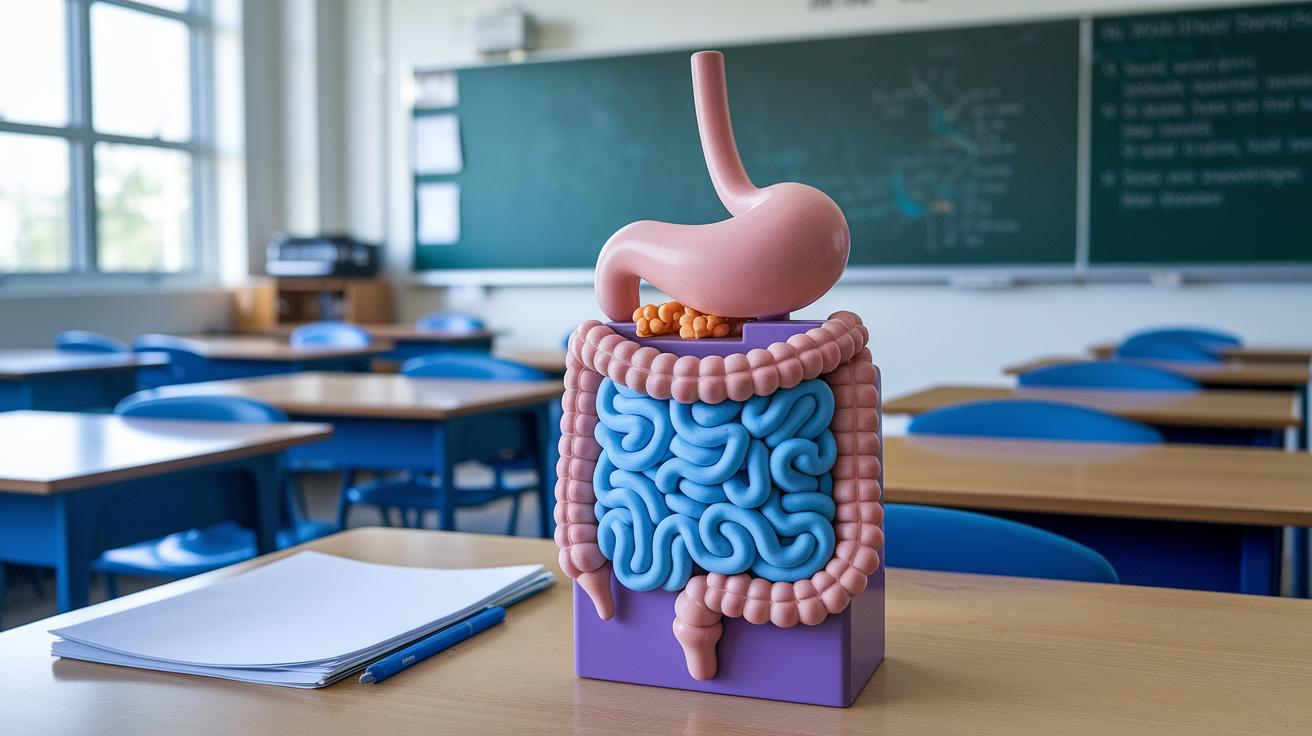
When you take a bite, your body kicks off an amazing journey. In your mouth, salivary amylase starts breaking down starch into maltose, a simple sugar that fuels your energy. It’s kind of like watching a chef chop vegetables before cooking; proteins in your food get gently prepped by pepsin in your stomach, turning them into smaller, more manageable pieces.

Once the partially digested food, known as chyme, leaves your stomach, it enters the duodenum, a welcoming space full of pancreatic enzymes. Here, pancreatic amylase continues to work on leftover carbohydrates, while lipase and other protein-cutting enzymes break down fats and proteins further. Meanwhile, bile from your liver, stored in the gallbladder, acts like a natural detergent by emulsifying fats into tiny droplets. Think of it as mixing oil and water with a bit of soap to help everything blend together perfectly.

In the end, these enzymes leave us with tiny units, monosaccharides, amino acids, and fatty acids, that are easy for the cells lining the small intestine to absorb into your bloodstream. Every bite you take is carefully transformed into energy, muscle-building blocks, and essential nutrients that keep your body running strong.

Micronutrient Uptake: Vitamin Assimilation and Mineral Integration

When you eat foods rich in vitamins A, D, E, and K, your body gets busy using bile acids from your liver (stored in the gallbladder) to break down fats. These acids help form tiny droplets called micelles. Think of micelles like little boats carrying your vitamins right to the intestinal wall. Once there, cells called enterocytes package these vitamins into chylomicrons, which then travel through the lymphatic system, delivering nourishment all over your body.

Water-soluble vitamins, like those in the B-complex group and vitamin C, take a different route. They depend on special carriers on the surface of your intestinal cells. These carriers, such as Na+-dependent transporters, quickly help usher these vitamins through the cell barrier so they can join the bloodstream, much like an express lane for vital nutrients.

Calcium absorption is another neat example of how our body works as a team. Vitamin D boosts the number of channels that let calcium slip into your intestinal cells, which in turn supports strong, healthy bones. At the same time, iron absorption involves its own set of helpers. Non-heme iron from plants uses the DMT1 transporter, while heme iron, mostly from animal sources, has a special carrier protein to make its way into your cells.

Together, these well-coordinated processes ensure your body not only gets the vitamins and minerals it needs but also uses them effectively to keep you vibrant and healthy.

Cellular Transport Mechanisms and Bioavailability in Nutrient Absorption
img-2.jpg

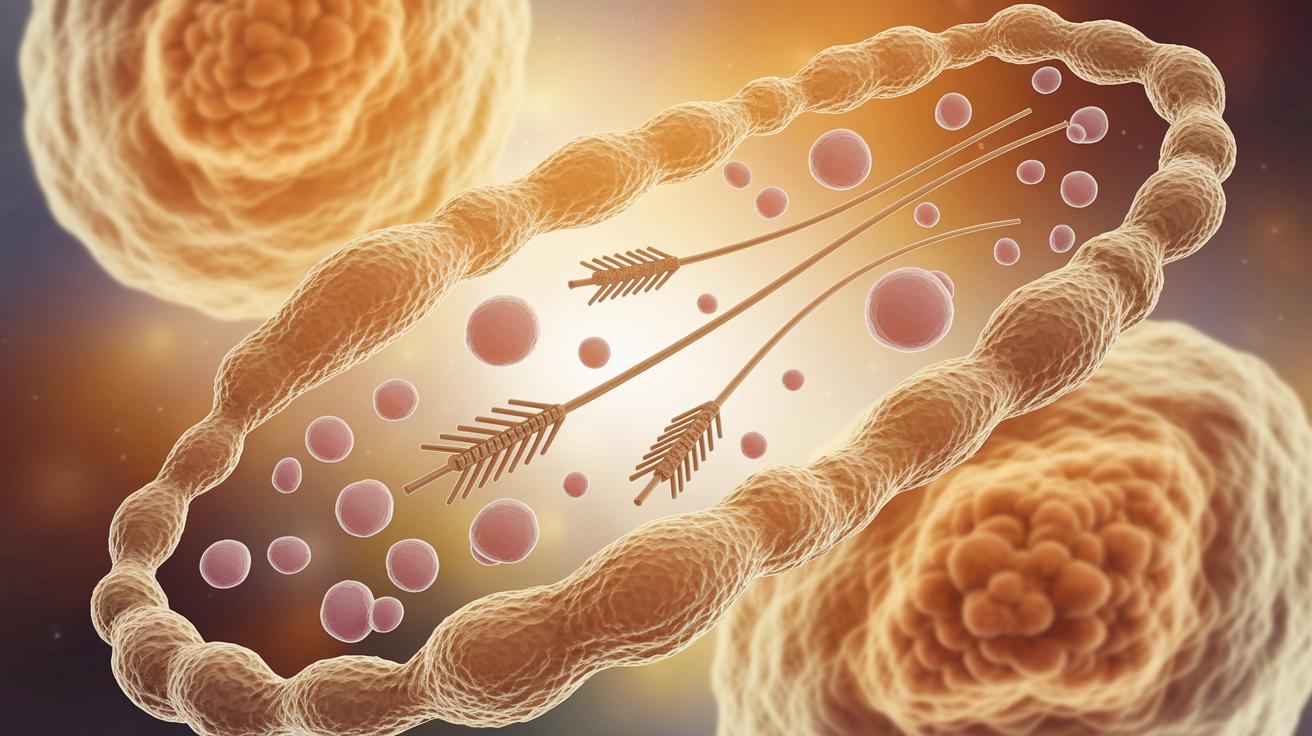
Cells have a few clever tricks to move the small nutrients our bodies rely on. Take sugars and amino acids, for example. They slide right through the cell membrane by passive diffusion, moving naturally from a place of higher concentration to one where they’re needed more, kind of like how a cool breeze flows on a hot day. When the job gets tougher, the body steps up with methods like facilitated diffusion or active transport. Here, special helpers like SGLT1 or peptide carriers grab onto these nutrients and ferry them into the cell, even if the inside is already full.

Once inside, fats take a slightly different path. Bile acids help form tiny packages called lipid micelles that guide fatty acids through a thin, water-filled layer just outside the cell known as the unstirred water layer. Picture a gentle fog that usually slows things down; these micelles break through it with ease. Inside the cell, the fats are reassembled into larger bundles called chylomicrons. These bundles then exit into small lymph vessels called lacteals before eventually joining the bloodstream to nourish tissues all around the body.

The body is smart about controlling who gets in, too. The blood-brain barrier works like a careful security guard for your brain, using tight junctions and specific receptors to allow only the right molecules through. This selective process helps maintain the perfect environment for your brain, ensuring that only what’s truly needed gets in.

Key Points:

Process Function
Passive, Facilitated Diffusion & Active Transport Move nutrients across cell membranes
Lipid Micelles & Chylomicrons Help absorb and transport fats
Blood-Brain Barrier Controls what nutrients reach the brain

Gastrointestinal Secretions and Motility Driving Nutrient Absorption

When you eat, your stomach releases acid with a pH between 1.5 and 3.5. This acid wakes up pepsin, an enzyme that begins breaking down proteins, kind of like jump-starting the digestive process.

Next, in the duodenum, your pancreas gets involved by secreting enzymes such as amylase, lipase, and proteases. Each enzyme plays its role without repeating tasks, much like a well-organized assembly line where every station has its purpose.

Then, the liver produces bile acids that are saved in the gallbladder until needed. When fats enter the mix, these bile acids break them into tiny droplets, making it easier for pancreatic lipase to work on them. Think of it as breaking fats into smaller pieces so they can be easily handled.

Finally, gentle, rhythmic peristaltic waves move the partially digested food along the small intestine. These movements are like a smooth conveyor belt, ensuring that every bit of food meets the digestive juices, helping your body soak up all the nutrients it needs.

Dietary and Lifestyle Strategies for Optimizing Absorption of Essential Nutrients
img-3.jpg

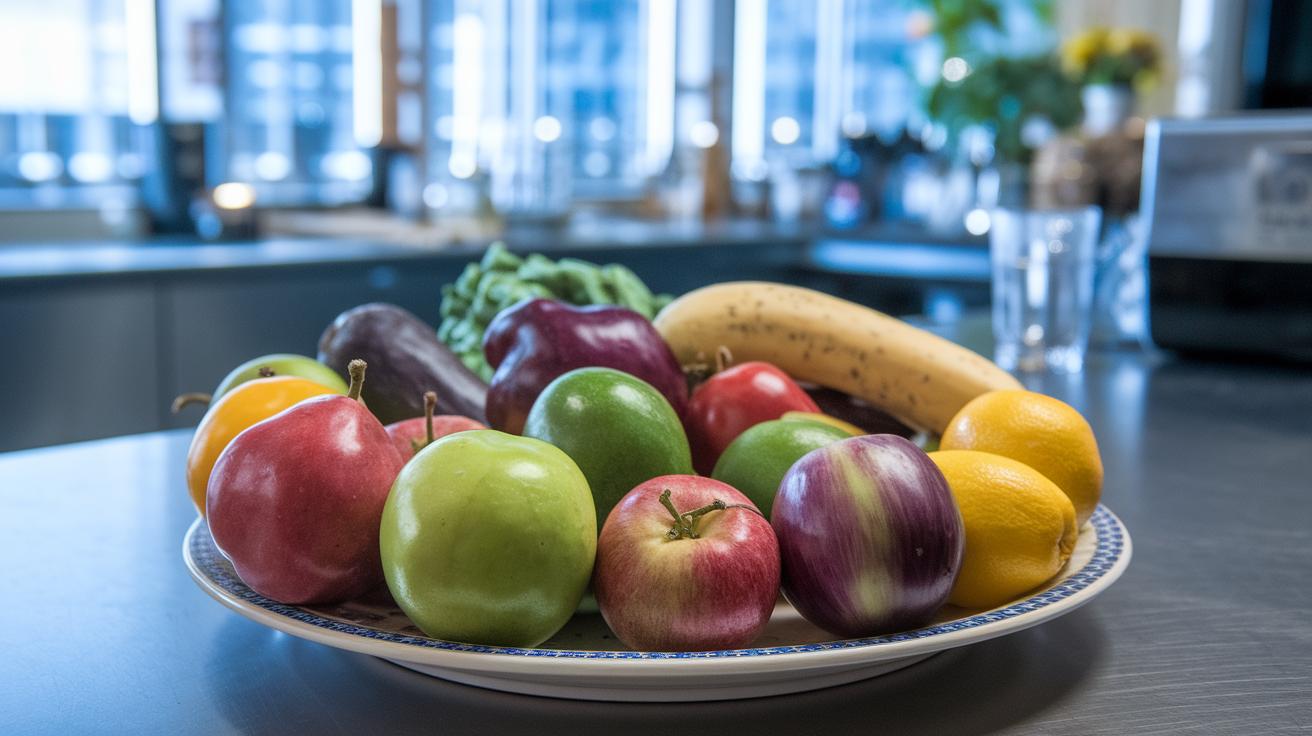
Eating well isn’t just about choosing the right foods; how you eat and live plays a big role in how your body soaks up all those good nutrients. Start by filling your plate with fresh fruits and vegetables, think crisp bell peppers, tangy citrus slices, crunchy broccoli, and juicy berries. These foods are loaded with vitamin C and antioxidants, giving your body a natural, feel-good boost, kind of like the burst you get from a refreshing snack.

Sometimes giving your food a little heat can make it even more beneficial. For example, warming up tomatoes helps release lycopene, a powerful antioxidant that becomes more active after a little cooking. In the same way, lightly cooking veggies like sweet potatoes, carrots, or spinach can release vitamin A, making it easier for your cells to grab on to those important nutrients.

Pairing the right foods together can really make a difference, too. Mixing iron-rich foods like spinach with a splash of lemon juice or some vibrant berries can boost iron absorption. And if you’re keen on keeping your bones strong, keeping up good vitamin D levels, whether from fortified foods or a bit of daily sunshine, helps your body absorb calcium better.

Everyday habits are important as well. If you dive into a tough workout right after eating, it might slow down digestion. Instead, wait about an hour to give your body time to process your meal. Chewing your food thoroughly is another simple trick; it lets those helpful enzymes do their job and makes digestion smoother. And don’t forget the impact of a calm mind, practicing stress-reduction techniques and aiming for 7 to 9 hours of sleep can lower cortisol levels, helping your body focus on absorbing the goodness from your meals.

Final Words

in the action, we tracked how food transforms from a meal into building blocks for our cells. Mouth, stomach, and small intestine each have their part in breaking down nutrients so that they’re perfectly ready for uptake. The article explored enzyme actions, digestive secretions, and lifestyle tips that boost the absorption of essential nutrients. Every step supports our body’s well-being and guides us toward balanced, healthful living. With these insights, staying informed makes healthy choices feel natural and uplifting.

FAQ

Where does the absorption of essential nutrients occur in the digestive system?

The absorption of essential nutrients occurs mainly in the small intestine, where villi and microvilli create a large surface area, maximizing uptake of carbohydrates, proteins, fats, vitamins, and minerals.

What helps your body absorb nutrients effectively?

The body absorbs nutrients effectively when balanced enzyme secretions, bile emulsification, and proper digestion work together with a nutrient-rich diet that pairs complementary foods like vitamin C and iron.

What happens to nutrients once they are absorbed into the bloodstream?

Once absorbed, nutrients travel through the bloodstream to cells, where they provide energy, support muscle movement, and aid various cellular functions for overall body maintenance.

How are nutrient absorption processes in plants different from those in animals?

In plants, nutrient absorption occurs mainly through the roots using water and minerals from the soil, while animals rely on a digestive system to break down food into absorbable components.

What nutrients are absorbed in the large intestine?

In the large intestine, water and electrolytes like sodium and potassium are absorbed, helping to maintain proper hydration and electrolyte balance within the body.

Which nutrient is absorbed by small intestine lymphatic vessels?

The small intestine lymphatic vessels absorb fatty acids and other lipids that are packaged into chylomicrons, facilitating their transport through the lymphatic system.

How can one know if the body is absorbing nutrients properly?

Good nutrient absorption often shows as stable energy levels, a well-functioning digestion, consistent weight, clear skin, and overall signs of robust physical health.

What are the four types of nutrient absorption?

Nutrients are absorbed through passive diffusion, facilitated diffusion, active transport, and endocytosis, each using distinct mechanisms to cross the cell membrane.

How do you fix poor nutrient absorption?

Improving poor nutrient absorption may involve dietary adjustments, thorough chewing of food, managing digestive secretions, and consulting a healthcare provider for personalized advice.

Ever notice how a wholesome meal can leave you feeling energized and ready to take on the day? When you savor that first bite, something amazing happens, your body quickly turns that food into fuel, almost like a little engine starting inside you. Your system breaks down the nutrients into basic building blocks, sending energy to every corner of your body. In this post, we explore how absorbing these essential nutrients not only gives you a burst of energy but also supports your overall well-being. Stick around as we uncover the natural magic behind every bite.

Digestive Overview of Absorption of Essential Nutrients

The journey begins the moment you take your first bite. When food touches your tongue, salivary amylase starts breaking down complex carbohydrates into simple sugars. It’s like a little spark that sets everything in motion for a smooth digestion process.

As you chew, your food is physically broken down and mixed with enzymes, making sure the digestion process flows nicely. When the food reaches your stomach, strong acids and pepsin, an enzyme that breaks proteins into smaller pieces, get to work, turning the meal into a semi-liquid mix called chyme. This mix is then pushed into the small intestine by gentle, wave-like movements.

Your small intestine is where the magic of nutrient absorption really happens. Lined with tiny, hair-like structures called villi and microvilli, it maximizes the surface area for capturing essential nutrients like amino acids (the building blocks of proteins), simple sugars, and fatty acids. Only the nutrients that cross this barrier contribute directly to your body’s cells, fueling things like energy production, muscle movement, and even your senses.

Every step of this digestive journey, from salivary amylase at the mouth to the diligent work inside the small intestine, ensures that when you eat, your body gathers exactly what it needs. It’s a well-coordinated process that transforms food into the building blocks for a healthy, energetic life.

Enzymatic Digestion and Macronutrient Assimilation in Nutrient Absorption

img-1.jpg

When you take a bite, your body kicks off an amazing journey. In your mouth, salivary amylase starts breaking down starch into maltose, a simple sugar that fuels your energy. It’s kind of like watching a chef chop vegetables before cooking; proteins in your food get gently prepped by pepsin in your stomach, turning them into smaller, more manageable pieces.

Once the partially digested food, known as chyme, leaves your stomach, it enters the duodenum, a welcoming space full of pancreatic enzymes. Here, pancreatic amylase continues to work on leftover carbohydrates, while lipase and other protein-cutting enzymes break down fats and proteins further. Meanwhile, bile from your liver, stored in the gallbladder, acts like a natural detergent by emulsifying fats into tiny droplets. Think of it as mixing oil and water with a bit of soap to help everything blend together perfectly.

In the end, these enzymes leave us with tiny units, monosaccharides, amino acids, and fatty acids, that are easy for the cells lining the small intestine to absorb into your bloodstream. Every bite you take is carefully transformed into energy, muscle-building blocks, and essential nutrients that keep your body running strong.

Micronutrient Uptake: Vitamin Assimilation and Mineral Integration

When you eat foods rich in vitamins A, D, E, and K, your body gets busy using bile acids from your liver (stored in the gallbladder) to break down fats. These acids help form tiny droplets called micelles. Think of micelles like little boats carrying your vitamins right to the intestinal wall. Once there, cells called enterocytes package these vitamins into chylomicrons, which then travel through the lymphatic system, delivering nourishment all over your body.

Water-soluble vitamins, like those in the B-complex group and vitamin C, take a different route. They depend on special carriers on the surface of your intestinal cells. These carriers, such as Na+-dependent transporters, quickly help usher these vitamins through the cell barrier so they can join the bloodstream, much like an express lane for vital nutrients.

Calcium absorption is another neat example of how our body works as a team. Vitamin D boosts the number of channels that let calcium slip into your intestinal cells, which in turn supports strong, healthy bones. At the same time, iron absorption involves its own set of helpers. Non-heme iron from plants uses the DMT1 transporter, while heme iron, mostly from animal sources, has a special carrier protein to make its way into your cells.

Together, these well-coordinated processes ensure your body not only gets the vitamins and minerals it needs but also uses them effectively to keep you vibrant and healthy.

Cellular Transport Mechanisms and Bioavailability in Nutrient Absorption

img-2.jpg

Cells have a few clever tricks to move the small nutrients our bodies rely on. Take sugars and amino acids, for example. They slide right through the cell membrane by passive diffusion, moving naturally from a place of higher concentration to one where they’re needed more, kind of like how a cool breeze flows on a hot day. When the job gets tougher, the body steps up with methods like facilitated diffusion or active transport. Here, special helpers like SGLT1 or peptide carriers grab onto these nutrients and ferry them into the cell, even if the inside is already full.

Once inside, fats take a slightly different path. Bile acids help form tiny packages called lipid micelles that guide fatty acids through a thin, water-filled layer just outside the cell known as the unstirred water layer. Picture a gentle fog that usually slows things down; these micelles break through it with ease. Inside the cell, the fats are reassembled into larger bundles called chylomicrons. These bundles then exit into small lymph vessels called lacteals before eventually joining the bloodstream to nourish tissues all around the body.

The body is smart about controlling who gets in, too. The blood-brain barrier works like a careful security guard for your brain, using tight junctions and specific receptors to allow only the right molecules through. This selective process helps maintain the perfect environment for your brain, ensuring that only what’s truly needed gets in.

Key Points:

Process Function
Passive, Facilitated Diffusion & Active Transport Move nutrients across cell membranes
Lipid Micelles & Chylomicrons Help absorb and transport fats
Blood-Brain Barrier Controls what nutrients reach the brain

Gastrointestinal Secretions and Motility Driving Nutrient Absorption

When you eat, your stomach releases acid with a pH between 1.5 and 3.5. This acid wakes up pepsin, an enzyme that begins breaking down proteins, kind of like jump-starting the digestive process.

Next, in the duodenum, your pancreas gets involved by secreting enzymes such as amylase, lipase, and proteases. Each enzyme plays its role without repeating tasks, much like a well-organized assembly line where every station has its purpose.

Then, the liver produces bile acids that are saved in the gallbladder until needed. When fats enter the mix, these bile acids break them into tiny droplets, making it easier for pancreatic lipase to work on them. Think of it as breaking fats into smaller pieces so they can be easily handled.

Finally, gentle, rhythmic peristaltic waves move the partially digested food along the small intestine. These movements are like a smooth conveyor belt, ensuring that every bit of food meets the digestive juices, helping your body soak up all the nutrients it needs.

Dietary and Lifestyle Strategies for Optimizing Absorption of Essential Nutrients

img-3.jpg

Eating well isn’t just about choosing the right foods; how you eat and live plays a big role in how your body soaks up all those good nutrients. Start by filling your plate with fresh fruits and vegetables, think crisp bell peppers, tangy citrus slices, crunchy broccoli, and juicy berries. These foods are loaded with vitamin C and antioxidants, giving your body a natural, feel-good boost, kind of like the burst you get from a refreshing snack.

Sometimes giving your food a little heat can make it even more beneficial. For example, warming up tomatoes helps release lycopene, a powerful antioxidant that becomes more active after a little cooking. In the same way, lightly cooking veggies like sweet potatoes, carrots, or spinach can release vitamin A, making it easier for your cells to grab on to those important nutrients.

Pairing the right foods together can really make a difference, too. Mixing iron-rich foods like spinach with a splash of lemon juice or some vibrant berries can boost iron absorption. And if you’re keen on keeping your bones strong, keeping up good vitamin D levels, whether from fortified foods or a bit of daily sunshine, helps your body absorb calcium better.

Everyday habits are important as well. If you dive into a tough workout right after eating, it might slow down digestion. Instead, wait about an hour to give your body time to process your meal. Chewing your food thoroughly is another simple trick; it lets those helpful enzymes do their job and makes digestion smoother. And don’t forget the impact of a calm mind, practicing stress-reduction techniques and aiming for 7 to 9 hours of sleep can lower cortisol levels, helping your body focus on absorbing the goodness from your meals.

Final Words

in the action, we tracked how food transforms from a meal into building blocks for our cells. Mouth, stomach, and small intestine each have their part in breaking down nutrients so that they’re perfectly ready for uptake. The article explored enzyme actions, digestive secretions, and lifestyle tips that boost the absorption of essential nutrients. Every step supports our body’s well-being and guides us toward balanced, healthful living. With these insights, staying informed makes healthy choices feel natural and uplifting.

FAQ

Where does the absorption of essential nutrients occur in the digestive system?

The absorption of essential nutrients occurs mainly in the small intestine, where villi and microvilli create a large surface area, maximizing uptake of carbohydrates, proteins, fats, vitamins, and minerals.

What helps your body absorb nutrients effectively?

The body absorbs nutrients effectively when balanced enzyme secretions, bile emulsification, and proper digestion work together with a nutrient-rich diet that pairs complementary foods like vitamin C and iron.

What happens to nutrients once they are absorbed into the bloodstream?

Once absorbed, nutrients travel through the bloodstream to cells, where they provide energy, support muscle movement, and aid various cellular functions for overall body maintenance.

How are nutrient absorption processes in plants different from those in animals?

In plants, nutrient absorption occurs mainly through the roots using water and minerals from the soil, while animals rely on a digestive system to break down food into absorbable components.

What nutrients are absorbed in the large intestine?

In the large intestine, water and electrolytes like sodium and potassium are absorbed, helping to maintain proper hydration and electrolyte balance within the body.

Which nutrient is absorbed by small intestine lymphatic vessels?

The small intestine lymphatic vessels absorb fatty acids and other lipids that are packaged into chylomicrons, facilitating their transport through the lymphatic system.

How can one know if the body is absorbing nutrients properly?

Good nutrient absorption often shows as stable energy levels, a well-functioning digestion, consistent weight, clear skin, and overall signs of robust physical health.

What are the four types of nutrient absorption?

Nutrients are absorbed through passive diffusion, facilitated diffusion, active transport, and endocytosis, each using distinct mechanisms to cross the cell membrane.

How do you fix poor nutrient absorption?

Improving poor nutrient absorption may involve dietary adjustments, thorough chewing of food, managing digestive secretions, and consulting a healthcare provider for personalized advice.

More from author

LEAVE A REPLY

Please enter your comment!
Please enter your name here

Related posts

Advertismentspot_img

Latest posts

How To Create A Daily Wellness Routine: Thriving

Curious about how to create a daily wellness routine that transforms your mornings and days? Read on as secrets await…

2 Daily Wellness Drink Tips For Radiance

Experience a daily wellness drink with natural herbs, green ingredients, and clinical backing that might change your routine forever, stay tuned.

Daily Wellness: Elevate Your Everyday Vitality

Daily wellness transforms everyday routines into mindful adjustments, merging nutrition, movement, and restorative sleep. What unforeseen practice awaits you next?

Want to stay up to date with the latest news?

We would love to hear from you! Please fill in your details and we will stay in touch. It's that simple!