Wellness Strategies: Boost Your Mind And Body

Ever thought that a few small changes could truly brighten your day? Research shows that a simple habit, like taking a few deep breaths or enjoying a brisk walk, can clear your mind and boost your energy. Picture feeling refreshed with tiny daily routines that help you reset your focus and mood.

In this post, you'll discover easy and practical wellness tips that blend everyday habits with proven research. Stick with us and learn how simple steps can make your mind sharper and your days more balanced.

Core Wellness Strategies for Mind, Body, and Emotion

Building mental clarity is the first step toward a balanced life. Simple routines like mindful breathing, gentle meditation, and short focus exercises can clear your mind and help create a strong foundation. Research suggests that forming a new habit can take anywhere from 18 to 254 days, with many finding a steady routine by day 66. Digital wellness tools often use fun, bite-sized challenges and assessments to help these habits stick. For example, many have found that replacing digital reminders with a daily meditation session sharpens focus and builds a resilient mindset.

Emotional balance is just as essential as mental clarity. Incorporating activities like yoga, expressive journaling, or guided meditation into your daily life can create a toolbox for handling stress and mood swings. Think of it this way: just as a brisk walk refreshes your body, a minute or two of focused relaxation can reset your emotions in the middle of a busy day. Blending physical movement with mindful pauses supports long-term emotional well-being and helps keep stress in check.

Boosting your everyday energy is another practical strategy. Simple actions, like taking a quick 20 to 30-minute nap or stepping away from work for a short stretch, can significantly enhance your performance. Imagine taking a brief break to stretch your limbs and then returning to your tasks with renewed focus and vigor. These small, yet powerful routines bring together mental clarity, emotional balance, and physical energy to help you handle everyday challenges with confidence.

Personalized Wellness Strategies for Diverse Lifestyles
img-1.jpg

Start by taking a simple look at your daily routines. Try tracking your sleep, meals, workouts, and even those little stress moments over a few weeks. This casual self-check can spotlight habits you might have missed. For example, you might use a digital questionnaire to note your energy and mood throughout the day. Such a review, paired with a basic health risk tool, helps you see exactly what your body needs, like a mini checkup that sets you up for smarter wellness choices.

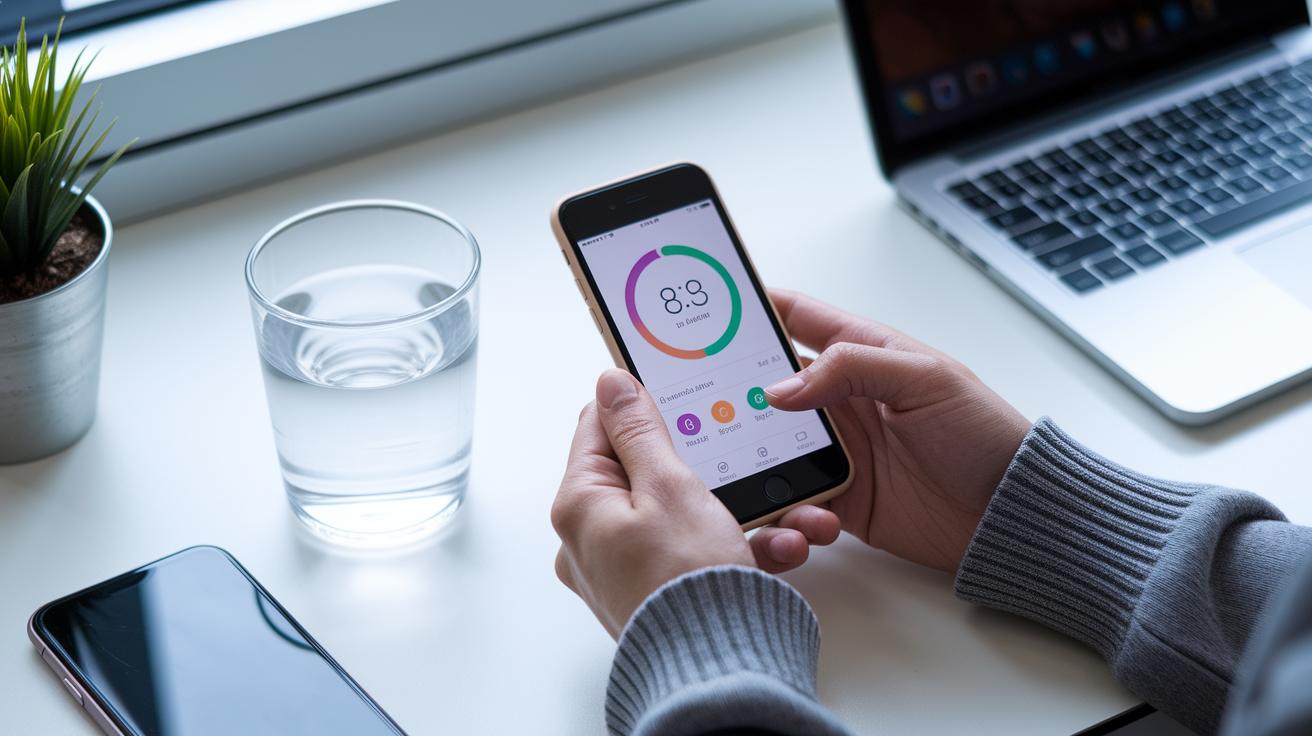
Next, mix routine with technology to suit your unique lifestyle. Imagine a smart app that nudges you to drink water, take a short walk, or do a few deep breaths based on your activity and calendar. Picture it this way: after noticing you’ve been sitting too long, it suggests a quick stretch to perk up your circulation. These personalized tools turn everyday habits into evolving strategies that grow with your life's changes, ensuring every step you take supports your overall health vision.

Daily Wellness Strategies for Habit Formation and Stress Reduction

Some research suggests that it takes around 66 days for daily self-care routines to become automatic. One person said, "I started noticing that pausing to take a deep breath really boosted my mood during hectic afternoons." It’s a blend of proven steps mixed with little tweaks that fit today’s busy life.

Studies show that a 20–30 minute break can boost your productivity by about 34 percent. Even a short walk can reduce stress hormones nearly as effectively as a quick five-minute mindfulness pause. Try combining a gentle breathing exercise, like mindful breathing (you can check out tips here: https://worthykaws.com?p=1315), with a moment to reflect, and watch your focus improve.

Also, try setting up simple hydration reminders that spark your senses. Imagine the refreshing sensation of cool water during a break. And at the end of your day, spend a few moments in reflection to help ease the transition from work to rest, keeping both your mind clear and your emotions balanced.

Integrative Wellness Strategies: Self-Care and Nutrition

img-2.jpg

Every day, building a balanced plate is like laying a strong foundation for your energy, immune system, and clear thinking. Eating a mix of proteins, fats, and carbohydrates not only gives you fuel throughout the day but also helps your brain work well and aids muscle recovery. Small but mighty nutrients like vitamin D (which helps with calcium absorption) and magnesium (which can improve sleep and mood) are also key. Including probiotic foods like yogurt daily can boost your gut health and your body’s natural defenses. Imagine enjoying a bowl of creamy Greek yogurt with a drizzle of honey and a handful of berries, it’s a simple snack that keeps your energy steady. These mindful habits build a daily routine that supports both here-and-now vigor and long-term wellness.

Paying attention to your meals and planning them with care turns everyday eating into a lively, healthy blueprint for life. Try designing gut-friendly meal plans by adding a variety of whole foods, like tangy fermented vegetables, lean proteins, and a rainbow of fruits and veggies from local farms. This approach mixes holistic care with creative meal ideas tailored to your needs. Picture putting together a colorful, nutritious dinner that satisfies both your hunger and your senses, perhaps with fresh, locally grown ingredients and a side of zesty, probiotic kimchi. In short, when you treat meal time as a special ritual, you’re nurturing both your body and your mind, paving the way for a balanced, vibrant life.

Corporate and Community Wellness Strategies

Many companies are finding that flexible work hours can help lower stress by about 25%. These days, lots of workplaces include fun on-site wellness challenges and offer help with mental health, money matters, and even substance-use concerns. And, you know what? They even encourage short power naps during the day. A quick 20-30 minute nap can boost work productivity by 34%, giving everyone a chance to recharge.

On the community side, companies are teaming up to promote health outside the office too. They set up group fitness classes, offer bike or public transit deals, and arrange team-building events that help everyone feel connected. In short, these programs spread care beyond the workplace, so employees can enjoy support both at work and in the community.

Companies also know it’s important to check if these efforts are really working. They send out surveys and use digital tools to see how many staff members participate in the wellness programs. With regular feedback, they can tweak their plans to make sure every wellness initiative meets current needs while boosting long-term well-being.

Measuring Success: Tracking and Evaluating Wellness Strategies

img-3.jpg

Using simple health evaluation tools and a touch of risk management can really shine a light on how effective your wellness program is. Many top-notch platforms, which serve over 3.5 million users, bring together easy-to-read analytics that track key numbers effortlessly. By keeping an eye on things like program participation, stress surveys, and biometric screenings, you can make smart tweaks based on what the numbers tell you. For example, a deep dive into participation rates can show how engaged everyone really is, while regular stress surveys help reveal how heavy the mental load might be.

Reading these numbers is like having a direct conversation about what’s working and what isn’t in your wellness plan. With digital analytics checking participation and regular screenings capturing biometric data, you can spot trends on the fly. This approach doesn’t just celebrate wins, it also points out where things might need a little extra care to keep getting better. Below is a simple breakdown of some key wellness metrics to help guide your data-driven decisions:

Metric Method Frequency
Participation Rate Digital Analytics Monthly
Stress Survey Employee Feedback Quarterly
Biometric Data Regular Screenings Annually

Final Words

In the action, the article explored holistic approaches that wrap mental clarity practices with nutrition tips and daily routines. It highlighted how adaptive methods work for personal and group settings while showing research-backed steps to build habit routines. The focus remained on integrating everyday wellness strategies into living routines in a clear, relatable manner. The evidence supports small, practical changes that go a long way in uplifting our quality of life. Embrace these wellness strategies and keep moving forward with positivity.

FAQ

What is intellectual wellness and why does it matter?

Intellectual wellness means engaging in learning and creative challenges that boost brain health, encouraging curiosity and a balanced approach to lifelong learning.

How does one improve emotional wellness with helpful activities and resources, including options for students?

Improving emotional wellness involves practices like mindfulness, journaling, and creative outlets, while students can benefit from guided activities and supportive resources to build resilience.

How does social wellness enhance relationships and daily life?

Social wellness means fostering strong connections through active listening and community involvement, which creates a supportive network that benefits overall mental and emotional health.

What are the five strategies and ways to promote overall wellbeing?

Five key strategies include regular physical exercise, balanced nutrition, consistent emotional self-care, proactive social engagement, and reflective practices to support a well-rounded life.

What are the seven types of wellness?

The seven types of wellness typically include physical, intellectual, emotional, social, environmental, spiritual, and occupational wellness, each supporting a balanced and healthy lifestyle.

What are five effective self-care strategies?

Five effective self-care strategies consist of maintaining a sleep routine, staying physically active, practicing mindfulness, setting healthy boundaries, and engaging in hobbies that relax and rejuvenate.

What is environmental wellness and how does it contribute to overall health?

Environmental wellness focuses on creating a safe, clean, and supportive space, which helps improve physical health and provides a calming backdrop to boost mental clarity.

Ever thought that a few small changes could truly brighten your day? Research shows that a simple habit, like taking a few deep breaths or enjoying a brisk walk, can clear your mind and boost your energy. Picture feeling refreshed with tiny daily routines that help you reset your focus and mood.

In this post, you'll discover easy and practical wellness tips that blend everyday habits with proven research. Stick with us and learn how simple steps can make your mind sharper and your days more balanced.

Core Wellness Strategies for Mind, Body, and Emotion

Building mental clarity is the first step toward a balanced life. Simple routines like mindful breathing, gentle meditation, and short focus exercises can clear your mind and help create a strong foundation. Research suggests that forming a new habit can take anywhere from 18 to 254 days, with many finding a steady routine by day 66. Digital wellness tools often use fun, bite-sized challenges and assessments to help these habits stick. For example, many have found that replacing digital reminders with a daily meditation session sharpens focus and builds a resilient mindset.

Emotional balance is just as essential as mental clarity. Incorporating activities like yoga, expressive journaling, or guided meditation into your daily life can create a toolbox for handling stress and mood swings. Think of it this way: just as a brisk walk refreshes your body, a minute or two of focused relaxation can reset your emotions in the middle of a busy day. Blending physical movement with mindful pauses supports long-term emotional well-being and helps keep stress in check.

Boosting your everyday energy is another practical strategy. Simple actions, like taking a quick 20 to 30-minute nap or stepping away from work for a short stretch, can significantly enhance your performance. Imagine taking a brief break to stretch your limbs and then returning to your tasks with renewed focus and vigor. These small, yet powerful routines bring together mental clarity, emotional balance, and physical energy to help you handle everyday challenges with confidence.

Personalized Wellness Strategies for Diverse Lifestyles

img-1.jpg

Start by taking a simple look at your daily routines. Try tracking your sleep, meals, workouts, and even those little stress moments over a few weeks. This casual self-check can spotlight habits you might have missed. For example, you might use a digital questionnaire to note your energy and mood throughout the day. Such a review, paired with a basic health risk tool, helps you see exactly what your body needs, like a mini checkup that sets you up for smarter wellness choices.

Next, mix routine with technology to suit your unique lifestyle. Imagine a smart app that nudges you to drink water, take a short walk, or do a few deep breaths based on your activity and calendar. Picture it this way: after noticing you’ve been sitting too long, it suggests a quick stretch to perk up your circulation. These personalized tools turn everyday habits into evolving strategies that grow with your life's changes, ensuring every step you take supports your overall health vision.

Daily Wellness Strategies for Habit Formation and Stress Reduction

Some research suggests that it takes around 66 days for daily self-care routines to become automatic. One person said, "I started noticing that pausing to take a deep breath really boosted my mood during hectic afternoons." It’s a blend of proven steps mixed with little tweaks that fit today’s busy life.

Studies show that a 20–30 minute break can boost your productivity by about 34 percent. Even a short walk can reduce stress hormones nearly as effectively as a quick five-minute mindfulness pause. Try combining a gentle breathing exercise, like mindful breathing (you can check out tips here: https://worthykaws.com?p=1315), with a moment to reflect, and watch your focus improve.

Also, try setting up simple hydration reminders that spark your senses. Imagine the refreshing sensation of cool water during a break. And at the end of your day, spend a few moments in reflection to help ease the transition from work to rest, keeping both your mind clear and your emotions balanced.

Integrative Wellness Strategies: Self-Care and Nutrition

img-2.jpg

Every day, building a balanced plate is like laying a strong foundation for your energy, immune system, and clear thinking. Eating a mix of proteins, fats, and carbohydrates not only gives you fuel throughout the day but also helps your brain work well and aids muscle recovery. Small but mighty nutrients like vitamin D (which helps with calcium absorption) and magnesium (which can improve sleep and mood) are also key. Including probiotic foods like yogurt daily can boost your gut health and your body’s natural defenses. Imagine enjoying a bowl of creamy Greek yogurt with a drizzle of honey and a handful of berries, it’s a simple snack that keeps your energy steady. These mindful habits build a daily routine that supports both here-and-now vigor and long-term wellness.

Paying attention to your meals and planning them with care turns everyday eating into a lively, healthy blueprint for life. Try designing gut-friendly meal plans by adding a variety of whole foods, like tangy fermented vegetables, lean proteins, and a rainbow of fruits and veggies from local farms. This approach mixes holistic care with creative meal ideas tailored to your needs. Picture putting together a colorful, nutritious dinner that satisfies both your hunger and your senses, perhaps with fresh, locally grown ingredients and a side of zesty, probiotic kimchi. In short, when you treat meal time as a special ritual, you’re nurturing both your body and your mind, paving the way for a balanced, vibrant life.

Corporate and Community Wellness Strategies

Many companies are finding that flexible work hours can help lower stress by about 25%. These days, lots of workplaces include fun on-site wellness challenges and offer help with mental health, money matters, and even substance-use concerns. And, you know what? They even encourage short power naps during the day. A quick 20-30 minute nap can boost work productivity by 34%, giving everyone a chance to recharge.

On the community side, companies are teaming up to promote health outside the office too. They set up group fitness classes, offer bike or public transit deals, and arrange team-building events that help everyone feel connected. In short, these programs spread care beyond the workplace, so employees can enjoy support both at work and in the community.

Companies also know it’s important to check if these efforts are really working. They send out surveys and use digital tools to see how many staff members participate in the wellness programs. With regular feedback, they can tweak their plans to make sure every wellness initiative meets current needs while boosting long-term well-being.

Measuring Success: Tracking and Evaluating Wellness Strategies

img-3.jpg

Using simple health evaluation tools and a touch of risk management can really shine a light on how effective your wellness program is. Many top-notch platforms, which serve over 3.5 million users, bring together easy-to-read analytics that track key numbers effortlessly. By keeping an eye on things like program participation, stress surveys, and biometric screenings, you can make smart tweaks based on what the numbers tell you. For example, a deep dive into participation rates can show how engaged everyone really is, while regular stress surveys help reveal how heavy the mental load might be.

Reading these numbers is like having a direct conversation about what’s working and what isn’t in your wellness plan. With digital analytics checking participation and regular screenings capturing biometric data, you can spot trends on the fly. This approach doesn’t just celebrate wins, it also points out where things might need a little extra care to keep getting better. Below is a simple breakdown of some key wellness metrics to help guide your data-driven decisions:

Metric Method Frequency
Participation Rate Digital Analytics Monthly
Stress Survey Employee Feedback Quarterly
Biometric Data Regular Screenings Annually

Final Words

In the action, the article explored holistic approaches that wrap mental clarity practices with nutrition tips and daily routines. It highlighted how adaptive methods work for personal and group settings while showing research-backed steps to build habit routines. The focus remained on integrating everyday wellness strategies into living routines in a clear, relatable manner. The evidence supports small, practical changes that go a long way in uplifting our quality of life. Embrace these wellness strategies and keep moving forward with positivity.

FAQ

What is intellectual wellness and why does it matter?

Intellectual wellness means engaging in learning and creative challenges that boost brain health, encouraging curiosity and a balanced approach to lifelong learning.

How does one improve emotional wellness with helpful activities and resources, including options for students?

Improving emotional wellness involves practices like mindfulness, journaling, and creative outlets, while students can benefit from guided activities and supportive resources to build resilience.

How does social wellness enhance relationships and daily life?

Social wellness means fostering strong connections through active listening and community involvement, which creates a supportive network that benefits overall mental and emotional health.

What are the five strategies and ways to promote overall wellbeing?

Five key strategies include regular physical exercise, balanced nutrition, consistent emotional self-care, proactive social engagement, and reflective practices to support a well-rounded life.

What are the seven types of wellness?

The seven types of wellness typically include physical, intellectual, emotional, social, environmental, spiritual, and occupational wellness, each supporting a balanced and healthy lifestyle.

What are five effective self-care strategies?

Five effective self-care strategies consist of maintaining a sleep routine, staying physically active, practicing mindfulness, setting healthy boundaries, and engaging in hobbies that relax and rejuvenate.

What is environmental wellness and how does it contribute to overall health?

Environmental wellness focuses on creating a safe, clean, and supportive space, which helps improve physical health and provides a calming backdrop to boost mental clarity.

More from author

LEAVE A REPLY

Please enter your comment!
Please enter your name here

Related posts

Advertismentspot_img

Latest posts

How To Create A Daily Wellness Routine: Thriving

Curious about how to create a daily wellness routine that transforms your mornings and days? Read on as secrets await…

2 Daily Wellness Drink Tips For Radiance

Experience a daily wellness drink with natural herbs, green ingredients, and clinical backing that might change your routine forever, stay tuned.

Daily Wellness: Elevate Your Everyday Vitality

Daily wellness transforms everyday routines into mindful adjustments, merging nutrition, movement, and restorative sleep. What unforeseen practice awaits you next?

Want to stay up to date with the latest news?

We would love to hear from you! Please fill in your details and we will stay in touch. It's that simple!