Ever feel overwhelmed by daily stress, like a blocked stream putting your flow on hold? Reiki might be the gentle boost you need. Born in Japan in the early 1900s, this healing practice helps guide your life-force energy to ease tight muscles and calm heavy emotions. In this blog, we chat about how inviting Reiki into your life can lift weight off your shoulders, spark a sense of calm, and help you feel more vibrant and balanced.
Understanding Reiki Healing: Principles and Mechanisms
Reiki healing is a gentle energy practice that began in early 20th-century Japan, thanks to Mikao Usui. The name "Reiki" comes from two Japanese words: "Rei" meaning universal or spiritual and "Ki" meaning life-force energy. Think of it as a soft breeze that flows through every living thing, nourishing your cells. It brings a caring touch to both your mind and body by recognizing this ever-present energy.
At the heart of Reiki is Ki, the life-force energy that fuels our physical and emotional well-being. When everyday stress, injuries, or emotional turmoil block this energy, it’s like a garden with a clogged stream where some plants start to droop. These blockages can leave you feeling off balance or uncomfortable, and even small adjustments in your energy flow might make a big difference in how you feel.
Reiki practitioners help clear these blockages by channeling the universal life-force energy. Using gentle hand placements, and sometimes even a light touch, they encourage the natural flow of energy. As this clear energy begins to move freely again, you may experience both physical relaxation and a deep sense of calm. This approachable method taps into your body’s natural ability to heal and renew, making it a compelling way to support overall well-being.
Reiki Healing: Embrace Radiant Life
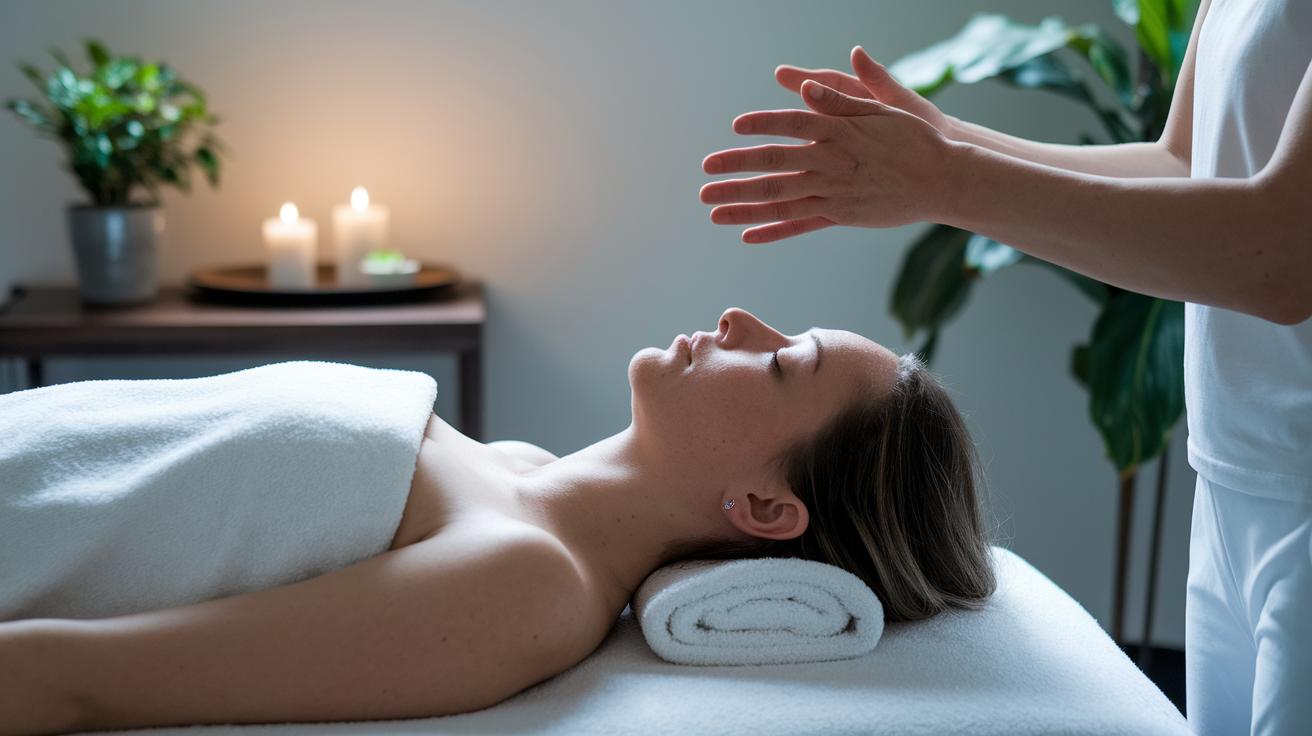
In a typical Reiki session, you settle comfortably on a massage table with your clothes on, and the practitioner helps guide healing energy to your body. They use specific hand placements to ease physical strains and calm your mind. This practice aims to soothe your feelings and improve overall balance.
- Crown of the head
- Forehead
- Right temple
- Left temple
- Right shoulder
- Left shoulder
- Upper abdomen
- Lower abdomen
- Upper back
- Lower back
- Right foot
- Left foot
Different techniques allow the practitioner to tailor the session to your needs. Sometimes, a gentle light-touch is used where a slight pressure creates a warm, reassuring feel. Other times, the practitioner might simply hover their hands near you, sending soothing energy without making contact. This flexibility helps clear energy blockages and supports a balanced, refreshed state.
On-body Reiki Technique
When touch is part of the process, you often feel a comforting connection that many find very calming. Clients usually mention feeling more grounded and noticing a welcome relief in muscle tension.
Near-body Reiki Technique
With a hovering, near-body approach, the focus is on gently boosting energy flow in areas that might seem tense or overworked. This method offers a subtle, refreshing change that many appreciate for its light touch and easy comfort.
Health Benefits and Clinical Integration of Reiki Healing
Reiki healing is more than just a way to relax. Many people have found that it helps reduce both sudden and long-lasting pain, calm worries that make it hard to sleep, and ease the tight muscles that build up from stress. It’s a gentle, non-invasive method that not only supports healing after surgery or illness but also helps clear the mind and sharpen focus.
Many healthcare settings now include Reiki as a supportive treatment option. Hospitals, wellness centers, and rehabilitation facilities are beginning to use this approach alongside more traditional therapies like massage, acupuncture, and talk therapy. It’s easy to see why, it offers a soft, caring way to help the body’s natural healing process while also lowering daily stress.
| Benefit | Effect | Clinical Setting |
|---|---|---|
| Pain Relief | Helps reduce both sudden and persistent pain | Hospitals, Pain Management Clinics |
| Improved Sleep | Eases anxiety and promotes better sleep | Wellness Centers |
| Stress Reduction | Relieves tension caused by chronic stress | Integrative Health Practices |
| Enhanced Focus | Boosts mental clarity and concentration | Rehabilitation Centers |
| Supportive Recovery | Assists in healing after surgery or illness | Hospitals, Recovery Centers |
| Mind–Body Harmony | Balances physical and emotional well-being | Integrative Medicine Facilities |
In today’s clinics, Reiki is growing in popularity as a complementary treatment. In fact, it’s being used in over 800 hospitals across the U.S. Medical professionals appreciate its calming, supportive role because it adds a gentle touch to traditional treatments. When paired with other therapies, Reiki helps ease daily stress and creates a balanced connection between the mind and body. It’s a step toward a more holistic and steady state of well-being.
Historical Origins and Evolution of Reiki Healing
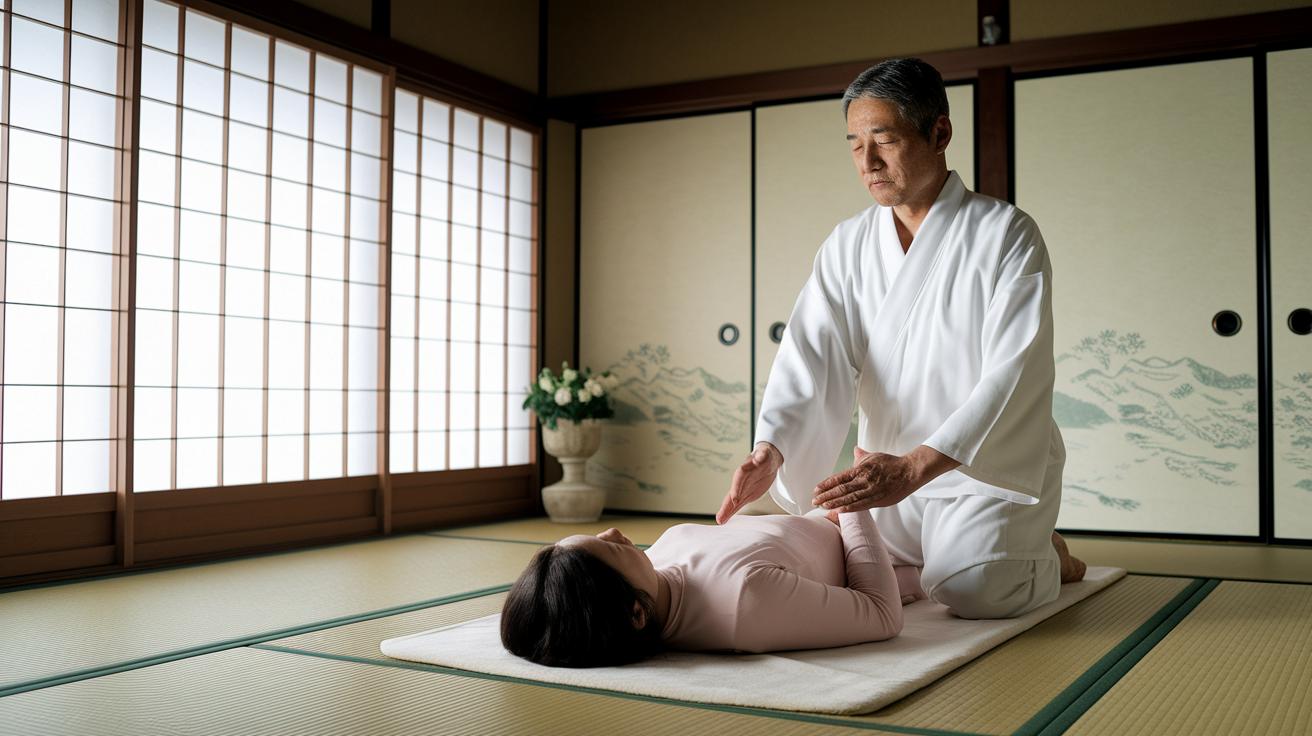
Mikao Usui first shaped Reiki in Japan back in 1922 after years of focused study and meditation. He uncovered a gentle, holistic way to healing that still attracts those looking for calm and balance in their lives.
In Japan, the early days of Reiki were all about the deep, personal exchange between teacher and student. Experienced masters shared their insights and time-tested techniques, ensuring that every lesson helped set the foundation for what Reiki is today.
Come the 1930s, Reiki started its journey across the ocean. Skilled practitioners carried the tradition to the West, tweaking the age-old methods to blend with local customs. This allowed Reiki to grow and resonate with a wider range of people, each finding comfort in its simple yet profound approach.
By the early 2000s, Reiki had blossomed into a global practice. You’d even find it integrated into select hospitals and wellness centers. It’s pretty inspiring to see how a practice rooted in meditation and personal insight evolved into an acknowledged complement to modern therapies around the world.
Incorporating Reiki Healing into Daily Wellness Practices
Many people set aside time each week or month for Reiki sessions to help manage stress. These regular sessions offer a chance to restore balance in your life. Imagine designating a quiet moment each week just to recharge your inner energy. Interestingly, many individuals report feeling significantly more relaxed and focused when they make time for these energy sessions.
Every day, you have an opportunity to reconnect with your body through self-Reiki. With simple hand placements meant to ease small aches and reset your feelings, self-Reiki acts like a mini break during a hectic day. Picture spending a few minutes gently moving your hands to dissolve tension. In fact, regular short self-care practices can noticeably boost both your energy and mood.
Combining Reiki with other mind–body practices like meditation, yoga, or acupuncture can result in even deeper relaxation. When you blend these methods, you create a routine that helps clear your mind and soothe your body. It’s like layering different techniques to build a strong, all-around self-care plan that supports both mental clarity and physical calm.
Selecting a Reiki Healing Practitioner and Planning Your Sessions
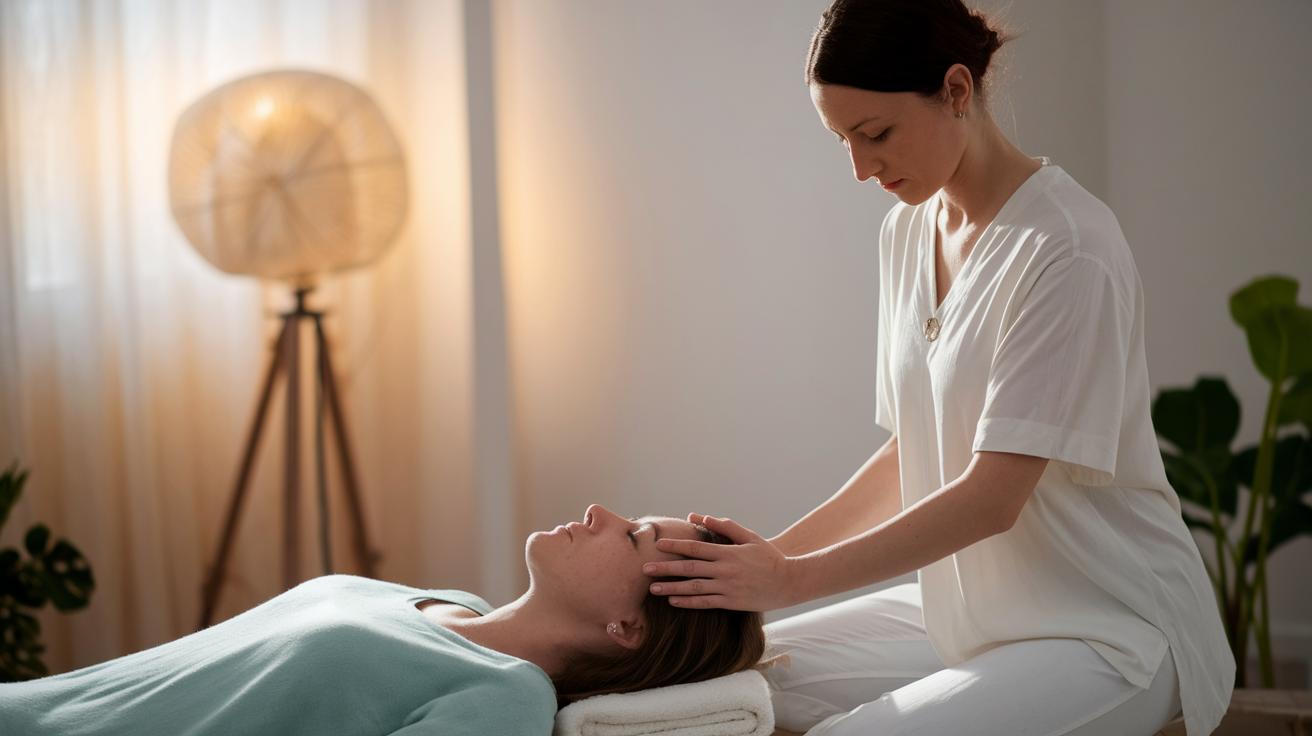
Finding a reliable practitioner means checking their training, how they structure sessions, and their overall approach. A session usually lasts about 60 minutes. You'll start with a quick intake, then have an energy assessment, experience the healing, and finish with a bit of feedback afterwards. Many experts suggest beginning with four to six weekly sessions and then moving to monthly check-ins. This gradual start lets you notice small but steady improvements over time.
Credentials to Look For
When you’re choosing a practitioner, look for someone certified by a well-known Reiki training organization. They should proudly share their training background and be active in professional groups. These details help ensure you’re working with someone skilled and dedicated.
Scheduling and Session Logistics
It’s important to think about scheduling. Check if the practitioner has a detailed intake process that really considers your personal needs. Also, find out if you can have sessions both face-to-face and online. That way, you can pick the option that fits best with your daily life.
Cost Structures and Packages
Costs can vary based on where you live. Some practitioners offer discounts if you schedule multiple sessions at once or even work with sliding-scale fees. Make sure you understand the price for a single session, any package deals, and if there are insurance options available. This clarity helps you plan your Reiki journey confidently.
Safety Considerations and Limitations of Reiki Healing
Reiki is a gentle, non-invasive therapy that most people find very safe. Research shows it carries little risk, though scientists are still learning about its long-term benefits. It’s important to remember that Reiki isn’t a stand-alone cure but works best when used alongside regular medical care.
Think of Reiki as an extra tool for relaxation and easing discomfort. Many folks turn to it for reducing stress or aiding recovery, but you should never rely on it as your only treatment for any health issue. It’s always smart to follow your doctor’s advice when adding Reiki to your wellness routine.
Reiki practitioners follow ethical guidelines to ensure you feel comfortable and informed. They always get your permission before starting and explain what Reiki can and cannot do compared to standard medical treatments. This clear communication helps make your session both respectful and safe.
Final Words
In the action of exploring reiki healing, this article broke down its core principles, session techniques, and a bit of its history. We looked at how energy work helps manage everyday well-being.
We also considered practical steps for incorporating reiki healing into daily routines, selecting a practitioner, and staying safe. Embracing these insights can add a refreshing boost to balanced living. Enjoy applying these ideas and feel the positive shift in your overall wellness.
FAQ
What is Reiki healing and how does it work?
Reiki healing is a non-invasive treatment that channels universal life-force energy (Ki) to restore balance, promote relaxation, and support physical and emotional wellness. Developed in Japan, it uses hand placements to guide energy flow.
How much does Reiki healing cost?
Reiki healing cost varies by practitioner, location, and session type. Rates differ widely, with many therapists offering package deals, sliding scales, or discounts based on session duration and frequency.
What benefits does Reiki healing provide?
Reiki healing offers benefits such as reduced pain, lower muscle tension, improved sleep, stress relief, and enhanced mental clarity. These effects combine to support overall mind–body health.
Is Reiki healing a real thing?
Reiki healing is a recognized complementary therapy practiced alongside conventional treatments. It is non-invasive, widely used in hospitals and wellness settings, and valued for its supportive role in healing.
What are the risks of Reiki healing?
Reiki healing is safe with minimal risk, as it is non-invasive. Still, it should be used as a complement to conventional medical treatment rather than a sole cure for health issues.
What are the five rules of Reiki?
The five rules of Reiki guide practitioners to be mindful, compassionate, honest, dedicated to service, and respectful. These precepts foster a balanced lifestyle and ethical practice in energy healing.
Where can I find Reiki healing resources such as courses, YouTube videos, or music?
Reiki healing resources include courses, instructional YouTube channels, and calming music designed to enhance practice. Search online wellness platforms, local classes, or trusted streaming services for quality materials.
How does Reiki interact with Christianity?
Some individuals blend Reiki with Christian beliefs, using it as a complementary practice. Perspectives vary, so practitioners often adapt their approach to align with personal faith and community values.
How can I find Reiki healing near me?
To find Reiki healing near you, check local wellness centers, holistic clinics, or use online directories that list certified practitioners offering both in-person and virtual sessions.