Inner Healing: Embrace Calm & Renewal

Have you felt weighed down by past hurts and wondered if true peace is possible? Healing sometimes feels like peeling an onion, each layer carrying memories that have shaped who you are.

In this chat, we explore how balancing your heart and mind can lead to emotional freedom and a fresh start. Imagine the calm of a quiet morning walk, each gentle step and moment of reflection guiding you closer to inner peace.

Understanding Inner Healing Foundations for Emotional and Spiritual Renewal

Inner healing is all about bringing your heart and mind back into balance by gently addressing deep, hidden wounds accumulated over time. In our "Finding Deep Soul Healing 101" roadmap, first shared during the Power Tools WEBINAR on September 5 and later revisited during the live “7 Trees of the Wilderness” session on September 22, we explain that true healing works like peeling an onion, layer by layer, with each layer holding memories that deserve careful, step-by-step attention.

The program lays out seven clear steps toward freedom, encouraging you to work continuously with the Holy Spirit to mend every unhealed part of yourself. As you progress, those old hurts gradually lose their power, sitting quietly in the background instead of disrupting your day-to-day life. Think of it like closing an open door that once let negative energy seep in, that’s what makes all the difference.

This healing journey is available to you worldwide in both video and book formats, making it accessible for anyone seeking a path to spiritual wholeness and emotional renewal. By blending insightful psychological exploration with heartfelt spiritual guidance, the curriculum supports a full-circle recovery on both your conscious and subconscious levels. It invites Divine Intelligence to help lift long-held pain, guiding you toward a calm, renewed state of mind and spirit.

Recognizing When Inner Healing Is Needed: Common Signs to Watch For
img-1.jpg

Have you ever felt that nagging pull from past conflicts or inner strife? Sometimes, repeated struggles at home, work, or even with yourself hint that there might be deeper wounds waiting to be acknowledged. When familiar patterns start to disturb your everyday life, it’s a sign you might need to dig a little deeper.

Unresolved emotional pain can sneak into your relationships, shaping how you interact with others and even altering how you see yourself or connect with God. Paying attention to these gentle prompts can help you discover the areas that deserve some kind care.

Think about it this way: if recurring issues feel heavier than simple stress, it might be time for a healing process. Look out for these common signals:

  • Repeating relationship cycles that stir up ongoing conflict
  • Constantly trying to please others, even when it means ignoring your own needs
  • Struggling to create and keep solid, healthy boundaries
  • Lingering, unexplained stress that just won’t subside
  • A constant buzz of uncertainty about who you are or what you’re worth
  • Frequent clashes at work that never seem to find a resolution

Inner Healing Practices: Prayer, Meditation, and Scriptural Steps

Prayer is really at the heart of inner healing. It’s our way of gently breaking free from burdens and old wounds. When you pray, especially invoking Jesus’ name as a symbol of strength, you tap into a well of courage that can turn inner turmoil into a chance for renewal. There are guided devotional series, like "7 Basic Keys to Inner Healing" and "21 Days of Breakthrough Prayer", that help you take it step by step. You might start by reading a favorite verse, maybe even thinking, “Jesus calmed a storm with just one word.” Such reflections remind us that our hearts, too, can find calm through simple truth and unwavering faith. It’s as if, with each prayer, you invite a warm, comforting light to soothe deep-seated distress.

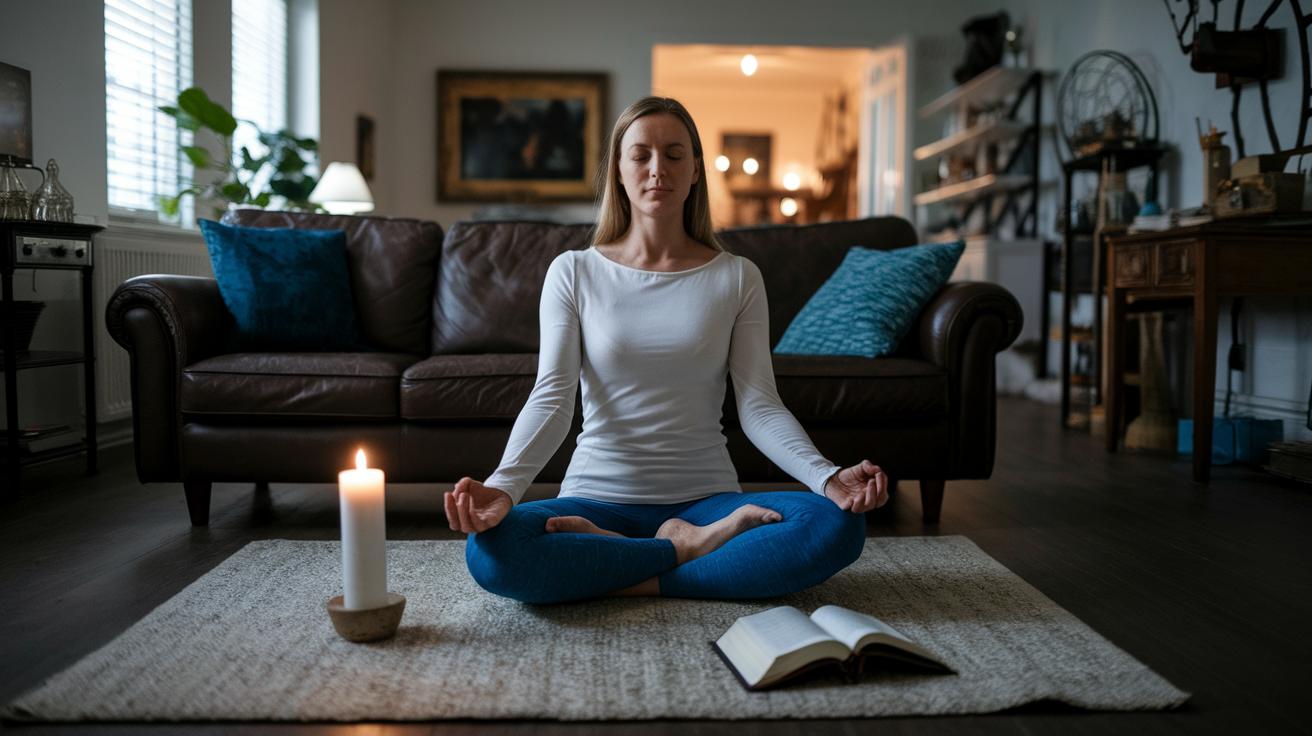
Meditation offers a closely knitted path alongside prayer, inviting both body and spirit to find balance. Think of it as a quiet conversation with yourself, where every slow, mindful breath helps ease the strain of past pains. Try sitting quietly at home and focusing on each breath, noticing the crisp air entering and leaving your body. It’s a gentle reminder that every inhalation is an offer of calm, and every exhalation releases tension. Really, each breath becomes a small step on your journey to healing, turning moments of mindfulness into a safe and renewing space.

Inner Healing for Childhood Trauma: Steps to Recover Emotional Wholeness

img-2.jpg

When we grow up, family challenges can leave marks that shape how we see ourselves and our world. Sometimes, the hurtful words or actions of those closest to us plant seeds of doubt and pain that follow us into adulthood. These lingering scars can make us feel unworthy or overwhelmed. The first step is to notice these wounds and give them a name.

Healing starts by gently exploring these memories. Inner healing means taking a close look at both the clear, vivid moments and the quiet, hidden feelings tucked away inside. It’s a bit like peeling an onion; each layer holds a memory or an emotion that needs gentle attention. What is one memory that still seems to influence your choices today? Asking yourself this small question can spark awareness.

This process also leans on your inner wisdom, a kind of natural, guiding light. That inner knowing can help soothe deep-seated pain, slowly transforming your emotional landscape from the inside out. Whether you spend time in prayer, meditation, or simply quiet reflection, try to picture a warm, healing glow filling the spaces where old pain once dwelled. This comforting light can mend your inner world and restore a sense of emotional wholeness.

Integrating Therapy and Inner Healing: A Holistic Restoration Plan

Therapy gives you tools to handle immediate feelings and stress, even though it usually focuses on easing discomfort rather than digging into hidden wounds. Typically, a therapist works within set time frames, helping you manage everyday emotions by teaching practical coping techniques. On the other hand, inner healing goes much deeper. It gently uncovers those long-standing scars that shape how we feel about ourselves, using a mix of trusted psychological methods and a touch of faith-based renewal. Think of therapy as offering you a clear, step-by-step guide, while inner healing works slowly, layer by layer, to soothe the deep emotional imprints that simple methods might miss.

When you blend clinical techniques with spiritual insight, you create a path for real and lasting growth. Standard therapy equips you with daily strategies, but inner healing offers a gradual, heart-led transformation that tackles deep-seated issues from their roots. This combined approach supports long-term self-rejuvenation, building emotional strength and turning vulnerable moments into opportunities for change. Traditional methods, like treatment for PTSD therapy, provide a starting point, yet inner healing encourages you to also embrace spiritual exploration that helps reconstruct your true self.

Category Therapy Focus Inner Healing Focus
Symptom vs. Core Wound Coping with everyday stresses Tending to deep-rooted emotional pain
Cognitive vs. Spiritual Exploration Clear, logical strategies Connecting with a sense of Divine insight
Session Limits vs. Layered Process Quick, focused sessions A gradual, thorough healing journey
Skill-Based vs. Divine Transformation Techniques to ease stress Faith-driven inner renewal

Final Words

In the action, we explored a complete roadmap to inner healing, from building spiritual and emotional foundations to practical prayer and meditation steps. You’ve seen how deep psychological work, combined with faith, plays a crucial role in letting bygone pain recede.

This approach shows that blending therapy with inner healing crafts a fresh outlook toward personal growth. Every step offers a chance to nurture your well-being and embrace a brighter, balanced future.

FAQ

What does inner healing mean?

Inner healing means a process of emotional and spiritual renewal where past wounds are gently acknowledged and released through prayer, scripture study, and mindfulness, restoring a sense of true peace and wholeness.

How do I start inner healing?

Starting inner healing means taking the first step with prayer and honest self-reflection. It involves using scriptural guidance and mindful practices to invite support and begin releasing hidden emotional burdens.

What are the four types of healing?

The four types of healing often refer to spiritual, emotional, mental, and relational restoration. Each type addresses distinct inner wounds while inviting a balanced, comprehensive approach to ending pain and fostering growth.

What are the seven steps of healing?

The seven steps of healing guide you from acknowledging deep wounds to experiencing true freedom. They include prayer, reflective scripture study, mindful practices, and ongoing work with the Holy Spirit for complete restoration.

What is a powerful prayer for inner healing?

A powerful prayer for inner healing calls on divine strength to mend past hurts and renew the spirit. For instance, you might say, “Lord, please release my pain, restore my spirit, and guide me toward lasting healing and wholeness.”

What inner healing resources are available?

Inner healing resources include books, biblical guides, PDFs, and deliverance materials. These formats offer step-by-step instructions and scriptural insights to support your emotional and spiritual renewal.

Have you felt weighed down by past hurts and wondered if true peace is possible? Healing sometimes feels like peeling an onion, each layer carrying memories that have shaped who you are.

In this chat, we explore how balancing your heart and mind can lead to emotional freedom and a fresh start. Imagine the calm of a quiet morning walk, each gentle step and moment of reflection guiding you closer to inner peace.

Understanding Inner Healing Foundations for Emotional and Spiritual Renewal

Inner healing is all about bringing your heart and mind back into balance by gently addressing deep, hidden wounds accumulated over time. In our "Finding Deep Soul Healing 101" roadmap, first shared during the Power Tools WEBINAR on September 5 and later revisited during the live “7 Trees of the Wilderness” session on September 22, we explain that true healing works like peeling an onion, layer by layer, with each layer holding memories that deserve careful, step-by-step attention.

The program lays out seven clear steps toward freedom, encouraging you to work continuously with the Holy Spirit to mend every unhealed part of yourself. As you progress, those old hurts gradually lose their power, sitting quietly in the background instead of disrupting your day-to-day life. Think of it like closing an open door that once let negative energy seep in, that’s what makes all the difference.

This healing journey is available to you worldwide in both video and book formats, making it accessible for anyone seeking a path to spiritual wholeness and emotional renewal. By blending insightful psychological exploration with heartfelt spiritual guidance, the curriculum supports a full-circle recovery on both your conscious and subconscious levels. It invites Divine Intelligence to help lift long-held pain, guiding you toward a calm, renewed state of mind and spirit.

Recognizing When Inner Healing Is Needed: Common Signs to Watch For

img-1.jpg

Have you ever felt that nagging pull from past conflicts or inner strife? Sometimes, repeated struggles at home, work, or even with yourself hint that there might be deeper wounds waiting to be acknowledged. When familiar patterns start to disturb your everyday life, it’s a sign you might need to dig a little deeper.

Unresolved emotional pain can sneak into your relationships, shaping how you interact with others and even altering how you see yourself or connect with God. Paying attention to these gentle prompts can help you discover the areas that deserve some kind care.

Think about it this way: if recurring issues feel heavier than simple stress, it might be time for a healing process. Look out for these common signals:

  • Repeating relationship cycles that stir up ongoing conflict
  • Constantly trying to please others, even when it means ignoring your own needs
  • Struggling to create and keep solid, healthy boundaries
  • Lingering, unexplained stress that just won’t subside
  • A constant buzz of uncertainty about who you are or what you’re worth
  • Frequent clashes at work that never seem to find a resolution

Inner Healing Practices: Prayer, Meditation, and Scriptural Steps

Prayer is really at the heart of inner healing. It’s our way of gently breaking free from burdens and old wounds. When you pray, especially invoking Jesus’ name as a symbol of strength, you tap into a well of courage that can turn inner turmoil into a chance for renewal. There are guided devotional series, like "7 Basic Keys to Inner Healing" and "21 Days of Breakthrough Prayer", that help you take it step by step. You might start by reading a favorite verse, maybe even thinking, “Jesus calmed a storm with just one word.” Such reflections remind us that our hearts, too, can find calm through simple truth and unwavering faith. It’s as if, with each prayer, you invite a warm, comforting light to soothe deep-seated distress.

Meditation offers a closely knitted path alongside prayer, inviting both body and spirit to find balance. Think of it as a quiet conversation with yourself, where every slow, mindful breath helps ease the strain of past pains. Try sitting quietly at home and focusing on each breath, noticing the crisp air entering and leaving your body. It’s a gentle reminder that every inhalation is an offer of calm, and every exhalation releases tension. Really, each breath becomes a small step on your journey to healing, turning moments of mindfulness into a safe and renewing space.

Inner Healing for Childhood Trauma: Steps to Recover Emotional Wholeness

img-2.jpg

When we grow up, family challenges can leave marks that shape how we see ourselves and our world. Sometimes, the hurtful words or actions of those closest to us plant seeds of doubt and pain that follow us into adulthood. These lingering scars can make us feel unworthy or overwhelmed. The first step is to notice these wounds and give them a name.

Healing starts by gently exploring these memories. Inner healing means taking a close look at both the clear, vivid moments and the quiet, hidden feelings tucked away inside. It’s a bit like peeling an onion; each layer holds a memory or an emotion that needs gentle attention. What is one memory that still seems to influence your choices today? Asking yourself this small question can spark awareness.

This process also leans on your inner wisdom, a kind of natural, guiding light. That inner knowing can help soothe deep-seated pain, slowly transforming your emotional landscape from the inside out. Whether you spend time in prayer, meditation, or simply quiet reflection, try to picture a warm, healing glow filling the spaces where old pain once dwelled. This comforting light can mend your inner world and restore a sense of emotional wholeness.

Integrating Therapy and Inner Healing: A Holistic Restoration Plan

Therapy gives you tools to handle immediate feelings and stress, even though it usually focuses on easing discomfort rather than digging into hidden wounds. Typically, a therapist works within set time frames, helping you manage everyday emotions by teaching practical coping techniques. On the other hand, inner healing goes much deeper. It gently uncovers those long-standing scars that shape how we feel about ourselves, using a mix of trusted psychological methods and a touch of faith-based renewal. Think of therapy as offering you a clear, step-by-step guide, while inner healing works slowly, layer by layer, to soothe the deep emotional imprints that simple methods might miss.

When you blend clinical techniques with spiritual insight, you create a path for real and lasting growth. Standard therapy equips you with daily strategies, but inner healing offers a gradual, heart-led transformation that tackles deep-seated issues from their roots. This combined approach supports long-term self-rejuvenation, building emotional strength and turning vulnerable moments into opportunities for change. Traditional methods, like treatment for PTSD therapy, provide a starting point, yet inner healing encourages you to also embrace spiritual exploration that helps reconstruct your true self.

Category Therapy Focus Inner Healing Focus
Symptom vs. Core Wound Coping with everyday stresses Tending to deep-rooted emotional pain
Cognitive vs. Spiritual Exploration Clear, logical strategies Connecting with a sense of Divine insight
Session Limits vs. Layered Process Quick, focused sessions A gradual, thorough healing journey
Skill-Based vs. Divine Transformation Techniques to ease stress Faith-driven inner renewal

Final Words

In the action, we explored a complete roadmap to inner healing, from building spiritual and emotional foundations to practical prayer and meditation steps. You’ve seen how deep psychological work, combined with faith, plays a crucial role in letting bygone pain recede.

This approach shows that blending therapy with inner healing crafts a fresh outlook toward personal growth. Every step offers a chance to nurture your well-being and embrace a brighter, balanced future.

FAQ

What does inner healing mean?

Inner healing means a process of emotional and spiritual renewal where past wounds are gently acknowledged and released through prayer, scripture study, and mindfulness, restoring a sense of true peace and wholeness.

How do I start inner healing?

Starting inner healing means taking the first step with prayer and honest self-reflection. It involves using scriptural guidance and mindful practices to invite support and begin releasing hidden emotional burdens.

What are the four types of healing?

The four types of healing often refer to spiritual, emotional, mental, and relational restoration. Each type addresses distinct inner wounds while inviting a balanced, comprehensive approach to ending pain and fostering growth.

What are the seven steps of healing?

The seven steps of healing guide you from acknowledging deep wounds to experiencing true freedom. They include prayer, reflective scripture study, mindful practices, and ongoing work with the Holy Spirit for complete restoration.

What is a powerful prayer for inner healing?

A powerful prayer for inner healing calls on divine strength to mend past hurts and renew the spirit. For instance, you might say, “Lord, please release my pain, restore my spirit, and guide me toward lasting healing and wholeness.”

What inner healing resources are available?

Inner healing resources include books, biblical guides, PDFs, and deliverance materials. These formats offer step-by-step instructions and scriptural insights to support your emotional and spiritual renewal.

More from author

LEAVE A REPLY

Please enter your comment!
Please enter your name here

Related posts

Advertismentspot_img

Latest posts

How To Create A Daily Wellness Routine: Thriving

Curious about how to create a daily wellness routine that transforms your mornings and days? Read on as secrets await…

2 Daily Wellness Drink Tips For Radiance

Experience a daily wellness drink with natural herbs, green ingredients, and clinical backing that might change your routine forever, stay tuned.

Daily Wellness: Elevate Your Everyday Vitality

Daily wellness transforms everyday routines into mindful adjustments, merging nutrition, movement, and restorative sleep. What unforeseen practice awaits you next?

Want to stay up to date with the latest news?

We would love to hear from you! Please fill in your details and we will stay in touch. It's that simple!