Have you ever stopped to think that one simple breakthrough might change the way we treat illnesses? Biomedical informatics takes basic patient data and turns it into helpful insights.
Imagine if you had a box of puzzle pieces slowly coming together to show you the full picture. It’s a blend of smart technology and genuine healthcare, showing us that even small details can lead to big improvements.
We’re taking a closer look at how turning raw numbers into practical advice is paving the way for real progress in healthcare.
Understanding Biomedical Informatics: Definition, Scope, and Impact
Biomedical informatics is all about gathering, storing, sharing, processing, and turning biomedical data into useful insights. It takes raw figures and symbols and transforms them into clear, actionable knowledge that can shape everything from disease prevention to everyday patient care. Picture it like this: you have a box of random puzzle pieces, and when you put them together, you see a complete image that guides better health decisions. This process connects the technical side of data with real-world improvements in health.
This field touches on many areas. For example, systems that manage clinical research data help scientists spot trends and refine study results by turning experimental findings into practical clinical insights. And when hospitals integrate electronic health records, patient information flows seamlessly among care teams, ensuring important details are always at hand when making decisions. These different parts work together to fuse cutting-edge technology with a focus on patient wellbeing.
In simple terms, the experts in this area, often called informaticians, take basic data and make it work for us in everyday healthcare. Hospitals use digital record systems to keep patient info organized, while researchers analyze clinical data to uncover key insights that can improve treatments.
Core Methodologies and Technologies in Biomedical Informatics
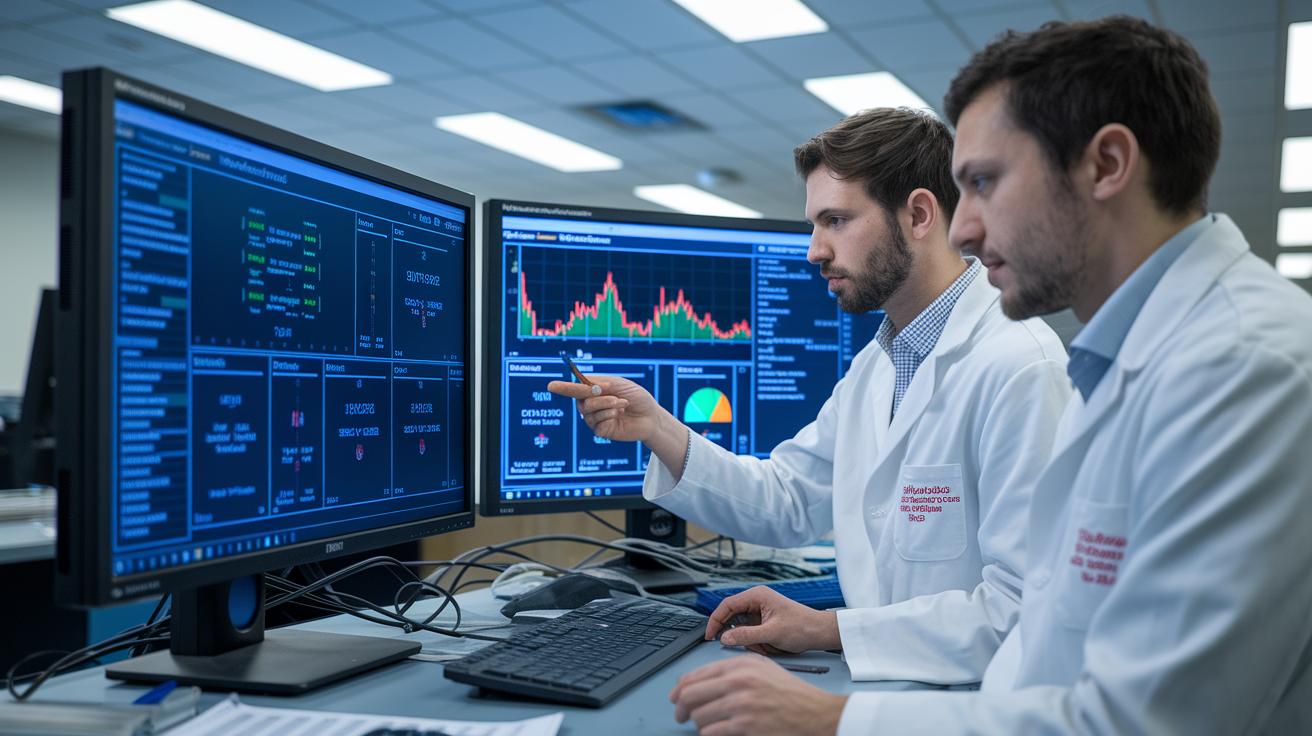
Biomedical informatics is always evolving as it mixes inventive ways to mine medical data with machine learning to support clinical research. Researchers are using smart algorithms to explore huge pools of health data, turning raw numbers into valuable insights that help doctors make better decisions. Imagine a team sifting through thousands of patient records with clever pattern-finding tools, kind of like a chef discovering a secret spice that changes an entire recipe.
Key programs like the DBMI Technology Development Core and the Core for Computational Biomedicine are leading these efforts with projects such as NEXUS and the Human Values Project. These groups not only spot hidden trends in the data but also refine prediction tools that improve diagnostic methods. In other words, they are paving the way for exciting new breakthroughs in healthcare.
| Core/Project | Lead | Focus Area |
|---|---|---|
| DBMI Technology Development Core | Team-based | Technology integration and tool creation |
| Core for Computational Biomedicine | Nathan Palmer | Computational biomedicine and data analysis |
| NEXUS | Chirag Patel | Exposomics and pattern detection |
| Human Values Project | Isaac Kohane | Ethics and machine learning applications |
These cutting-edge methods have a huge impact on clinical research. Machine learning tools speed up decision making during diagnoses, while predictive analytics help spot potential risks and shape personalized treatments. By using data mining techniques to look for clear patterns, healthcare providers can match research discoveries directly with patient care. In short, these advances empower both scientists and clinicians to turn complex data into simple, practical steps that drive healthcare innovations forward.
Interdisciplinary Research and Collaboration in Biomedical Informatics
When clinicians, computer experts, and epidemiologists come together, amazing things happen in biomedical informatics. They pool their skills to untangle complex data and turn it into real-life healthcare solutions. With hands-on techniques like computer modeling and brain-data analysis, research findings quickly become practical improvements in patient care.
- Berkowitz Lab: Guided by Berkowitz, this group transforms patient records into clear, actionable insights.
- Gehlenborg Lab: Under Gehlenborg’s watch, the team develops visual tools that simplify complicated datasets.
- Zaklab: Experts here sift through genomic data to pave the way for personalized treatments through advanced gene research.
- Park Lab: With Park leading the way, this lab maps disease patterns and predicts health trends using smart models.
- Patel Lab: Chaired by Patel, this team uses data science to uncover hidden trends in vast amounts of medical information.
- Avillach Lab: By combining clinical know-how with modern computational tools, this lab tackles health challenges from multiple angles.
- O’Connor Lab: Merging computer methods with clinical research, this group creates strategies that boost patient care.
- Zitnik Lab: Focused on clever data-mining techniques, this lab turns large-scale research into practical clinical actions.
Working together, these research teams light the way for innovative ideas. They break down old silos, blend a variety of expertise, and refine complex data into straightforward strategies that directly benefit patients and support evidence-based healthcare decisions.
Educational Pathways and Training in Biomedical Informatics
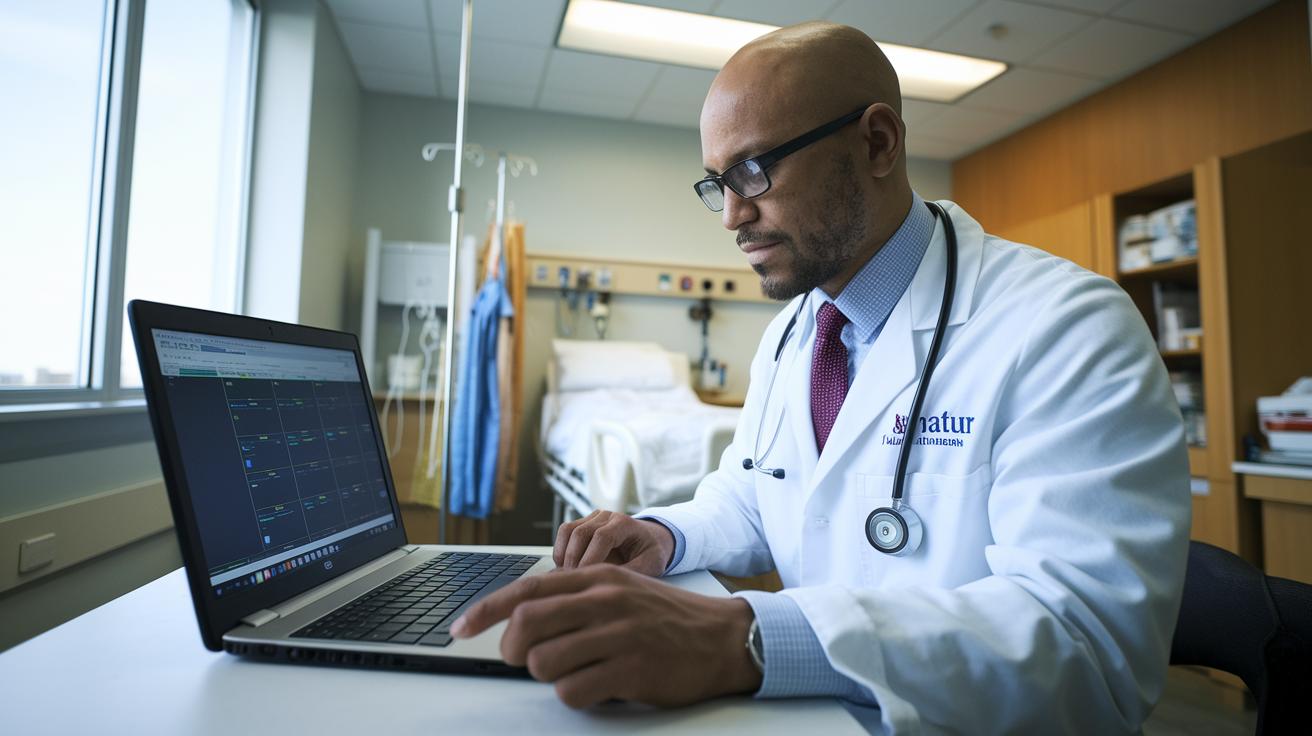
Biomedical informatics isn’t just a field, it’s a journey that starts by choosing from a range of formal degree programs. You can earn a master’s in health IT or dive deeper with a doctoral study in clinical informatics. These pathways equip you with hands-on skills to manage clinical research data and electronic health records, kind of like gathering a set of essential tools to enhance everyday medical care. It’s like preparing for a musical performance where every instrument plays its part.
After your degree, the adventure continues with exciting opportunities like Curriculum Fellowships, postdoctoral positions, or professional staff roles. Colleges such as UTHealth Houston and Harvard Medical School offer fellowship programs that mix rigorous learning with real-world research. Here, you get to work on actual problems while being guided by experienced mentors. It’s that perfect blend of theory and practice, making it a smooth transition from the classroom to the clinical world.
Then there are distance-learning certificates and ongoing education options tailored for busy professionals. Programs like MIT’s doctoral informatics track or Harvard’s clinical data research initiative let you update your skills remotely while managing your daily work. In short, no matter where you are in your career, there’s a flexible option ready to help you stay ahead in the rapidly evolving world of biomedical informatics.
Biomedical informatics: Inspiring Healthcare Progress
Clinical decision support systems built into electronic health records are truly changing the way we care for patients. These tools connect fresh patient details with real-time alerts so doctors can spot potential problems early, kind of like a vigilant assistant who warns you when something isn’t right. Imagine a system that automatically highlights an odd lab result or a sudden change in your vital signs; it gives clinicians that timely nudge to take action.
At the same time, patient data management systems are set up to keep an eye on chronic conditions with ease. Hospitals now use platforms that neatly combine patient histories with ongoing monitoring data. It’s like running a smooth control center where every bit of information, whether for diabetes or heart disease, is tracked and shared clearly. This organized setup helps ensure everyday patient care is both coordinated and precise.
Predictive analytics also plays a big role here. Using large sets of data, these systems assess risk and forecast potential health concerns, much like piecing together clues to see the bigger picture. Machine learning algorithms sift through previous patient outcomes to figure out who might need extra attention, effectively boosting preventative care.
Telemedicine apps add another layer by offering virtual consultation services. They stick to strict data quality standards so that even remote care feels safe and reliable. Think of it as a smart monitoring system: when the data shows early warning signs, it sparks an immediate review and quick action. This teamwork between technology and care helps build a more resilient, responsive healthcare system.
Emerging Trends and Future Directions in Biomedical Informatics

Biomedical informatics is undergoing a major transformation, especially thanks to precision medicine, which tailors treatments to each person’s unique genetic makeup and lifestyle. Advanced systems now dive into genomic and environmental data to offer personalized insights that help manage health conditions. Think of it like a smart helper that integrates countless molecular details and patient records into one easy-to-understand framework, making it possible for doctors to step in at just the right time. This blend of personalized care and fast, cloud-based data processing is changing the way we handle health information.
New advances in artificial intelligence are also shaking up the way medical decisions are made. AI tools are becoming smarter, able to sift through complex data to predict health risks and possible treatment outcomes. Meanwhile, wearable devices are keeping an eye on our health around the clock. Imagine wearing a gadget that tracks your vital signs continuously and sends an alert if something changes, it’s like having a tireless health companion by your side. These innovations show us how AI and wearables are turning everyday health monitoring into a proactive part of our care.
At the same time, improved data-sharing rules and standards are coming into play, ensuring that different systems can work together smoothly. New methods, including federated learning and FHIR (a standard for exchanging electronic health records), are making it easier and safer for various platforms to communicate. As professionals in biomedical informatics take on more roles, they’re not just managing information, they’re also helping to build integrated, research-based solutions that support forward-thinking medical practices.
Final Words
In the action, the article explored biomedical informatics from its definition and core methodologies to its real-world applications. We looked at how key technologies, educational pathways, and interdisciplinary research come together to turn raw data into actionable intelligence.
Breaking down complex systems, it highlighted the impact of clinical research data management on everyday health. Biomedical informatics continues to inspire balanced, evidence-based wellness solutions, leaving us all with a sense of optimism about future health advances.
FAQ
Frequently Asked Questions
What is Biomedical Informatics and what is an example?
Biomedical Informatics is the study of acquiring, storing, processing, and analyzing biomedical data to drive healthcare improvements. An example includes integrating electronic health records with clinical decision support systems.
What educational programs and courses are available in Biomedical Informatics, including master’s options?
Educational offerings in biomedical informatics span master’s degrees, doctoral programs, and certificate courses. These programs provide training in data management, clinical research, and technology use to support effective healthcare solutions.
What career opportunities, salary expectations, and job prospects exist with a Biomedical Informatics degree?
Careers in biomedical informatics include research roles, clinical informatics, and health IT positions. Professionals enjoy competitive salaries while working on data analysis, system design, and improving patient care through technology.
What is the Biomedical Informatics journal and its impact factor?
The Biomedical Informatics journal is a respected publication that shares research findings in the field. Its impact factor measures citation frequency, underscoring the journal’s influence and role in advancing biomedical data science.
What discussions exist on Biomedical Informatics Reddit?
Biomedical Informatics Reddit features community-driven discussions about course recommendations, career paths, and emerging technologies. Users share personal experiences and practical tips, making it a valuable resource for both newcomers and seasoned professionals.