Have you ever wondered if there’s something extra you could do about hair loss? We all lose a bit of hair every day, but when you notice extra thinning, it might be time to act.
There are many ways to tackle hair loss. Some options are medical, some are natural remedies, and others are cosmetic fixes. Think of them like tools in a toolbox, each one helps keep your hair healthy and full.
In this article, we explain different methods and show how starting treatment early can help slow hair loss while boosting your confidence.
Hair Loss Treatment Options: A Complete Overview
Almost 80% of men and about half of women might notice more hair loss by age 80. Everyday, losing 50 to 100 hairs is normal. But sometimes, factors like your genes (androgenetic alopecia, which means inherited hair loss), getting older, medical issues like thyroid problems or autoimmune conditions, and even stress can cause extra thinning.
It helps to act early since starting treatment sooner can slow hair loss. And if you stop your treatment, hair loss might return. Different methods work in unique ways, they don’t just mask the problem but also target the reasons behind it. Think of these treatments like a toolbox where each tool plays its own role. For example, many people see improvements by using a daily topical solution along with a simple scalp massage.
The main types of hair loss treatments are:
| Type | Description |
|---|---|
| Medical Treatments | These include FDA-approved products like topical minoxidil, a medicine that helps encourage hair regrowth. |
| Surgical Procedures | These involve moving healthy hair follicles to areas that are thinning. |
| Advanced Non-Surgical Therapies | Options like Platelet-Rich Plasma (PRP, which uses your blood’s platelets to boost hair growth) and low-level light therapy that helps wake up dormant hair follicles. |
| Natural Remedies | This covers essential oils and homemade extracts that promote a healthy scalp. |
| Cosmetic Approaches | These methods help to conceal thinning areas while you work on long-term solutions. |
Each of these approaches has its own benefits and things to consider. That’s why it’s so important to create a treatment plan that fits you personally. Tailoring your choices to your specific situation can lead to better results and help you enjoy a sustained boost in confidence.
Medically Approved Treatments for Hair Loss

Prescription-grade treatments offer careful benefits to help your hair regrow and stay healthy. Many of these options are either FDA approved or backed strongly by clinical research for different types of hair loss.
Minoxidil (topical)
Minoxidil is an over-the-counter option that works by widening the blood vessels in your scalp, which can help your hair grow. It typically costs around $53 and you apply it twice a day.
Finasteride (oral)
Finasteride is a pill that lowers the levels of DHT, a hormone linked to hair loss. It is used mainly for male pattern hair loss and usually starts at about $20 per month. Women, especially those who are pregnant or might get pregnant, are generally advised not to use it.
JAK inhibitors
JAK inhibitors help in severe cases of patchy hair loss caused by an autoimmune condition called alopecia areata. They work by reducing inflammation signals that block hair growth.
Corticosteroids
Corticosteroids are often given as injections directly into the scalp to ease the overactive immune response that can lead to patchy hair loss. The treatment plan varies based on how much hair loss is present and the specific condition.
Ketoconazole
Ketoconazole is found in a shampoo that you use one to three times a week. It helps reduce inflammation and works against hormones that can negatively affect the scalp. This shampoo is often used along with other treatments to boost results.
Each treatment comes with its own guidelines for use, cost, and potential limitations. That’s why it’s important to discuss your options with a healthcare professional to find the best remedy for your situation.
Surgical Procedures for Hair Restoration
Hair transplant surgery is a reliable option when other treatments just aren’t cutting it. This procedure moves healthy hair follicles from one area of your scalp (the donor site) to the thinning spots. It’s a solid choice for those experiencing more serious hair loss who need a lasting solution.
There are two popular techniques:
• Follicular Unit Transplantation (FUT) – In this method, a small strip of scalp is removed from the donor area. The strip is then carefully divided into individual hair units before they’re placed in the thinning spots. It might leave a straight-line scar, but it usually provides a lot of grafts in one go.
• Follicular Unit Extraction (FUE) – Here, individual hair follicles are gently taken from the scalp and moved to the thinning areas. This approach tends to leave tiny scars and has a quicker recovery time. However, you may need more than one session to hit your desired hair density.
Typically, the cost for these procedures ranges between $4,000 and $15,000, and about 80 to 90 percent of the transplanted grafts survive. After the surgery, most patients experience a recovery period of 7 to 10 days. As with any surgery, there are some risks involved, including infection, scarring, or numbness in the treated area. This surgery is best for individuals with advanced thinning where non-surgical methods haven’t delivered the results they hoped for.
Advanced Non-Surgical Therapies for Hair Loss
Platelet-Rich Plasma (PRP)
Platelet-rich plasma, or PRP, takes concentrated platelets from your own blood to send growth factors into resting hair follicles, encouraging them to wake up and grow. In this treatment, small injections target specific areas of your scalp, and over several sessions, you might notice a gradual increase in hair density. It’s pretty amazing how a small amount of your own blood can naturally spark new hair growth.
Low-Level Light Therapy (LLLT)
Low-Level Light Therapy, known as LLLT, makes use of light within the 600 to 1,000 nanometer range (a nanometer is one-billionth of a meter) to gently improve the activity of hair follicle cells. This non-invasive method works by shining light on your scalp, which can help stimulate hair growth. However, results can vary, and many people find that pairing LLLT with another treatment gives the best overall improvement.
Microneedling for Scalp Repair
Microneedling, sometimes called dermarolling, involves using tiny needles to make small punctures in the scalp. This process boosts collagen production and enhances blood flow, much like a soothing massage that revitalizes the area. The increased circulation helps repair scalp tissue and can support new hair growth. Even a quick daily massaging routine might help promote thicker, healthier hair.
Stem Cell Therapies
Stem cell therapies are a fresh, emerging option that introduces cells capable of transforming into new tissue directly onto the scalp. Early research suggests this method might help reactivate underactive hair follicles. Think of it like planting new seeds in your scalp that could eventually blossom into a fuller, stronger head of hair.
Natural and At-Home Hair Loss Remedies
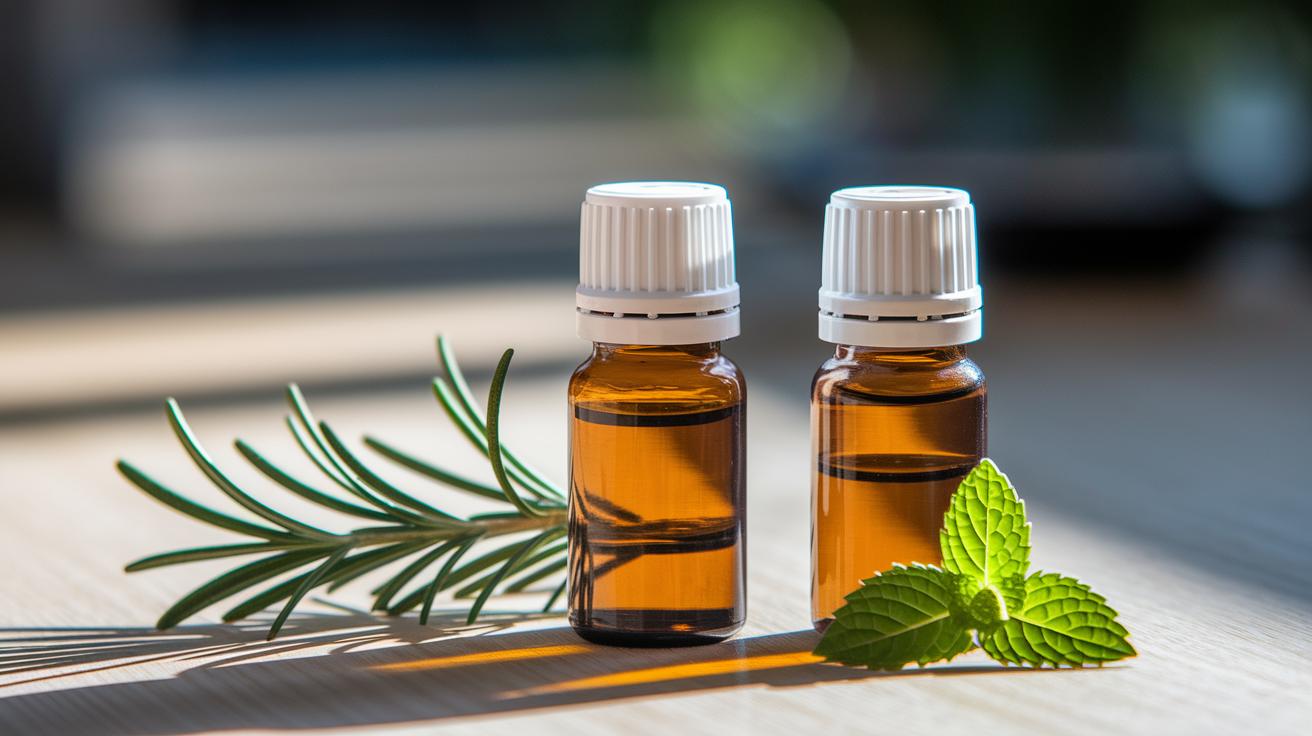
For many years, people have turned to home remedies to help regrow hair and keep their scalp healthy. Natural extracts like onion juice, castor oil, coconut oil, peppermint oil, and apple cider vinegar are popular choices to nourish the scalp. One easy tip is to mix equal parts of coconut oil and peppermint oil and gently massage it into your scalp for a refreshing boost.
Research shows that some essential oils can help wake up hair follicles. For example, rosemary oil, which costs around $15, may provide a slight lift to hair growth. You can apply a few drops directly to your scalp or blend the oil with a carrier oil before gently massaging it in.
Many also add supplements into their routine to support natural hair regrowth. Common options include Vitamin D3 (at about $15), Iron Liquid (roughly $35), and Zinc Picolinate (around $11) to help maintain a balanced diet and enhance scalp health. Omega-3 and omega-6 from fish oil may contribute to thicker, denser hair, while marine protein supplements found in products like Viviscal can be another way to promote fuller hair.
At home, treatments often involve regular scalp massages, daily or several times a week, to boost blood circulation and stimulate the follicles. Some people also try saw palmetto supplements, which cost roughly $27. Although some studies suggest these might work similar to a placebo, they can still be an option as part of a wider care plan.
- Onion juice, castor oil, peppermint oil, and apple cider vinegar for DIY treatments
- Rosemary oil to gently boost hair follicles
- Vitamin D3, Iron Liquid, and Zinc Picolinate for nutritional support
- Fish oil and marine protein supplements to improve hair density
Cosmetic Solutions for Concealing and Filling Hair Loss

If you’re facing thinning hair, cosmetic solutions can help you feel better right away while other treatments do their work. They provide a quick boost to your appearance and self-confidence without needing surgery. For example, many people use hair fibers made from keratin powders to add instant volume or use capillary fiber treatments that stick to your existing hair for a fuller look.
Another option is scalp micropigmentation. This technique uses a tattoo-like method to create tiny dots that look like natural hair follicles, giving you a longer-lasting, semi-permanent solution for sparse areas. And if you want full coverage, wigs, toupees, or hairpieces are available in different styles to match your personal taste.
These non-surgical methods work for various needs, whether you prefer daily touch-ups with fiber sprays or a more lasting option like a cosmetic tattoo. They let you explore your style without invasive procedures. Finding the right cosmetic concealer can be a key step in feeling more confident as you try other treatments.
| Option | Description | Duration | Price Range |
|---|---|---|---|
| Hair Fibers | Keratin powders for volume | Daily | $20–$50 |
| Scalp Micropigmentation | Tattooed dot illusion | 2–5 years | $1,500–$4,000 |
| Wigs & Pieces | Full-coverage hair systems | Weeks–Months | $100–$1,000+ |
| Capillary Fibers | Bonded fibers for density | Daily | $25–$60 |
Expert Advice and Expected Outcomes in Hair Loss Treatment
Experts remind us to keep realistic expectations when starting a hair loss treatment. One patient said, "Using a mix of treatments like minoxidil (a topical solution that helps promote hair growth) and PRP (platelet-rich plasma, which uses your own blood to encourage regrowth) made a clear difference over several months." If you stop your treatment, hair loss may return, showing that long-term commitment really matters.
Often, combining treatments can work best. For example, minoxidil typically costs about $20 to $50 each month, while PRP sessions can run between $300 and $700 per session. Some patients have reported regrowing anywhere from 50% to 80% of their hair with consistent care. That’s why it’s smart to consult with a professional who can design a plan just for you and watch out for any side effects.
Many patients have found that using more than one type of treatment gives better results than sticking with just one. One person explained that after trying only minoxidil, adding PRP sessions boosted the results even more. Additionally, hair transplant procedures, which usually cost between $4,000 and $15,000, offer another option. However, these should be carefully compared with non-surgical treatments based on your unique situation.
Ultimately, the right mix of treatments depends on how much hair you’ve lost, your budget, and your daily routine. A dermatologist can help you weigh the benefits and costs to find a plan that fits your long-term needs.
Final Words
In the action, we explored a variety of methods for hair restoration. We examined medical solutions, surgical procedures, advanced non-surgical therapies, natural remedies, and cosmetic options. Each option comes with its benefits and considerations, backed by expert insights to set realistic expectations. Treatment options for hair loss provide practical choices to help you regain confidence in managing your hair health. Keep in mind that gradual, well-informed steps pave the way for a positive change in your everyday well-being.
FAQ
What are the treatment options for hair loss in females?
The treatment options for hair loss in females include medical therapies like topical minoxidil, non-surgical procedures, natural remedies, and cosmetic solutions designed to promote regrowth and enhance appearance.
What is the best hair loss treatment for females?
The best hair loss treatment for females often combines a dermatologist-recommended topical solution with supportive natural remedies, ensuring that the regimen is tailored to the individual’s specific needs.
What dermatologist treatment options exist for hair loss?
Dermatologist treatment options include FDA-approved medications such as topical minoxidil and corticosteroid injections, plus advanced approaches like PRP and laser therapy, which work together to stimulate regrowth.
How do you stop hair fall immediately?
To stop hair fall immediately, you can begin using gentle, non-irritating hair care products and a dermatologist-approved regimen that may include quick-acting topical treatments aimed at reducing shedding.
What are some natural treatment options for hair loss?
Natural treatment options include using essential oils like rosemary oil, scalp massages, and dietary supplements that support healthy follicles while complementing other medical therapies.
What is the best hair loss treatment for males?
The best hair loss treatment for males frequently involves oral medications like finasteride combined with topical minoxidil, sometimes enhanced by non-surgical therapies to reduce DHT levels and stimulate regrowth.
What are the best treatment options for hair loss?
The best treatment options combine medical therapies, non-surgical interventions, natural remedies, and cosmetic enhancements to effectively address hair loss and promote a fuller look.
What is the best medicine for hair fall and regrowth?
The best medicine for hair fall and regrowth is often topical minoxidil, which is proven to boost hair growth when used as part of a comprehensive treatment plan.
What is the most effective hair loss treatment?
The most effective hair loss treatment uses a customized approach involving FDA-approved medications, non-surgical therapies, and lifestyle changes, all under professional supervision for optimal results.
Which treatment works best for hair fall?
The treatment that works best for hair fall depends on individual causes but may include a combination of minoxidil and non-surgical options like PRP, chosen after careful evaluation by a specialist.
How can females learn to accept hair loss?
Accepting hair loss in females may involve seeking professional support, counseling, and exploring cosmetic options, helping to boost self-confidence while managing the physical changes.
Can hair grow back after thinning?
Hair can grow back after thinning with proper treatment and care, especially when early interventions are applied consistently under the guidance of a healthcare provider.