Have you ever felt a sudden burning sensation on your face and wondered what could be causing it? One minute, your skin feels perfectly normal, and the next, it's like tiny prickly burns are heating it up. This guide will walk you through a few simple questions, such as when the burning started and how long it has been going on. By taking a minute to look at these clues, you can get a better idea of what your body is telling you and take speedy steps to feel better.
Face Burning Sensation Symptom Checker: Self-Assessment Steps
Sometimes you might notice a burning feeling on your face. It might come on slowly or hit you all at once. The sensation can feel like pins and needles, a rush of heat, or even a sharp, prickly pinch. Taking a moment to answer the questions below can help you spot any patterns or triggers. And if you need a little more guidance, you can try out the free online tool at "symptom checker free" (https://factcheckx.com?p=76).
-
When did you first notice the burning sensation?
For example, you might say, "I felt a tingly burn this morning right after trying a new cleanser." -
How long has this burning feeling lasted?
You could remark, "It lasted for about three hours, coming and going throughout the day." -
Which area of your face is affected? Is it on your left side, right side, or both?
An example might be, "I feel the burning mostly on my left cheek and forehead, which helps me see if a particular area reacts to something." -
Do you know of any specific triggers that seem to start the burning, like sun exposure or using a certain face product?
For instance, you might notice, "I realized the sensation started after I spent time in the sun and used a scented moisturizer." -
On a scale of 1 to 10, how intense is the burning pain?
Perhaps you'd rate it as, "When it peaks, it feels like a 7 out of 10 on the pain scale." -
Are there any other symptoms along with the burning, such as a rash, numbness, or tingling?
For example, "Sometimes the burning comes with a bit of numbness, which makes me pay close attention to any changes."
Thinking about these questions can give you useful clues about what might be causing the discomfort. It might also help you decide if it's time to get professional advice for further evaluation.
Face Burning Sensation Symptom Checker: Identifying Underlying Causes
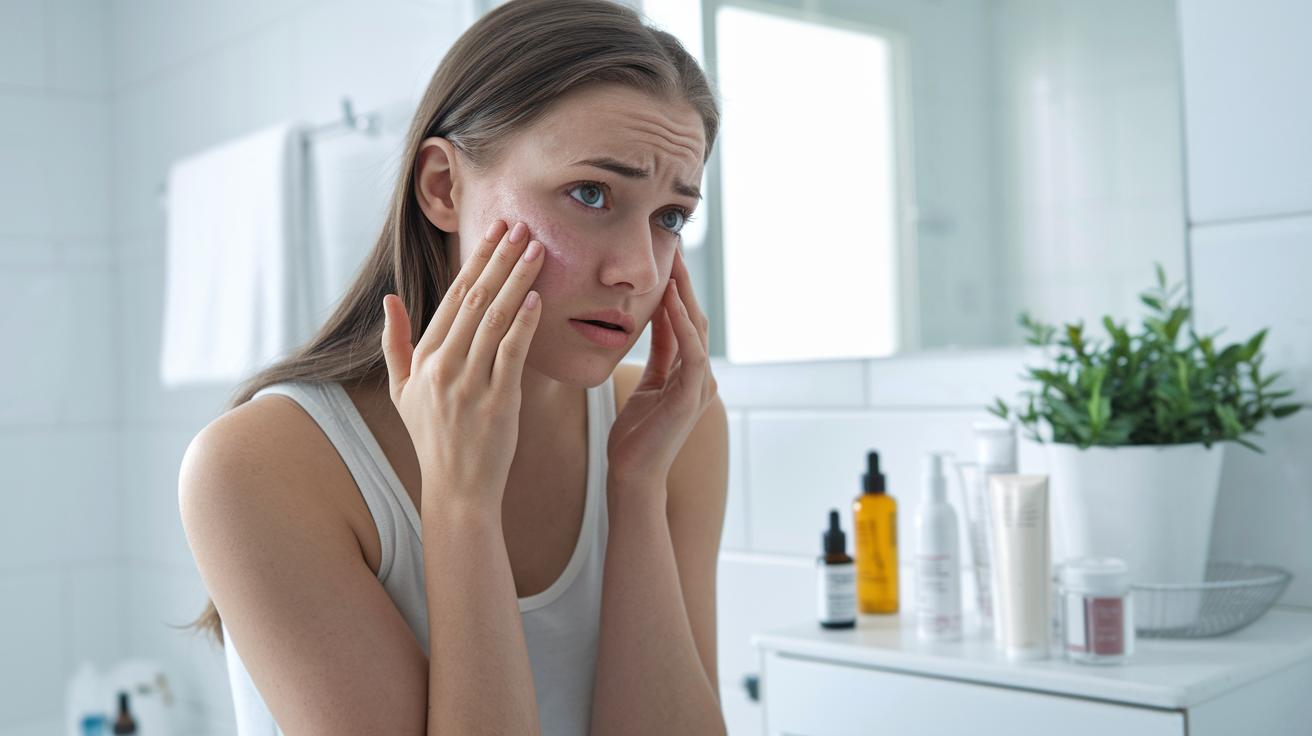
If you ever notice a burning feeling on your face, it might be coming from different issues. Sometimes it can be due to problems with your nerves, skin conditions, or even other body-related issues. For example, nerve problems like trigeminal neuralgia or multiple sclerosis (a disease affecting the nerves) can cause sharp pain or sudden electric-like shocks.
Skin conditions can also play a role. Disorders such as rosacea or contact dermatitis may lead to redness, rashes, flaking, or itching. In these cases, the burning sensation might be linked to things like harsh facial products or too much time in the sun. Even everyday cosmetics can sometimes upset your skin balance, leaving you with that burning feeling.
There are also broader health issues that can cause facial burning. Some autoimmune conditions, like lupus, or infections such as shingles, can lead to these sensations. With shingles, for instance, you might feel tingling or itching before any blisters appear. In these situations, doctors find it useful to check the timing of symptoms, what might trigger them, and any other signs you might be experiencing.
| Category | Example Conditions | Key Features |
|---|---|---|
| Nerve-related | Trigeminal neuralgia; MS | Sharp, stabbing pain; electric-like shocks |
| Skin disorders | Rosacea; contact dermatitis | Redness, rash, flaking, itching |
| Systemic/other causes | Autoimmune (lupus); shingles | Tingling, itching sometimes before rash appears |
Understanding which cause is behind the burning sensation on your face can help guide the next steps for care. Have you ever experienced something similar and wondered what might be triggering it?
Face Burning Symptom Checker: Trigeminal Neuralgia Evaluation
Trigeminal neuralgia is a condition that causes sudden, very sharp pain that feels like an electric shock. This pain comes on quickly and lasts only a few seconds. It affects parts of the trigeminal nerve (the nerve that carries messages from your face to your brain). With this symptom checker, you can compare your experience to common signs of trigeminal neuralgia. We ask about the type of pain you feel, where it happens, and how fast it starts even with a light touch.
Key Symptoms
Pay attention to one-sided pain that is very strong and feels like quick, stabbing jabs. Many people say the pain spreads only on one side of the face and shows up in brief bursts. Often, this sensation is described as an electric shock rather than a steady, burning heat.
Diagnostic Triggers
Simple daily actions, such as brushing your teeth, shaving, or feeling a cool breeze, can trigger a painful episode. Even everyday activities like talking or eating might cause these bursts of pain. This shows that even gentle actions can set off a reaction in the nerve, making it very sensitive.
Identifying Underlying Causes: Skin-Related Triggers

Sometimes your skin might react when you use a new scented soap or cosmetic. For instance, you may remember saying, "After putting on a new moisturizer, my face started burning and turning red." This kind of reaction is called contact dermatitis and usually shows up as burning, redness, and slight swelling.
Spending too much time in the sun can also produce these symptoms. If your skin feels tight, burns, or even starts peeling after a day outdoors, it might be a sunburn instead of a reaction to a product.
Certain autoimmune conditions such as psoriasis (a skin condition that causes red, scaly patches) or lupus (an illness where your immune system attacks healthy tissue) can mix a burning feeling with flaky skin. In the same way, before you see any rash from shingles, you might feel burning or tingling in a small, specific spot.
Watch carefully when your skin reacts and what comes first. This can help you figure out if your symptoms are due to a product, the sun, or an underlying condition.
Face Burning Symptom Checker: When to Seek Professional Help
If the burning on your face lasts more than a few days or seems to get worse, it's a good idea to see a doctor. For example, if the burning comes with new feelings of weakness or numbness, it might mean there's a nerve problem developing. And if you also have a fever or see redness spreading, these are signs of an infection, so getting checked out can help prevent further issues.
Keep an eye on your mood and sleep, too. Constant burning pain can make you feel anxious or even a bit depressed over time. If everyday tasks like brushing your teeth or applying moisturizer suddenly hurt more, that’s a warning sign. A jump in your pain level, like going from a 5 to an 8, should prompt you to get a medical opinion right away.
Remember, while some episodes might pass on their own, ongoing discomfort that affects your daily life or comes with additional nerve-related symptoms really needs a professional assessment. Trust your gut, if the burning keeps getting worse or spreads, it’s best to explore these symptoms with a doctor sooner rather than later.
Face Burning Symptom Checker: Home and OTC Relief Options

Facial burning can often go away on its own in just a few days, and simple home remedies can quickly ease your discomfort. One easy method is to use a cool compress on the affected skin. For example, you might say, "After feeling a stinging burn on my face from being outside, I placed a cold, damp cloth on the area and felt relief soon after." This approach cools the skin and soothes the irritation.
Aloe vera gel is another go-to for relieving burning skin because it naturally calms redness and irritation. When your skin feels burnt, gently dab a little aloe vera on it and enjoy the cooling sensation. You might even remark, "I put a small amount of aloe vera on my burnt skin and felt instant relief." Adding a hypoallergenic moisturizer can help keep your skin hydrated, especially if dryness is also an issue.
If home remedies aren’t enough, over-the-counter treatments can give you an extra boost. A 1% hydrocortisone cream works well for reducing mild inflammation on the face. Someone might observe, "After using the hydrocortisone cream, the redness dimmed noticeably within minutes." Over-the-counter anti-inflammatory medicines can also lessen the discomfort caused by the burning.
Even though these remedies can help in the short term, it’s important to avoid products that might further irritate your skin. If the burning continues, gets worse, or you notice signs of infection, it’s a good idea to check in with a doctor.
Final Words
In the action of assessing facial burning, we walked through a self-assessment checklist and examined possible nerve, skin, and systemic causes. The post outlined key questions to pinpoint symptom details, explained how conditions like trigeminal neuralgia may present, and highlighted home and over-the-counter relief tips. We also discussed red-flag symptoms that signal the need for professional care. Using a face burning sensation symptom checker can help you take proactive steps toward better well-being. Keep informed and take care of your health every day.
FAQ
Why am I experiencing a burning sensation on my face and how do I stop it?
The burning sensation on your face often indicates irritation or nerve-related issues. It may be triggered by sun exposure, sensitive skin products, or nerve irritation. A cool compress and avoiding irritants can help, and persistent cases warrant professional advice.
Why does my skin burn and feel like sunburn even if there is no rash?
The skin burning feeling without a rash might result from mild irritation or overexposure to heat or UV light. Using cool compresses and gentle, fragrance-free products can relieve discomfort until symptoms improve.
How do I stop a burning sensation in my body and what home remedies can help?
A body-wide burning sensation could signal a systemic issue or widespread nerve sensitivity. Home remedies like cool baths, staying hydrated, and rest may ease discomfort, but worsening symptoms require prompt medical attention.
What is burning face syndrome?
Burning face syndrome describes a persistent facial burning feeling that often occurs without obvious physical changes. It may involve nerve sensitivity or skin reactions, so discussing it with a healthcare provider can help determine its cause and treatment.