How To Choose A Reliable Symptom Tracker: Simple

Ever wonder if the app you use to track your symptoms is really reliable? With more than 130 million Americans managing long-term health issues, having a dependable tool can make all the difference.

A good tracker logs clear numbers like your heart rate and also captures how you feel, such as any pain or tiredness you experience.

In this article, we share easy-to-follow tips to help you select the right app for your needs. Have a look and learn how a simple change can boost your health management.

Identifying Key Features of a Reliable Symptom Tracker

Reliable symptom trackers help people manage long-term health conditions by recording both clear measurements like heart rate and everyday experiences such as pain or fatigue. With nearly 133 million Americans dealing with ongoing health issues, having a tracker that notes both specific numbers and personal feelings can really make a difference. For example, if you feel more tired every afternoon, a smart tracker might ask, "How tired are you today on a scale of 1 to 10?"

Key features to look for include:

  1. Data accuracy
  2. Security and privacy
  3. Customization
  4. Usability
  5. Credibility (backed by expert opinions and real user feedback)

A great tracker should let you record precise information and offer options that suit your needs. Data accuracy means the figures you enter match your real daily changes. Security and privacy, featuring things like password protection and strong encryption (a method to keep your data safe), ensure your sensitive details are secure. Customization helps you add personal touches, such as using checkboxes or star ratings to log symptoms effortlessly. Usability is important too; a clear, user-friendly design lets you quickly jot down your entries. And credibility comes from expert reviews and genuine user testimonials that show the tool truly works.

Imagine quickly logging a symptom after a refreshing walk and later sharing that organized data with your doctor. This light, easy process can be a big help in managing your health. Using these simple, clear criteria can guide you in choosing a tracker that fits your lifestyle and daily needs.

Evaluating Security and Privacy in Symptom Tracking Apps
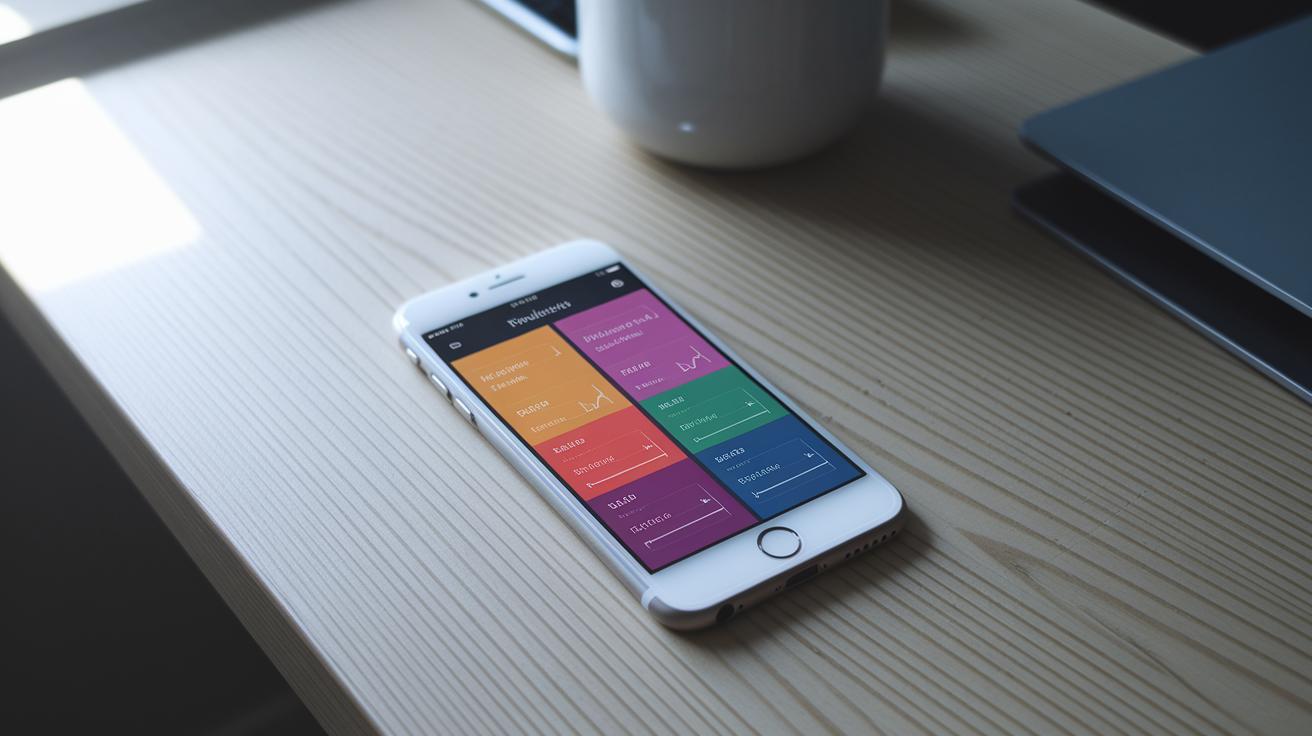
img-1.jpg

When you pick a symptom tracker, keeping your information safe should be a top priority. Secure data means that your personal health details stay private and are managed carefully. Look for apps that follow strong privacy rules for logging usage so your records aren’t open to anyone you haven’t approved. For example, some trackers use password protection to lock your details.

Many trustworthy apps use strong encryption, which is a way of scrambling your data so only the right people can read it. Some apps use end-to-end encryption to guard your information from the moment you enter it until it reaches its destination. Others follow HIPAA guidelines, which means they meet strict standards for handling medical data. Plus, features that let you safely share your records with your doctor can also add an extra layer of security.

Regular security updates are important for keeping your data safe over time. Developers who value your privacy often check and improve their security measures to match new risks. These ongoing updates help build trust and ensure your health information stays protected as technology changes.

Checking Usability and Customization Options in Symptom Trackers

A clear and simple interface makes daily tracking a breeze. When the design cuts out extra steps, you can quickly tap a star rating or check a box to log your symptoms. These familiar layouts ensure you capture your daily details without feeling overloaded. Many apps also show long-term trend charts in a way that's easy to read, so you can notice changes over time and share summary reports with your doctor without any fuss.

Custom options let you add unique symptoms that matter most to you. Custom fields give you the freedom to adapt your entries to fit your routine, especially when your symptoms change throughout the day. This kind of flexibility means you always have the right details at your fingertips, turning your tracker into a really valuable tool for managing your health.

img-2.jpg

Bearable is a symptom tracker that gives you full control over what you track. You can set it up to record any symptom, mood or trigger in a way that feels personal. It’s a great option if you want to note tiny changes like your energy levels throughout the day.

Digestive Disorder Tracker focuses on people with stomach issues. It helps you log what you eat along with your stress levels and even offers guided meditations and dietician advice. This tool is handy if you’re trying to see how your meals and stress work together to affect your digestion.

Migraine Tracking App is built just for those who deal with migraines. It records pain levels and common triggers such as weather changes. The app also provides expert tips and community forums, so you can share stories and learn from others. Its quick logging feature makes sure you capture key details during or after a migraine.

Lupus 90-Day Journal is a more structured option. It guides you to make daily entries and carefully review what might be triggering your symptoms. This can be really useful if you appreciate a step-by-step approach to tracking how your lupus changes over time.

MS Association Symptom Tracker, a free tool supported by the Multiple Sclerosis Association, offers useful features like medication reminders and detailed data analysis. It also lets you create shareable reports for your healthcare provider, making it a secure choice if you need to keep your doctor in the loop.

Each app brings something unique to the table. Whether you like a fully customizable system, a guided journal or community support, one of these trackers could be just the right fit to help you manage your health every day.

Incorporating Expert Tips and User Feedback for Tracker Selection

When choosing a symptom tracker, it's key to listen to both expert advice and real user stories. For example, a psychotherapist pointed out that cutting data entry time could simplify daily health routines. Because of this, a feature was developed that lets you quickly rate your symptoms, making logging faster and smoother.

Doctors and app founders also share insights that go beyond the usual ratings. One study revealed that user suggestions sparked the creation of a dynamic logging tool. This tool not only speeds up data entry but also helps the app track long-term health trends better. It’s a clear sign that mixing expert advice with user feedback can lead to smart, practical design choices.

Users say they enjoy faster data entry and interfaces that feel naturally intuitive, proof that expert-driven improvements really make a difference.

Final Words

In the action, this article outlined key features of a symptom tracker. It detailed the importance of data accuracy, privacy measures, customization options, and usability while comparing popular apps and incorporating expert and user feedback.

If you wonder how to choose a reliable symptom tracker, focus on strong security, verified usability, and genuine opinions. By reviewing these elements, you can adopt a tool that helps you make informed health decisions and support your overall well-being.

FAQ

Q: What do multiple symptom checkers and free symptom checkers offer?

A: Multiple symptom checkers, including free options, let you input various symptoms and receive possible causes, offering a quick, user-friendly way to guide you on when to seek professional advice.

Q: How does the Ada symptom checker function?

A: The Ada symptom checker gathers your health inputs and compares them with medical data, providing tailored insights to help you understand potential health issues and decide if professional care is needed.

Q: How does the Isabel symptom checker work?

A: The Isabel symptom checker uses a systematic method to match observed symptoms with medical conditions, assisting both users and professionals with preliminary information based on established criteria.

Q: What is the best website to look up symptoms?

A: The best website usually offers clear, updated medical information and expert-reviewed content; many find WebMD to be a dependable option due to its accessibility and comprehensive details.

Q: How accurate are online symptom checkers like WebMD?

A: Online symptom checkers such as WebMD provide general guidance and vary in accuracy; they are best used as a starting point alongside consulting healthcare professionals for a complete assessment.

Q: What should be included in a symptom tracker?

A: A reliable symptom tracker should capture a detailed list of symptoms, record both objective measures and personal experiences, and offer customizable options to help you manage and communicate your health effectively.

Ever wonder if the app you use to track your symptoms is really reliable? With more than 130 million Americans managing long-term health issues, having a dependable tool can make all the difference.

A good tracker logs clear numbers like your heart rate and also captures how you feel, such as any pain or tiredness you experience.

In this article, we share easy-to-follow tips to help you select the right app for your needs. Have a look and learn how a simple change can boost your health management.

Identifying Key Features of a Reliable Symptom Tracker

Reliable symptom trackers help people manage long-term health conditions by recording both clear measurements like heart rate and everyday experiences such as pain or fatigue. With nearly 133 million Americans dealing with ongoing health issues, having a tracker that notes both specific numbers and personal feelings can really make a difference. For example, if you feel more tired every afternoon, a smart tracker might ask, "How tired are you today on a scale of 1 to 10?"

Key features to look for include:

  1. Data accuracy
  2. Security and privacy
  3. Customization
  4. Usability
  5. Credibility (backed by expert opinions and real user feedback)

A great tracker should let you record precise information and offer options that suit your needs. Data accuracy means the figures you enter match your real daily changes. Security and privacy, featuring things like password protection and strong encryption (a method to keep your data safe), ensure your sensitive details are secure. Customization helps you add personal touches, such as using checkboxes or star ratings to log symptoms effortlessly. Usability is important too; a clear, user-friendly design lets you quickly jot down your entries. And credibility comes from expert reviews and genuine user testimonials that show the tool truly works.

Imagine quickly logging a symptom after a refreshing walk and later sharing that organized data with your doctor. This light, easy process can be a big help in managing your health. Using these simple, clear criteria can guide you in choosing a tracker that fits your lifestyle and daily needs.

Evaluating Security and Privacy in Symptom Tracking Apps

img-1.jpg

When you pick a symptom tracker, keeping your information safe should be a top priority. Secure data means that your personal health details stay private and are managed carefully. Look for apps that follow strong privacy rules for logging usage so your records aren’t open to anyone you haven’t approved. For example, some trackers use password protection to lock your details.

Many trustworthy apps use strong encryption, which is a way of scrambling your data so only the right people can read it. Some apps use end-to-end encryption to guard your information from the moment you enter it until it reaches its destination. Others follow HIPAA guidelines, which means they meet strict standards for handling medical data. Plus, features that let you safely share your records with your doctor can also add an extra layer of security.

Regular security updates are important for keeping your data safe over time. Developers who value your privacy often check and improve their security measures to match new risks. These ongoing updates help build trust and ensure your health information stays protected as technology changes.

Checking Usability and Customization Options in Symptom Trackers

A clear and simple interface makes daily tracking a breeze. When the design cuts out extra steps, you can quickly tap a star rating or check a box to log your symptoms. These familiar layouts ensure you capture your daily details without feeling overloaded. Many apps also show long-term trend charts in a way that's easy to read, so you can notice changes over time and share summary reports with your doctor without any fuss.

Custom options let you add unique symptoms that matter most to you. Custom fields give you the freedom to adapt your entries to fit your routine, especially when your symptoms change throughout the day. This kind of flexibility means you always have the right details at your fingertips, turning your tracker into a really valuable tool for managing your health.

img-2.jpg

Bearable is a symptom tracker that gives you full control over what you track. You can set it up to record any symptom, mood or trigger in a way that feels personal. It’s a great option if you want to note tiny changes like your energy levels throughout the day.

Digestive Disorder Tracker focuses on people with stomach issues. It helps you log what you eat along with your stress levels and even offers guided meditations and dietician advice. This tool is handy if you’re trying to see how your meals and stress work together to affect your digestion.

Migraine Tracking App is built just for those who deal with migraines. It records pain levels and common triggers such as weather changes. The app also provides expert tips and community forums, so you can share stories and learn from others. Its quick logging feature makes sure you capture key details during or after a migraine.

Lupus 90-Day Journal is a more structured option. It guides you to make daily entries and carefully review what might be triggering your symptoms. This can be really useful if you appreciate a step-by-step approach to tracking how your lupus changes over time.

MS Association Symptom Tracker, a free tool supported by the Multiple Sclerosis Association, offers useful features like medication reminders and detailed data analysis. It also lets you create shareable reports for your healthcare provider, making it a secure choice if you need to keep your doctor in the loop.

Each app brings something unique to the table. Whether you like a fully customizable system, a guided journal or community support, one of these trackers could be just the right fit to help you manage your health every day.

Incorporating Expert Tips and User Feedback for Tracker Selection

When choosing a symptom tracker, it's key to listen to both expert advice and real user stories. For example, a psychotherapist pointed out that cutting data entry time could simplify daily health routines. Because of this, a feature was developed that lets you quickly rate your symptoms, making logging faster and smoother.

Doctors and app founders also share insights that go beyond the usual ratings. One study revealed that user suggestions sparked the creation of a dynamic logging tool. This tool not only speeds up data entry but also helps the app track long-term health trends better. It’s a clear sign that mixing expert advice with user feedback can lead to smart, practical design choices.

Users say they enjoy faster data entry and interfaces that feel naturally intuitive, proof that expert-driven improvements really make a difference.

Final Words

In the action, this article outlined key features of a symptom tracker. It detailed the importance of data accuracy, privacy measures, customization options, and usability while comparing popular apps and incorporating expert and user feedback.

If you wonder how to choose a reliable symptom tracker, focus on strong security, verified usability, and genuine opinions. By reviewing these elements, you can adopt a tool that helps you make informed health decisions and support your overall well-being.

FAQ

Q: What do multiple symptom checkers and free symptom checkers offer?

A: Multiple symptom checkers, including free options, let you input various symptoms and receive possible causes, offering a quick, user-friendly way to guide you on when to seek professional advice.

Q: How does the Ada symptom checker function?

A: The Ada symptom checker gathers your health inputs and compares them with medical data, providing tailored insights to help you understand potential health issues and decide if professional care is needed.

Q: How does the Isabel symptom checker work?

A: The Isabel symptom checker uses a systematic method to match observed symptoms with medical conditions, assisting both users and professionals with preliminary information based on established criteria.

Q: What is the best website to look up symptoms?

A: The best website usually offers clear, updated medical information and expert-reviewed content; many find WebMD to be a dependable option due to its accessibility and comprehensive details.

Q: How accurate are online symptom checkers like WebMD?

A: Online symptom checkers such as WebMD provide general guidance and vary in accuracy; they are best used as a starting point alongside consulting healthcare professionals for a complete assessment.

Q: What should be included in a symptom tracker?

A: A reliable symptom tracker should capture a detailed list of symptoms, record both objective measures and personal experiences, and offer customizable options to help you manage and communicate your health effectively.

More from author

LEAVE A REPLY

Please enter your comment!
Please enter your name here

Related posts

Advertismentspot_img

Latest posts

How To Create A Daily Wellness Routine: Thriving

Curious about how to create a daily wellness routine that transforms your mornings and days? Read on as secrets await…

2 Daily Wellness Drink Tips For Radiance

Experience a daily wellness drink with natural herbs, green ingredients, and clinical backing that might change your routine forever, stay tuned.

Daily Wellness: Elevate Your Everyday Vitality

Daily wellness transforms everyday routines into mindful adjustments, merging nutrition, movement, and restorative sleep. What unforeseen practice awaits you next?

Want to stay up to date with the latest news?

We would love to hear from you! Please fill in your details and we will stay in touch. It's that simple!