Innovative Trends In Symptom Tracking Technology For 2024!

Have you ever wondered if your wearable could give you a heads-up when something's not quite right? In 2024, new tech is making big strides by tracking your symptoms in real time. Smart devices now keep an eye on your heart rate and movement, while AI systems spot even the smallest changes in your data. This means you can feel more in control of your health every day. In fact, these tools bring together digital health insights and everyday care to help keep you safe and well-informed.

Telemedicine is changing healthcare by bringing care right to your home through virtual hospital units and digital therapeutics. Today’s digital platforms are working closely with medical needs to improve health outcomes. New symptom trackers now partner with remote monitoring tools to give you a steady, real-time glimpse into your health, all with added convenience.

AI and machine learning are also making a big difference in how doctors diagnose and recommend treatments. These smart systems can sift through loads of data, spotting early signs of trouble before symptoms fully flare up. Imagine having a digital twin, a virtual version of you, that lets clinicians test treatment ideas to fine-tune care. Plus, new AI tools are catching tiny trends hidden in mountains of data. This blend of technology makes it easier to decide on personalized care quickly. To learn more about these changes, check out healthtech.

Advances in the Internet of Things have given us smart jewelry and fitness trackers that report everything from your heart rate to how you move throughout the day. These wearables help manage chronic conditions and encourage you to take charge of your health. At the same time, as digital monitoring becomes a daily habit, keeping data secure is more important than ever. With the average cost of a data breach approaching $10.93 million, protecting patient information is a top priority. This forecast shows how technology like AI, IoT, and secure digital tools are shifting healthcare from simply reacting to problems to actively managing our well-being.

AI-Driven Symptom Tracking Technology Innovations
img-1.jpg

IQVIA’s new Healthcare-grade AI and Human Data Science Cloud are changing the way we look at health markers. They blend data from around the world with custom analysis to spot patterns that were once hard to see. For instance, their AI can notice small changes in symptoms, like shifts in mood and sleep, that might be early warnings of a problem. Have you ever noticed how tiny changes in your daily routine might signal something more?

Natural language processing (NLP) is a big part of this change. It turns free-form health notes into clear, useful information. This helps not only the AI in wearable devices but also speeds up how quickly doctors can get insights. An AI symptom checker, for example, reviews what patients write and alerts healthcare professionals when something might be off.

Moreover, AI is also being used to profile patients and healthcare providers. This helps improve clinical trials and personalizes treatment plans. Advances in generative AI now allow for predictions on how patients might react to certain treatments, which makes it easier to design therapies that fit each person's needs. This proactive use of AI for spotting risks early is turning old methods on their head.

Thanks to these advances, machine learning is doing more than just collecting data; it’s offering insights tailored to each individual. This innovation ensures that decisions in healthcare are made with up-to-date, accurate information, promising a brighter future for both patients and medical professionals.

Wearable Sensors and IoT Innovations in Symptom Tracking Technology

Smart jewelry and cutting-edge fitness trackers are reshaping how we keep an eye on our health. These devices offer around-the-clock information on heart rate, sleep quality, and daily movements. They gather real-time data to spot small changes early, so you can take action sooner if needed.

Next, newer biosensors have been designed with longer battery life, smaller sizes, and materials that feel more comfortable on your skin. This means you can wear them every day without worry, knowing they provide reliable readings even during long periods.

Internet-connected medical devices now play a big role too. With constant connectivity, even the tiniest shift in your body’s signals is noticed right away. This 24/7 monitoring lets you, or your healthcare provider, step in promptly if something seems off. Plus, linking these devices with your smartphone makes it simple to see your health trends over time.

Recent advances in smart health devices are also helping in clinical trials that don’t happen in hospitals. They collect precise data from people in everyday settings. This extra data leads to better symptom tracking and clearer digital records, which helps everyone make smarter health decisions.

Cloud technology teams up with wearable sensors to turn raw numbers into useful health insights. This powerful combination makes managing your everyday health a bit easier. For anyone curious about the latest in wearable tech, explore more at the provided link. This evolving technology is all about merging physical tracking with digital insights to help you keep a closer watch on your well-being.

Mobile and Cloud-Based Platforms in Symptom Tracking Technology

img-2.jpg

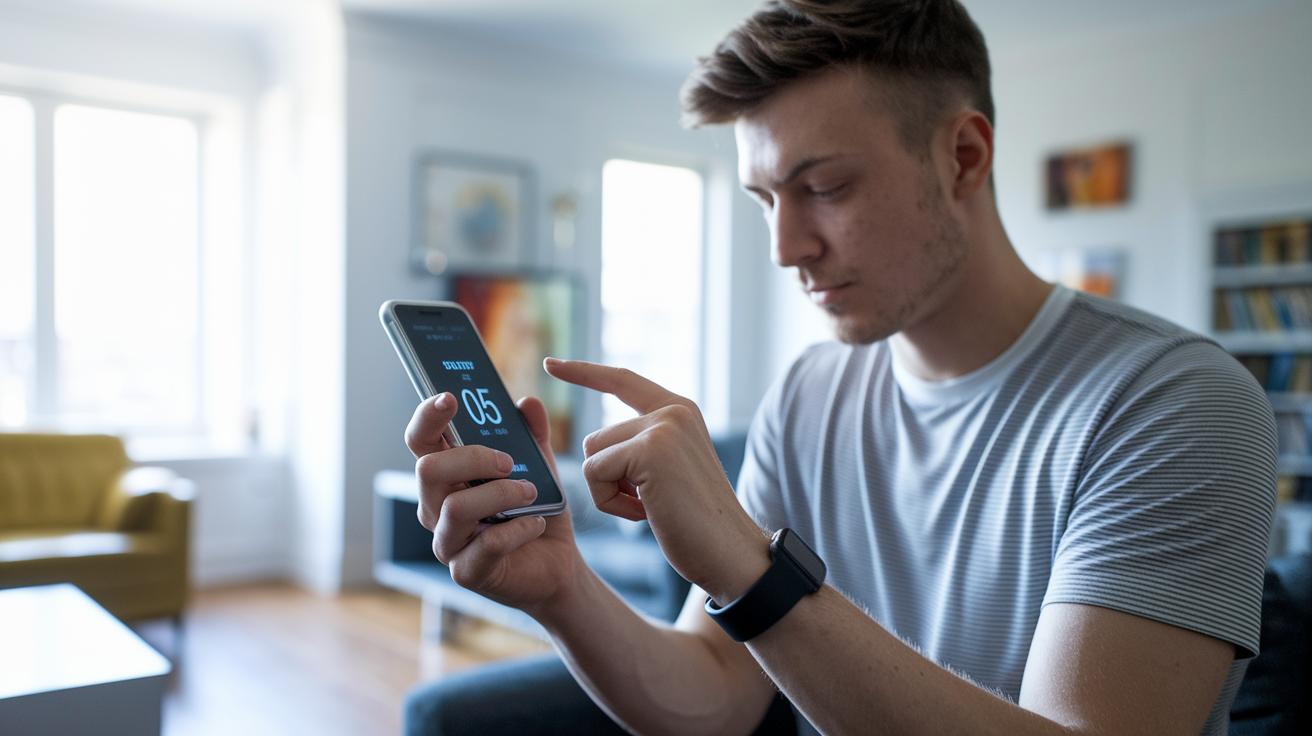
Mobile apps are built with friendly interfaces that let you quickly jot down how you're feeling. They capture your changes in real time, which means your doctor can act fast if something seems off. For instance, an app might send you a gentle nudge to record your symptoms right after you feel discomfort.

These apps bring in handy features like interactive dashboards, custom alerts, and simple report creation. They use everyday smartphone tools like touch screens and location tracking to make sure the information is useful and easy to access. Many users even say that having on-the-go, real-time updates gives them a better sense of control over their health.

Cloud systems play a big role too. They simplify the way your data is stored and combined, letting the system grow without extra hassle. Plus, these cloud features make sure that all the information you log from day-to-day activities is ready for a closer look when needed.

Advanced Data Analytics for Symptom Tracking Technology

New data tools are changing how we make sense of symptoms. These systems take basic patient information and turn it into clear, useful tips that help doctors make fast decisions. They work in real time to spot things like a fast heart rate or sudden tiredness, alerting you right away. Imagine a dashboard that pops up with a message like, "Your daily numbers are up, maybe it's time to check in with your doctor."

AI, or artificial intelligence (computer systems that mimic human thought), makes this process even stronger. It sorts through large amounts of data to give solid advice for care. For example, looking at trends can help predict when a flare-up might happen or how a disease might progress. In a single check, virtual models known as digital twins show what might happen with your treatment plan. Think of it like a tool that gently advises, "Based on your history, you might see a small flare-up this week. Consider some extra care."

Easy-to-read charts and graphs also bring clarity to these insights. They help both patients and doctors notice changes over time, which means adjustments in daily routines or medicines can be made quickly. With these smart systems, staying ahead of potential problems is easier, making sure care and monitoring work together to keep your health on track.

Cybersecurity Innovations in Symptom Tracking Technology

img-3.jpg

Protecting patient data is more important than ever with today's symptom tracking tools. Every breach can be very costly, with averages reaching over $10 million. That makes it crucial to shield our sensitive health data from threats like ransomware and weak points in Internet-connected devices.

New systems now use fingerprint scans or facial recognition to check who you are before letting you in. They also follow a "zero trust" rule, meaning no device or online connection is given free access. Every data exchange is carefully examined to make sure it is safe.

There is also smart technology that watches for unusual behavior around the clock. This helps catch problems before they cause real harm to hospital systems or other tech parts. Plus, data is scrambled from end to end when it moves from your device to a safe storage area. All these steps work together to set a higher bar for keeping health information safe in our digital world.

Personalized Experiences in Symptom Tracking Technology

New platforms are changing the way we track our symptoms. Thanks to advances like precision genomics (a detailed study of your genes) and digital twin modeling (a computer simulation of your health), systems now offer insights that fit your personal needs. Imagine a digital twin that mirrors your unique health, showing you how lifestyle changes or new medications might affect you. This personal approach empowers you to manage chronic conditions with confidence.

Smart technology uses artificial intelligence to link your daily inputs with factors like the environment, stress levels, and overall lifestyle. For instance, if it sees that rising stress tends to worsen your sleep quality, the mobile tool might adjust its suggestions. You also have the option to pick which symptoms to track, ensuring the collected data mirrors your daily experiences accurately.

These platforms put you at the center. Designers regularly update the user interface based on real feedback, making it friendlier and easier to use. Even simple improvements, such as clear buttons for logging fatigue or mood changes, turn symptom tracking into a supportive daily routine rather than a tedious chore. In the end, your health data works for you, helping both you and your healthcare provider make informed choices in real time.

Future Directions in Symptom Tracking Technology Beyond 2024

img-4.jpg

In the coming years, medical technology is set to make big leaps. Startups and innovators are teaming up to mix advanced symptom tracking with smart health tech. For instance, the IQVIA Innovation Hub is connecting creative startups with global networks to develop new digital diagnostic methods that change how we track symptoms. Meanwhile, breakthroughs in biomedical sensors promise real-time monitoring with devices that are both clever and easy to use.

At the same time, rules around generative AI are becoming clearer. This means that even as predictive models grow sharper, patient privacy and data security will stay a top priority. Soon, we might see trends in symptom tracking that use predictive models at the population level, with open standards making it easier for different devices and platforms to work together.

Wearable devices used in remote clinical trials are already changing how we collect health data. These gadgets are paving the way for more personalized health insights and flexible care models. By mixing sensor data with smart analytics, startups are offering precise and actionable health information.

As digital healthcare systems keep evolving, new regulations and tech gains are coming together to link devices and data streams smoothly. The goal is to build a future where technology not only predicts health trends but also tailors care to each person’s unique needs.

Final Words

In the action of examining the latest breakthroughs, we explored topics from AI-driven analytics and wearable sensors to secure, cloud-based platforms and personalized health experiences. We also looked at how digital tools convert raw health data into clear, proactive care insights. This article outlined innovative trends in symptom tracking technology for 2024, showing a shift to more tailored, data-driven care. Each section connected to modern innovations in healthcare technology, giving a holistic view of progress and promise for a healthier future.

FAQ

What are the innovative trends in symptom tracking technology for 2024?

The innovative trends in symptom tracking technology for 2024 focus on AI and IoT wearable devices, mobile and cloud platforms, and advanced data analytics that offer proactive, personalized care along with strong cybersecurity protections.

How is new medical technology expected to evolve in 2024?

The new medical technology in 2024 will integrate smart devices, digital platforms, and AI tools, enhancing remote monitoring, predictive care, and personalized treatment through developments in wearable sensors and cloud-based analytics.

What are the medical device trends for 2024?

The medical device trends in 2024 include next-generation wearable sensors and IoT connectivity that enable continuous real-time tracking of health metrics, improving diagnostics and proactive patient monitoring.

What new nursing technology is emerging in 2024?

The new nursing technology in 2024 features enhanced mobile applications and digital platforms that streamline remote patient care, facilitate prompt data sharing, and support efficient workflows to improve patient monitoring.

What global health trends are shaping 2024?

The global health trends in 2024 emphasize telemedicine, decentralized digital care, and robust data management, with advanced analytics driving proactive healthcare delivery and personalized treatment on a broad scale.

How do innovations from 2023 influence 2024’s medical technology?

The 2023 innovations in medical technology paved the way for 2024 advancements by introducing improved wearable sensors, AI analytics, and digital platforms that promote more proactive and personalized care across various health settings.

Have you ever wondered if your wearable could give you a heads-up when something's not quite right? In 2024, new tech is making big strides by tracking your symptoms in real time. Smart devices now keep an eye on your heart rate and movement, while AI systems spot even the smallest changes in your data. This means you can feel more in control of your health every day. In fact, these tools bring together digital health insights and everyday care to help keep you safe and well-informed.

Telemedicine is changing healthcare by bringing care right to your home through virtual hospital units and digital therapeutics. Today’s digital platforms are working closely with medical needs to improve health outcomes. New symptom trackers now partner with remote monitoring tools to give you a steady, real-time glimpse into your health, all with added convenience.

AI and machine learning are also making a big difference in how doctors diagnose and recommend treatments. These smart systems can sift through loads of data, spotting early signs of trouble before symptoms fully flare up. Imagine having a digital twin, a virtual version of you, that lets clinicians test treatment ideas to fine-tune care. Plus, new AI tools are catching tiny trends hidden in mountains of data. This blend of technology makes it easier to decide on personalized care quickly. To learn more about these changes, check out healthtech.

Advances in the Internet of Things have given us smart jewelry and fitness trackers that report everything from your heart rate to how you move throughout the day. These wearables help manage chronic conditions and encourage you to take charge of your health. At the same time, as digital monitoring becomes a daily habit, keeping data secure is more important than ever. With the average cost of a data breach approaching $10.93 million, protecting patient information is a top priority. This forecast shows how technology like AI, IoT, and secure digital tools are shifting healthcare from simply reacting to problems to actively managing our well-being.

AI-Driven Symptom Tracking Technology Innovations

img-1.jpg

IQVIA’s new Healthcare-grade AI and Human Data Science Cloud are changing the way we look at health markers. They blend data from around the world with custom analysis to spot patterns that were once hard to see. For instance, their AI can notice small changes in symptoms, like shifts in mood and sleep, that might be early warnings of a problem. Have you ever noticed how tiny changes in your daily routine might signal something more?

Natural language processing (NLP) is a big part of this change. It turns free-form health notes into clear, useful information. This helps not only the AI in wearable devices but also speeds up how quickly doctors can get insights. An AI symptom checker, for example, reviews what patients write and alerts healthcare professionals when something might be off.

Moreover, AI is also being used to profile patients and healthcare providers. This helps improve clinical trials and personalizes treatment plans. Advances in generative AI now allow for predictions on how patients might react to certain treatments, which makes it easier to design therapies that fit each person's needs. This proactive use of AI for spotting risks early is turning old methods on their head.

Thanks to these advances, machine learning is doing more than just collecting data; it’s offering insights tailored to each individual. This innovation ensures that decisions in healthcare are made with up-to-date, accurate information, promising a brighter future for both patients and medical professionals.

Wearable Sensors and IoT Innovations in Symptom Tracking Technology

Smart jewelry and cutting-edge fitness trackers are reshaping how we keep an eye on our health. These devices offer around-the-clock information on heart rate, sleep quality, and daily movements. They gather real-time data to spot small changes early, so you can take action sooner if needed.

Next, newer biosensors have been designed with longer battery life, smaller sizes, and materials that feel more comfortable on your skin. This means you can wear them every day without worry, knowing they provide reliable readings even during long periods.

Internet-connected medical devices now play a big role too. With constant connectivity, even the tiniest shift in your body’s signals is noticed right away. This 24/7 monitoring lets you, or your healthcare provider, step in promptly if something seems off. Plus, linking these devices with your smartphone makes it simple to see your health trends over time.

Recent advances in smart health devices are also helping in clinical trials that don’t happen in hospitals. They collect precise data from people in everyday settings. This extra data leads to better symptom tracking and clearer digital records, which helps everyone make smarter health decisions.

Cloud technology teams up with wearable sensors to turn raw numbers into useful health insights. This powerful combination makes managing your everyday health a bit easier. For anyone curious about the latest in wearable tech, explore more at the provided link. This evolving technology is all about merging physical tracking with digital insights to help you keep a closer watch on your well-being.

Mobile and Cloud-Based Platforms in Symptom Tracking Technology

img-2.jpg

Mobile apps are built with friendly interfaces that let you quickly jot down how you're feeling. They capture your changes in real time, which means your doctor can act fast if something seems off. For instance, an app might send you a gentle nudge to record your symptoms right after you feel discomfort.

These apps bring in handy features like interactive dashboards, custom alerts, and simple report creation. They use everyday smartphone tools like touch screens and location tracking to make sure the information is useful and easy to access. Many users even say that having on-the-go, real-time updates gives them a better sense of control over their health.

Cloud systems play a big role too. They simplify the way your data is stored and combined, letting the system grow without extra hassle. Plus, these cloud features make sure that all the information you log from day-to-day activities is ready for a closer look when needed.

Advanced Data Analytics for Symptom Tracking Technology

New data tools are changing how we make sense of symptoms. These systems take basic patient information and turn it into clear, useful tips that help doctors make fast decisions. They work in real time to spot things like a fast heart rate or sudden tiredness, alerting you right away. Imagine a dashboard that pops up with a message like, "Your daily numbers are up, maybe it's time to check in with your doctor."

AI, or artificial intelligence (computer systems that mimic human thought), makes this process even stronger. It sorts through large amounts of data to give solid advice for care. For example, looking at trends can help predict when a flare-up might happen or how a disease might progress. In a single check, virtual models known as digital twins show what might happen with your treatment plan. Think of it like a tool that gently advises, "Based on your history, you might see a small flare-up this week. Consider some extra care."

Easy-to-read charts and graphs also bring clarity to these insights. They help both patients and doctors notice changes over time, which means adjustments in daily routines or medicines can be made quickly. With these smart systems, staying ahead of potential problems is easier, making sure care and monitoring work together to keep your health on track.

Cybersecurity Innovations in Symptom Tracking Technology

img-3.jpg

Protecting patient data is more important than ever with today's symptom tracking tools. Every breach can be very costly, with averages reaching over $10 million. That makes it crucial to shield our sensitive health data from threats like ransomware and weak points in Internet-connected devices.

New systems now use fingerprint scans or facial recognition to check who you are before letting you in. They also follow a "zero trust" rule, meaning no device or online connection is given free access. Every data exchange is carefully examined to make sure it is safe.

There is also smart technology that watches for unusual behavior around the clock. This helps catch problems before they cause real harm to hospital systems or other tech parts. Plus, data is scrambled from end to end when it moves from your device to a safe storage area. All these steps work together to set a higher bar for keeping health information safe in our digital world.

Personalized Experiences in Symptom Tracking Technology

New platforms are changing the way we track our symptoms. Thanks to advances like precision genomics (a detailed study of your genes) and digital twin modeling (a computer simulation of your health), systems now offer insights that fit your personal needs. Imagine a digital twin that mirrors your unique health, showing you how lifestyle changes or new medications might affect you. This personal approach empowers you to manage chronic conditions with confidence.

Smart technology uses artificial intelligence to link your daily inputs with factors like the environment, stress levels, and overall lifestyle. For instance, if it sees that rising stress tends to worsen your sleep quality, the mobile tool might adjust its suggestions. You also have the option to pick which symptoms to track, ensuring the collected data mirrors your daily experiences accurately.

These platforms put you at the center. Designers regularly update the user interface based on real feedback, making it friendlier and easier to use. Even simple improvements, such as clear buttons for logging fatigue or mood changes, turn symptom tracking into a supportive daily routine rather than a tedious chore. In the end, your health data works for you, helping both you and your healthcare provider make informed choices in real time.

Future Directions in Symptom Tracking Technology Beyond 2024

img-4.jpg

In the coming years, medical technology is set to make big leaps. Startups and innovators are teaming up to mix advanced symptom tracking with smart health tech. For instance, the IQVIA Innovation Hub is connecting creative startups with global networks to develop new digital diagnostic methods that change how we track symptoms. Meanwhile, breakthroughs in biomedical sensors promise real-time monitoring with devices that are both clever and easy to use.

At the same time, rules around generative AI are becoming clearer. This means that even as predictive models grow sharper, patient privacy and data security will stay a top priority. Soon, we might see trends in symptom tracking that use predictive models at the population level, with open standards making it easier for different devices and platforms to work together.

Wearable devices used in remote clinical trials are already changing how we collect health data. These gadgets are paving the way for more personalized health insights and flexible care models. By mixing sensor data with smart analytics, startups are offering precise and actionable health information.

As digital healthcare systems keep evolving, new regulations and tech gains are coming together to link devices and data streams smoothly. The goal is to build a future where technology not only predicts health trends but also tailors care to each person’s unique needs.

Final Words

In the action of examining the latest breakthroughs, we explored topics from AI-driven analytics and wearable sensors to secure, cloud-based platforms and personalized health experiences. We also looked at how digital tools convert raw health data into clear, proactive care insights. This article outlined innovative trends in symptom tracking technology for 2024, showing a shift to more tailored, data-driven care. Each section connected to modern innovations in healthcare technology, giving a holistic view of progress and promise for a healthier future.

FAQ

What are the innovative trends in symptom tracking technology for 2024?

The innovative trends in symptom tracking technology for 2024 focus on AI and IoT wearable devices, mobile and cloud platforms, and advanced data analytics that offer proactive, personalized care along with strong cybersecurity protections.

How is new medical technology expected to evolve in 2024?

The new medical technology in 2024 will integrate smart devices, digital platforms, and AI tools, enhancing remote monitoring, predictive care, and personalized treatment through developments in wearable sensors and cloud-based analytics.

What are the medical device trends for 2024?

The medical device trends in 2024 include next-generation wearable sensors and IoT connectivity that enable continuous real-time tracking of health metrics, improving diagnostics and proactive patient monitoring.

What new nursing technology is emerging in 2024?

The new nursing technology in 2024 features enhanced mobile applications and digital platforms that streamline remote patient care, facilitate prompt data sharing, and support efficient workflows to improve patient monitoring.

What global health trends are shaping 2024?

The global health trends in 2024 emphasize telemedicine, decentralized digital care, and robust data management, with advanced analytics driving proactive healthcare delivery and personalized treatment on a broad scale.

How do innovations from 2023 influence 2024’s medical technology?

The 2023 innovations in medical technology paved the way for 2024 advancements by introducing improved wearable sensors, AI analytics, and digital platforms that promote more proactive and personalized care across various health settings.

More from author

LEAVE A REPLY

Please enter your comment!
Please enter your name here

Related posts

Advertismentspot_img

Latest posts

How To Create A Daily Wellness Routine: Thriving

Curious about how to create a daily wellness routine that transforms your mornings and days? Read on as secrets await…

2 Daily Wellness Drink Tips For Radiance

Experience a daily wellness drink with natural herbs, green ingredients, and clinical backing that might change your routine forever, stay tuned.

Daily Wellness: Elevate Your Everyday Vitality

Daily wellness transforms everyday routines into mindful adjustments, merging nutrition, movement, and restorative sleep. What unforeseen practice awaits you next?

Want to stay up to date with the latest news?

We would love to hear from you! Please fill in your details and we will stay in touch. It's that simple!