Have you ever wondered if one lab test could change the course of your treatment? Every year, more than 10 billion tests help doctors understand what’s happening in our bodies. Think of it like following a simple recipe: each test, whether it’s a blood check, a chemical balance test, a look at your immune system, or a search for tiny germs, adds a unique flavor that helps shape your care.
This work goes beyond just numbers. It blends careful science with hands-on action to make a real difference in people’s lives. If you’ve ever been curious about how science meets everyday care, a career in this field might be just the adventure you’re looking for. It connects hard facts with personal health, ensuring that every test is a step toward better, healthier lives.
Medical laboratory science: Inspiring Career Curiosity
Medical laboratory science is a cornerstone of health science. It covers everything from routine blood tests to complex analyses that guide patient care. Just think, back in 2023, clinical labs across the U.S. processed over 10 billion tests, which is why more than 70% of medical decisions lean on these precise results.
Core areas such as hematology (the study of blood), clinical chemistry (analyzing body fluids), immunology (checking how our defenses work), and microbiology (spotting tiny germs) form the backbone of diagnostic testing. Imagine it like baking your favorite pie: each component adds a special touch to create a result that can save lives. Ever wonder how one single test can completely change a patient’s treatment plan? That small detail tells you just how vital accuracy is in these procedures.
Training in this field is as rigorous as it is rewarding. Around 250 programs accredited by the National Accrediting Agency for Clinical Laboratory Sciences (NAACLS) across North America prepare future lab experts. These aspiring professionals mix classroom learning with hands-on practice, mastering the art of diagnostic analysis and testing methods. In short, every test uncovers a fresh story about human health, fueling both scientific precision and boundless curiosity.
Educational Pathways and Certification in Medical Laboratory Science
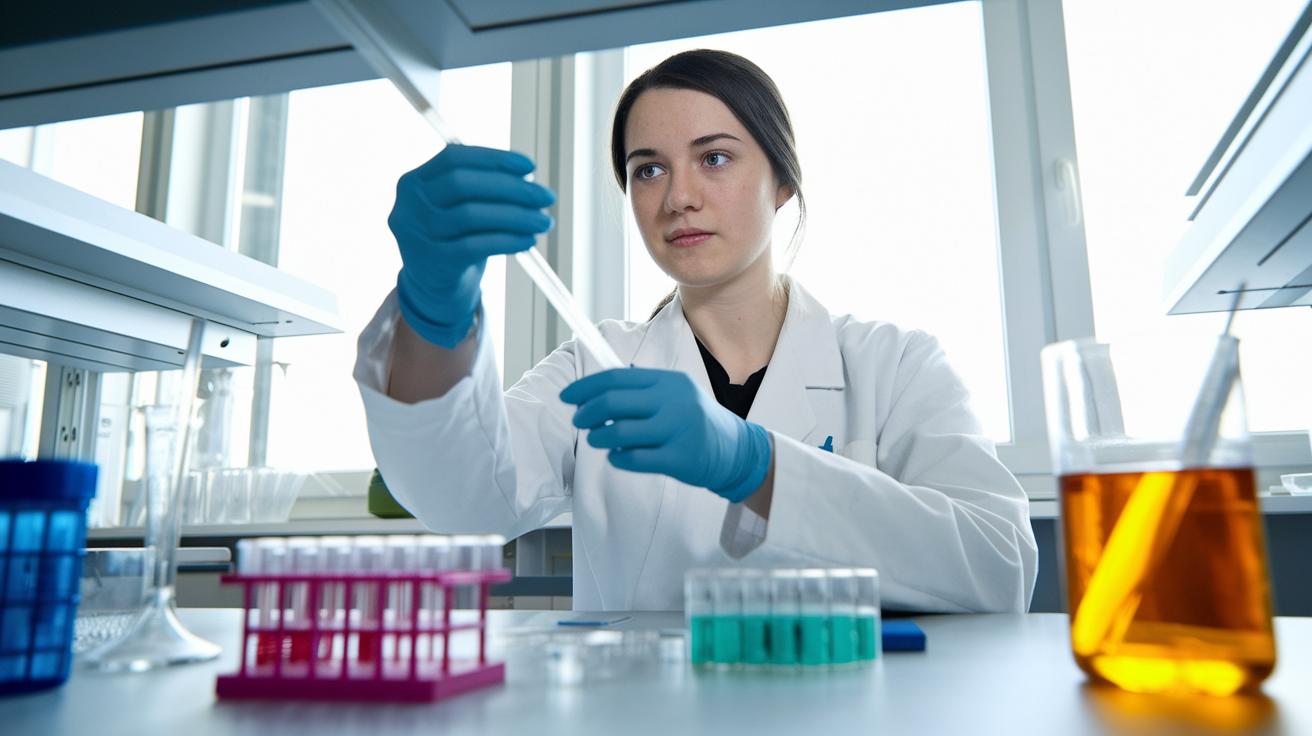
Getting started in medical laboratory science means building a strong academic base. Most entry-level jobs need a bachelor's degree from a program accredited by the National Accrediting Agency for Clinical Laboratory Sciences (NAACLS). In these programs, you'll learn key lab theory and also get plenty of hands-on experience, so you can confidently perform diagnostic tests.
There are plenty of accredited options available both on-campus and online, with many schools offering flexible hybrid formats. This allows you to mix remote learning with valuable real-life lab rotations. For example, the University of North Dakota and Washburn University design their courses to help you balance academic learning with practical lab work. Programs that include rotations in molecular diagnostics labs (where new testing methods are explored) are especially useful, as they help you learn the latest techniques in biomedical testing.
After you earn your degree, certification becomes the next important milestone. Organizations like the American Society for Clinical Pathology (ASCP) and American Medical Technologists (AMT) assess your skills through rigorous exams. For instance, the MT(ASCP) exam includes 120 multiple-choice questions that check both your understanding of theory and your ability to solve practical problems. Passing these tests shows that you have the competence needed for critical clinical diagnostic tasks.
Here’s a quick rundown of the key steps:
| Step | What It Involves |
|---|---|
| Earn a Degree | Complete a bachelor’s in medical laboratory science from an accredited program. |
| Gain Lab Experience | Participate in hands-on rotations to learn real-world lab skills. |
| Achieve Certification | Prepare for and pass exams from ASCP or AMT to verify your skills. |
| Advanced Studies | Consider an M.S. in Clinical Laboratory Science with a focus on molecular diagnostics. |
Interestingly, before hands-on lab rotations became standard, many students relied solely on textbook knowledge, missing out on the practical skills that would later define their careers. By following this clear, step-by-step pathway, you'll be well-prepared for a rewarding role in patient care and diagnostic testing.
Career Opportunities and Growth in Medical Laboratory Science
Step into a world where every day you use science to make a real difference in patient care. According to the Bureau of Labor Statistics, jobs for clinical laboratory technologists are set to grow by 11% from 2020 to 2030, outpacing many other fields. In 2022, professionals in this area earned a median wage of about $58,000. Whether you’re just starting out or looking to move into management, there are roles for every skill level. Beginners might start at around $45,000, while lab managers can earn close to $75,000.
Opportunities in this field aren’t just found in hospital labs. Public health centers, forensic science units, and research institutes now need the sharp eye of lab experts. On any given day, technicians work with both hands-on techniques and automated methods to keep operations running smoothly. And here’s a fun fact: one diagnostic test can guide treatment for more than 70% of cases! That really shows how vital precision is.
Digital tools are also shaking up the lab environment. Platforms like the digital health tech service streamline tasks and boost data accuracy, making it easier for you to focus on the science. These innovations help bridge the gap between technology and laboratory work, offering fresh paths for advancement.
Key career opportunities include:
- Laboratory Technicians who oversee essential tests.
- Clinical Technologists dedicated to accurate sample analysis.
- Lab Managers who coordinate daily operations and quality checks.
- Specialists in research, public health, and forensic analysis.
| Job Role | Average Salary | Notes |
|---|---|---|
| Entry-level Technician | $45,000 | Ideal for beginners |
| Clinical Technologist | $58,000 | Median wage in 2022 |
| Lab Manager | $75,000 | Senior roles with added responsibility |
Every role offers a clear ladder to growth, so you can follow your passion for science and see real, rewarding progress in your career.
Technological Advancements in Medical Laboratory Science
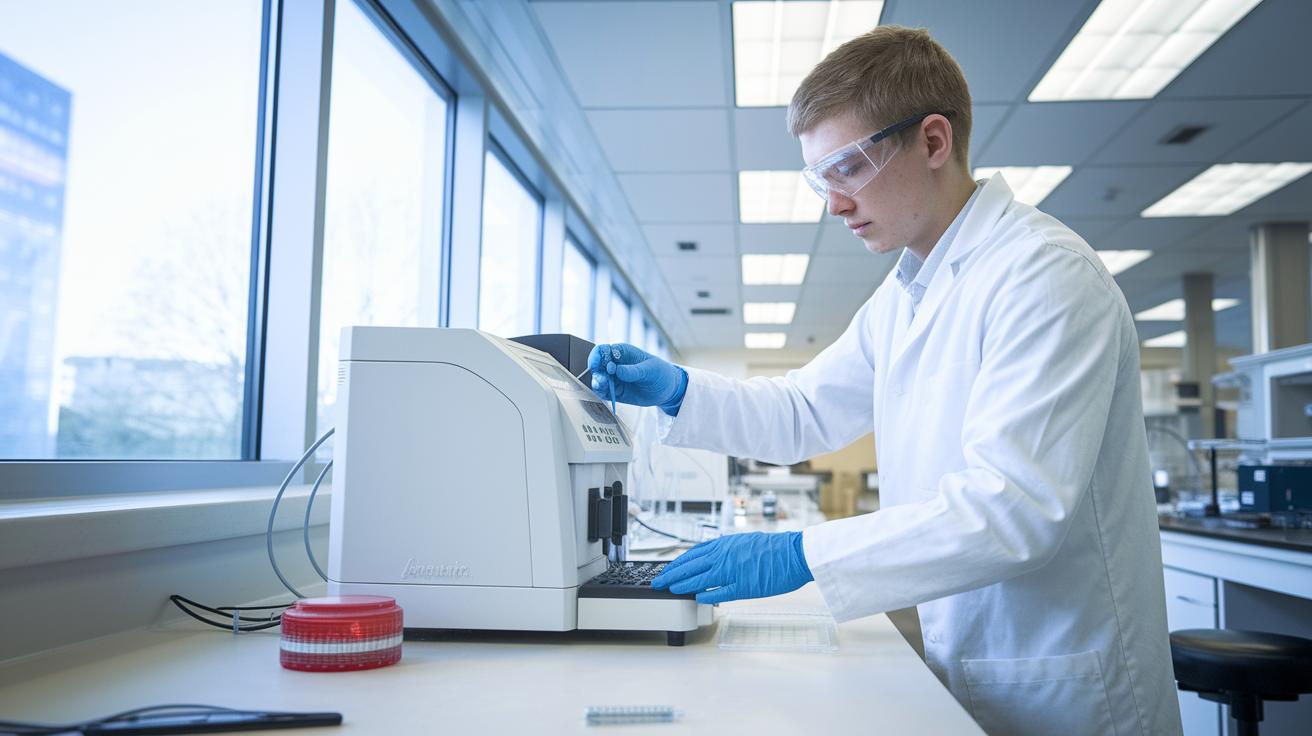
Technology is quickly reshaping how lab tests are done behind the scenes. Today, automated instruments are speeding up processes and cutting down on mistakes. For instance, about one in four medium-to-large labs has added high-throughput analyzers lately, which means tests get done faster and more accurately.
Clinical chemistry is also getting a modern twist. PCR-based molecular tests, which help spot infections (think of them as fast ways to check for germs), are up by 15% every year. Imagine this: in just five short years, many labs have upgraded their systems so that you get results nearly in real time. It’s a big change that not only makes work smoother but also helps doctors diagnose more clearly.
Personalized care is getting a boost with precision medicine diagnostics. By analyzing your unique genetic profile, labs now offer tests that are tailor-made for each patient. In fact, next-generation sequencing diagnostics hit a market value of $6.5 billion in 2022, showing just how much the world is moving toward testing that fits individual needs. Plus, almost 30% of major hospital labs now use artificial intelligence, AI helps double-check results, making sure nothing slips through the cracks. When these smart systems team up with digital tools, they process data faster and trim down manual input errors.
All in all, modern labs now blend classic techniques with fresh, digital technology. Automated equipment works side by side with digital platforms to deliver real-time data, letting healthcare teams make speedy decisions. And with AI stepping in to verify test outcomes, labs are both more efficient and more reliable, ultimately leading to better patient care.
Quality Control and Safety in Medical Laboratory Science
Quality control in lab work is essential for accurate patient testing. Every day, lab technicians run quality checks on chemistry analyzers as required by CLIA (rules that ensure our instruments work correctly). This simple daily task stops errors before any patient sample is handled. Moreover, labs perform proficiency tests twice annually to confirm they’re meeting all performance standards.
Standard Operating Procedures guide every step, whether it’s handling specimens, wearing the right protective gear, or disposing of chemicals safely. Imagine this as a pilot’s pre-flight checklist; every step is there to keep things safe and precise.
Accreditation and following regulations are just as important. For instance, the College of American Pathologists reviews about 8,000 labs worldwide to make sure they meet strict standards. Lab safety rules are set up to protect everyone in the lab, from workers to patients. In microbiology labs, Biosafety Level 2 is the minimum requirement. This means labs follow clear safety guidelines when working with potentially dangerous agents, keeping exposure risks low.
Key quality control practices include:
- Performing daily quality control runs and proficiency tests.
- Following Standard Operating Procedures for every process.
- Meeting strict regulatory and accreditation standards.
- Adopting Biosafety Level 2 protocols in microbiology labs.
Together, these practices create a safe workspace where lab results remain accurate and trustworthy.
Future Trends in Medical Laboratory Science

Labs are getting a fresh makeover thanks to new technology and smart data tools. These advances let labs use detailed data analysis to improve tests and combine different diagnostic steps into one smooth process. For instance, personalized testing is on the rise, and precision medicine labs are expected to grow by about 20% by 2025. When labs connect electronic health records (EHR), which are digital versions of patients' charts, they’ve managed to reduce waiting times for test results by around 30%. Plus, new green chemistry practices are cutting down on chemical waste by 15%, showing that caring for our world and boosting tech efficiency can go hand in hand.
The lab scene isn’t just about faster tests, though. It’s also opening doors to roles far beyond traditional lab work. There’s been a 25% jump in the need for bioinformatics skills, a blend of biology and data science, and that growth is creating fresh career opportunities like diagnostic data scientists and genomic counselors. These new jobs mix hands-on clinical know-how with detailed data analysis, pointing the way toward a more connected and efficient diagnostic process. Labs are adapting by trying out new methods and rethinking how they work to make sure every result is spot-on.
Key emerging areas include:
- Data analytics in diagnostics
- Integrated diagnostic systems
- Personalized medicine testing
- Future practice developments
- Emerging technology trends
For those working in medical laboratory science, the best way to be ready for the future is to keep learning and to explore new tech and techniques. Embrace these changes, and you'll be well on your way to making tomorrow's lab work even more innovative and precise.
Final Words
In the action, this post walks you through the basics of medical laboratory science, from its core tests and educational routes to career prospects and tech breakthroughs. It breaks down how accredited programs build the foundation for clinical diagnostic analysis and safe lab practices. The discussion highlights how each element blends clinical precision with everyday care, setting the stage for a healthier future. Keep exploring these research-backed strategies to make informed health decisions and enjoy a balanced, fulfilling life.
FAQ
What does a medical laboratory scientist do?
A medical laboratory scientist analyzes samples, performs diagnostic tests, and maintains quality control protocols, which helps guide over 70% of medical decisions in patient care.
What jobs can I get with medical laboratory science?
Medical laboratory science opens career options like lab technicians, lab managers, forensic analysts, and roles in public health or research, with an 11% growth rate expected by the Bureau of Labor Statistics.
Are medical laboratory scientists paid well?
Medical laboratory scientists earn competitive wages, with entry-level technicians averaging around $45,000, median salaries near $58,000, and lab managers reaching up to approximately $75,000, reflecting a stable industry.
What degrees or courses are required for medical laboratory science?
A medical laboratory science degree usually involves a NAACLS-accredited bachelor’s program, hands-on courses, and certification through organizations like ASCP or AMT, ensuring essential skills for diagnostic testing.
How do medical laboratory science and medical technology differ?
Medical laboratory science concentrates on diagnostic analysis and sample testing, while medical technology embraces a broader range of clinical practices and instrument care, offering roles that overlap yet remain distinct.
Is a medical laboratory science degree worth it?
A medical laboratory science degree is worth it, offering steady career growth, diverse job opportunities, and the chance to play a vital part in patient diagnosis and care.
What is the role of a medical laboratory assistant?
A medical laboratory assistant supports daily lab operations by preparing samples, maintaining equipment, and aiding scientists, which helps ensure a smooth workflow and dependable clinical test results.