Ever thought about mixing old, trusted ways with new ideas to boost your well-being? With advanced integrative medicine, health care becomes a friendly partnership where experts blend familiar methods like physiotherapy with additional treatments such as acupuncture (using tiny needles to help ease pain) and nutritional advice.
Imagine building a strong foundation with individual bricks. Each brick is a safe, evidence-based treatment that, when combined, creates a personalized plan just for you. Doctors and specialists work side by side to make sure you feel balanced, confident, and ready to take on your day.
Core Principles of Advanced Integrative Medicine
Advanced integrative medicine is a friendly, whole-body approach that mixes time-tested treatments with extra therapies to boost overall well-being. It uses trusted practices like physiotherapy along with other methods to support both body and mind. Think of it like building a strong house, each treatment adds a solid brick to your wellness foundation.
This care model blends regular medical services, like internal medicine, with complementary options such as acupuncture, massage, and nutritional counseling. It also offers non-surgical choices like BOTOX®, dermal fillers (for example, Restylane® and Revanesse Versa™), and PCA® skin and body peels. Plus, holistic weight management is part of the plan, using tools like semaglutide, vitamin nutrient injections, and even medical marijuana to tackle different health needs.
Every treatment in this method is backed by modern research and real-world results. Doctors work with you to create a personal plan that adapts as you improve. By combining up-to-date science with care tailored just for you, patients see measurable progress while feeling truly part of their own health journey.
Multidisciplinary Modalities in Advanced Integrative Medicine
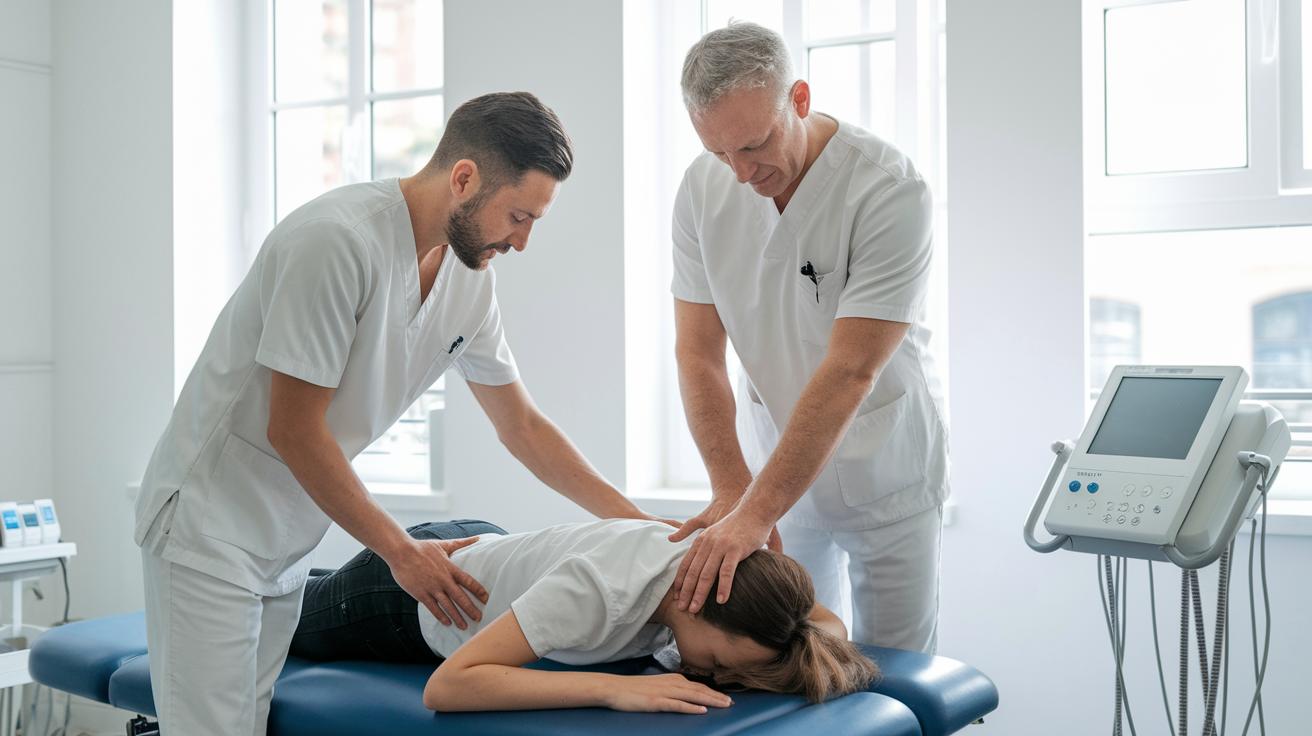
Imagine a care team where doctors, therapists, and other experts join forces to help you feel your best. They work side by side, blending medical know-how with wellness practices, to tackle both physical challenges and overall well-being. It’s like putting together a puzzle, each specialist adds a unique piece that supports every part of your health.
These care plans mix traditional treatments with extra techniques to keep you at your best. For example, standard methods like physical therapy and online doctor visits work hand in hand with services such as acupuncture and nutritional advice. Think of physical therapy as a way to boost your movement and relieve pain, while acupuncture helps calm your body and mind. This teamwork tackles issues like joint pain and muscle tension while also easing stress. In short, it’s a balanced approach that pairs tried-and-true science with fresh, innovative ideas.
Here are a few common methods used in this approach:
- Chiropractic adjustments to help keep your muscles and joints healthy.
- Telemedicine for easy, remote health check-ins and follow-ups.
- Physical therapy to build strength and improve mobility.
- Massage therapy to ease discomfort and boost circulation.
- Acupuncture to manage pain and lower stress levels.
- Nutritional counseling with vitamin injections to support your metabolism.
By combining these six techniques into one care plan, you get support for both immediate issues and long-term wellness. This integrated method not only boosts your physical health but also builds a solid foundation for lasting well-being, offering personalized care that truly fits your unique health profile.
Clinical Research and Evidence in Integrative Medicine
Clinical research plays a vital role in integrative medicine by showing that mixing traditional practices with complementary therapies can make a real difference in our lives. Research tells us that treatments addressing both body and mind work together to boost overall well-being, making everyday life a bit brighter. Both well-planned studies and everyday observations help reveal how these combined treatments ease symptoms and build lasting wellness. In short, evidence turns new ideas into trusted ways to care for ourselves.
New ways of designing trials and analyzing data are changing the game in integrative medicine. Researchers are using flexible study methods and real-life evidence to check how well treatments work. For instance, if you’re curious, the link in "What are clinical trials" shows how study methods are fine-tuned for settings that blend traditional and modern treatments. These efforts help us understand each part of a treatment and back up methods that are both current and grounded in science.
Patient stories put a warm face on these findings. Take Norma, for example, she felt relief from wrist pain and numbness after just one chiropractic session. In another case, a patient was able to stop using a cane within 20 days after receiving a stem cell injection in the knee. Such stories remind us that well-timed care can bring quick and meaningful change to everyday life.
A telemedicine pilot during a public health crisis even found a 30% drop in missed appointments, highlighting how digital care channels can work wonders. Ongoing, careful research helps improve clinical routines and gives health professionals more confidence in using integrative methods. Solid findings from academic studies and innovative trials are gradually making holistic treatments a more accepted part of our healthcare world.
Digital Health Integration in Advanced Integrative Medicine

Digital health integration blends modern technology with everyday medical care, opening up efficient ways to access vital treatments and resources. This approach is especially crucial during times when in-office visits aren’t possible, like during public health emergencies. Virtual consultations ensure you’re not left out, keeping you connected with healthcare providers and giving everyone a sense of security.
Telemedicine plays a key role by letting you have virtual visits that nicely complement traditional in-person care. Patient portals and remote-monitoring tools add to this by keeping communication straightforward and up-to-date. With these systems, doctors can quickly see your latest health information, track your progress in real time, and adjust treatments as needed. This smooth process helps prevent delays and makes it easier to access care, leading to better outcomes.
Another great advantage is that digital health integration gets you more involved in your care. Interactive platforms invite you to play an active role in managing your health, while data-driven coordination lets clinicians customize your treatments based on the most current records. These tools also simplify booking appointments, following up on care, and even provide digital therapy options. In short, this technology creates a more engaging and responsive healthcare experience for you.
Aesthetic and Wellness Treatment Outcomes in Advanced Integrative Medicine
Integrative medicine now embraces non-surgical treatments that refresh your look and boost overall well-being. Our Core Principles and Clinical Research sections share clear, real-life statistics that support personalized healing for your appearance and health.
We use trusted dermal fillers like Restylane® and Revanesse Versa™, along with neuromodulator injections such as BOTOX®, to help reduce wrinkles. In fact, studies show wrinkle reduction improvements of over 60% in just a few weeks, making the evidence as convincing as it is surprising.
Our approach to skin care is just as comprehensive. From PCA® Skin and Body Peels to Baby Foot® exfoliation and dedicated PCA® regimens, the goal is simple: smoother, healthier skin. Patient satisfaction scores and positive changes in skin texture add solid backing to our integrative healthcare story.
On the weight-management side, strategies featuring semaglutide protocols and targeted vitamin nutrient injections are making a big impact. Average results point to an 8–12% body weight reduction over 12 weeks, a clear sign that aesthetic treatments can go hand in hand with overall health improvements.
Training and Practitioners in Advanced Integrative Medicine

Advanced integrative medicine rests on the expertise of board-certified family doctors who bring a mix of specialized skills to the table. These professionals are also trained in acupuncture (using fine needles to relieve pain), nutrition counseling (guiding you towards healthy eating), and aesthetic medicine (safely enhancing appearance). They serve patients in places like Colorado (Lone Tree 80124), California (Torrance), and Florida (Fort Myers), which adds a rich regional perspective to their practice.
Learning truly never stops here. These dedicated practitioners regularly attend workshops, clinical seminars, and hands-on sessions to earn certifications in functional care. This continuing education helps them stay current with the latest research and emerging methods, so their care remains both innovative and trustworthy.
Teamwork is at the heart of their approach. Internal medicine specialists join forces with physical therapists, skincare experts, and telehealth coordinators to create a seamless care network. Their combined efforts ensure that every patient receives a personalized, well-coordinated treatment plan tailored to meet their unique wellness needs.
Final Words
In the action, we examined how advanced integrative medicine blends conventional and complementary methods to support everyday wellness. We broke down the interplay of multidisciplinary treatments and robust research that validates holistic care. Digital health tools and innovative aesthetic treatments were spotlighted as key components in modern health routines. Our discussion also touched on managing chronic conditions and enhancing quality of life through practical, evidence-backed strategies. Keep moving forward with a positive outlook and a proactive approach to daily well-being.
FAQ
What does advanced integrative healthcare mean?
Advanced integrative healthcare means combining conventional medicine with complementary approaches like acupuncture and nutritional counseling to offer patient-centered, whole-person care.
How are journal metrics like impact factors and Scimago rankings used in integrative medicine research?
The journal metrics, such as impact factors and Scimago rankings, indicate the quality and influence of research in integrative medicine and help predict future trends in the field.
What is the Integrative Medicine Journal?
The Integrative Medicine Journal publishes peer-reviewed studies and clinical insights that combine conventional and complementary therapies, aiding healthcare providers in evidence-based treatment strategies.
What are the 5 domains of integrative medicine?
The 5 domains include physical, emotional, social, spiritual, and environmental aspects, each addressing a unique component of holistic health in patient care.
What is the difference between functional medicine and integrative medicine?
The difference lies in focus: functional medicine zeroes in on individualized root-cause analysis, while integrative medicine combines conventional treatments with complementary practices for comprehensive care.
What does integrative medicine do?
Integrative medicine blends standard medical treatments with alternative therapies to optimize overall wellness and address patients’ physical, emotional, and lifestyle needs.
Is integrative medicine covered by insurance?
Insurance coverage for integrative medicine differs by policy and provider, so patients should check with their insurers to understand which complementary services may be reimbursed.