Have you ever noticed how a tiny breakthrough in a lab can completely change patient care? Research in cell biology and genetics, those small building blocks of life, can spark treatments that seem almost revolutionary. This work blends hands-on lab experiments with real-world care, making complex science feel as clear and vibrant as a cool morning breeze.
In short, when scientists explore the intricate details of cells, they lay the groundwork for fresh ideas that transform healthcare into something both innovative and surprisingly relatable.
Interdisciplinary Foundations of Biology Medical Science
Fundamental biology research is at the heart of medical science. It blends essential fields like cell biology, genetics, anatomy, and physiology with everyday clinical practice and patient care. This isn’t just theory, it’s what powers breakthrough therapies and precise diagnostic methods that are reshaping modern medicine. Have you ever wondered how, before modern imaging, scientists used simple microscopes to explore the hidden world of cells?
Medical science has come a long way since the early days of laboratory work in the 1900s. Today, clinical molecular biology (using tiny molecules inside our cells) gives us a clear window into our health, leading to more accurate diagnoses and personalized treatments. When lab tests join forces with real patient experiences, the result is a significant boost in health outcomes.
Uniting biomedical research with everyday care is crucial. When lab researchers and clinicians collaborate, discoveries made in the quiet of a laboratory quickly evolve into new ways to treat patients. Meanwhile, academic programs are bridging the gap between textbook learning and hands-on practice by focusing on both biomedical research and molecular techniques. This approach ensures that new healthcare professionals see the full picture.
In short, the field of biology medical science is a vibrant mix of deep research and practical patient care. This dynamic fusion not only drives the future of healthcare but also sparks fresh insights in medical education at every level.
Core Laboratory Techniques in Biology Medical Science

Modern healthcare relies on smart and accurate lab methods. Think of them as the hands-on tools we use to find out what's happening inside our bodies. Techniques like polymerase chain reaction (PCR) help amplify small bits of DNA, sort of like turning a faint whisper into a clear shout, so even the tiniest clue becomes visible.
These methods aren’t just about spotting diseases; they’re all about getting the details right. In labs where precision is key, every little step, from making sure instruments are perfectly calibrated to checking that each chemical batch performs as expected, is rigorously followed. It’s like insisting on using a well-tuned recipe every time you bake a cake.
Learning these techniques is all about practice in accredited labs. Here’s a glimpse of what you might experience in a training program:
- Starting with the basics like PCR and ELISA
- Moving on to intermediate skills with flow cytometry and mass spectrometry
- Diving into advanced topics such as next-generation sequencing and digital data analysis
- Mastering quality assurance and calibration of instruments
Safety is a top priority in every lab. Professionals follow detailed biosafety and biosecurity rules, like those at BSL-2 and BSL-3 levels. This includes managing access to labs, carefully cleaning up after experiments, and using the right protective gear. Before modern standards, lab workers sometimes had to make do without proper safety measures, which makes today’s strict protocols even more important for protecting staff and ensuring reliable results.
Ultimately, the blend of hands-on training, careful quality checks, and strong safety practices drives forward health diagnostics. This approach not only readies students for exciting careers in medical science but also continuously improves the way we understand and treat diseases.
Cellular and Molecular Methodologies for Clinical Research
Cellular and molecular techniques are truly the backbone of today's clinical research. They bridge the gap between detailed laboratory work and practical solutions in diagnostics and therapy. For instance, think of immunofluorescence microscopy as a tiny spotlight that illuminates hidden parts of a cell with colorful markers, making the invisible visible.
Cell culture assays offer a controlled setting for testing how cells react when exposed to new drugs. This step is key in figuring out a compound’s potential before it even reaches patient care. It’s like a safety net in early drug development.
Western blotting is another trusted method. It helps detect specific proteins in cells, giving clear insights into how cells communicate and react to changes, whether it’s a signaling pathway or an immune response. Meanwhile, RNA-seq workflows decode genetic information, opening the door to personalized treatments tailored to each individual.
In the realm of immunology, techniques such as ELISpot capture delicate cytokine signals that tell us what immune cells are up to. Follow this up with cytokine profiling, and you get a detailed picture of the immune response’s intensity and range. On the microbiology side, bacterial cultures combined with PCR-based pathogen detection allow quick identification of infections, which means interventions can happen on time. And methods like real-time qPCR and digital PCR quantify even the smallest amounts of DNA, making them essential tools in molecular diagnostics.
All these approaches aren’t just academic exercises. They directly influence translational research and diagnostic development, steadily leading us toward safer, more effective treatments in clinical medicine.
Genetic and Genomic Technologies in Medical Practice
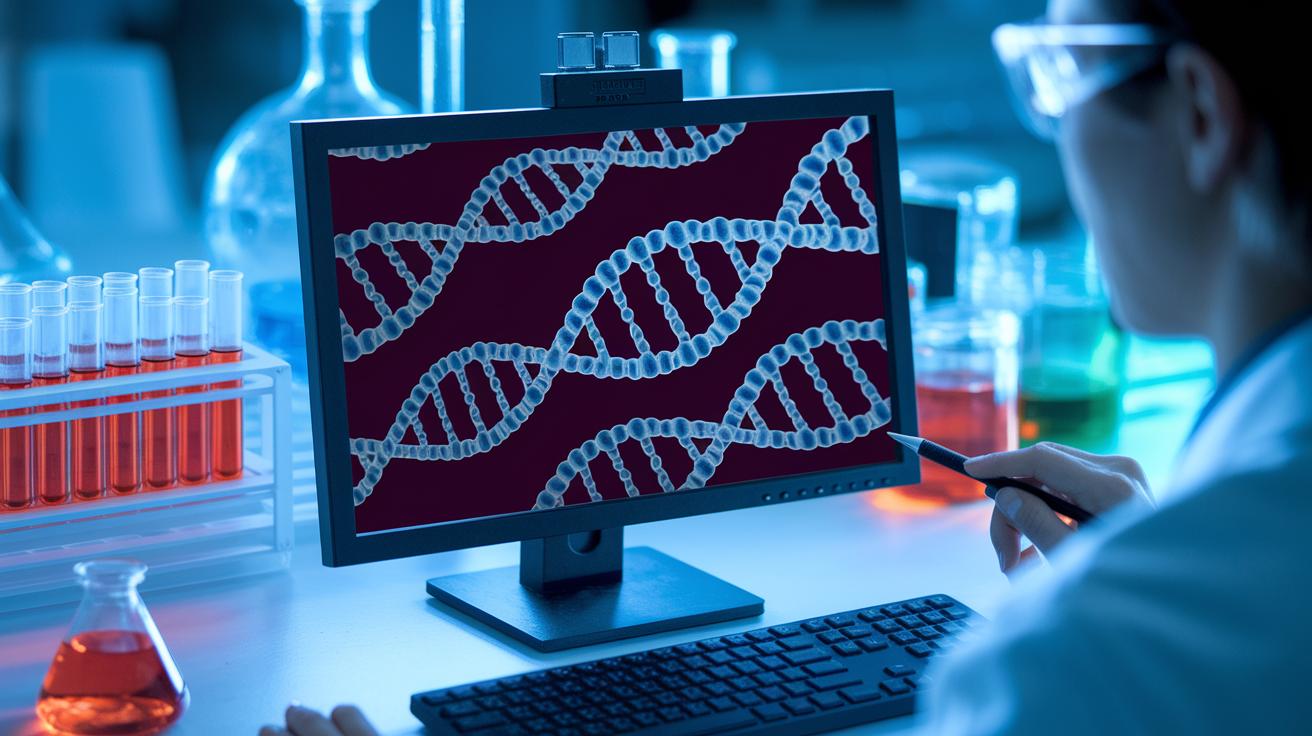
When doctors look at your genetic code, they’re checking out a unique map that can reveal health risks and help tailor treatments. Techniques like GWAS (genome-wide association studies) compare many people's DNA to spot differences tied to conditions like diabetes or heart problems. It’s kind of like finding that one missing puzzle piece that explains an illness.
Whole-exome sequencing zooms in on the parts of your DNA that actually make proteins, uncovering rare changes that might explain odd symptoms. Doctors combine these findings with your personal history to decide on the best care.
Modern research in medical genetics now often uses bioinformatics, a fancy way of saying computers help sift through huge data piles. Think of it as following a recipe: you mix in lots of data with statistical models, and out comes a treatment plan that fits you perfectly.
Genomics also uses next-generation sequencing panels to check out many genes all at once, giving doctors a broad snapshot of your genetic risk. When it comes to medicines, knowing your genes can help adjust drug choices, much like tweaking the spice level in your favorite dish. These smart techniques work together to turn lab insights into real benefits for your health.
Translational Approaches and Therapeutic Innovations
Translational biology breakthroughs are fueling fresh treatment methods. By testing potential therapies on animal models in controlled lab settings, researchers make sure a treatment is safe and works well before trying it on people. It’s like a chef perfecting a recipe in a test kitchen before serving a meal; each step builds trust that the final product will be both safe and helpful.
Clinical trials follow a clear, step-by-step structure from Phase I to Phase III. In Phase I, scientists check safety by finding the right dose and spotting any side effects. Phase II digs a bit deeper to see how well the treatment works, while Phase III compares it with current standard options. This careful process makes sure every new therapy meets strict rules before it reaches patients.
Stem cell research is also gaining attention, especially through induced pluripotent stem cell (iPSC) therapies. iPSCs are adult cells reprogrammed back into a youthful state so they can turn into other cell types and repair damaged tissue. For example, one lab report described how transforming skin cells into iPSCs to help regenerate heart tissue was much like watching a finely tuned orchestra, each cell playing its part perfectly.
At the same time, regenerative medicine is moving forward with organoid models and gene-editing techniques. Organoid models are tiny, simplified versions of organs that offer researchers a close-up look at diseases and a way to test drugs in the lab. Gene-editing, meanwhile, allows scientists to precisely correct cellular defects, fine-tuning these treatments even further.
Precision medicine is on the rise, too. By using biomarkers, which are little signals in our bodies indicating genetic traits, to guide clinical trials, treatments can be tailored to an individual’s specific needs. This blend of hands-on research and innovative therapy methods is steadily changing patient care with real, scientific progress.
Biochemical and Pharmacological Insights in Clinical Studies
Enzyme kinetics assays help us see how quickly the body’s chemical reactions occur. Think of it like checking how fast a car’s engine runs when the settings change. By doing these tests, scientists can spot hidden metabolic problems before you even feel sick. It’s a bit like noticing a sudden drop in your car’s fuel efficiency.
LC-MS/MS proteomics is another key player in our toolkit. This technique breaks down tiny protein samples to reveal details about disease processes at the molecular level. Picture it like listening closely to every instrument in a symphony, where each protein brings its unique note. Plus, researchers are designing special antibodies that act like custom locks for troublesome molecules, which opens up new paths for treatment.
Digital PCR and next-generation sequencing panels are changing the game in molecular diagnostics. Digital PCR can detect even the smallest amounts of DNA, helping doctors monitor how well a treatment is working. Meanwhile, next-generation sequencing panels scan many genes at once to flag genetic changes, much like a detailed weather forecast that warns you about upcoming storms.
Medical imaging techniques such as MRI, PET, and CT scans give us a clear window into what’s happening inside our bodies. Think of an MRI as a high-resolution camera that captures detailed snapshots of your inner world, allowing doctors to track the progress of a disease. Together, these biochemical methods and imaging tools create a solid framework for understanding illnesses and designing treatments that really hit the mark.
Biology Medical Science: Inspiring Academic Insights
Academic programs in biomedicine blend classroom learning with practical lab work through BS, MS, and PhD tracks. These courses mix lessons in molecular biology (the study of tiny cell parts) with clinical practices and research methods. For instance, a BS course might let you get your hands dirty in cell culture experiments and genetics labs, offering a real glimpse into the biomedical world.
Lab training is a big deal in these programs. Students work with modern tools in safe, controlled environments, mastering clinical research techniques and following strict safety rules. Standards from groups like ABET and CCNE (which set quality guidelines) help shape these courses, so every module is both robust and ethical. Add in internships and lab rotations, and you have real-world challenges that mirror current diagnostic technology. Imagine handling a patient sample and realizing that the lab results you learned about in class are now vital for guiding treatment choices.
The core elements of these programs include:
- Integrated lessons in molecular biology and clinical practices
- Intensive, hands-on lab training for clinical research
- Internships and rotations that build essential professional skills
New specializations like bioinformatics (using computers to understand biology) and digital pathology are reshaping academic medicine. They not only open up fresh career paths but also add innovative angles to the traditional curriculum. This ensures that graduates are well-prepared to lead in the ever-evolving field of medical science.
Final Words
In the action, we unpacked key techniques from laboratory methods to genetic tools that serve as the backbone for modern therapies. We explored how cellular and molecular strategies are used in clinical research and how academic programs shape future experts in the field.
This article bridged core research with patient care by emphasizing the practical steps in biology medical science. The path ahead is bright, and every new discovery opens up a world of potential for balanced well-being.
FAQ
What does a biology medical science degree involve?
A biology medical science degree offers a comprehensive curriculum that combines core biological disciplines—cell biology, genetics, anatomy, and physiology—with clinical research, preparing students for careers in precision medicine and patient care.
What are the requirements for biology medical science studies?
The biology medical science requirements focus on strong foundations in biology courses, laboratory techniques, and clinical research methods, ensuring students are ready for advanced training in academic medicine.
What schools and colleges offer biology medical science programs?
Biology medical science schools and colleges provide specialized programs that integrate fundamental research with clinical applications, equipping students with both laboratory skills and patient care expertise.
What majors and programs are available in biology medical science?
Biology medical science majors and programs cover a range of topics from molecular biology to clinical diagnostics, blending theoretical coursework with practical lab experience to support translational research.
What career opportunities and salary prospects exist in medical biology?
Medical biology jobs span areas like clinical research, diagnostics, and patient care, offering competitive salaries and career growth aligned with advancements in precision medicine and molecular diagnostics.
What does the study of medical biology include?
The study of medical biology integrates core life science principles with clinical research, examining cellular processes and molecular techniques that drive modern applications in patient diagnostics and treatments.
Is biomedical science a good major?
Biomedical science is a strong major because it bridges basic biological research and clinical practice, equipping graduates with diverse skills for careers in research, healthcare, and innovative therapy development.