Translational Research Lab Boosts Scientific Innovation

Have you ever thought about how a lab transforms simple ideas into treatments that save lives? It all starts where discovery and patient care meet, with small breakthroughs paving the way for big changes. With funding that kicks off at $550 million, these labs give early research the chance to turn into real clinical solutions. Every experiment is like a stepping stone, bringing innovative findings just closer to helping people. Let’s explore how a translational research lab fuels scientific progress and makes a genuine difference in the real world.

Defining the Translational Research Lab: Purpose and Scope

Imagine a place where scientific breakthroughs start their journey toward real-world patient care. That’s what a translational research lab does. It acts as a bridge, turning discoveries from the lab into the everyday tools and treatments we rely on. Back in 2011, the NIH kicked off NCATS with a $550 million annual budget, all set to move groundbreaking ideas closer to the clinic.

Think of it like a bustling hub where basic science meets clinical practice. A lab like this refines innovative findings into diagnostic tools, treatments, and even medical devices that matter. You might hear someone say, “Before it was common practice, a promising treatment was carefully developed in a lab and soon made a real-world impact.”

These labs work in two main parts. The first phase, known as T1, takes discoveries from the lab, like identifying key targets and validating biomarkers, and tests them in early human studies. The next step, T2, checks that these findings really make a difference in a clinical setting, using early trials and extra testing.

This step-by-step process does more than build scientific knowledge; it directly improves patient outcomes and healthcare practices. In short, translational research labs ensure that every innovative idea has its best shot at changing lives for the better.

Core Infrastructure in a Translational Research Lab
img-1.jpg

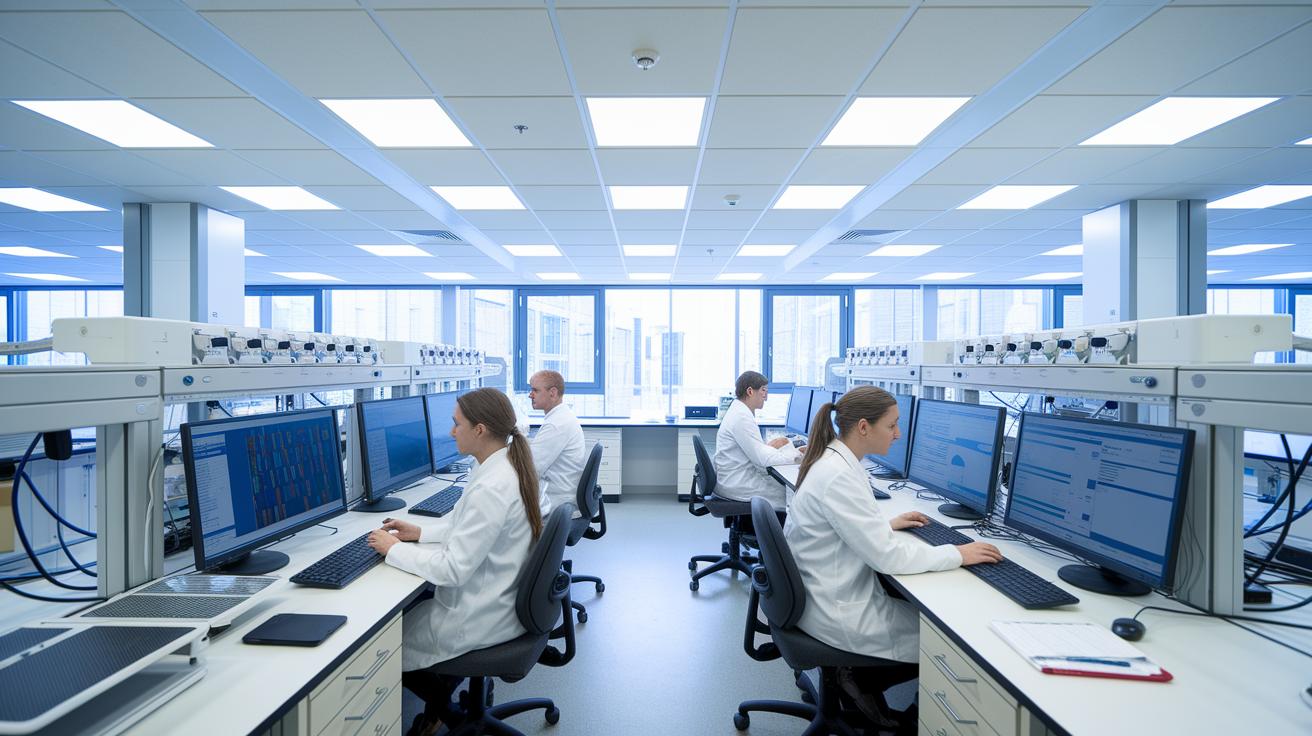
A strong setup is the heart of every translational research project. The right facilities speed up data collection and offer a safe, organized space where fresh ideas can evolve into real clinical solutions. With specialized labs and dedicated equipment, researchers can run high-quality experiments that drive scientific breakthroughs forward.

For instance, high-throughput screening systems let scientists test numerous compounds quickly, saving both time and effort. Biosafety labs ensure that dangerous pathogens and sensitive cell cultures are managed safely. Animal vivariums create a controlled setting to study diseases in living creatures, while biorepositories store biological samples uniformly so that research stays consistent and reliable.

When labs adhere to good laboratory practices, trust in experimental methods grows. Tools like lab information management systems help keep track of data seamlessly, and advanced bioinformatics platforms make it easy to integrate and analyze complex information. This well-rounded setup, with clear procedures and secure digital notebooks, is essential for turning research insights into effective diagnostic and treatment tools.

Infrastructure Element Function
High-throughput screening Quick testing of multiple compounds
Biosafety labs Safe handling of pathogens and sensitive cultures
Animal vivariums Studying diseases in living organisms
Biorepositories Uniform storage of biological samples
GLP-compliant units Ensuring quality and reproducibility
LIMS Tracking samples and maintaining audit trails
Bioinformatics platform Integrating and analyzing data

Translational Research Lab Process: From Bench to Bedside

Translational research is the bridge that turns exciting lab discoveries into care that really works for patients. Scientists move through three clear stages, T1, T2, and T3, to make sure every breakthrough is safe, effective, and ready for real-world use.

In the T1 stage, researchers carry out preclinical studies. They validate targets, run tests in lab dishes and animal models, and identify biomarkers (those biological clues that tell us if a treatment is working). Think of this phase as laying a solid foundation for what comes next.

Then comes T2, where the focus shifts to human studies. This stage features detailed clinical trials what are clinical trials that check both safety and how well treatments work. It’s a crucial step in making sure the science can translate into better patient care.

Finally, T3 is all about implementation. Researchers work on developing standard protocols and best-practice guidelines to bring these innovations into everyday clinical settings. Each step helps turn cutting-edge research into tangible health improvements.

Phase Main Activity Outcome
T1 Preclinical studies First-in-human data
T2 Clinical trials Safety and efficacy metrics
T3 Implementation Guideline and practice change

What’s really interesting is how this process uses feedback at every turn. Early results can lead to a quick rethinking of experimental plans, maybe a biomarker needs a closer look or a method needs tweaking. Later, insights from human studies often shape how clinical trials are run, making treatments even safer and more effective. This ongoing cycle of learning and adjusting builds on every phase, steadily paving the way for new therapies to reach the patient bedside.

Collaboration Models in a Translational Research Lab
img-2.jpg

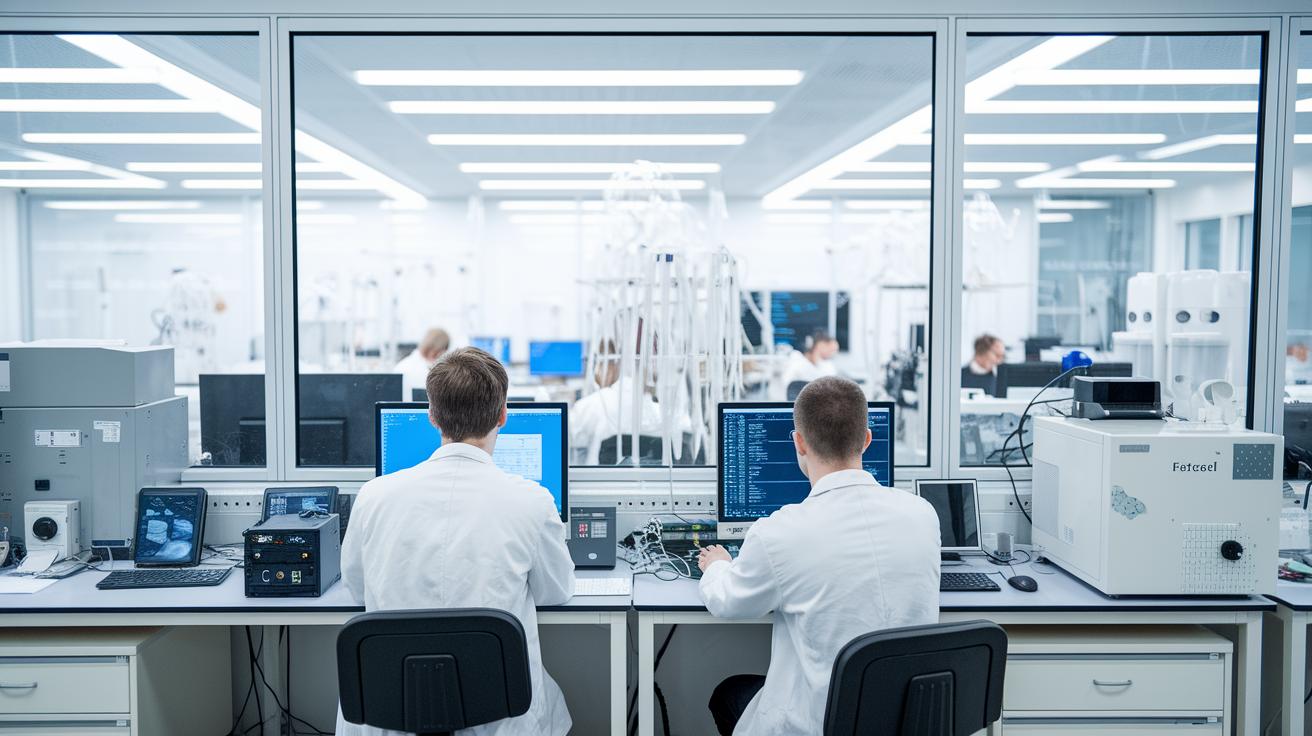
Leading labs bring together a mix of experts like basic scientists, clinicians (doctors who treat patients), biostatisticians (specialists in data analysis), and regulatory professionals (experts who ensure all the safety rules are followed). Working side by side, these teams look at problems from all angles and come up with creative, practical solutions.

Programs like CTSA help form strong partnerships among colleges, industry leaders, and clinical experts. This way, research is designed with real-world needs in mind. For example, a lab might team up with a nearby hospital, a biotech company, and university researchers all at once, each adding their own special touch.

Written agreements called memoranda of understanding set clear guidelines for these partnerships. They spell out who owns the discoveries, how data is shared, and how costs and resources are divided. Patient advocacy groups also join in to boost trial participation and keep the focus on patient needs. In short, these collaborative frameworks not only speed up the process of turning scientific discoveries into treatments but also build trust and transparency among everyone involved.

Technological Innovations in a Translational Research Lab

Digital innovation is completely reshaping how labs operate every day. Modern translational research labs now lean on smart tools that make experiments run smoother and keep records simpler. This means cutting-edge science is inching closer to everyday medical care. For example, scientists can now combine data from electronic health records (which track your health info) with details from wearable devices. This blend gives them a real-time look at marker changes during studies.

Next, labs rely on several key tools:

Tool Description
Laboratory Information Management Systems (LIMS) Keeps lab data tidy and easy to search
Electronic Lab Notebooks (ELNs) Swaps paper notebooks for faster, secure digital records
High-content Imaging Platforms Captures clear, detailed images to uncover hidden insights
AI and Machine Learning Analytics Quickly digs through big data to spot patterns you might miss
Cloud-based Data Repositories Makes sharing and storing research data smooth and simple

These digital tools do more than just organize data, they speed up decision-making and help researchers validate experiments faster and more reliably. With systems like LIMS and ELNs, labs create a secure, searchable archive that leads to quicker confirmations and consistent outcomes. And thanks to high-content imaging and AI-driven analytics, spotting subtle trends becomes a breeze. Modern healthtech instruments and cloud-based tools further ensure that information flows seamlessly across teams, helping everyone stay on the same page.

It’s exciting to see how digital tools bring advanced research closer to everyday healthcare practice. Have you ever thought about how blending tech with science can open up a whole new realm of possibilities?

Funding and Regulatory Oversight of a Translational Research Lab
img-3.jpg

When it comes to funding, these labs often lean on grants from sources like NIH NCATS, the Department of Defense, and several major private foundations. These grants provide the financial boost needed to transform initial lab discoveries into promising new therapies. For instance, a grant from NIH NCATS can kick off a series of experiments that turn early findings into viable treatment opportunities.

Then there's the FDA, which plays a key role in overseeing all these translational studies. Researchers put together detailed protocols and compile loads of data for IND (Investigational New Drug) and IDE (Investigational Device Exemption) applications. Think of it like crafting a strong proposal where every little detail is crucial. This careful planning ensures that the leap from lab work to testing treatments on people meets strict regulatory standards.

Quality remains a top priority too. Labs stick to GLP, or Good Laboratory Practices, during preclinical research, and GCP, or Good Clinical Practices, in clinical trials. They regularly conduct audits, review their standard operating procedures, and closely monitor data. This methodical approach builds trust among scientists and doctors alike, paving the way for innovative treatments to eventually help patients.

Future Directions for Translational Research Labs

The latest trends in research are pushing us toward more flexible and smart study designs. Researchers are now using trial methods that let them change study plans as new results come in, which keeps the studies more adaptable and in tune with real-life changes. At the same time, clinical studies are moving out from central labs and into everyday settings. This shift means they can gather richer data from a broader group of patients, blending real-world insights with precise lab work to speed up the journey from discovery to real treatments.

New tech is sparking exciting innovations in labs. For example, organ-on-chip platforms mimic how a human organ works on a tiny microchip, giving scientists a dynamic testing space without relying on animal tests. Digital twin modeling even lets researchers create a virtual copy of a patient to predict how treatments might work before they are applied. Plus, secure data-sharing networks are helping experts from different places work together seamlessly by linking various data sources. All these advances point to a future where groundbreaking therapies come to life through a perfect mix of cutting-edge technology and thoughtful research methods.

Final Words

In the action of moving discoveries from the bench to bedside, the article explored how a translational research lab makes breakthroughs possible. It covered everything from core infrastructure and digital solutions to real-world funding and regulation.

Every section highlighted crucial steps for effective chronic condition management and integrating clinical findings into everyday routines. The emphasis on translational research lab innovation inspires a positive outlook on our future health and wellness.

FAQ

What is a translational research lab?

A translational research lab converts lab discoveries into human applications by advancing research through preclinical and early clinical stages, aligning with translational medicine goals such as those set by NCATS initiatives.

What core infrastructure is needed in a translational research lab?

The core infrastructure includes high-throughput screening, biosafety labs, animal vivariums, biorepositories, GLP-compliant units, LIMS, and bioinformatics platforms, all essential for safe, efficient, and accurate research.

How does the bench-to-bedside process operate in these labs?

The bench-to-bedside process moves from T1 preclinical studies to T2 clinical trials and T3 implementation research, using iterative feedback loops to refine targets and methods for effective patient care.

What collaboration models are used in translational research labs?

Collaboration models rely on interdisciplinary teams, including clinicians, scientists, and regulatory experts, integrated through academic-industry consortia and formal agreements on data sharing and intellectual property.

How do technological innovations benefit translational research labs?

Technological innovations like LIMS, electronic lab notebooks, high-content imaging, AI analytics, and cloud repositories improve efficiency, reproducibility, and secure data management, driving faster and more accurate health solutions.

What funding and regulatory measures support translational research labs?

Funding comes from sources such as NIH NCATS, the Department of Defense, and private foundations, while regulatory oversight involves FDA IND/IDE pathways, GLP and GCP standards, audits, and strict SOP maintenance.

What future trends are shaping translational research labs?

Emerging trends include adaptive trial designs, decentralized clinical studies, CRISPR-based validations, organ-on-chip models, digital twins, and federated data sharing networks, all aimed at accelerating clinical translation and innovation.

Have you ever thought about how a lab transforms simple ideas into treatments that save lives? It all starts where discovery and patient care meet, with small breakthroughs paving the way for big changes. With funding that kicks off at $550 million, these labs give early research the chance to turn into real clinical solutions. Every experiment is like a stepping stone, bringing innovative findings just closer to helping people. Let’s explore how a translational research lab fuels scientific progress and makes a genuine difference in the real world.

Defining the Translational Research Lab: Purpose and Scope

Imagine a place where scientific breakthroughs start their journey toward real-world patient care. That’s what a translational research lab does. It acts as a bridge, turning discoveries from the lab into the everyday tools and treatments we rely on. Back in 2011, the NIH kicked off NCATS with a $550 million annual budget, all set to move groundbreaking ideas closer to the clinic.

Think of it like a bustling hub where basic science meets clinical practice. A lab like this refines innovative findings into diagnostic tools, treatments, and even medical devices that matter. You might hear someone say, “Before it was common practice, a promising treatment was carefully developed in a lab and soon made a real-world impact.”

These labs work in two main parts. The first phase, known as T1, takes discoveries from the lab, like identifying key targets and validating biomarkers, and tests them in early human studies. The next step, T2, checks that these findings really make a difference in a clinical setting, using early trials and extra testing.

This step-by-step process does more than build scientific knowledge; it directly improves patient outcomes and healthcare practices. In short, translational research labs ensure that every innovative idea has its best shot at changing lives for the better.

Core Infrastructure in a Translational Research Lab

img-1.jpg

A strong setup is the heart of every translational research project. The right facilities speed up data collection and offer a safe, organized space where fresh ideas can evolve into real clinical solutions. With specialized labs and dedicated equipment, researchers can run high-quality experiments that drive scientific breakthroughs forward.

For instance, high-throughput screening systems let scientists test numerous compounds quickly, saving both time and effort. Biosafety labs ensure that dangerous pathogens and sensitive cell cultures are managed safely. Animal vivariums create a controlled setting to study diseases in living creatures, while biorepositories store biological samples uniformly so that research stays consistent and reliable.

When labs adhere to good laboratory practices, trust in experimental methods grows. Tools like lab information management systems help keep track of data seamlessly, and advanced bioinformatics platforms make it easy to integrate and analyze complex information. This well-rounded setup, with clear procedures and secure digital notebooks, is essential for turning research insights into effective diagnostic and treatment tools.

Infrastructure Element Function
High-throughput screening Quick testing of multiple compounds
Biosafety labs Safe handling of pathogens and sensitive cultures
Animal vivariums Studying diseases in living organisms
Biorepositories Uniform storage of biological samples
GLP-compliant units Ensuring quality and reproducibility
LIMS Tracking samples and maintaining audit trails
Bioinformatics platform Integrating and analyzing data

Translational Research Lab Process: From Bench to Bedside

Translational research is the bridge that turns exciting lab discoveries into care that really works for patients. Scientists move through three clear stages, T1, T2, and T3, to make sure every breakthrough is safe, effective, and ready for real-world use.

In the T1 stage, researchers carry out preclinical studies. They validate targets, run tests in lab dishes and animal models, and identify biomarkers (those biological clues that tell us if a treatment is working). Think of this phase as laying a solid foundation for what comes next.

Then comes T2, where the focus shifts to human studies. This stage features detailed clinical trials what are clinical trials that check both safety and how well treatments work. It’s a crucial step in making sure the science can translate into better patient care.

Finally, T3 is all about implementation. Researchers work on developing standard protocols and best-practice guidelines to bring these innovations into everyday clinical settings. Each step helps turn cutting-edge research into tangible health improvements.

Phase Main Activity Outcome
T1 Preclinical studies First-in-human data
T2 Clinical trials Safety and efficacy metrics
T3 Implementation Guideline and practice change

What’s really interesting is how this process uses feedback at every turn. Early results can lead to a quick rethinking of experimental plans, maybe a biomarker needs a closer look or a method needs tweaking. Later, insights from human studies often shape how clinical trials are run, making treatments even safer and more effective. This ongoing cycle of learning and adjusting builds on every phase, steadily paving the way for new therapies to reach the patient bedside.

Collaboration Models in a Translational Research Lab

img-2.jpg

Leading labs bring together a mix of experts like basic scientists, clinicians (doctors who treat patients), biostatisticians (specialists in data analysis), and regulatory professionals (experts who ensure all the safety rules are followed). Working side by side, these teams look at problems from all angles and come up with creative, practical solutions.

Programs like CTSA help form strong partnerships among colleges, industry leaders, and clinical experts. This way, research is designed with real-world needs in mind. For example, a lab might team up with a nearby hospital, a biotech company, and university researchers all at once, each adding their own special touch.

Written agreements called memoranda of understanding set clear guidelines for these partnerships. They spell out who owns the discoveries, how data is shared, and how costs and resources are divided. Patient advocacy groups also join in to boost trial participation and keep the focus on patient needs. In short, these collaborative frameworks not only speed up the process of turning scientific discoveries into treatments but also build trust and transparency among everyone involved.

Technological Innovations in a Translational Research Lab

Digital innovation is completely reshaping how labs operate every day. Modern translational research labs now lean on smart tools that make experiments run smoother and keep records simpler. This means cutting-edge science is inching closer to everyday medical care. For example, scientists can now combine data from electronic health records (which track your health info) with details from wearable devices. This blend gives them a real-time look at marker changes during studies.

Next, labs rely on several key tools:

Tool Description
Laboratory Information Management Systems (LIMS) Keeps lab data tidy and easy to search
Electronic Lab Notebooks (ELNs) Swaps paper notebooks for faster, secure digital records
High-content Imaging Platforms Captures clear, detailed images to uncover hidden insights
AI and Machine Learning Analytics Quickly digs through big data to spot patterns you might miss
Cloud-based Data Repositories Makes sharing and storing research data smooth and simple

These digital tools do more than just organize data, they speed up decision-making and help researchers validate experiments faster and more reliably. With systems like LIMS and ELNs, labs create a secure, searchable archive that leads to quicker confirmations and consistent outcomes. And thanks to high-content imaging and AI-driven analytics, spotting subtle trends becomes a breeze. Modern healthtech instruments and cloud-based tools further ensure that information flows seamlessly across teams, helping everyone stay on the same page.

It’s exciting to see how digital tools bring advanced research closer to everyday healthcare practice. Have you ever thought about how blending tech with science can open up a whole new realm of possibilities?

Funding and Regulatory Oversight of a Translational Research Lab

img-3.jpg

When it comes to funding, these labs often lean on grants from sources like NIH NCATS, the Department of Defense, and several major private foundations. These grants provide the financial boost needed to transform initial lab discoveries into promising new therapies. For instance, a grant from NIH NCATS can kick off a series of experiments that turn early findings into viable treatment opportunities.

Then there's the FDA, which plays a key role in overseeing all these translational studies. Researchers put together detailed protocols and compile loads of data for IND (Investigational New Drug) and IDE (Investigational Device Exemption) applications. Think of it like crafting a strong proposal where every little detail is crucial. This careful planning ensures that the leap from lab work to testing treatments on people meets strict regulatory standards.

Quality remains a top priority too. Labs stick to GLP, or Good Laboratory Practices, during preclinical research, and GCP, or Good Clinical Practices, in clinical trials. They regularly conduct audits, review their standard operating procedures, and closely monitor data. This methodical approach builds trust among scientists and doctors alike, paving the way for innovative treatments to eventually help patients.

Future Directions for Translational Research Labs

The latest trends in research are pushing us toward more flexible and smart study designs. Researchers are now using trial methods that let them change study plans as new results come in, which keeps the studies more adaptable and in tune with real-life changes. At the same time, clinical studies are moving out from central labs and into everyday settings. This shift means they can gather richer data from a broader group of patients, blending real-world insights with precise lab work to speed up the journey from discovery to real treatments.

New tech is sparking exciting innovations in labs. For example, organ-on-chip platforms mimic how a human organ works on a tiny microchip, giving scientists a dynamic testing space without relying on animal tests. Digital twin modeling even lets researchers create a virtual copy of a patient to predict how treatments might work before they are applied. Plus, secure data-sharing networks are helping experts from different places work together seamlessly by linking various data sources. All these advances point to a future where groundbreaking therapies come to life through a perfect mix of cutting-edge technology and thoughtful research methods.

Final Words

In the action of moving discoveries from the bench to bedside, the article explored how a translational research lab makes breakthroughs possible. It covered everything from core infrastructure and digital solutions to real-world funding and regulation.

Every section highlighted crucial steps for effective chronic condition management and integrating clinical findings into everyday routines. The emphasis on translational research lab innovation inspires a positive outlook on our future health and wellness.

FAQ

What is a translational research lab?

A translational research lab converts lab discoveries into human applications by advancing research through preclinical and early clinical stages, aligning with translational medicine goals such as those set by NCATS initiatives.

What core infrastructure is needed in a translational research lab?

The core infrastructure includes high-throughput screening, biosafety labs, animal vivariums, biorepositories, GLP-compliant units, LIMS, and bioinformatics platforms, all essential for safe, efficient, and accurate research.

How does the bench-to-bedside process operate in these labs?

The bench-to-bedside process moves from T1 preclinical studies to T2 clinical trials and T3 implementation research, using iterative feedback loops to refine targets and methods for effective patient care.

What collaboration models are used in translational research labs?

Collaboration models rely on interdisciplinary teams, including clinicians, scientists, and regulatory experts, integrated through academic-industry consortia and formal agreements on data sharing and intellectual property.

How do technological innovations benefit translational research labs?

Technological innovations like LIMS, electronic lab notebooks, high-content imaging, AI analytics, and cloud repositories improve efficiency, reproducibility, and secure data management, driving faster and more accurate health solutions.

What funding and regulatory measures support translational research labs?

Funding comes from sources such as NIH NCATS, the Department of Defense, and private foundations, while regulatory oversight involves FDA IND/IDE pathways, GLP and GCP standards, audits, and strict SOP maintenance.

What future trends are shaping translational research labs?

Emerging trends include adaptive trial designs, decentralized clinical studies, CRISPR-based validations, organ-on-chip models, digital twins, and federated data sharing networks, all aimed at accelerating clinical translation and innovation.

More from author

LEAVE A REPLY

Please enter your comment!
Please enter your name here

Related posts

Advertismentspot_img

Latest posts

How To Create A Daily Wellness Routine: Thriving

Curious about how to create a daily wellness routine that transforms your mornings and days? Read on as secrets await…

2 Daily Wellness Drink Tips For Radiance

Experience a daily wellness drink with natural herbs, green ingredients, and clinical backing that might change your routine forever, stay tuned.

Daily Wellness: Elevate Your Everyday Vitality

Daily wellness transforms everyday routines into mindful adjustments, merging nutrition, movement, and restorative sleep. What unforeseen practice awaits you next?

Want to stay up to date with the latest news?

We would love to hear from you! Please fill in your details and we will stay in touch. It's that simple!