Nutritional Strategies To Reduce Inflammation Boost Energy

Ever wonder if the food on your plate could be the key to feeling better? Inflammation, when your body feels achy and drained, might be eased with small changes in your diet.

Try adding a rainbow of fruits, plenty of leafy greens, and fish rich in omega nutrients. These choices help soothe inflammation and boost your energy naturally, kind of like giving your body a gentle reset.

Research suggests that these simple tweaks in what you eat can really make a difference in easing discomfort and lifting your everyday vitality. Stick with us as we explore how these little changes can benefit both your body and your mood.

Core Nutritional Strategies to Reduce Inflammation

Good nutrition helps ease chronic pain and boost energy by replacing outdated eating habits with whole, nutrient-packed foods. Ever heard that eating lots of fruits, veggies, and fatty fish can actually lower inflammation? Inflammation is often linked to ongoing discomfort and that feeling of sluggish energy. By choosing foods rich in antioxidants, you help your body fight off free radicals, those unstable molecules that create irritation and damage cells.

This dietary strategy works best when paired with regular exercise and stress management techniques. Research shows that a balanced diet supports your body’s natural inflammatory responses. Try to include at least six servings of different fruits and vegetables every day. For example, you might enjoy:

  • Fresh berries or oranges for a boost of vitamin C
  • Dark leafy greens like spinach or kale packed with nutrients
  • Fatty fish such as salmon for essential omega-3 fatty acids

Snacking on nuts, seeds, or lightly salted edamame is another easy way to add extra nutrients without spiking your blood sugar. The goal is to ensure you get a balanced mix of micronutrients to steadily reduce inflammation and maintain energy.

Food Group Daily Servings
Fruits & Vegetables 6+ servings
Whole Grains 3-4 servings

Even small, steady changes in your diet can lead to big improvements in your energy levels and pain management overall.

Essential Anti-Inflammatory Diet Principles
img-1.jpg

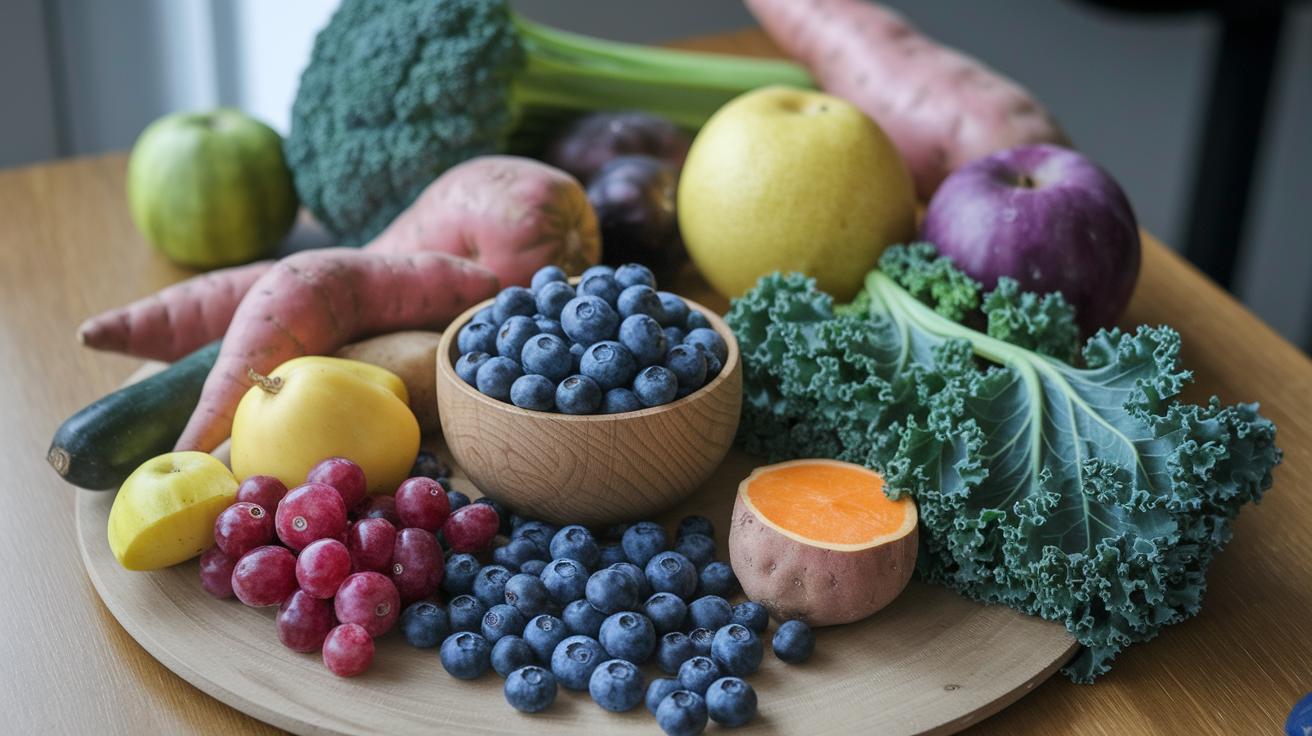
Try to include at least six ½-cup servings of fruits and veggies every day. These colorful choices, from bright oranges to deep greens, give you a mix of nutrients that support overall health. Fun fact: a handful of blueberries packs enough antioxidants to help calm harmful free radicals and ease inflammation.

When choosing carbohydrates, it’s best to pick high-fiber options. Go for whole grains like brown rice, quinoa, and oats instead of processed foods such as white pasta or breads. These whole foods help keep your blood sugar steady, support gut health, and provide long-lasting energy. For more on whole foods, check out this link: https://factcheckx.com?p=115

It’s also important to watch your intake of added sugars. Generally, men should keep under 9 teaspoons a day and women under 6. And if you’re having alcohol, try to limit it to one drink per day, since even small amounts can spark inflammation.

By blending nutrient-rich fruits, vegetables, lean whole grains, and a few treats, you create a balanced diet that supports steady energy levels and healthy cells. Little, informed choices like these can really help manage everyday inflammation and boost your vitality.

Harnessing Omega-3 Rich Meals for Inflammation Control

Omega-3 foods can really ease inflammation by helping balance your omega-6 to omega-3 ratio. Think of wild-caught fish like salmon, mackerel, or sardines as not only a tasty protein source for repairing your body but also as a way to calm inflammatory signals. Picture biting into a perfectly grilled salmon fillet that delights your taste buds while giving your cells the care they need.

Adding omega-3 enriched eggs along with plant sources such as flax, chia, hemp seeds, and walnuts is another fun way to boost these beneficial fats. These ingredients are super versatile, you can mix them into your breakfast cereal, blend them in a smoothie, or toss them in a salad. For a little tip: just sprinkle walnuts over your yogurt or stir a spoonful of chia seeds into your morning drink to give your meal an extra anti-inflammatory kick.

Lean proteins like chicken, turkey, and fish also play a key role, helping your body repair and recover tissues while teaming up with omega-3-rich foods. This smart combination not only fights inflammation but also keeps your energy levels up. It’s a delicious and sustainable approach to strengthening your body’s defenses against everyday challenges.

Integrating these omega-3 favorites into your meals is a small change that can make a big impact on your overall well-being. Enjoy the journey to better health, one tasty bite at a time.

Antioxidant Food Selection: Boosting Cellular Defense
img-2.jpg

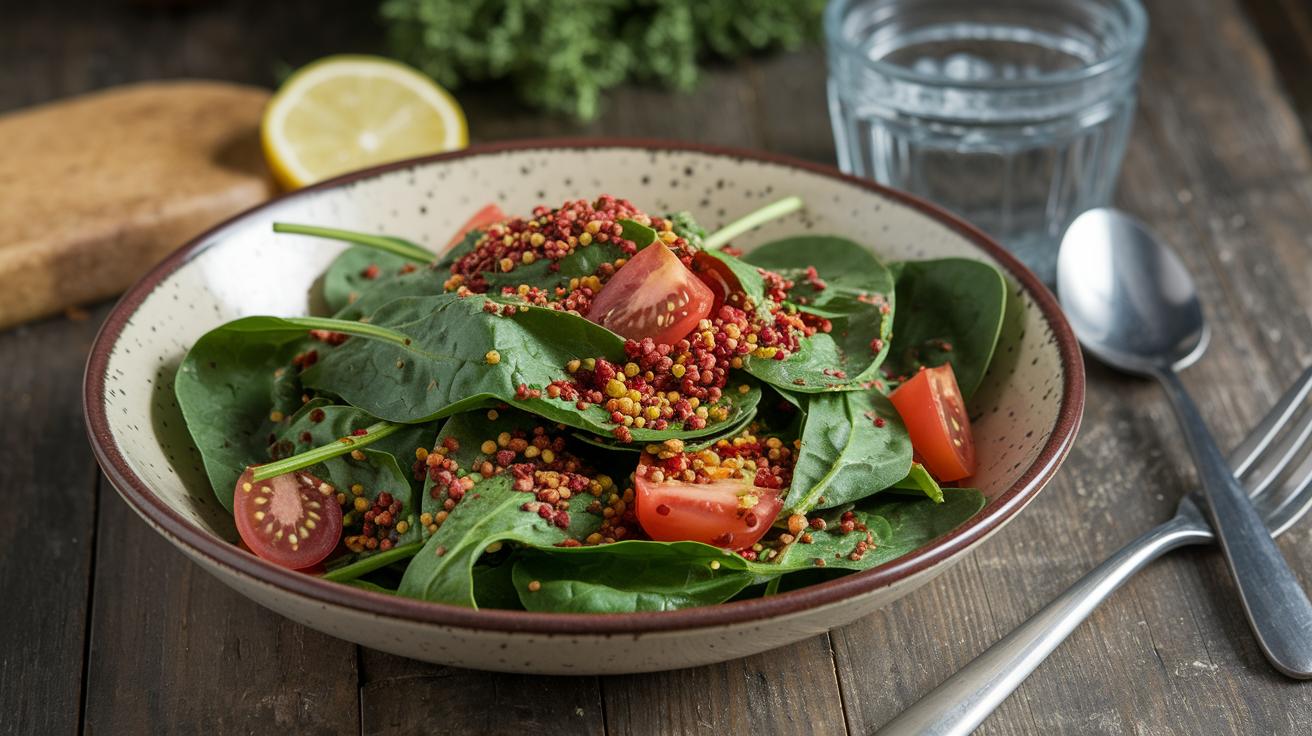
Antioxidants in fruits, vegetables, teas, and spices work like a trusty shield inside your body, helping your cells keep harmful free radicals in check. Think of bright foods like berries, red peppers, and leafy greens as little powerhouses loaded with natural nutrients that keep your body balanced. Ever notice how the color of your food hints at its benefits? A warm cup of green or black tea or a fresh salad with tomatoes and spinach are simple ways to tap into nature’s goodness. And spices like turmeric, ginger, cinnamon, and cloves add a burst of flavor while giving you that extra antioxidant boost.

Superfoods make this process even easier. For example, goji berries and spirulina, a blue-green algae that’s full of antioxidants, offer a concentrated hit of nutrients. Imagine blending spirulina into a berry smoothie for a drink that’s both refreshing and healthy. A splash of lemon and a few mint leaves can kick it up a notch, leaving you with a tasty treat that also supports your body’s defenses.

Adding these vibrant, antioxidant-rich foods into your meals is a fun and simple way to look after your health. Picture a mixed berry smoothie, a colorful salad, or a warm bowl of spiced vegetable soup as regular parts of your day. By choosing these foods, you’re not only treating your taste buds but also boosting your body’s natural resilience.

Incorporating Turmeric- and Ginger-Infused Cuisine

Turmeric contains a powerful compound called curcumin that helps keep inflammation at bay by lowering the levels of irritating molecules in your body. Meanwhile, ginger offers gingerols, which work to ease swelling. Small changes in your daily cooking can really lift how you feel.

Imagine stirring a dash of turmeric and ginger into your favorite stir-fry or mixing them into a warm, fragrant curry. You might also want to try making golden milk, just heat up some almond milk with a teaspoon of turmeric, a pinch of ginger, and a little honey. This soothing drink warms you up and works like a natural helper against inflammation.

Even a tiny sprinkle of these spices can turn a simple dish into an anti-inflammatory treat. For instance, did you know that just a dash of ginger in your soup might help reduce swelling, almost like a natural chill pill? Whether you’re whipping up a vibrant vegetable curry or a quick sauté, combining turmeric and ginger with lean proteins and colorful veggies turns your meal into a tasty defense against inflammation.

So, don’t hesitate to experiment with these flavors. A bit of culinary creativity with turmeric and ginger can boost not only the flavor of your meals but also your overall energy.

Balancing Macronutrients and Blood Sugar to Mitigate Swelling
img-3.jpg

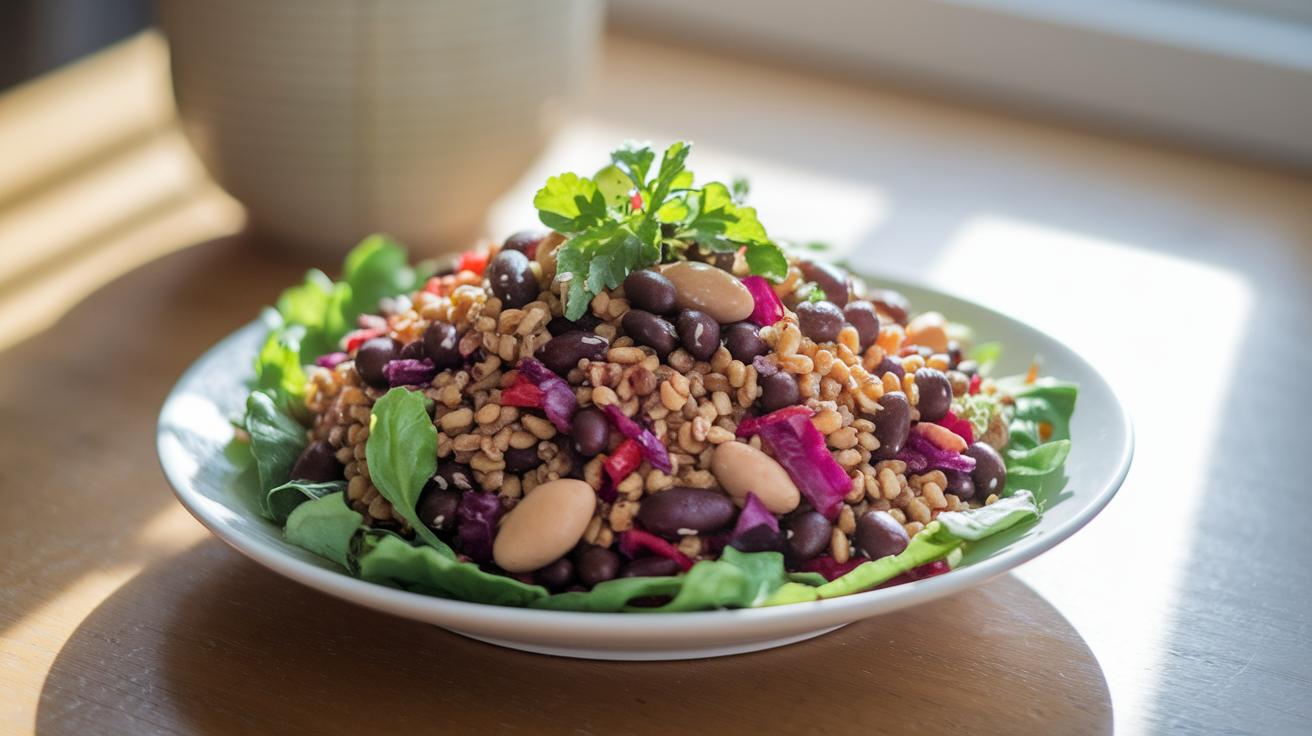
Eating a mix of carbohydrates, proteins, and fats helps keep your blood sugar steady and plays a big role in calming swelling. When you include foods like whole grains, legumes, lean meats, and healthy fats, your body releases energy gently throughout the day. High-fiber foods, for example, slow down how quickly your body takes in glucose. This means your insulin stays on an even keel.

Here's an interesting fact: just adding 25 grams of fiber each day can really make a difference. Women might aim for 25 grams while men might need around 38 grams. Foods such as beans and whole grains are great ways to reach that goal.

For a balanced approach that supports gradual energy release and keeps blood sugar under control, try these tips:

  • Choose whole grains rather than processed carbs.
  • Add legumes and fiber-rich vegetables to your meals.
  • Include lean proteins, which help repair muscles and keep energy balanced.
  • Use healthy fats like olive oil, especially when cooking at lower temperatures.

This kind of eating not only helps in keeping your blood sugar levels stable but also reduces overall inflammation. When you balance your macronutrients and fiber intake, you give your body a steady flow of energy and help ease inflammation over time.

Gut Health Optimization with Probiotics and Prebiotics

Strengthening your gut barrier can really change the game when it comes to reducing inflammation and ramping up your energy. A strong gut plays a key role in keeping your immune system balanced, and the first step is to feed your good bacteria with a probiotic-rich diet. For example, try having a bowl of yogurt, a glass of kefir, or even a bit of sauerkraut each day. Picture yourself tossing a bit of tangy sauerkraut into your salad, it’s not just tasty, it helps your digestion, too.

Next, add in some prebiotic fibers. These are like natural fertilizers for your gut garden. Foods such as onions, leeks, and asparagus provide the nourishment those beneficial bacteria need to thrive. When your gut environment is healthy, it helps lower the amount of inflammatory molecules produced right in your belly.

By enjoying a mix of fermented foods and prebiotic-packed veggies, you’re giving your digestive system the support it needs to run smoothly. Together, these choices create a nurturing habitat for your gut bacteria, which can lead to a more balanced immune system and less overall inflammation. It’s a delicious, everyday way to boost your wellness and keep your energy levels up.

Practical Anti-Inflammatory Meal and Snack Ideas
img-4.jpg

Start your day with a breakfast that fuels you and helps keep inflammation in check. Picture a fluffy 3-egg omelet mixed with about 1 cup of vibrant mushrooms and 1 cup of kale lightly sautéed in olive oil. This protein-rich start not only loads you up with essential nutrients but also calms inflammation with a healthy mix of vitamins and antioxidants.

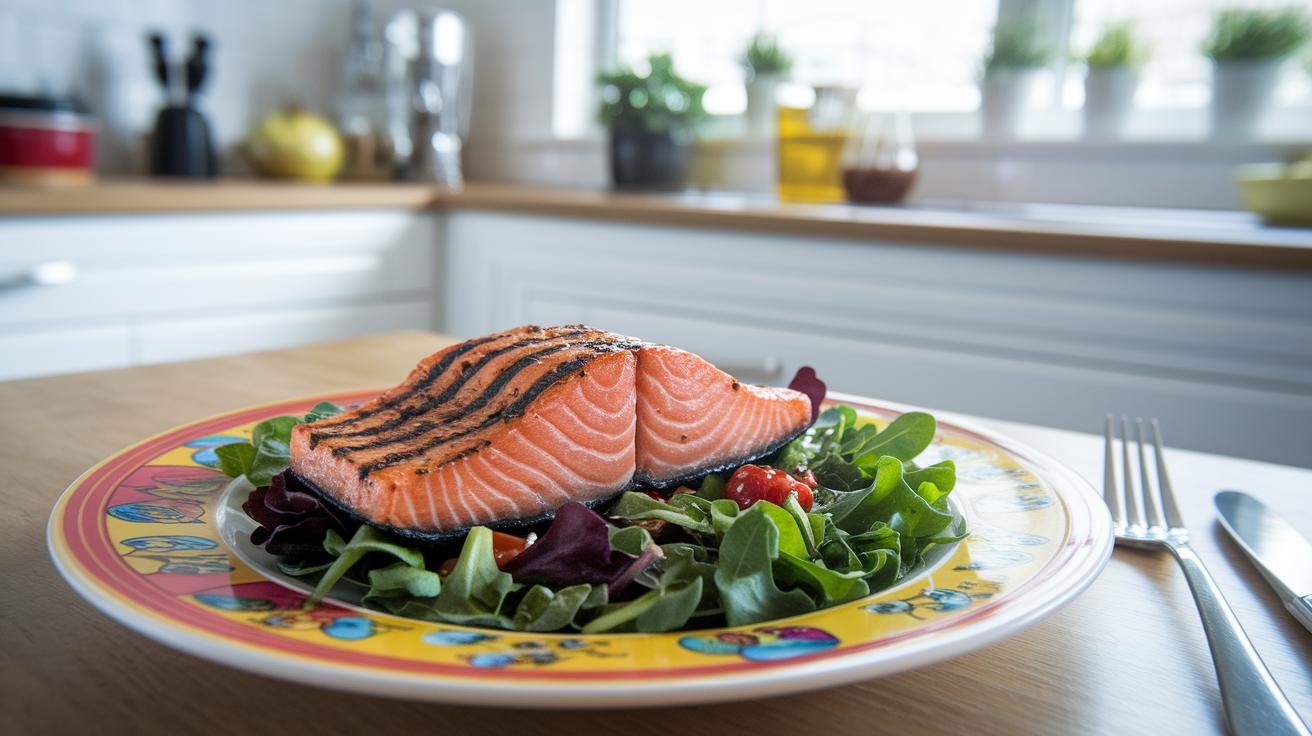
For lunch, why not enjoy a plate of grilled salmon resting on a bed of mixed greens, lightly drizzled with olive oil and vinegar? Here, omega-3 fatty acids (healthy fats that support your heart) team up with crisp veggies to boost your body’s natural defenses. It’s like a colorful salad that delights your taste buds and energizes you.

Dinner might be a warm chicken curry filled with generous chunks of sweet potato, cauliflower, and broccoli. This comforting dish blends lean protein with a rainbow of veggies to help ease your body’s inflammatory responses. Think of it as a cozy bowl of nourishment after a long day.

Between meals, grab a handful of mixed nuts and seeds or blend up a berry-spinach smoothie. Imagine the sweet burst of berries mixing with the gentle earthiness of spinach, a quick, refreshing snack that fuels you on the go.

If you’re after more ideas, check out our collection of whole foods recipes at https://factcheckx.com?p=258 for more inspiration to support an anti-inflammatory lifestyle.

Cooking Techniques to Preserve Anti-Inflammatory Nutrients

Cooking at low heat, like steaming or poaching, helps keep delicate antioxidants safe from high temperatures. Imagine gently steaming your broccoli or poaching a piece of salmon so it holds on to its natural inflammation-fighting goodness.

Adding a splash of extra virgin olive or avocado oil not only helps your food cook evenly but also brings its own anti-inflammatory benefits. Try drizzling a little avocado oil over your lightly steamed vegetables just before serving for that extra nutrient boost.

Using fresh, seasonal produce, either raw or lightly cooked, is another smart move. Picture a crisp salad with in-season greens or tender, lightly blanched sprouts that keep their powerful vitamins. These natural choices work together to ease inflammation and give you a real energy lift.

  • Experiment with low-heat cooking methods.
  • Use unsaturated oils to boost nutrient benefits.
  • Enjoy seasonal produce raw or barely cooked for maximum antioxidants.

Final Words

In the action, we explored nutritional strategies to reduce inflammation with practical tips and heartwarming ideas. We talked about embracing a balanced anti-inflammatory diet, boosting omega-3 intake, and savoring antioxidant-rich foods. Small cooking adjustments, simple spice infusions, and mindful gut health choices work together to ease chronic discomfort and promote wellness. Each step offers a way to nurture the body and support daily health. Keep experimenting with these nutritional strategies to reduce inflammation for a brighter, balanced future.

FAQ

Q: How to reduce inflammation in the body fast?

A: The approach to reducing inflammation quickly includes a nutrient-dense diet with whole fruits, vegetables, and omega-3 rich fish. This method, paired with mindful cooking practices, can help lower inflammation in a short time.

Q: What anti-inflammatory foods, drinks, and supplements can reduce inflammation?

A: The list of helpful choices features foods like berries, leafy greens, and fatty fish, drinks such as herbal teas, and supplements including curcumin and omega-3 fish oil—all of which work together to calm inflammation.

Q: What does a 21-day anti-inflammatory diet involve and how can it reduce gut inflammation quickly?

A: The 21-day diet plan stresses eating whole foods, high-fiber options, lean proteins, and fermented items to ease gut inflammation and promote overall inflammatory balance in a structured, effective timeframe.

Q: Which nutrients decrease inflammation and how do they work with nutrition to lower inflammation?

A: Key nutrients like omega-3 fatty acids, antioxidants, and fiber help reduce inflammation by supporting immune balance and gut health, making nutrition a powerful tool against chronic swelling.

Q: What types of foods worsen inflammation and should be avoided?

A: The foods most damaging for inflammation include processed items, refined sugars, and unhealthy fats that fuel inflammatory responses, meaning steering clear of these choices supports overall wellness.

Q: What is the best method to reduce inflammation overall?

A: The best method combines a balanced anti-inflammatory diet with lifestyle changes such as regular moderate exercise and stress reduction to encourage the body’s natural healing and control inflammation effectively.

Q: What is the #1 habit to break if you have inflammation?

A: The top habit to change is frequent consumption of processed and sugary foods, which significantly contribute to ongoing inflammatory responses and hinder efforts to maintain optimal health.

Q: What are the top anti-inflammatory foods recommended for a healthy diet?

A: The top recommendations include omega-3 rich fish, leafy greens, berries, and dishes featuring turmeric and ginger, along with whole grains and fermented foods, all of which work to naturally soothe inflammation.

Ever wonder if the food on your plate could be the key to feeling better? Inflammation, when your body feels achy and drained, might be eased with small changes in your diet.

Try adding a rainbow of fruits, plenty of leafy greens, and fish rich in omega nutrients. These choices help soothe inflammation and boost your energy naturally, kind of like giving your body a gentle reset.

Research suggests that these simple tweaks in what you eat can really make a difference in easing discomfort and lifting your everyday vitality. Stick with us as we explore how these little changes can benefit both your body and your mood.

Core Nutritional Strategies to Reduce Inflammation

Good nutrition helps ease chronic pain and boost energy by replacing outdated eating habits with whole, nutrient-packed foods. Ever heard that eating lots of fruits, veggies, and fatty fish can actually lower inflammation? Inflammation is often linked to ongoing discomfort and that feeling of sluggish energy. By choosing foods rich in antioxidants, you help your body fight off free radicals, those unstable molecules that create irritation and damage cells.

This dietary strategy works best when paired with regular exercise and stress management techniques. Research shows that a balanced diet supports your body’s natural inflammatory responses. Try to include at least six servings of different fruits and vegetables every day. For example, you might enjoy:

  • Fresh berries or oranges for a boost of vitamin C
  • Dark leafy greens like spinach or kale packed with nutrients
  • Fatty fish such as salmon for essential omega-3 fatty acids

Snacking on nuts, seeds, or lightly salted edamame is another easy way to add extra nutrients without spiking your blood sugar. The goal is to ensure you get a balanced mix of micronutrients to steadily reduce inflammation and maintain energy.

Food Group Daily Servings
Fruits & Vegetables 6+ servings
Whole Grains 3-4 servings

Even small, steady changes in your diet can lead to big improvements in your energy levels and pain management overall.

Essential Anti-Inflammatory Diet Principles

img-1.jpg

Try to include at least six ½-cup servings of fruits and veggies every day. These colorful choices, from bright oranges to deep greens, give you a mix of nutrients that support overall health. Fun fact: a handful of blueberries packs enough antioxidants to help calm harmful free radicals and ease inflammation.

When choosing carbohydrates, it’s best to pick high-fiber options. Go for whole grains like brown rice, quinoa, and oats instead of processed foods such as white pasta or breads. These whole foods help keep your blood sugar steady, support gut health, and provide long-lasting energy. For more on whole foods, check out this link: https://factcheckx.com?p=115

It’s also important to watch your intake of added sugars. Generally, men should keep under 9 teaspoons a day and women under 6. And if you’re having alcohol, try to limit it to one drink per day, since even small amounts can spark inflammation.

By blending nutrient-rich fruits, vegetables, lean whole grains, and a few treats, you create a balanced diet that supports steady energy levels and healthy cells. Little, informed choices like these can really help manage everyday inflammation and boost your vitality.

Harnessing Omega-3 Rich Meals for Inflammation Control

Omega-3 foods can really ease inflammation by helping balance your omega-6 to omega-3 ratio. Think of wild-caught fish like salmon, mackerel, or sardines as not only a tasty protein source for repairing your body but also as a way to calm inflammatory signals. Picture biting into a perfectly grilled salmon fillet that delights your taste buds while giving your cells the care they need.

Adding omega-3 enriched eggs along with plant sources such as flax, chia, hemp seeds, and walnuts is another fun way to boost these beneficial fats. These ingredients are super versatile, you can mix them into your breakfast cereal, blend them in a smoothie, or toss them in a salad. For a little tip: just sprinkle walnuts over your yogurt or stir a spoonful of chia seeds into your morning drink to give your meal an extra anti-inflammatory kick.

Lean proteins like chicken, turkey, and fish also play a key role, helping your body repair and recover tissues while teaming up with omega-3-rich foods. This smart combination not only fights inflammation but also keeps your energy levels up. It’s a delicious and sustainable approach to strengthening your body’s defenses against everyday challenges.

Integrating these omega-3 favorites into your meals is a small change that can make a big impact on your overall well-being. Enjoy the journey to better health, one tasty bite at a time.

Antioxidant Food Selection: Boosting Cellular Defense

img-2.jpg

Antioxidants in fruits, vegetables, teas, and spices work like a trusty shield inside your body, helping your cells keep harmful free radicals in check. Think of bright foods like berries, red peppers, and leafy greens as little powerhouses loaded with natural nutrients that keep your body balanced. Ever notice how the color of your food hints at its benefits? A warm cup of green or black tea or a fresh salad with tomatoes and spinach are simple ways to tap into nature’s goodness. And spices like turmeric, ginger, cinnamon, and cloves add a burst of flavor while giving you that extra antioxidant boost.

Superfoods make this process even easier. For example, goji berries and spirulina, a blue-green algae that’s full of antioxidants, offer a concentrated hit of nutrients. Imagine blending spirulina into a berry smoothie for a drink that’s both refreshing and healthy. A splash of lemon and a few mint leaves can kick it up a notch, leaving you with a tasty treat that also supports your body’s defenses.

Adding these vibrant, antioxidant-rich foods into your meals is a fun and simple way to look after your health. Picture a mixed berry smoothie, a colorful salad, or a warm bowl of spiced vegetable soup as regular parts of your day. By choosing these foods, you’re not only treating your taste buds but also boosting your body’s natural resilience.

Incorporating Turmeric- and Ginger-Infused Cuisine

Turmeric contains a powerful compound called curcumin that helps keep inflammation at bay by lowering the levels of irritating molecules in your body. Meanwhile, ginger offers gingerols, which work to ease swelling. Small changes in your daily cooking can really lift how you feel.

Imagine stirring a dash of turmeric and ginger into your favorite stir-fry or mixing them into a warm, fragrant curry. You might also want to try making golden milk, just heat up some almond milk with a teaspoon of turmeric, a pinch of ginger, and a little honey. This soothing drink warms you up and works like a natural helper against inflammation.

Even a tiny sprinkle of these spices can turn a simple dish into an anti-inflammatory treat. For instance, did you know that just a dash of ginger in your soup might help reduce swelling, almost like a natural chill pill? Whether you’re whipping up a vibrant vegetable curry or a quick sauté, combining turmeric and ginger with lean proteins and colorful veggies turns your meal into a tasty defense against inflammation.

So, don’t hesitate to experiment with these flavors. A bit of culinary creativity with turmeric and ginger can boost not only the flavor of your meals but also your overall energy.

Balancing Macronutrients and Blood Sugar to Mitigate Swelling

img-3.jpg

Eating a mix of carbohydrates, proteins, and fats helps keep your blood sugar steady and plays a big role in calming swelling. When you include foods like whole grains, legumes, lean meats, and healthy fats, your body releases energy gently throughout the day. High-fiber foods, for example, slow down how quickly your body takes in glucose. This means your insulin stays on an even keel.

Here's an interesting fact: just adding 25 grams of fiber each day can really make a difference. Women might aim for 25 grams while men might need around 38 grams. Foods such as beans and whole grains are great ways to reach that goal.

For a balanced approach that supports gradual energy release and keeps blood sugar under control, try these tips:

  • Choose whole grains rather than processed carbs.
  • Add legumes and fiber-rich vegetables to your meals.
  • Include lean proteins, which help repair muscles and keep energy balanced.
  • Use healthy fats like olive oil, especially when cooking at lower temperatures.

This kind of eating not only helps in keeping your blood sugar levels stable but also reduces overall inflammation. When you balance your macronutrients and fiber intake, you give your body a steady flow of energy and help ease inflammation over time.

Gut Health Optimization with Probiotics and Prebiotics

Strengthening your gut barrier can really change the game when it comes to reducing inflammation and ramping up your energy. A strong gut plays a key role in keeping your immune system balanced, and the first step is to feed your good bacteria with a probiotic-rich diet. For example, try having a bowl of yogurt, a glass of kefir, or even a bit of sauerkraut each day. Picture yourself tossing a bit of tangy sauerkraut into your salad, it’s not just tasty, it helps your digestion, too.

Next, add in some prebiotic fibers. These are like natural fertilizers for your gut garden. Foods such as onions, leeks, and asparagus provide the nourishment those beneficial bacteria need to thrive. When your gut environment is healthy, it helps lower the amount of inflammatory molecules produced right in your belly.

By enjoying a mix of fermented foods and prebiotic-packed veggies, you’re giving your digestive system the support it needs to run smoothly. Together, these choices create a nurturing habitat for your gut bacteria, which can lead to a more balanced immune system and less overall inflammation. It’s a delicious, everyday way to boost your wellness and keep your energy levels up.

Practical Anti-Inflammatory Meal and Snack Ideas

img-4.jpg

Start your day with a breakfast that fuels you and helps keep inflammation in check. Picture a fluffy 3-egg omelet mixed with about 1 cup of vibrant mushrooms and 1 cup of kale lightly sautéed in olive oil. This protein-rich start not only loads you up with essential nutrients but also calms inflammation with a healthy mix of vitamins and antioxidants.

For lunch, why not enjoy a plate of grilled salmon resting on a bed of mixed greens, lightly drizzled with olive oil and vinegar? Here, omega-3 fatty acids (healthy fats that support your heart) team up with crisp veggies to boost your body’s natural defenses. It’s like a colorful salad that delights your taste buds and energizes you.

Dinner might be a warm chicken curry filled with generous chunks of sweet potato, cauliflower, and broccoli. This comforting dish blends lean protein with a rainbow of veggies to help ease your body’s inflammatory responses. Think of it as a cozy bowl of nourishment after a long day.

Between meals, grab a handful of mixed nuts and seeds or blend up a berry-spinach smoothie. Imagine the sweet burst of berries mixing with the gentle earthiness of spinach, a quick, refreshing snack that fuels you on the go.

If you’re after more ideas, check out our collection of whole foods recipes at https://factcheckx.com?p=258 for more inspiration to support an anti-inflammatory lifestyle.

Cooking Techniques to Preserve Anti-Inflammatory Nutrients

Cooking at low heat, like steaming or poaching, helps keep delicate antioxidants safe from high temperatures. Imagine gently steaming your broccoli or poaching a piece of salmon so it holds on to its natural inflammation-fighting goodness.

Adding a splash of extra virgin olive or avocado oil not only helps your food cook evenly but also brings its own anti-inflammatory benefits. Try drizzling a little avocado oil over your lightly steamed vegetables just before serving for that extra nutrient boost.

Using fresh, seasonal produce, either raw or lightly cooked, is another smart move. Picture a crisp salad with in-season greens or tender, lightly blanched sprouts that keep their powerful vitamins. These natural choices work together to ease inflammation and give you a real energy lift.

  • Experiment with low-heat cooking methods.
  • Use unsaturated oils to boost nutrient benefits.
  • Enjoy seasonal produce raw or barely cooked for maximum antioxidants.

Final Words

In the action, we explored nutritional strategies to reduce inflammation with practical tips and heartwarming ideas. We talked about embracing a balanced anti-inflammatory diet, boosting omega-3 intake, and savoring antioxidant-rich foods. Small cooking adjustments, simple spice infusions, and mindful gut health choices work together to ease chronic discomfort and promote wellness. Each step offers a way to nurture the body and support daily health. Keep experimenting with these nutritional strategies to reduce inflammation for a brighter, balanced future.

FAQ

Q: How to reduce inflammation in the body fast?

A: The approach to reducing inflammation quickly includes a nutrient-dense diet with whole fruits, vegetables, and omega-3 rich fish. This method, paired with mindful cooking practices, can help lower inflammation in a short time.

Q: What anti-inflammatory foods, drinks, and supplements can reduce inflammation?

A: The list of helpful choices features foods like berries, leafy greens, and fatty fish, drinks such as herbal teas, and supplements including curcumin and omega-3 fish oil—all of which work together to calm inflammation.

Q: What does a 21-day anti-inflammatory diet involve and how can it reduce gut inflammation quickly?

A: The 21-day diet plan stresses eating whole foods, high-fiber options, lean proteins, and fermented items to ease gut inflammation and promote overall inflammatory balance in a structured, effective timeframe.

Q: Which nutrients decrease inflammation and how do they work with nutrition to lower inflammation?

A: Key nutrients like omega-3 fatty acids, antioxidants, and fiber help reduce inflammation by supporting immune balance and gut health, making nutrition a powerful tool against chronic swelling.

Q: What types of foods worsen inflammation and should be avoided?

A: The foods most damaging for inflammation include processed items, refined sugars, and unhealthy fats that fuel inflammatory responses, meaning steering clear of these choices supports overall wellness.

Q: What is the best method to reduce inflammation overall?

A: The best method combines a balanced anti-inflammatory diet with lifestyle changes such as regular moderate exercise and stress reduction to encourage the body’s natural healing and control inflammation effectively.

Q: What is the #1 habit to break if you have inflammation?

A: The top habit to change is frequent consumption of processed and sugary foods, which significantly contribute to ongoing inflammatory responses and hinder efforts to maintain optimal health.

Q: What are the top anti-inflammatory foods recommended for a healthy diet?

A: The top recommendations include omega-3 rich fish, leafy greens, berries, and dishes featuring turmeric and ginger, along with whole grains and fermented foods, all of which work to naturally soothe inflammation.

More from author

LEAVE A REPLY

Please enter your comment!
Please enter your name here

Related posts

Advertismentspot_img

Latest posts

How To Create A Daily Wellness Routine: Thriving

Curious about how to create a daily wellness routine that transforms your mornings and days? Read on as secrets await…

2 Daily Wellness Drink Tips For Radiance

Experience a daily wellness drink with natural herbs, green ingredients, and clinical backing that might change your routine forever, stay tuned.

Daily Wellness: Elevate Your Everyday Vitality

Daily wellness transforms everyday routines into mindful adjustments, merging nutrition, movement, and restorative sleep. What unforeseen practice awaits you next?

Want to stay up to date with the latest news?

We would love to hear from you! Please fill in your details and we will stay in touch. It's that simple!