Nutritional Strategies For Cancer Prevention: Empowering Diet Choices

Ever wondered if your dinner plate could be a powerful ally against cancer? Research suggests that filling it with a rainbow of fruits, veggies, lean proteins, and whole grains might help lower your risk. Think of each meal as a toolkit, with every food playing its part to protect and nurture your body. Today, we'll explore simple nutrition tips that make healthy eating a natural part of your life, one meal at a time.

Evidence-Based Nutritional Strategies to Reduce Cancer Risk

When we talk about keeping cancer at bay, there isn’t any magic food that does it all. Instead, it’s the whole diet that counts. Research shows that a meal plan filled with different fruits, vegetables, legumes, whole grains, lean meats, and low-fat dairy can really help lower cancer risk. Think of it like using a toolbox where each ingredient plays a special role. You’ve probably heard “eat the rainbow” before, it turns out that adding at least three different colors of produce every day, along with staying active, might reduce overall cancer risk by nearly 42%.

Studies point to whole-food diets as a winning strategy. These diets offer vitamins, antioxidants, and fiber that work together to calm inflammation, help balance blood sugar, and support healthy cells. Imagine a plate brimming with crisp vegetables, juicy fruits, and hearty whole grains; each bite adds up to more than just a meal, it’s like assembling a dream team where every player brings strength to fight cancer.

Top health experts, including those from the American Institute for Cancer Research and the FDA, back this balanced approach. They emphasize that even small shifts in what we eat can make a big difference over time. It’s amazing how simple swaps, like choosing mixed berries instead of processed snacks, can become powerful moves for long-term health.

Dietary Patterns and Whole Food Approaches in Cancer Prevention
img-1.jpg

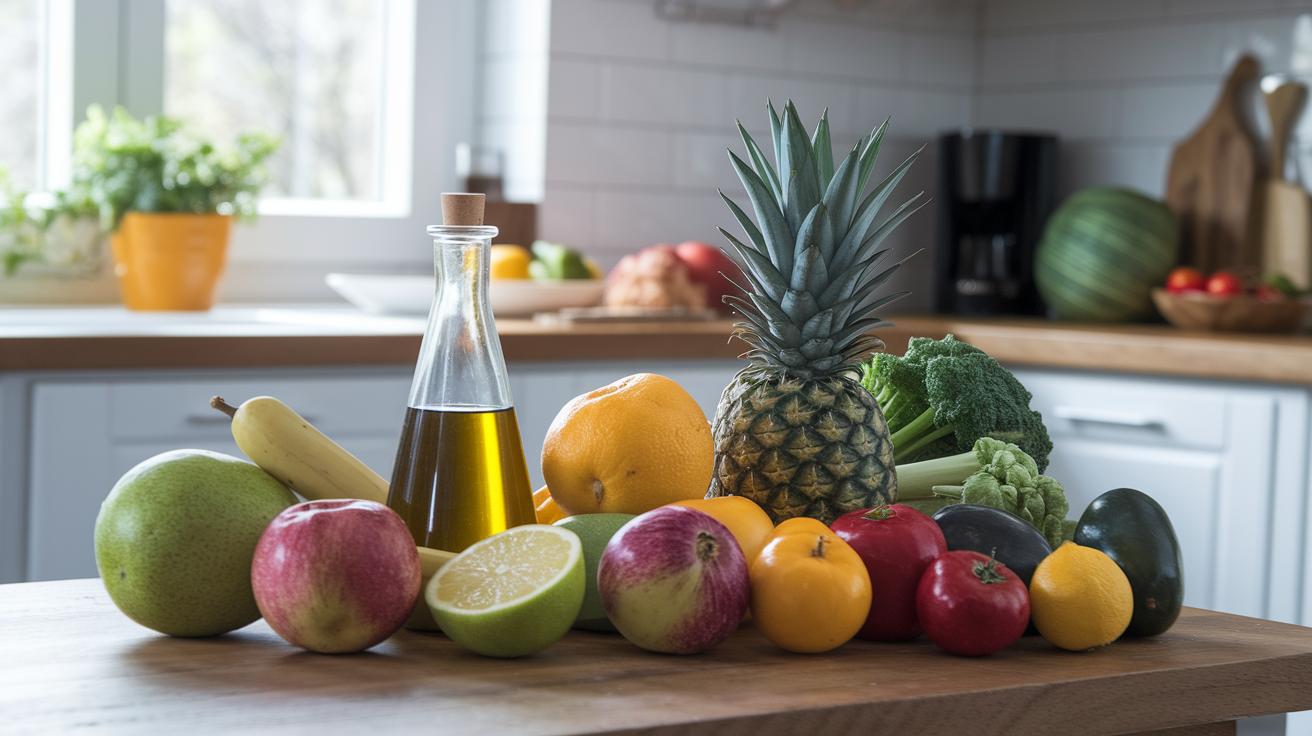
Choosing whole foods isn’t just about picking fruits and vegetables, it’s about putting together meals where each piece plays its part. A whole-food way of eating highlights bright fruits, wholesome grains, and hearty legumes that keep your gut happy and help balance blood sugar. When you lean toward a plant-based diet, you’re mixing in natural fiber, antioxidants, and important plant compounds that boost your cells’ defenses. That powerful mix, sometimes called nutrient synergy, shows that working together, these ingredients can protect you more than when they stand alone. Check out What Are Whole Foods? to learn more.

Mixing plant-based ideas with Mediterranean eating is an exciting way to lower your risk of cancer. Whole-food eating gives you a flexible plan that lets you change things up while still focusing on clean, nutrient-rich foods. Whether you add extra greens with every meal or swap refined grains for whole ones, every bite works toward your well-being. This mindful way of planning your meals not only nourishes your body but also turns everyday eating into a small act of prevention.

Mediterranean Diet Pattern

The Mediterranean diet is well-known for its healthy fats, wonderful polyphenols, and plenty of fiber. Typically, this pattern features plenty of olive oil for heart-friendly fats and fatty fish loaded with omega-3s to help keep your cells strong. Along with lean proteins, it includes legumes and even a little wine, offering a mix of antioxidants and plant compounds that can lower risks linked to colon, breast, and prostate cancers.

Plant-Based Whole-Food Pattern

A plant-based whole-food plan is all about enjoying a vibrant mix of fruits and vegetables, plus legumes and whole grains. This way of eating packs a punch with natural antioxidants and fibers that support a balanced gut and steady blood sugar. The natural combo of vitamins and minerals in these foods creates a nutrient synergy that boosts your body’s natural defenses against cell damage.

Dietary Pattern Key Cancer Prevention Benefits
Mediterranean Healthy fats, polyphenols, fiber
Plant-Based Whole Food Antioxidants, fiber, nutrient synergy

Crucial Micronutrients in Nutritional Cancer Prevention Strategies

Low vitamin D levels have been linked to a higher risk of cancers such as breast, colon, and prostate. Vitamin D helps your body keep cell growth in check and assists in cell repair (think of it like a caretaker making sure everything stays in order). A little extra vitamin D, either through a bit more sunshine or a safe supplement, might help those who need it most. But remember, it’s always wise to chat with your healthcare provider first.

Selenium and zinc are two small but mighty minerals that protect your DNA, the blueprint of your body, from damage. They help repair DNA and cut down on oxidative stress, which is like rust building on metal. Keeping these minerals in your diet supports your body’s natural defense and might lower the risk of cells turning harmful.

A mix of vitamins A, C, and E, along with other essential minerals, is also key for a solid cellular defense. For example, sticking to about 25 to 30 grams of fat per day can help your body absorb these fat-soluble vitamins better, without piling on extra weight. By adding a variety of nutrient-rich foods into your meals, you give your body the fuel it needs to repair and protect itself naturally.

Harnessing Anti-Inflammatory Foods and Phytochemical Benefits for Cancer Prevention Nutrition
img-2.jpg

Functional foods are whole foods loaded with natural goodies like antioxidants, omega-3 fats, and polyphenols. These components work together to ease inflammation by keeping cell cycles healthy and helping tissues feel less stressed. When we call them superfoods, we mean that they pack a serious punch with a mix of natural compounds that protect your cells from everyday challenges.

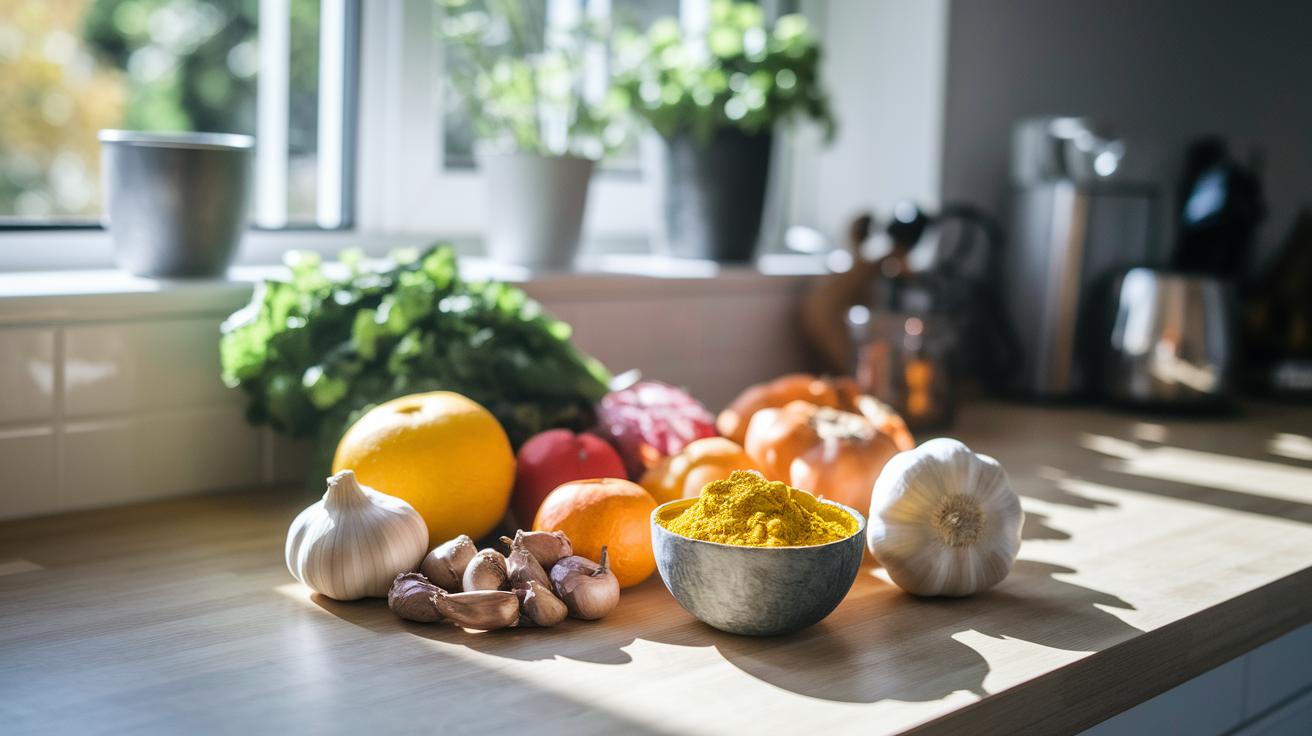
Take turmeric and garlic, for example. Turmeric contains curcumin, which many studies show can help calm inflammation, while garlic offers sulfur compounds that do similar work. Then there are vivid berries, crunchy cruciferous veggies, and even a soothing cup of green tea, all filled with helpful polyphenols. It’s almost like nature’s way of giving your body a gentle nudge to stay strong and balanced.

Antioxidants, found in these nutrient-rich foods, act like little bodyguards. They neutralize harmful molecules that can cause oxidative damage, keeping your cells in tip-top shape and ready to repair themselves. By adding these foods to your everyday meals, you’re taking a simple but effective step toward a diet that could lower the risk of cell damage and related conditions.

Enjoying a variety of these whole, natural foods might just be one of the easiest ways to support your body’s natural defenses and steer your health in a positive direction.

Limiting Nutritional Risk Factors: Sugar, Processed Meats, and Alcohol

Excess added sugars, processed meats, and alcohol can really put your body to the test. These items can disrupt how your cells work and may even set the stage for conditions known to increase cancer risk. Over time, enjoying these foods too much can contribute to weight gain, insulin resistance (that’s when your body doesn’t use insulin properly), and a higher chance of developing various cancers.

For instance:

Risk Factor Potential Impact
Excess sugar May lead to obesity and insulin resistance
Processed meats (like those that are salted, smoked, or preserved with nitrites) Could increase overall cancer risk
Cured, high-sodium products Associated with stomach cancer
Even moderate alcohol intake May raise risks for breast, head and neck, and esophageal cancers

So, what can you do? One smart move is to swap these higher-risk items for healthier alternatives. Try trading out sugary drinks for a cool glass of water or an unsweetened beverage, and choose fresh meats or plant-based proteins instead of processed varieties. If you do have a drink, consider enjoying it occasionally in small servings or opt for a non-alcoholic option.

These simple changes can give you a great sense of control over your health, reducing risk and making everyday choices work in your favor.

Planning Nutrient-Dense Meals and Safe Cooking Methods for Cancer Prevention Nutrition
img-3.jpg

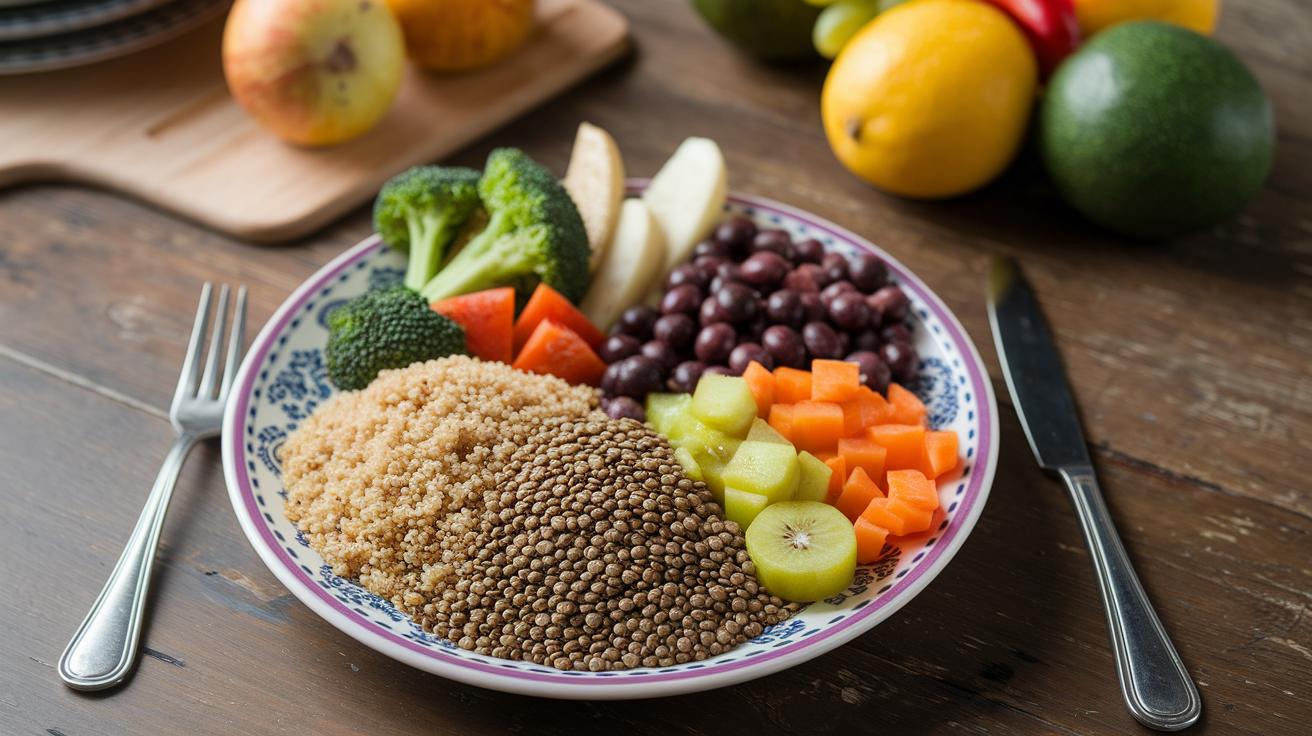
When planning meals that pack a nutrition punch, it’s smart to fill your plate with whole grains, legumes, fruits, and vegetables bursting with fiber. Fiber helps keep your tummy happy and even helps balance your blood sugar. For example, whole grains like quinoa or barley work like a steady fuel, while legumes such as lentils, chickpeas, and black beans add protein and a dose of soluble fiber that’s great for your colon.

Try this simple approach for a wholesome meal:

  • Start with at least one serving of whole grains.
  • Toss in a mix of legumes to boost both protein and fiber.
  • Fill half your plate with colorful fruits and veggies to enjoy plenty of antioxidants and natural vitamins.
  • Combine raw and lightly cooked vegetables to keep nutrients intact.
  • Enjoy high-fiber snacks, like a small handful of nuts or a smoothie loaded with fiber.

Using safe cooking strategies matters, too. Methods like steaming, poaching, or low-heat roasting preserve the natural goodness of your food and help keep away harmful compounds that can form when food is charred. This way, you can enjoy delicious meals without worrying about unwanted risks to your well-being.

Evaluating Supplements and Following Oncology Nutritional Guidelines in Cancer Prevention

Research on whether supplements can lower cancer risk has shown mixed results. Experts have noticed that many of these products aren’t closely monitored, which makes us worry about their safety. Sometimes, supplements can even interfere with cancer treatments. For example, although some superfood supplements claim that spirulina brings health benefits, clinical studies haven’t given a clear answer about its role in prevention. In short, relying on natural ingredients from whole foods appears to be a smarter way to help our bodies during treatment and recovery.

Nutrition experts and trusted organizations like AICR and the FDA advise against turning to supplements as a way to prevent cancer. They stress that a balanced diet packed with fresh, unprocessed foods is our best bet. Instead of seeking a quick fix in a pill, adding a variety of nutrient-rich foods to our daily meals supports healthy cells and reduces overall risk. This approach not only keeps us safe but also minimizes any unwanted interactions with treatments.

Personalized Nutrition Plans and Lifestyle Medicine for Cancer Prevention

img-4.jpg

When you tailor your diet, you're aligning what you eat with your body's own blueprint, its genes, the way you process food, and even the helpful bacteria in your gut. For instance, the eating plan that works well for a neighbor might not be ideal for you. When you combine a custom diet with regular movement, like a brisk walk or a bike ride, research shows you can cut your cancer risk by nearly 42%.

Working with a nutrition expert who understands your unique needs makes it easier to stick with healthy choices over time. Your everyday meals then become a smart tool for preventing illness. Mixing mindful eating with simple activities helps build a solid defense against cancer while laying the groundwork for overall well-being.

Essentially, this personalized approach transforms proven clinical insights into food choices that feel like they were made just for you.

Final Words

In the action, this post examined evidence-based approaches from whole food diets to safe cooking methods that support a balanced lifestyle and lower cancer risk. We broke down dietary patterns, micronutrient roles, and anti-inflammatory foods, along with tips for reducing risky ingredients while highlighting the expert-backed guidance on supplements and personalized planning.

Embracing nutritional strategies for cancer prevention helps integrate clinical research into daily wellness routines, leaving you with a hopeful and empowered outlook for healthier living.

FAQ

Q: What is the cancer prevention diet PDF?

A: The cancer prevention diet PDF outlines evidence-based nutrition strategies that stress a balanced intake of colorful fruits, vegetables, whole grains, lean proteins, and low-fat dairy to help lower cancer risk.

Q: What kills cancer cells in the body naturally?

A: The idea of naturally killing cancer cells refers to nutrients like antioxidants and phytochemicals, which are abundant in fruits, vegetables, and spices and help support the body’s cellular defenses.

Q: What does the nutrition for cancer patients guidelines PDF provide?

A: The nutrition for cancer patients guidelines PDF offers practical, expert-backed advice tailored to patient needs, emphasizing balanced meals rich in essential vitamins, fiber, and lean proteins.

Q: What are the top cancer-fighting foods?

A: The top cancer-fighting foods include berries, leafy greens, cruciferous vegetables, tomatoes, garlic, green tea, legumes, whole grains, citrus fruits, and nuts, each supplying critical antioxidants and nutrients.

Q: What are the 5 worst foods for cancer?

A: The five worst foods for increasing cancer risk generally include processed meats, high-sugar items, refined carbohydrates, high-sodium products, and heavily processed snacks, as they may foster inflammation and promote insulin resistance.

Q: What diet prevents cancer recurrence?

A: The diet to prevent cancer recurrence focuses on eating nutrient-dense foods that are rich in antioxidants, fiber, healthy fats, and lean proteins, while keeping portion sizes moderate to support optimal cellular repair.

Q: What do the American Cancer Society Nutrition Guidelines PDF state?

A: The American Cancer Society Nutrition Guidelines PDF details recommended dietary practices that emphasize a mix of fruits, vegetables, whole grains, lean proteins, and a reduction in processed food intake to help reduce cancer risk.

Q: What is the best nutrition for cancer prevention?

A: The best nutrition for cancer prevention centers on a balanced diet of whole foods, including a variety of colorful produce, lean proteins, whole grains, and healthy fats, paired with an active, healthy lifestyle.

Q: What are the dietary interventions for cancer prevention?

A: Dietary interventions for cancer prevention involve adopting plant-based or Mediterranean-style diets, reducing processed meats and sugars, ensuring sufficient micronutrient intake, and limiting alcohol consumption to lower risk.

Q: How does nutrition play a role in cancer prevention?

A: Nutrition plays a key role in cancer prevention by supplying antioxidants, reducing inflammation, and supporting cellular repair, which all contribute to a diet focused on whole, nutrient-rich foods.

Q: What are the nutritional guidelines for cancer patients?

A: Nutritional guidelines for cancer patients stress balanced meals with ample vitamins, minerals, and proteins, while steering clear of processed foods and ensuring proper hydration, all adapted to individual treatment requirements.

Ever wondered if your dinner plate could be a powerful ally against cancer? Research suggests that filling it with a rainbow of fruits, veggies, lean proteins, and whole grains might help lower your risk. Think of each meal as a toolkit, with every food playing its part to protect and nurture your body. Today, we'll explore simple nutrition tips that make healthy eating a natural part of your life, one meal at a time.

Evidence-Based Nutritional Strategies to Reduce Cancer Risk

When we talk about keeping cancer at bay, there isn’t any magic food that does it all. Instead, it’s the whole diet that counts. Research shows that a meal plan filled with different fruits, vegetables, legumes, whole grains, lean meats, and low-fat dairy can really help lower cancer risk. Think of it like using a toolbox where each ingredient plays a special role. You’ve probably heard “eat the rainbow” before, it turns out that adding at least three different colors of produce every day, along with staying active, might reduce overall cancer risk by nearly 42%.

Studies point to whole-food diets as a winning strategy. These diets offer vitamins, antioxidants, and fiber that work together to calm inflammation, help balance blood sugar, and support healthy cells. Imagine a plate brimming with crisp vegetables, juicy fruits, and hearty whole grains; each bite adds up to more than just a meal, it’s like assembling a dream team where every player brings strength to fight cancer.

Top health experts, including those from the American Institute for Cancer Research and the FDA, back this balanced approach. They emphasize that even small shifts in what we eat can make a big difference over time. It’s amazing how simple swaps, like choosing mixed berries instead of processed snacks, can become powerful moves for long-term health.

Dietary Patterns and Whole Food Approaches in Cancer Prevention

img-1.jpg

Choosing whole foods isn’t just about picking fruits and vegetables, it’s about putting together meals where each piece plays its part. A whole-food way of eating highlights bright fruits, wholesome grains, and hearty legumes that keep your gut happy and help balance blood sugar. When you lean toward a plant-based diet, you’re mixing in natural fiber, antioxidants, and important plant compounds that boost your cells’ defenses. That powerful mix, sometimes called nutrient synergy, shows that working together, these ingredients can protect you more than when they stand alone. Check out What Are Whole Foods? to learn more.

Mixing plant-based ideas with Mediterranean eating is an exciting way to lower your risk of cancer. Whole-food eating gives you a flexible plan that lets you change things up while still focusing on clean, nutrient-rich foods. Whether you add extra greens with every meal or swap refined grains for whole ones, every bite works toward your well-being. This mindful way of planning your meals not only nourishes your body but also turns everyday eating into a small act of prevention.

Mediterranean Diet Pattern

The Mediterranean diet is well-known for its healthy fats, wonderful polyphenols, and plenty of fiber. Typically, this pattern features plenty of olive oil for heart-friendly fats and fatty fish loaded with omega-3s to help keep your cells strong. Along with lean proteins, it includes legumes and even a little wine, offering a mix of antioxidants and plant compounds that can lower risks linked to colon, breast, and prostate cancers.

Plant-Based Whole-Food Pattern

A plant-based whole-food plan is all about enjoying a vibrant mix of fruits and vegetables, plus legumes and whole grains. This way of eating packs a punch with natural antioxidants and fibers that support a balanced gut and steady blood sugar. The natural combo of vitamins and minerals in these foods creates a nutrient synergy that boosts your body’s natural defenses against cell damage.

Dietary Pattern Key Cancer Prevention Benefits
Mediterranean Healthy fats, polyphenols, fiber
Plant-Based Whole Food Antioxidants, fiber, nutrient synergy

Crucial Micronutrients in Nutritional Cancer Prevention Strategies

Low vitamin D levels have been linked to a higher risk of cancers such as breast, colon, and prostate. Vitamin D helps your body keep cell growth in check and assists in cell repair (think of it like a caretaker making sure everything stays in order). A little extra vitamin D, either through a bit more sunshine or a safe supplement, might help those who need it most. But remember, it’s always wise to chat with your healthcare provider first.

Selenium and zinc are two small but mighty minerals that protect your DNA, the blueprint of your body, from damage. They help repair DNA and cut down on oxidative stress, which is like rust building on metal. Keeping these minerals in your diet supports your body’s natural defense and might lower the risk of cells turning harmful.

A mix of vitamins A, C, and E, along with other essential minerals, is also key for a solid cellular defense. For example, sticking to about 25 to 30 grams of fat per day can help your body absorb these fat-soluble vitamins better, without piling on extra weight. By adding a variety of nutrient-rich foods into your meals, you give your body the fuel it needs to repair and protect itself naturally.

Harnessing Anti-Inflammatory Foods and Phytochemical Benefits for Cancer Prevention Nutrition

img-2.jpg

Functional foods are whole foods loaded with natural goodies like antioxidants, omega-3 fats, and polyphenols. These components work together to ease inflammation by keeping cell cycles healthy and helping tissues feel less stressed. When we call them superfoods, we mean that they pack a serious punch with a mix of natural compounds that protect your cells from everyday challenges.

Take turmeric and garlic, for example. Turmeric contains curcumin, which many studies show can help calm inflammation, while garlic offers sulfur compounds that do similar work. Then there are vivid berries, crunchy cruciferous veggies, and even a soothing cup of green tea, all filled with helpful polyphenols. It’s almost like nature’s way of giving your body a gentle nudge to stay strong and balanced.

Antioxidants, found in these nutrient-rich foods, act like little bodyguards. They neutralize harmful molecules that can cause oxidative damage, keeping your cells in tip-top shape and ready to repair themselves. By adding these foods to your everyday meals, you’re taking a simple but effective step toward a diet that could lower the risk of cell damage and related conditions.

Enjoying a variety of these whole, natural foods might just be one of the easiest ways to support your body’s natural defenses and steer your health in a positive direction.

Limiting Nutritional Risk Factors: Sugar, Processed Meats, and Alcohol

Excess added sugars, processed meats, and alcohol can really put your body to the test. These items can disrupt how your cells work and may even set the stage for conditions known to increase cancer risk. Over time, enjoying these foods too much can contribute to weight gain, insulin resistance (that’s when your body doesn’t use insulin properly), and a higher chance of developing various cancers.

For instance:

Risk Factor Potential Impact
Excess sugar May lead to obesity and insulin resistance
Processed meats (like those that are salted, smoked, or preserved with nitrites) Could increase overall cancer risk
Cured, high-sodium products Associated with stomach cancer
Even moderate alcohol intake May raise risks for breast, head and neck, and esophageal cancers

So, what can you do? One smart move is to swap these higher-risk items for healthier alternatives. Try trading out sugary drinks for a cool glass of water or an unsweetened beverage, and choose fresh meats or plant-based proteins instead of processed varieties. If you do have a drink, consider enjoying it occasionally in small servings or opt for a non-alcoholic option.

These simple changes can give you a great sense of control over your health, reducing risk and making everyday choices work in your favor.

Planning Nutrient-Dense Meals and Safe Cooking Methods for Cancer Prevention Nutrition

img-3.jpg

When planning meals that pack a nutrition punch, it’s smart to fill your plate with whole grains, legumes, fruits, and vegetables bursting with fiber. Fiber helps keep your tummy happy and even helps balance your blood sugar. For example, whole grains like quinoa or barley work like a steady fuel, while legumes such as lentils, chickpeas, and black beans add protein and a dose of soluble fiber that’s great for your colon.

Try this simple approach for a wholesome meal:

  • Start with at least one serving of whole grains.
  • Toss in a mix of legumes to boost both protein and fiber.
  • Fill half your plate with colorful fruits and veggies to enjoy plenty of antioxidants and natural vitamins.
  • Combine raw and lightly cooked vegetables to keep nutrients intact.
  • Enjoy high-fiber snacks, like a small handful of nuts or a smoothie loaded with fiber.

Using safe cooking strategies matters, too. Methods like steaming, poaching, or low-heat roasting preserve the natural goodness of your food and help keep away harmful compounds that can form when food is charred. This way, you can enjoy delicious meals without worrying about unwanted risks to your well-being.

Evaluating Supplements and Following Oncology Nutritional Guidelines in Cancer Prevention

Research on whether supplements can lower cancer risk has shown mixed results. Experts have noticed that many of these products aren’t closely monitored, which makes us worry about their safety. Sometimes, supplements can even interfere with cancer treatments. For example, although some superfood supplements claim that spirulina brings health benefits, clinical studies haven’t given a clear answer about its role in prevention. In short, relying on natural ingredients from whole foods appears to be a smarter way to help our bodies during treatment and recovery.

Nutrition experts and trusted organizations like AICR and the FDA advise against turning to supplements as a way to prevent cancer. They stress that a balanced diet packed with fresh, unprocessed foods is our best bet. Instead of seeking a quick fix in a pill, adding a variety of nutrient-rich foods to our daily meals supports healthy cells and reduces overall risk. This approach not only keeps us safe but also minimizes any unwanted interactions with treatments.

Personalized Nutrition Plans and Lifestyle Medicine for Cancer Prevention

img-4.jpg

When you tailor your diet, you're aligning what you eat with your body's own blueprint, its genes, the way you process food, and even the helpful bacteria in your gut. For instance, the eating plan that works well for a neighbor might not be ideal for you. When you combine a custom diet with regular movement, like a brisk walk or a bike ride, research shows you can cut your cancer risk by nearly 42%.

Working with a nutrition expert who understands your unique needs makes it easier to stick with healthy choices over time. Your everyday meals then become a smart tool for preventing illness. Mixing mindful eating with simple activities helps build a solid defense against cancer while laying the groundwork for overall well-being.

Essentially, this personalized approach transforms proven clinical insights into food choices that feel like they were made just for you.

Final Words

In the action, this post examined evidence-based approaches from whole food diets to safe cooking methods that support a balanced lifestyle and lower cancer risk. We broke down dietary patterns, micronutrient roles, and anti-inflammatory foods, along with tips for reducing risky ingredients while highlighting the expert-backed guidance on supplements and personalized planning.

Embracing nutritional strategies for cancer prevention helps integrate clinical research into daily wellness routines, leaving you with a hopeful and empowered outlook for healthier living.

FAQ

Q: What is the cancer prevention diet PDF?

A: The cancer prevention diet PDF outlines evidence-based nutrition strategies that stress a balanced intake of colorful fruits, vegetables, whole grains, lean proteins, and low-fat dairy to help lower cancer risk.

Q: What kills cancer cells in the body naturally?

A: The idea of naturally killing cancer cells refers to nutrients like antioxidants and phytochemicals, which are abundant in fruits, vegetables, and spices and help support the body’s cellular defenses.

Q: What does the nutrition for cancer patients guidelines PDF provide?

A: The nutrition for cancer patients guidelines PDF offers practical, expert-backed advice tailored to patient needs, emphasizing balanced meals rich in essential vitamins, fiber, and lean proteins.

Q: What are the top cancer-fighting foods?

A: The top cancer-fighting foods include berries, leafy greens, cruciferous vegetables, tomatoes, garlic, green tea, legumes, whole grains, citrus fruits, and nuts, each supplying critical antioxidants and nutrients.

Q: What are the 5 worst foods for cancer?

A: The five worst foods for increasing cancer risk generally include processed meats, high-sugar items, refined carbohydrates, high-sodium products, and heavily processed snacks, as they may foster inflammation and promote insulin resistance.

Q: What diet prevents cancer recurrence?

A: The diet to prevent cancer recurrence focuses on eating nutrient-dense foods that are rich in antioxidants, fiber, healthy fats, and lean proteins, while keeping portion sizes moderate to support optimal cellular repair.

Q: What do the American Cancer Society Nutrition Guidelines PDF state?

A: The American Cancer Society Nutrition Guidelines PDF details recommended dietary practices that emphasize a mix of fruits, vegetables, whole grains, lean proteins, and a reduction in processed food intake to help reduce cancer risk.

Q: What is the best nutrition for cancer prevention?

A: The best nutrition for cancer prevention centers on a balanced diet of whole foods, including a variety of colorful produce, lean proteins, whole grains, and healthy fats, paired with an active, healthy lifestyle.

Q: What are the dietary interventions for cancer prevention?

A: Dietary interventions for cancer prevention involve adopting plant-based or Mediterranean-style diets, reducing processed meats and sugars, ensuring sufficient micronutrient intake, and limiting alcohol consumption to lower risk.

Q: How does nutrition play a role in cancer prevention?

A: Nutrition plays a key role in cancer prevention by supplying antioxidants, reducing inflammation, and supporting cellular repair, which all contribute to a diet focused on whole, nutrient-rich foods.

Q: What are the nutritional guidelines for cancer patients?

A: Nutritional guidelines for cancer patients stress balanced meals with ample vitamins, minerals, and proteins, while steering clear of processed foods and ensuring proper hydration, all adapted to individual treatment requirements.

More from author

LEAVE A REPLY

Please enter your comment!
Please enter your name here

Related posts

Advertismentspot_img

Latest posts

How To Create A Daily Wellness Routine: Thriving

Curious about how to create a daily wellness routine that transforms your mornings and days? Read on as secrets await…

2 Daily Wellness Drink Tips For Radiance

Experience a daily wellness drink with natural herbs, green ingredients, and clinical backing that might change your routine forever, stay tuned.

Daily Wellness: Elevate Your Everyday Vitality

Daily wellness transforms everyday routines into mindful adjustments, merging nutrition, movement, and restorative sleep. What unforeseen practice awaits you next?

Want to stay up to date with the latest news?

We would love to hear from you! Please fill in your details and we will stay in touch. It's that simple!