Translational Research Challenges: Igniting Clinical Promise

Have you ever thought about why a lab breakthrough might not become a real treatment? Sometimes, when scientists test new ideas, they run into unexpected challenges in everyday patient care. Even promising results can stall when budgets tighten and strict clinical rules add extra hurdles.

But there is hope. When researchers, doctors, and policy experts join forces, every challenge becomes a stepping stone. Together, they turn lab discoveries into real care that truly makes a difference.

Core Obstacles in Translational Research: The Path from Laboratory to Patient

Translational research is all about taking breakthrough lab discoveries and turning them into treatments that really work for patients. It’s like moving from the quiet of a controlled experiment into the bustling, unpredictable world of clinical care. Researchers often find that even the most promising lab results come with unexpected hurdles when applied in real-life settings.

This journey brims with hope and challenge. Collaborative efforts among scientists, clinicians, and policy experts are key to bridging the gap between basic research and practical treatment. Sure, innovative technologies and fresh ideas light the way, but technical snags and logistical puzzles frequently complicate the process.

• Funding limitations
• Regulatory approval complexities
• Preclinical validation challenges
Clinical trial design hurdles
Technology transfer barriers

Addressing these challenges means pulling together expertise from many fields, uniting academic insights, clinical experience, and community support. This combined approach smooths out issues in funding, regulations, and experiment design, boosting the chance that lab innovations will evolve into meaningful, patient-focused solutions.

Funding and Regulatory Complexities in Translational Research Challenges

img-1.jpg

Government grants and industry partnerships are go-to sources for many research teams. They help cover early studies with federal funds while private investments add the extra push needed to grow projects. However, these funds often come with strict budgets and changing priorities, which can slow progress. Interestingly, some groundbreaking studies began with less than a hundred thousand dollars before blossoming into multi-million dollar successes through steadfast collaborations.

Navigating the maze of regulatory requirements can feel overwhelming for researchers. Before any new treatment is tested on people, investigators must have early pre-IND chats and then complete a series of detailed reviews during Phase I, II, and III clinical trial stages. Each phase demands thorough data and strict performance checks to ensure treatments are both safe and effective. This process, although necessary, can extend the journey from the lab bench to the patient’s bedside.

At the same time, policy rules shape both how funding is allocated and how regulatory steps are set up. New legislative and administrative guidelines constantly influence the design of these pathways. In this ever-evolving environment, both public and private partners need to stay in sync to keep a steady flow of innovative clinical solutions moving forward.

Methodological and Preclinical Validation Challenges in Translational Research

Animal studies are a key part of turning lab research into treatments for people. Yet, many experiments face issues that make it hard to trust their early results. Sometimes a test that works well in one lab simply fails in another. For example, even when a test is repeated over and over, it might only function under very narrow conditions, leaving scientists puzzled. This sort of inconsistency, along with problems in scaling up, makes it tough for lab insights to move smoothly into clinical use.

Issues with validating biomarkers add another layer of difficulty. Biomarkers are measurements, like a blood test reading, that help predict if a treatment will work. Even tiny changes in how these tests are set up can impact the results. For instance, a small difference in the way a biomarker is measured might shift a study’s outcome, which can make us doubt its potential in real-world settings. All these challenges in experimental design and moving from research to patient care mean that researchers must work hard to fine-tune and clearly verify their early discoveries.

Collaboration and Communication Barriers in Biomedical Innovation Struggles

img-2.jpg

Working closely together is key. Academic researchers and clinical experts need strong partnerships, blending smart lab work with hands-on patient care. When these teams join forces, they spark fresh ideas that solve tough health challenges and turn lab discoveries into treatments that really work.

Sometimes, progress slows down because these groups work in separate silos with different goals. When academic and clinical teams function on their own, delays and mixed messages crop up. Without clear, effective health communication, research findings get scattered, making it hard to keep projects moving forward. This shows how crucial it is for everyone to share a common clinical vision.

A better conversation between disciplines can break down these barriers. Regular meetings, shared digital platforms, and joint planning sessions help align goals and build a supportive team culture. By setting up clear channels for feedback and collaborative decision-making, teams can work in sync and speed up the journey from innovative research to real clinical results.

Case Studies in Translational Research Challenges: NIH CTSA Consortium and Academic Centers

Taking a closer look at collaborative networks shows how sharing expertise can break down tough research barriers. When we explore examples like the NIH CTSA Consortium and top academic centers, it’s clear that teamwork helps turn lab breakthroughs into real-world care. In short, when institutions work together, clinical research picks up steam and practical solutions arise for community health issues.

NIH CTSA Consortium

Started in 2006, the NIH CTSA Consortium brought together nearly 60 institutions with a shared goal: speeding up clinical and translational science. This network operates with a cooperative structure that connects universities, research institutes, and healthcare providers seamlessly. By smoothing out communication and aligning goals across diverse teams, the consortium has helped transform lab findings into effective treatments that tackle broad health challenges. One researcher summed it up, saying, "Our discoveries turned into treatments because of this united effort," which really shows how powerful collaboration can be.

Duke and Penn Translational Medicine Centers

At Duke University and the University of Pennsylvania, specialized centers blend academic research directly with clinical care. These centers not only address individual conditions but also target larger community health issues, like reducing the emotional strain on children. Their integrated approach creates a constant feedback cycle between lab experiments and patient care, paving the way for innovations that make a real difference in public health.

Bridging Discovery-to-Treatment Gaps: Strategies to Overcome Translational Research Challenges
img-3.jpg

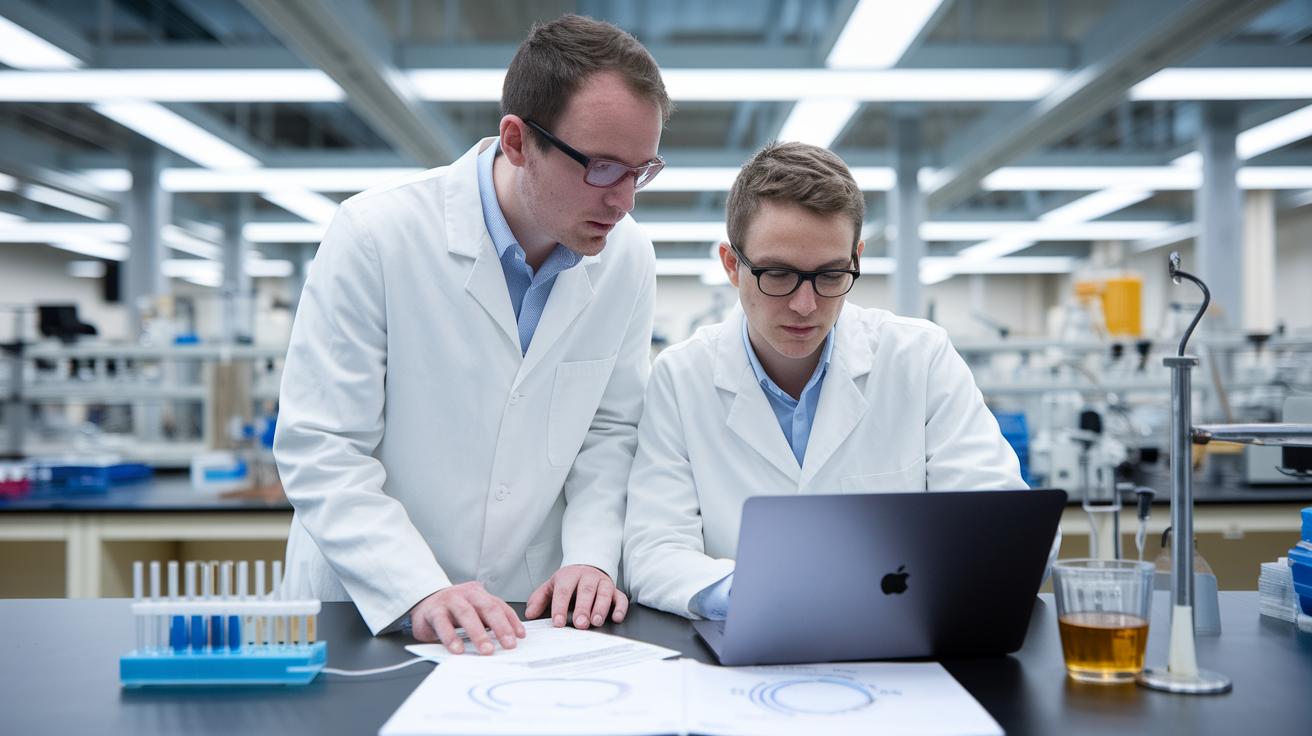
When researchers, clinicians, and industry experts work together, great things happen. Transforming laboratory breakthroughs into real-life patient care is like building a bridge from discovery to treatment. Clinicians sharing their day-to-day experiences can help scientists refine their ideas, making sure that every new therapy fits well with what patients truly need.

Connecting these experts encourages fresh trial designs and smart, tech-driven data sharing. In simple terms, using methods like adaptive trial design helps teams decide quickly if a treatment is working, while digital tools speed up sharing vital information from the lab to the patient’s bedside. This close collaboration means teams can spot patient needs early on and tweak their plans, which leads to faster and better trial outcomes. For example, adaptive trial design acts as a reliable clinical trial solution while digital health tech makes those crucial bench-to-bedside connections happen sooner.

Strategy Key Benefit
Adaptive Trial Design Quick decisions on treatment changes
Integrated Data Platforms Easy, secure information sharing
Public-Private Partnerships Pooling resources and expertise
Biomarker-Driven Validation Better ways to group patients for treatment

Keeping the conversation open among all these groups is vital. Regular feedback, almost like a team huddle, ensures that everyone has a say in how the project moves forward. This constant exchange helps fine-tune experimental designs so that each new idea meets real patient expectations. It’s a bit like checking in during a long road trip to ensure you’re still on the best route, adjusting when necessary to keep moving forward smoothly.

In short, by sharing insights early and often, teams can quickly adjust their strategies. This ongoing dialogue not only fine-tunes trial protocols but also cuts down needless delays. With regular updates, every step of the research cycle stays in sync with the dynamic world of clinical care. The result is a more promising and practical approach to turning discoveries into treatments that really work.

Final Words

In the action of bridging lab insights to patient care, the article touched on key obstacles like funding issues, regulatory complexities, animal model limitations, and communication gaps. It highlighted creative strategies from case studies and public-private partnerships that keep research moving forward.

A focus on collaborative innovation and practical steps shows that even when faced with translational research challenges, solutions exist to keep the flow from bench to bedside bright and promising.

FAQ

Q: What are the barriers to translation research?

A: The barriers to translation research include funding limitations, regulatory approval complexities, preclinical validation challenges, clinical trial design hurdles, and technology transfer issues that slow progress from lab findings to patient care.

Q: What is a translational challenge?

A: A translational challenge refers to the obstacles faced when converting basic research into clinical treatments, such as technical difficulties, experimental design issues, and gaps in interdisciplinary communication.

Q: What is one major challenge in translational pharmacology?

A: One major challenge in translational pharmacology is ensuring that laboratory results are reliably reproduced in clinical settings, often hindered by issues with model reproducibility and variability in patient responses.

Q: What is T1, T2, T3, and T4 translational research?

A: T1 through T4 translational research outlines stages starting from moving basic discoveries into early clinical testing (T1), refining treatments in controlled trials (T2), integrating findings into everyday practice (T3), to evaluating the treatment’s impact on public health (T4).

Have you ever thought about why a lab breakthrough might not become a real treatment? Sometimes, when scientists test new ideas, they run into unexpected challenges in everyday patient care. Even promising results can stall when budgets tighten and strict clinical rules add extra hurdles.

But there is hope. When researchers, doctors, and policy experts join forces, every challenge becomes a stepping stone. Together, they turn lab discoveries into real care that truly makes a difference.

Core Obstacles in Translational Research: The Path from Laboratory to Patient

Translational research is all about taking breakthrough lab discoveries and turning them into treatments that really work for patients. It’s like moving from the quiet of a controlled experiment into the bustling, unpredictable world of clinical care. Researchers often find that even the most promising lab results come with unexpected hurdles when applied in real-life settings.

This journey brims with hope and challenge. Collaborative efforts among scientists, clinicians, and policy experts are key to bridging the gap between basic research and practical treatment. Sure, innovative technologies and fresh ideas light the way, but technical snags and logistical puzzles frequently complicate the process.

• Funding limitations
• Regulatory approval complexities
• Preclinical validation challenges
Clinical trial design hurdles
Technology transfer barriers

Addressing these challenges means pulling together expertise from many fields, uniting academic insights, clinical experience, and community support. This combined approach smooths out issues in funding, regulations, and experiment design, boosting the chance that lab innovations will evolve into meaningful, patient-focused solutions.

Funding and Regulatory Complexities in Translational Research Challenges

img-1.jpg

Government grants and industry partnerships are go-to sources for many research teams. They help cover early studies with federal funds while private investments add the extra push needed to grow projects. However, these funds often come with strict budgets and changing priorities, which can slow progress. Interestingly, some groundbreaking studies began with less than a hundred thousand dollars before blossoming into multi-million dollar successes through steadfast collaborations.

Navigating the maze of regulatory requirements can feel overwhelming for researchers. Before any new treatment is tested on people, investigators must have early pre-IND chats and then complete a series of detailed reviews during Phase I, II, and III clinical trial stages. Each phase demands thorough data and strict performance checks to ensure treatments are both safe and effective. This process, although necessary, can extend the journey from the lab bench to the patient’s bedside.

At the same time, policy rules shape both how funding is allocated and how regulatory steps are set up. New legislative and administrative guidelines constantly influence the design of these pathways. In this ever-evolving environment, both public and private partners need to stay in sync to keep a steady flow of innovative clinical solutions moving forward.

Methodological and Preclinical Validation Challenges in Translational Research

Animal studies are a key part of turning lab research into treatments for people. Yet, many experiments face issues that make it hard to trust their early results. Sometimes a test that works well in one lab simply fails in another. For example, even when a test is repeated over and over, it might only function under very narrow conditions, leaving scientists puzzled. This sort of inconsistency, along with problems in scaling up, makes it tough for lab insights to move smoothly into clinical use.

Issues with validating biomarkers add another layer of difficulty. Biomarkers are measurements, like a blood test reading, that help predict if a treatment will work. Even tiny changes in how these tests are set up can impact the results. For instance, a small difference in the way a biomarker is measured might shift a study’s outcome, which can make us doubt its potential in real-world settings. All these challenges in experimental design and moving from research to patient care mean that researchers must work hard to fine-tune and clearly verify their early discoveries.

Collaboration and Communication Barriers in Biomedical Innovation Struggles

img-2.jpg

Working closely together is key. Academic researchers and clinical experts need strong partnerships, blending smart lab work with hands-on patient care. When these teams join forces, they spark fresh ideas that solve tough health challenges and turn lab discoveries into treatments that really work.

Sometimes, progress slows down because these groups work in separate silos with different goals. When academic and clinical teams function on their own, delays and mixed messages crop up. Without clear, effective health communication, research findings get scattered, making it hard to keep projects moving forward. This shows how crucial it is for everyone to share a common clinical vision.

A better conversation between disciplines can break down these barriers. Regular meetings, shared digital platforms, and joint planning sessions help align goals and build a supportive team culture. By setting up clear channels for feedback and collaborative decision-making, teams can work in sync and speed up the journey from innovative research to real clinical results.

Case Studies in Translational Research Challenges: NIH CTSA Consortium and Academic Centers

Taking a closer look at collaborative networks shows how sharing expertise can break down tough research barriers. When we explore examples like the NIH CTSA Consortium and top academic centers, it’s clear that teamwork helps turn lab breakthroughs into real-world care. In short, when institutions work together, clinical research picks up steam and practical solutions arise for community health issues.

NIH CTSA Consortium

Started in 2006, the NIH CTSA Consortium brought together nearly 60 institutions with a shared goal: speeding up clinical and translational science. This network operates with a cooperative structure that connects universities, research institutes, and healthcare providers seamlessly. By smoothing out communication and aligning goals across diverse teams, the consortium has helped transform lab findings into effective treatments that tackle broad health challenges. One researcher summed it up, saying, "Our discoveries turned into treatments because of this united effort," which really shows how powerful collaboration can be.

Duke and Penn Translational Medicine Centers

At Duke University and the University of Pennsylvania, specialized centers blend academic research directly with clinical care. These centers not only address individual conditions but also target larger community health issues, like reducing the emotional strain on children. Their integrated approach creates a constant feedback cycle between lab experiments and patient care, paving the way for innovations that make a real difference in public health.

Bridging Discovery-to-Treatment Gaps: Strategies to Overcome Translational Research Challenges

img-3.jpg

When researchers, clinicians, and industry experts work together, great things happen. Transforming laboratory breakthroughs into real-life patient care is like building a bridge from discovery to treatment. Clinicians sharing their day-to-day experiences can help scientists refine their ideas, making sure that every new therapy fits well with what patients truly need.

Connecting these experts encourages fresh trial designs and smart, tech-driven data sharing. In simple terms, using methods like adaptive trial design helps teams decide quickly if a treatment is working, while digital tools speed up sharing vital information from the lab to the patient’s bedside. This close collaboration means teams can spot patient needs early on and tweak their plans, which leads to faster and better trial outcomes. For example, adaptive trial design acts as a reliable clinical trial solution while digital health tech makes those crucial bench-to-bedside connections happen sooner.

Strategy Key Benefit
Adaptive Trial Design Quick decisions on treatment changes
Integrated Data Platforms Easy, secure information sharing
Public-Private Partnerships Pooling resources and expertise
Biomarker-Driven Validation Better ways to group patients for treatment

Keeping the conversation open among all these groups is vital. Regular feedback, almost like a team huddle, ensures that everyone has a say in how the project moves forward. This constant exchange helps fine-tune experimental designs so that each new idea meets real patient expectations. It’s a bit like checking in during a long road trip to ensure you’re still on the best route, adjusting when necessary to keep moving forward smoothly.

In short, by sharing insights early and often, teams can quickly adjust their strategies. This ongoing dialogue not only fine-tunes trial protocols but also cuts down needless delays. With regular updates, every step of the research cycle stays in sync with the dynamic world of clinical care. The result is a more promising and practical approach to turning discoveries into treatments that really work.

Final Words

In the action of bridging lab insights to patient care, the article touched on key obstacles like funding issues, regulatory complexities, animal model limitations, and communication gaps. It highlighted creative strategies from case studies and public-private partnerships that keep research moving forward.

A focus on collaborative innovation and practical steps shows that even when faced with translational research challenges, solutions exist to keep the flow from bench to bedside bright and promising.

FAQ

Q: What are the barriers to translation research?

A: The barriers to translation research include funding limitations, regulatory approval complexities, preclinical validation challenges, clinical trial design hurdles, and technology transfer issues that slow progress from lab findings to patient care.

Q: What is a translational challenge?

A: A translational challenge refers to the obstacles faced when converting basic research into clinical treatments, such as technical difficulties, experimental design issues, and gaps in interdisciplinary communication.

Q: What is one major challenge in translational pharmacology?

A: One major challenge in translational pharmacology is ensuring that laboratory results are reliably reproduced in clinical settings, often hindered by issues with model reproducibility and variability in patient responses.

Q: What is T1, T2, T3, and T4 translational research?

A: T1 through T4 translational research outlines stages starting from moving basic discoveries into early clinical testing (T1), refining treatments in controlled trials (T2), integrating findings into everyday practice (T3), to evaluating the treatment’s impact on public health (T4).

More from author

LEAVE A REPLY

Please enter your comment!
Please enter your name here

Related posts

Advertismentspot_img

Latest posts

How To Create A Daily Wellness Routine: Thriving

Curious about how to create a daily wellness routine that transforms your mornings and days? Read on as secrets await…

2 Daily Wellness Drink Tips For Radiance

Experience a daily wellness drink with natural herbs, green ingredients, and clinical backing that might change your routine forever, stay tuned.

Daily Wellness: Elevate Your Everyday Vitality

Daily wellness transforms everyday routines into mindful adjustments, merging nutrition, movement, and restorative sleep. What unforeseen practice awaits you next?

Want to stay up to date with the latest news?

We would love to hear from you! Please fill in your details and we will stay in touch. It's that simple!