7 Nutritional Strategies For Stress Management That Empower

Have you ever wondered if your meals might help you feel less stressed? Nearly one in five adults struggles with anxiety, so the food you choose might actually play a big part in calming you down. In this article, we explore seven easy nutritional tips to manage stress and boost your well-being. Imagine enjoying more fatty fish, juicy berries, crisp leafy greens, and other nourishing foods that give your brain the steady fuel it needs throughout the day. Stay with us to see how simple tweaks in your diet might help lower your daily stress levels.

Effective Nutritional Strategies to Manage Stress

Stress and anxiety affect so many of us, about 40 million adults, or nearly 18% of the population, experience anxiety disorders. But there’s good news: the foods we choose to eat can play a big role in easing these feelings. A diet centered on whole, fresh foods not only nourishes your body but can also help ease stress. In many cases, starting with a solid nutritional plan is just as important as traditional treatments in reducing anxiety. Have you noticed how a simple change in your meals can brighten your mood?

Think about eating in a Mediterranean or plant-forward style. These diets pack a punch by providing key nutrients that help your brain make mood-boosting chemicals while keeping your stress hormone, cortisol (the hormone your body produces when you’re stressed), in check. Plus, these balanced eating habits lead to stable blood sugar levels, meaning more steady energy throughout your day. For example, including antioxidant-rich foods, often dubbed “superfoods”, might help lower the inflammation and oxidative stress linked to anxiety.

Food Benefit
Fatty Fish Rich in omega-3 for better brain function
Berries Full of antioxidants to shield your cells from stress
Leafy Greens Loaded with magnesium, crucial for muscle and nerve health
Fermented Foods Boost gut-brain communication
Whole Grains Help keep blood sugar levels balanced
Nuts and Seeds Provide healthy fats for long-lasting energy
Adaptogenic Herbs May help adjust your body’s response to stress hormones

Mixing these foods into your daily routine creates a strong foundation for handling stress more effectively. By focusing on meals that nourish both body and mind, you build a practical strategy that complements other stress relief practices. It’s a simple, everyday approach that might just be the change you need for a calmer, healthier life.

Balancing Macronutrients for Mood Stabilization and Stress Regulation
img-1.jpg

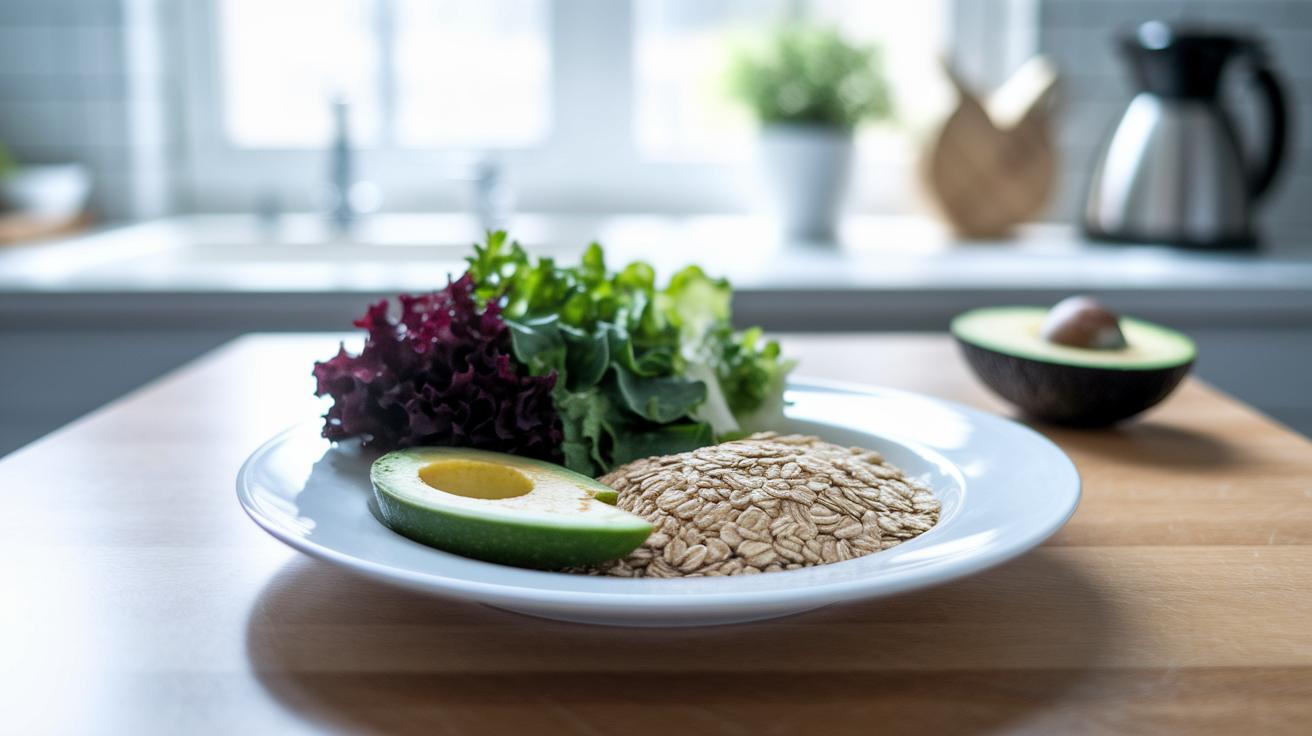
Getting your mix of carbohydrates, proteins, and fats right can really help keep your energy steady and your stress hormones under control. When your blood sugar stays stable, your body doesn’t feel the need to pump out extra cortisol, the hormone that kicks in when you're stressed. By adjusting what you eat, with a balanced plate of carbs, proteins, and fats, you set yourself up for smoother energy throughout the day, and this can even work hand in hand with traditional nutritional care.

For breakfast or any meal, choosing low-glycemic carbs like steel-cut oats or legumes is a smart move. These foods release energy slowly, meaning you’re less likely to see those sudden spikes in cortisol that can come from sugary options. In simple terms, a slow, steady flow of energy helps keep stress at bay and lets you feel more balanced overall.

And don’t forget about lean proteins and healthy fats. Options like poultry, tofu, avocado, and olive oil not only taste great but also play a big role in keeping your mood and hormones steady. They help keep your body’s stress response in check by supporting neurotransmitter function, so you feel calmer and more in control. Combined with other healthy lifestyle choices, these dietary tweaks can be a really practical way to support traditional approaches to managing anxiety.

Key Micronutrients That Enhance Emotional Balance

Micronutrients are small but mighty helpers that support how our brain makes feel-good chemicals like serotonin and dopamine. These nutrients ease stress by keeping our stress response in check and lighting up our mood. When life feels overwhelming or anxious, getting the right vitamins and minerals in your diet can really help steady your emotions.

Micronutrient Role in Stress Management Top Food Sources
Vitamin B6 Helps your brain produce serotonin and dopamine for a steadier mood Poultry, fish, bananas, potatoes
Magnesium Keeps stress hormones in check and supports healthy nerve function Leafy greens, nuts, seeds
Zinc Plays a part in brain signaling that may help ease anxiety Oysters, beef, pumpkin seeds
Vitamin C Boosts adrenal function and helps manage cortisol levels Citrus fruits, bell peppers, broccoli

If you’re thinking of adjusting your diet or adding supplements, it’s a good idea to check in with a professional, especially if your anxiety sticks around for more than a couple of weeks. A doctor can help you make safe, tailored changes to boost your emotional balance and overall well-being.

Adaptogenic Herbs and Botanical Supplements in Stress Management

img-2.jpg

Imagine a group of natural botanicals that gently help your body handle stress. That’s what adaptogens do. They work by speaking to your body’s stress control center, the HPA axis (think of it as your body’s command center for stress). Basically, adaptogens help smooth out the release of stress hormones like cortisol, so your body stays balanced. Studies even suggest that adding these herbs to your routine can ease anxiety and help you feel more relaxed.

You might have heard of ashwagandha, a popular adaptogen usually taken in doses of around 300–600 mg daily. Then there’s Rhodiola, which works well at about 200–400 mg per day. And don’t forget holy basil, available as a soothing tea or extract, small trials show it can make you feel calm. These herbs have been backed by research, making them a promising part of a natural approach to reducing anxiety.

It’s easy to fit adaptogens into your day. Mix them into a smoothie, brew them as a warm herbal tea, or take them in capsule form with your meals. This simple, flexible approach means you can enjoy the benefits of these stress-relieving botanicals without any fuss.

Probiotic and Prebiotic Foods for Gut-Brain Nourishment

Your gut and your brain are in constant conversation, and that chat plays a big role in shaping how you feel. The gut-brain axis links the digestive system to the brain, meaning that a happy belly can help ease stress and lift your mood. Research tells us that when you nourish your gut with the right foods, you might just feel calmer and less anxious.

Probiotic foods, think of items like yogurt, kefir, and sauerkraut, come packed with live cultures. These friendly microbes help support smooth digestion and can even encourage a more balanced, peaceful state of mind. It’s like having a gentle cooling breeze on a warm day. You might try mixing them into your morning smoothie or tossing a few in your lunchtime salad for an extra boost.

Then there are prebiotic fibers found in foods like garlic, onions, and asparagus. These natural fibers serve as food for the good bacteria in your gut, helping them thrive and keep everything running smoothly. By including prebiotic-rich foods in your meals, you’re giving your inner ecosystem the nourishment it needs to keep your mood steady and resilient against everyday stress.

Remember, small, tasty changes in your diet can lead to big improvements in how you feel. Enjoy the journey of nurturing a healthier, happier you!

Quick Snack and Meal Planning Tactics for Stress Control
img-3.jpg

When you blend protein, healthy fats, and mood-boosting ingredients, you give your body a steady burst of energy that can help ease stress. It’s like assembling a mini-meal that fuels you, keeping your blood sugar balanced and your mood uplifted. Whether you're rushing to work or grabbing a break, having your go-to nutrient-packed snack ready makes a real difference.

Planning ahead is simple and satisfying. For example, check out our collection of whole foods recipes for ideas that keep your snacks interesting and healthy.

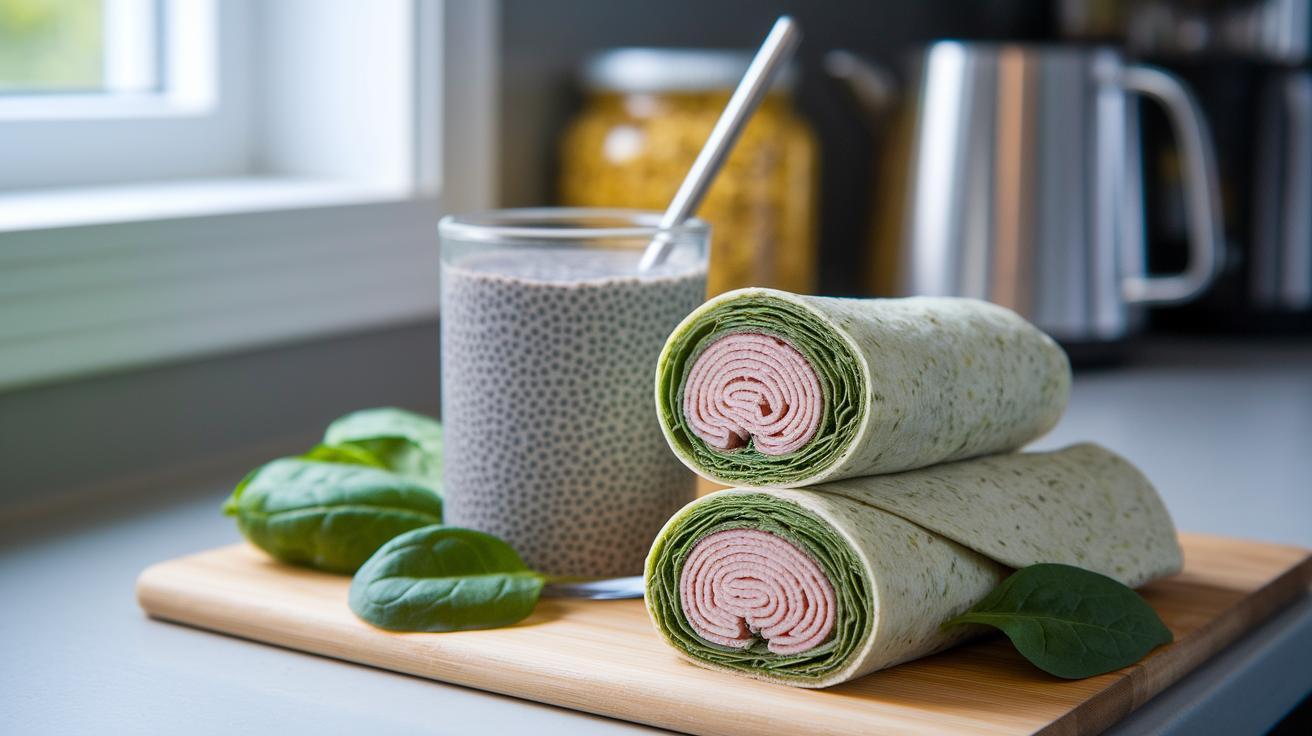
Imagine a turkey-spinach wrap on whole-grain lavash that mixes lean protein with fiber, or almond-turmeric energy balls that bring a sweet hit of antioxidants. Then, there’s chia-seed pudding with berries for when you crave something creamy, and roasted chickpea trail mix that gives you crunch and protein. A small bowl of cottage cheese with pineapple and flaxseed is another quick option that delivers protein and healthy fats in one go.

Each of these choices is a smart, tasty way to reduce stress while keeping your body happily nourished.

Hydration and Lifestyle Synergies with Nutritional Stress Strategies

Drinking enough water every day does more than quench your thirst; it can also help calm your mind. Imagine the cool, refreshing sip of water easing your stress like a quiet pause in a hectic day. Sipping herbal teas such as chamomile or lemon balm creates a small moment of peace, much like taking a mini-break in a cozy cup. Setting regular times for meals helps your body stay in rhythm, keeping your energy stable and stress in check.

Along with staying hydrated, try to enjoy mindful eating, consistent sleep, and a bit of light exercise each day. When you take time to savor every bite and listen to your body's hunger signals, you are nurturing both your digestion and your mood. A brief evening walk or a few minutes of quiet reflection before bed can work wonders for stabilizing your mood and magnifying the soothing benefits of a nutritious diet.

Final Words

In the action steps, we explored diet choices that ease stress by incorporating whole foods, balanced macronutrients, essential micronutrients, and adaptogenic herbs. We also touched on gut-brain nourishment and smart snack tips that blend science with everyday habits.

Each strategy contributes to nutritional strategies for stress management, transforming research into practical, daily routines. Embrace these tips, savor each mindful bite, and step confidently toward a calmer, healthier lifestyle.

FAQ

How does eating healthy reduce stress?

Eating healthy reduces stress by providing balanced nutrients that lower cortisol and support mood-regulating neurotransmitters, helping the body better manage everyday pressures and promote a sense of calm.

What are some key stress-relief foods and secret items to try?

Key foods include antioxidant-rich berries, omega-3 fatty fish, leafy greens for magnesium, probiotic yogurts, whole grains, nuts, and adaptogenic herbs—all of which help lower stress hormone levels.

How can nutrition support stress management?

Nutrition supports stress management by stabilizing blood sugar, balancing macronutrients, and supplying essential micronutrients that work together to regulate stress hormones and promote brain health.

What are healthy nutritional strategies for managing stress and anxiety?

Healthy strategies involve adopting whole-food patterns, such as Mediterranean or plant-based diets, that focus on low-glycemic, antioxidant-rich ingredients and nutrient-dense adaptogens to stabilize mood.

What diet options exist for stress and anxiety relief?

A diet for stress and anxiety incorporates foods like lean proteins, healthy fats, and fiber-rich carbohydrates alongside adaptogens and micronutrients, helping lower cortisol levels and support steady energy and mood.

What nutritional stress examples indicate a need for dietary change?

Nutritional stress examples, such as fatigue, mood swings, and unstable blood sugar, signal that the body may require better-balanced meals rich in vitamins and minerals to improve stress resilience.

What are effective stress management techniques related to nutrition?

Effective techniques include regular meal timing, smart snack planning with protein and healthy fats, and adding probiotic and prebiotic foods to support gut-brain communication and overall calmness.

What are the 4 A’s of stress management?

The 4 A’s consist of acknowledging, accepting, activating, and adapting, offering a simple framework to recognize stress triggers and develop healthier habits for improved emotional balance.

Where can I find nutrition and stress management PDF resources?

Nutrition and stress management PDFs often compile evidence-based guidance, detailed food lists, and practical dietary strategies to help reduce stress and foster a calmer, more balanced lifestyle.

Have you ever wondered if your meals might help you feel less stressed? Nearly one in five adults struggles with anxiety, so the food you choose might actually play a big part in calming you down. In this article, we explore seven easy nutritional tips to manage stress and boost your well-being. Imagine enjoying more fatty fish, juicy berries, crisp leafy greens, and other nourishing foods that give your brain the steady fuel it needs throughout the day. Stay with us to see how simple tweaks in your diet might help lower your daily stress levels.

Effective Nutritional Strategies to Manage Stress

Stress and anxiety affect so many of us, about 40 million adults, or nearly 18% of the population, experience anxiety disorders. But there’s good news: the foods we choose to eat can play a big role in easing these feelings. A diet centered on whole, fresh foods not only nourishes your body but can also help ease stress. In many cases, starting with a solid nutritional plan is just as important as traditional treatments in reducing anxiety. Have you noticed how a simple change in your meals can brighten your mood?

Think about eating in a Mediterranean or plant-forward style. These diets pack a punch by providing key nutrients that help your brain make mood-boosting chemicals while keeping your stress hormone, cortisol (the hormone your body produces when you’re stressed), in check. Plus, these balanced eating habits lead to stable blood sugar levels, meaning more steady energy throughout your day. For example, including antioxidant-rich foods, often dubbed “superfoods”, might help lower the inflammation and oxidative stress linked to anxiety.

Food Benefit
Fatty Fish Rich in omega-3 for better brain function
Berries Full of antioxidants to shield your cells from stress
Leafy Greens Loaded with magnesium, crucial for muscle and nerve health
Fermented Foods Boost gut-brain communication
Whole Grains Help keep blood sugar levels balanced
Nuts and Seeds Provide healthy fats for long-lasting energy
Adaptogenic Herbs May help adjust your body’s response to stress hormones

Mixing these foods into your daily routine creates a strong foundation for handling stress more effectively. By focusing on meals that nourish both body and mind, you build a practical strategy that complements other stress relief practices. It’s a simple, everyday approach that might just be the change you need for a calmer, healthier life.

Balancing Macronutrients for Mood Stabilization and Stress Regulation

img-1.jpg

Getting your mix of carbohydrates, proteins, and fats right can really help keep your energy steady and your stress hormones under control. When your blood sugar stays stable, your body doesn’t feel the need to pump out extra cortisol, the hormone that kicks in when you're stressed. By adjusting what you eat, with a balanced plate of carbs, proteins, and fats, you set yourself up for smoother energy throughout the day, and this can even work hand in hand with traditional nutritional care.

For breakfast or any meal, choosing low-glycemic carbs like steel-cut oats or legumes is a smart move. These foods release energy slowly, meaning you’re less likely to see those sudden spikes in cortisol that can come from sugary options. In simple terms, a slow, steady flow of energy helps keep stress at bay and lets you feel more balanced overall.

And don’t forget about lean proteins and healthy fats. Options like poultry, tofu, avocado, and olive oil not only taste great but also play a big role in keeping your mood and hormones steady. They help keep your body’s stress response in check by supporting neurotransmitter function, so you feel calmer and more in control. Combined with other healthy lifestyle choices, these dietary tweaks can be a really practical way to support traditional approaches to managing anxiety.

Key Micronutrients That Enhance Emotional Balance

Micronutrients are small but mighty helpers that support how our brain makes feel-good chemicals like serotonin and dopamine. These nutrients ease stress by keeping our stress response in check and lighting up our mood. When life feels overwhelming or anxious, getting the right vitamins and minerals in your diet can really help steady your emotions.

Micronutrient Role in Stress Management Top Food Sources
Vitamin B6 Helps your brain produce serotonin and dopamine for a steadier mood Poultry, fish, bananas, potatoes
Magnesium Keeps stress hormones in check and supports healthy nerve function Leafy greens, nuts, seeds
Zinc Plays a part in brain signaling that may help ease anxiety Oysters, beef, pumpkin seeds
Vitamin C Boosts adrenal function and helps manage cortisol levels Citrus fruits, bell peppers, broccoli

If you’re thinking of adjusting your diet or adding supplements, it’s a good idea to check in with a professional, especially if your anxiety sticks around for more than a couple of weeks. A doctor can help you make safe, tailored changes to boost your emotional balance and overall well-being.

Adaptogenic Herbs and Botanical Supplements in Stress Management

img-2.jpg

Imagine a group of natural botanicals that gently help your body handle stress. That’s what adaptogens do. They work by speaking to your body’s stress control center, the HPA axis (think of it as your body’s command center for stress). Basically, adaptogens help smooth out the release of stress hormones like cortisol, so your body stays balanced. Studies even suggest that adding these herbs to your routine can ease anxiety and help you feel more relaxed.

You might have heard of ashwagandha, a popular adaptogen usually taken in doses of around 300–600 mg daily. Then there’s Rhodiola, which works well at about 200–400 mg per day. And don’t forget holy basil, available as a soothing tea or extract, small trials show it can make you feel calm. These herbs have been backed by research, making them a promising part of a natural approach to reducing anxiety.

It’s easy to fit adaptogens into your day. Mix them into a smoothie, brew them as a warm herbal tea, or take them in capsule form with your meals. This simple, flexible approach means you can enjoy the benefits of these stress-relieving botanicals without any fuss.

Probiotic and Prebiotic Foods for Gut-Brain Nourishment

Your gut and your brain are in constant conversation, and that chat plays a big role in shaping how you feel. The gut-brain axis links the digestive system to the brain, meaning that a happy belly can help ease stress and lift your mood. Research tells us that when you nourish your gut with the right foods, you might just feel calmer and less anxious.

Probiotic foods, think of items like yogurt, kefir, and sauerkraut, come packed with live cultures. These friendly microbes help support smooth digestion and can even encourage a more balanced, peaceful state of mind. It’s like having a gentle cooling breeze on a warm day. You might try mixing them into your morning smoothie or tossing a few in your lunchtime salad for an extra boost.

Then there are prebiotic fibers found in foods like garlic, onions, and asparagus. These natural fibers serve as food for the good bacteria in your gut, helping them thrive and keep everything running smoothly. By including prebiotic-rich foods in your meals, you’re giving your inner ecosystem the nourishment it needs to keep your mood steady and resilient against everyday stress.

Remember, small, tasty changes in your diet can lead to big improvements in how you feel. Enjoy the journey of nurturing a healthier, happier you!

Quick Snack and Meal Planning Tactics for Stress Control

img-3.jpg

When you blend protein, healthy fats, and mood-boosting ingredients, you give your body a steady burst of energy that can help ease stress. It’s like assembling a mini-meal that fuels you, keeping your blood sugar balanced and your mood uplifted. Whether you're rushing to work or grabbing a break, having your go-to nutrient-packed snack ready makes a real difference.

Planning ahead is simple and satisfying. For example, check out our collection of whole foods recipes for ideas that keep your snacks interesting and healthy.

Imagine a turkey-spinach wrap on whole-grain lavash that mixes lean protein with fiber, or almond-turmeric energy balls that bring a sweet hit of antioxidants. Then, there’s chia-seed pudding with berries for when you crave something creamy, and roasted chickpea trail mix that gives you crunch and protein. A small bowl of cottage cheese with pineapple and flaxseed is another quick option that delivers protein and healthy fats in one go.

Each of these choices is a smart, tasty way to reduce stress while keeping your body happily nourished.

Hydration and Lifestyle Synergies with Nutritional Stress Strategies

Drinking enough water every day does more than quench your thirst; it can also help calm your mind. Imagine the cool, refreshing sip of water easing your stress like a quiet pause in a hectic day. Sipping herbal teas such as chamomile or lemon balm creates a small moment of peace, much like taking a mini-break in a cozy cup. Setting regular times for meals helps your body stay in rhythm, keeping your energy stable and stress in check.

Along with staying hydrated, try to enjoy mindful eating, consistent sleep, and a bit of light exercise each day. When you take time to savor every bite and listen to your body's hunger signals, you are nurturing both your digestion and your mood. A brief evening walk or a few minutes of quiet reflection before bed can work wonders for stabilizing your mood and magnifying the soothing benefits of a nutritious diet.

Final Words

In the action steps, we explored diet choices that ease stress by incorporating whole foods, balanced macronutrients, essential micronutrients, and adaptogenic herbs. We also touched on gut-brain nourishment and smart snack tips that blend science with everyday habits.

Each strategy contributes to nutritional strategies for stress management, transforming research into practical, daily routines. Embrace these tips, savor each mindful bite, and step confidently toward a calmer, healthier lifestyle.

FAQ

How does eating healthy reduce stress?

Eating healthy reduces stress by providing balanced nutrients that lower cortisol and support mood-regulating neurotransmitters, helping the body better manage everyday pressures and promote a sense of calm.

What are some key stress-relief foods and secret items to try?

Key foods include antioxidant-rich berries, omega-3 fatty fish, leafy greens for magnesium, probiotic yogurts, whole grains, nuts, and adaptogenic herbs—all of which help lower stress hormone levels.

How can nutrition support stress management?

Nutrition supports stress management by stabilizing blood sugar, balancing macronutrients, and supplying essential micronutrients that work together to regulate stress hormones and promote brain health.

What are healthy nutritional strategies for managing stress and anxiety?

Healthy strategies involve adopting whole-food patterns, such as Mediterranean or plant-based diets, that focus on low-glycemic, antioxidant-rich ingredients and nutrient-dense adaptogens to stabilize mood.

What diet options exist for stress and anxiety relief?

A diet for stress and anxiety incorporates foods like lean proteins, healthy fats, and fiber-rich carbohydrates alongside adaptogens and micronutrients, helping lower cortisol levels and support steady energy and mood.

What nutritional stress examples indicate a need for dietary change?

Nutritional stress examples, such as fatigue, mood swings, and unstable blood sugar, signal that the body may require better-balanced meals rich in vitamins and minerals to improve stress resilience.

What are effective stress management techniques related to nutrition?

Effective techniques include regular meal timing, smart snack planning with protein and healthy fats, and adding probiotic and prebiotic foods to support gut-brain communication and overall calmness.

What are the 4 A’s of stress management?

The 4 A’s consist of acknowledging, accepting, activating, and adapting, offering a simple framework to recognize stress triggers and develop healthier habits for improved emotional balance.

Where can I find nutrition and stress management PDF resources?

Nutrition and stress management PDFs often compile evidence-based guidance, detailed food lists, and practical dietary strategies to help reduce stress and foster a calmer, more balanced lifestyle.

More from author

LEAVE A REPLY

Please enter your comment!
Please enter your name here

Related posts

Advertismentspot_img

Latest posts

How To Create A Daily Wellness Routine: Thriving

Curious about how to create a daily wellness routine that transforms your mornings and days? Read on as secrets await…

2 Daily Wellness Drink Tips For Radiance

Experience a daily wellness drink with natural herbs, green ingredients, and clinical backing that might change your routine forever, stay tuned.

Daily Wellness: Elevate Your Everyday Vitality

Daily wellness transforms everyday routines into mindful adjustments, merging nutrition, movement, and restorative sleep. What unforeseen practice awaits you next?

Want to stay up to date with the latest news?

We would love to hear from you! Please fill in your details and we will stay in touch. It's that simple!