Have you ever wondered if the snacks you choose are truly healthy? Nutrient density means getting lots of vitamins, minerals, and other essential nutrients with every calorie you eat. Imagine biting into a crisp apple that not only refreshes you but also powers your body with the goodness it needs, instead of a sugary treat that leaves you wanting more. Instead of obsessing over calorie counts, focusing on nutrient-rich foods can guide you toward a healthier lifestyle. In this post, we'll break down what nutrient density is and why it matters every day.
Nutrient Density Defined: What It Means and Why It Matters
Think of nutrient density as a way to measure the goodness in your food, how many vitamins, minerals, complex carbs, healthy fats, and proteins you get for every calorie. It’s not just about energy like the usual calorie count. Imagine biting into a juicy apple that gives you the energy and the vital goodness your body craves, unlike a processed snack that only fills you up.
When we talk about nutrient density, both the big parts (like proteins, fats, and carbohydrates that give you energy and help build your body) and the little ones (the essential vitamins and minerals) matter a lot. Your body needs almost 40 different micronutrients to run smoothly, which is why eating foods full of these nutrients is so important. Even a small serving of something like chicken liver can pack a surprising punch of vitamin A.
There’s a big difference between whole foods and processed items. Fresh fruits, veggies, whole grains, full-fat dairy, wild-caught fish, grass-fed meats, pastured eggs, legumes, and nuts bring a burst of nutrients that support energy, healing, and overall wellness. On the other hand, many processed foods might give you extra calories but leave you lacking in the nourishment your body really needs.
Nutrient Density vs Caloric Density: Why Calorie Count Alone Falls Short

Ever wondered why just counting calories doesn’t give you the full picture? Energy density tells you how many calories are in a serving of food, but nutrient density goes further by showing how many vitamins, minerals, and other good-for-you components you get with those calories.
Empty calories are like a promise that doesn’t deliver, they fill you up but don’t support the important work your body does every day. When you swap out empty-calorie choices for nutrient-packed foods like crunchy fruits, dark leafy greens, hearty whole grains, or lean proteins, you’re choosing real value over mere quantity.
Think about it this way: swapping a bag of chips for a vibrant, colorful salad can power up your body with essential vitamins and minerals instead of just extra energy. It’s a quality-over-quantity approach that helps your body work better.
There are two handy ways to balance what you eat. One method is to go for low-calorie, high-vitamin foods that make sure every calorie counts. The other is to include higher-calorie options if they bring needed fiber, healthy fats, or amino acids, which are like building blocks for your muscles.
By considering both options, you’re not just staring at numbers, you’re making choices that nourish your whole body and support a healthy life.
Assessing Nutrient Density: How Food Scoring Methods Work
When we talk about nutrient density, it all starts with a pretty simple idea. You take a food’s mix of proteins, fats, carbohydrates, vitamins, and minerals and compare that to its calories, making sure you’re looking at the same serving size. In plain terms, you’re finding out just how much nutritional goodness is packed into each calorie.
Then there’s bioavailability. This word might sound a bit technical, but it simply means how well your body can actually use the nutrients in a food. Even if a food is loaded with vitamins and minerals on paper, not all of them might be absorbed the way you expect. Two items might have similar numbers, yet one could be more beneficial if its nutrients are easier for your body to grab and use.
Food scoring systems take these ideas and run with them. Experts use formulas that weigh all these nutrient ratios together, giving you a clear index to compare foods side by side. Think of it like reading product ratings, it cuts through all the complexity and helps you pick foods that really work for your health with every bite.
Examples of Nutrient-Dense Foods to Boost Your Diet
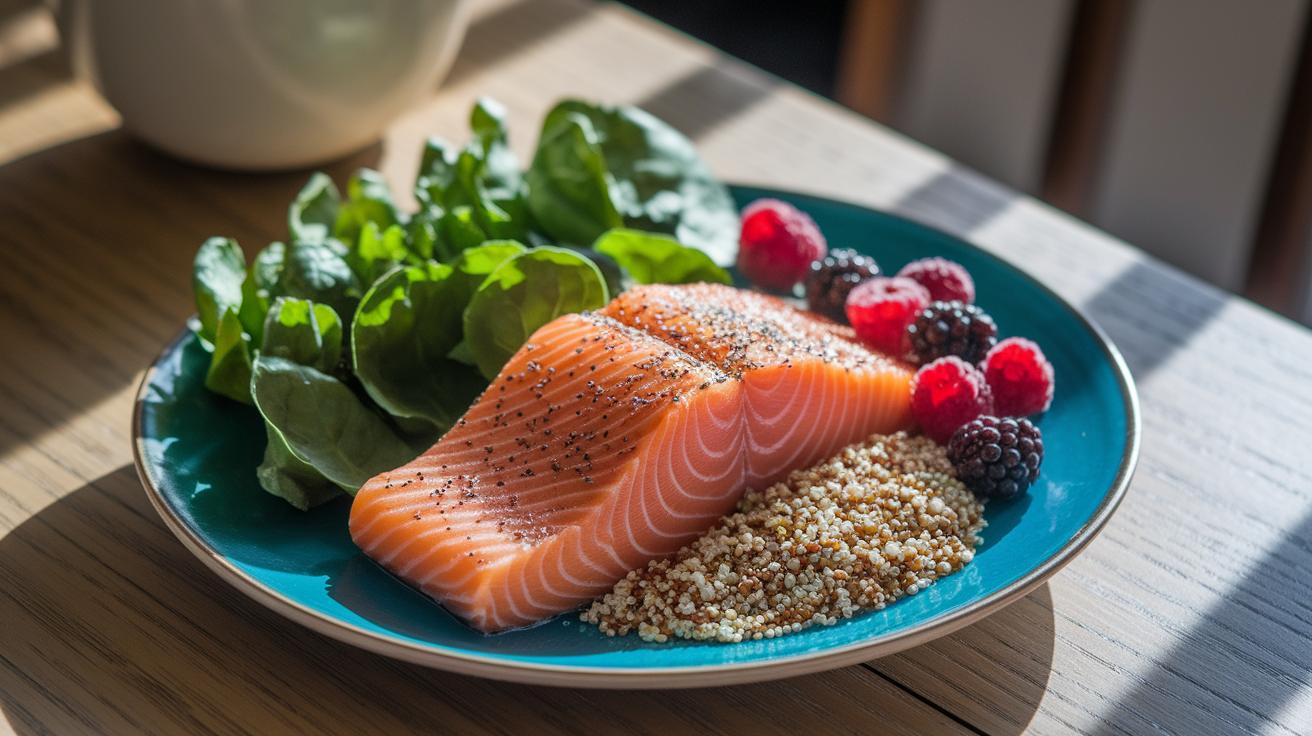
Nutrient-dense foods pack a serious nutritional punch. They’re filled with vitamins, minerals, fiber, and antioxidants that keep you feeling energized and balanced. Imagine starting your day by mixing a handful of berries into your yogurt, the sweet, tangy taste bursts with vitamin C for a refreshing kick.
Every food group has its own special perks. Dark leafy greens bring in iron and calcium, wild-caught seafood offers omega-3 fatty acids that help support a healthy heart, and nuts provide satisfying healthy fats. It’s fun to experiment with portions; you might try a modest piece of salmon or a full cup of leafy greens to see what works best for your body.
- Fruits
- Dark leafy greens
- Colorful vegetables
- Whole grains
- Full-fat dairy products
- Wild-caught seafood
- Grass-fed meats
- Pastured eggs
- Legumes
- Nuts
Meal Planning Strategies for a Nutrient-Dense Diet
When you plan your meals with nutrient-rich foods, you’re choosing ingredients that pack a powerful vitamin and mineral punch relative to their calories. This means every bite you take works to fuel your body while supporting your long-term health. You start by opting for whole, natural foods that form the building blocks of balanced meals.
Imagine your plate as a colorful pie. One slice has proteins, another healthy fats, while another holds complex carbs, and don’t forget the vibrant fruits and veggies that deliver essential micronutrients. Carefully sized portions help ensure your body gets the energy it needs without overloading on calories.
A handy trick is swapping processed foods with fresh, whole alternatives. Try adding a heap of leafy greens and a touch of healthy fats. Mix in lean proteins with a variety of plant foods, and you suddenly boost both the flavor and the nutrient quality of your dishes. This approach not only meets your nutritional requirements but also makes sticking to your diet more enjoyable.
For some extra help, check out this meal planning template: meal planning template. It provides easy-to-follow guidance on portion sizes and food pairings that work to maximize the vitamins, minerals, and other essential nutrients in every meal.
Final Words
In the action, we explored ways to explain nutrient density and how it contrasts with calorie count. The discussion covered food scoring methods, the balance between whole foods and processed items, and practical meal planning tips that make healthy eating accessible.
We also highlighted examples of nutrient-dense foods that can boost overall wellness and manage chronic conditions. Embrace these ideas as they help improve health with balanced, research-backed choices.
FAQ
What are some examples of nutrient-dense foods?
Nutrient-dense foods include fruits, vegetables, whole grains, wild-caught seafood, legumes, and pastured eggs that offer high vitamins and minerals per calorie.
What is the nutrient density formula or calculator?
The nutrient density formula measures the ratio of essential vitamins and minerals to calories, and a nutrient density calculator uses this ratio to help compare the nutritional value of different foods.
Why are nutrient-dense foods important and is high nutrient density good?
Nutrient-dense foods are important because they supply vital micronutrients and antioxidants needed for body function, and high nutrient density is beneficial for overall health.
What determines if a food has a high nutrient density?
A food’s nutrient density is determined by its concentration of vitamins, minerals, fiber, and antioxidants relative to its caloric content, indicating quality nutrition per calorie.
Do nutrient-dense foods keep you full and support weight loss?
Nutrient-dense foods often contain fiber and protein, which help keep you fuller for longer and support weight loss by providing essential nutrients without excess calories.