Bio Design Sparks Bold Eco Innovation

Have you ever wondered if nature might hold the secret plans for a smarter world? Bio design mixes the way living things work with modern technology and creative design to fix real problems while caring for our planet. Imagine a building that can repair itself just like tree bark does when it heals from a scrape. This clever idea helps cut down on waste and saves precious resources.

Instead of sticking with old methods, bio design rethinks every step of a product’s life, from its very start to the end. It shows us that a future made entirely from renewable materials, where every detail is planned with the whole life cycle in mind, isn’t just a possibility but something we can achieve soon.

Defining Bio Design: Core Concepts and Principles

Bio Design brings together biology, technology, and design to spark innovative ideas inspired by nature. It takes cues from the natural world, like a building material that can repair itself just like a tree's bark, to solve modern challenges in a smart and practical way. When we mix these fields, we create solutions that care for our planet while meeting our everyday needs.

This approach means thinking about a product’s entire life, from using renewable resources to planning for safe disposal or recycling. Experts in biology, engineering, and materials science band together like a diverse team where each person brings something special to the table. It’s a bit like piecing together a puzzle: every unique insight builds toward a solution that is stronger, more flexible, and gentle on the environment.

In short, Bio Design is all about replacing old ways with systems that help restore nature. By focusing on renewable materials and full lifecycle strategies, we can cut down waste and build a future where innovation and environmental care go hand in hand.

Bio Design Techniques: Biomimetic Innovation and Nature-Inspired Engineering
img-1.jpg

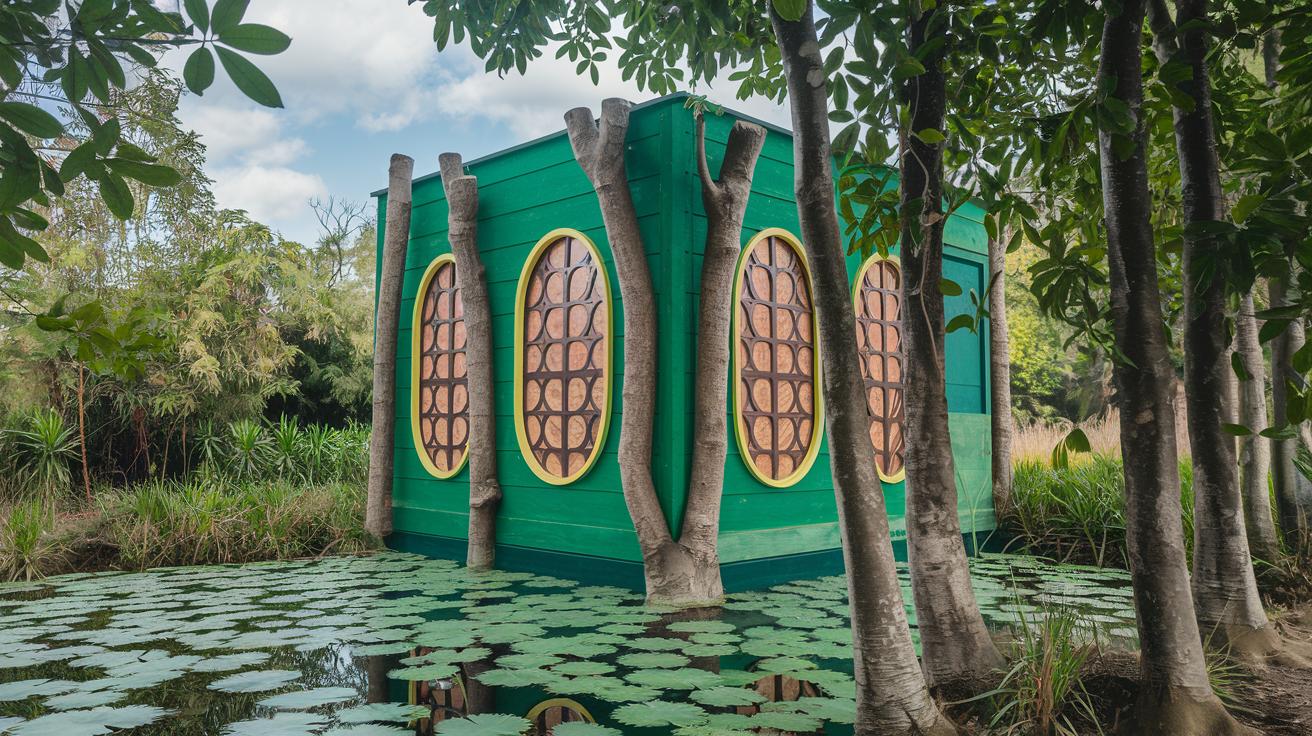
Nature is an incredible teacher when it comes to design. It offers patterns that have been refined over time, inspiring solutions that work in our everyday world. Imagine water gliding off like it does on a lotus leaf or air flowing efficiently just like the natural cooling in a termite mound. These examples show us how art and science come together to create smart, sustainable designs.

Think about these nature-inspired tricks:

  • lotus-effect surfaces
  • termite-mound ventilation
  • spider-silk–inspired fibers
  • shark-skin textures
  • butterfly-scale photonic colors
  • bone-structure lightweight frameworks

Each idea takes a cue from nature’s innate efficiency. When designers use these techniques, they help cut down on energy use and reduce waste. It’s like watching a well-rehearsed orchestra, where every instrument plays its part perfectly to create a beautiful, eco-friendly harmony.

Bio Design Applications: Cross-Industry Implementation

Across the fields of architecture and construction, bio design is sparking a fresh way to build our spaces. Designers are now turning to bio-based materials that mimic the textures and functions found in nature. Imagine walls that breathe or roofs that help keep interiors cool, just as living things adjust to their surroundings. By using natural designs like elements similar to tree bark, these buildings promote airflow and reduce the need for harsh cleaning chemicals. It’s a heartening mix of nature collaborating with technology, creating spaces that are both useful and kind to our earth.

In healthcare and energy, bio design is making waves by blending medical science with clever engineering. Bioengineered tissues and organs provide new treatment options that work in tune with the human body. At the same time, energy solutions are getting a natural twist. For example, microbial fuel cells and algae-based biofuels take inspiration from how nature naturally creates clean energy. These strategies not only lower harmful emissions but also set the stage for treatments that care as much about patients as they do about the planet. Think of it as building a healthcare system where therapies fit as seamlessly into your body as nature fits into daily life.

When it comes to agriculture and food production, bio design is changing the game by combining modern science with age-old farming practices. Techniques like precision farming use nature-inspired methods to boost crop yields without harming the land. Lab-grown ingredients and bioengineered crops are emerging as green alternatives to traditional practices, cutting down on waste and resource use. Picture a garden where every plant and process is designed to work together, making food production more efficient, sustainable, and ready for our changing world.

Bio Design Benefits and Challenges: Balancing Innovation and Practicality
img-2.jpg

Bio design offers clear, practical benefits by using biodegradable methods that naturally break down and reduce waste. You know, these techniques help keep production eco-friendly. For instance, adaptive reuse gives products a second life, cutting down the need for new materials, saving energy, and boosting material efficiency. Imagine a product that simply fades away after use, leaving the environment almost untouched. It’s a mix of science and creativity that supports healthier communities and conserves resources.

Still, there are some real challenges when you try to bring these ideas to life. Matching the performance of traditional materials with innovative alternatives is a constant test. Added pressures like costs and strict regulations can slow things down. And when experts from different fields work together, it sometimes feels like tuning a complex instrument where every part must play in harmony. Balancing these hurdles with the strong benefits remains at the heart of making bio design work in everyday life.

Benefit Challenge
Reduced waste Cost
Energy savings Regulation
Improved health Supply chains
Material efficiency Technical complexity
Lifecycle resilience Stakeholder alignment

Bio Design Case Studies: Successful Real-World Innovations

Researchers have found a clever way to turn everyday algae into clean, renewable fuel. They grow algae, even in wastewater, and transform it into biofuel that helps cut carbon emissions. Sometimes, they even use bacteria in special fuel cells to change waste into electricity. It’s like nature lending us a hand to power our lives without harming our planet.

Lab-grown meat is also changing the way we think about food. Imagine biting into a burger made in a lab that feels just as satisfying as one made the old-fashioned way. This method helps reduce the need for large farms, which in turn lowers greenhouse gas emissions. Alongside this, new fermentation techniques are being used to create high-quality proteins without using as much land or water.

In the world of construction, engineers are designing materials that act almost like living skin. These smart materials change their porosity with the humidity, helping to keep buildings comfortable. Plus, innovations like facades that adjust with the weather are making buildings more energy-efficient and environmentally friendly. In short, bio design is showing us how blending science and nature can create smart, sustainable solutions for everyday life.

img-3.jpg

Imagine building materials that seem almost alive, as if they can feel the warm glow of sunrise or the gentle caress of a cool evening breeze. Smart, adaptive materials are now being developed, capable of mending tiny scratches on their own, much like skin heals by itself. This breakthrough is creating spaces that adjust to weather changes, cut down on energy use, and blend more naturally with the world around us.

Circular and regenerative design ideas are also lighting the way to a future with hardly any waste. Picture a building crafted so you can recycle every bit of it at the end of its life, just as leaves fall and naturally decompose in a forest. This approach not only slashes waste but also keeps resources cycling back into use in a smooth, natural flow.

Now, think of an urban park where buildings curve like the soft bend of a leaf and even help clean the air. Designers are adding living touches to everyday structures, creating spaces that support our daily routines while nurturing the health of the environment. It's a move toward lively, self-sustaining places that care for both people and nature.

Final Words

In the action of the article, we explored how bio design weaves biology, technology, and design to create sustainable, eco-friendly solutions. We examined its core principles, nature-inspired techniques, and practical applications across industries like healthcare and agriculture.

We also touched on the balance between benefits and challenges, highlighting real-world case studies and emerging trends. Bio design continues to spark innovation and pave the way for a brighter, balanced future in health and wellness.

FAQ

What is the meaning of bio design?

The meaning of bio design is integrating biology, technology, and art to create solutions inspired by nature that are both innovative and sustainable, seamlessly blending design with environmental care.

What are some examples of bio design?

Bio design examples include algae-based biofuels, responsive building materials that adjust to humidity, and lab-grown meat, all of which demonstrate sustainable innovation inspired by natural processes.

How much is a biodesign pool?

The cost of a biodesign pool varies, influenced by factors like design complexity, materials used, and installation specifics, meaning pricing must be tailored to individual project needs.

Where can I study biodesign?

You can study biodesign at universities or institutes offering interdisciplinary programs that combine biology, engineering, and design, often featured in courses on sustainable architecture and eco-innovation.

What is bio design for Instagram and Facebook?

Bio design for Instagram and Facebook involves crafting creative profile bios that incorporate engaging layouts, typography, and design elements to reflect a personal or brand identity effectively.

What is a bio design pool?

A bio design pool uses nature-inspired concepts and sustainable methods to incorporate eco-friendly materials and efficient design principles, resulting in a pool that is as innovative as it is environmentally conscious.

What does bio design mean in fashion, style, and products?

In fashion, style, and products, bio design refers to creating items using sustainable materials and innovative design techniques, merging eco-friendliness with modern aesthetics for both form and function.

How is bio design applied in architecture?

Bio design in architecture employs natural forms and eco-friendly materials to create buildings that enhance energy efficiency and blend thoughtfully with their surroundings, resulting in structures that support environmental health.

Have you ever wondered if nature might hold the secret plans for a smarter world? Bio design mixes the way living things work with modern technology and creative design to fix real problems while caring for our planet. Imagine a building that can repair itself just like tree bark does when it heals from a scrape. This clever idea helps cut down on waste and saves precious resources.

Instead of sticking with old methods, bio design rethinks every step of a product’s life, from its very start to the end. It shows us that a future made entirely from renewable materials, where every detail is planned with the whole life cycle in mind, isn’t just a possibility but something we can achieve soon.

Defining Bio Design: Core Concepts and Principles

Bio Design brings together biology, technology, and design to spark innovative ideas inspired by nature. It takes cues from the natural world, like a building material that can repair itself just like a tree's bark, to solve modern challenges in a smart and practical way. When we mix these fields, we create solutions that care for our planet while meeting our everyday needs.

This approach means thinking about a product’s entire life, from using renewable resources to planning for safe disposal or recycling. Experts in biology, engineering, and materials science band together like a diverse team where each person brings something special to the table. It’s a bit like piecing together a puzzle: every unique insight builds toward a solution that is stronger, more flexible, and gentle on the environment.

In short, Bio Design is all about replacing old ways with systems that help restore nature. By focusing on renewable materials and full lifecycle strategies, we can cut down waste and build a future where innovation and environmental care go hand in hand.

Bio Design Techniques: Biomimetic Innovation and Nature-Inspired Engineering

img-1.jpg

Nature is an incredible teacher when it comes to design. It offers patterns that have been refined over time, inspiring solutions that work in our everyday world. Imagine water gliding off like it does on a lotus leaf or air flowing efficiently just like the natural cooling in a termite mound. These examples show us how art and science come together to create smart, sustainable designs.

Think about these nature-inspired tricks:

  • lotus-effect surfaces
  • termite-mound ventilation
  • spider-silk–inspired fibers
  • shark-skin textures
  • butterfly-scale photonic colors
  • bone-structure lightweight frameworks

Each idea takes a cue from nature’s innate efficiency. When designers use these techniques, they help cut down on energy use and reduce waste. It’s like watching a well-rehearsed orchestra, where every instrument plays its part perfectly to create a beautiful, eco-friendly harmony.

Bio Design Applications: Cross-Industry Implementation

Across the fields of architecture and construction, bio design is sparking a fresh way to build our spaces. Designers are now turning to bio-based materials that mimic the textures and functions found in nature. Imagine walls that breathe or roofs that help keep interiors cool, just as living things adjust to their surroundings. By using natural designs like elements similar to tree bark, these buildings promote airflow and reduce the need for harsh cleaning chemicals. It’s a heartening mix of nature collaborating with technology, creating spaces that are both useful and kind to our earth.

In healthcare and energy, bio design is making waves by blending medical science with clever engineering. Bioengineered tissues and organs provide new treatment options that work in tune with the human body. At the same time, energy solutions are getting a natural twist. For example, microbial fuel cells and algae-based biofuels take inspiration from how nature naturally creates clean energy. These strategies not only lower harmful emissions but also set the stage for treatments that care as much about patients as they do about the planet. Think of it as building a healthcare system where therapies fit as seamlessly into your body as nature fits into daily life.

When it comes to agriculture and food production, bio design is changing the game by combining modern science with age-old farming practices. Techniques like precision farming use nature-inspired methods to boost crop yields without harming the land. Lab-grown ingredients and bioengineered crops are emerging as green alternatives to traditional practices, cutting down on waste and resource use. Picture a garden where every plant and process is designed to work together, making food production more efficient, sustainable, and ready for our changing world.

Bio Design Benefits and Challenges: Balancing Innovation and Practicality

img-2.jpg

Bio design offers clear, practical benefits by using biodegradable methods that naturally break down and reduce waste. You know, these techniques help keep production eco-friendly. For instance, adaptive reuse gives products a second life, cutting down the need for new materials, saving energy, and boosting material efficiency. Imagine a product that simply fades away after use, leaving the environment almost untouched. It’s a mix of science and creativity that supports healthier communities and conserves resources.

Still, there are some real challenges when you try to bring these ideas to life. Matching the performance of traditional materials with innovative alternatives is a constant test. Added pressures like costs and strict regulations can slow things down. And when experts from different fields work together, it sometimes feels like tuning a complex instrument where every part must play in harmony. Balancing these hurdles with the strong benefits remains at the heart of making bio design work in everyday life.

Benefit Challenge
Reduced waste Cost
Energy savings Regulation
Improved health Supply chains
Material efficiency Technical complexity
Lifecycle resilience Stakeholder alignment

Bio Design Case Studies: Successful Real-World Innovations

Researchers have found a clever way to turn everyday algae into clean, renewable fuel. They grow algae, even in wastewater, and transform it into biofuel that helps cut carbon emissions. Sometimes, they even use bacteria in special fuel cells to change waste into electricity. It’s like nature lending us a hand to power our lives without harming our planet.

Lab-grown meat is also changing the way we think about food. Imagine biting into a burger made in a lab that feels just as satisfying as one made the old-fashioned way. This method helps reduce the need for large farms, which in turn lowers greenhouse gas emissions. Alongside this, new fermentation techniques are being used to create high-quality proteins without using as much land or water.

In the world of construction, engineers are designing materials that act almost like living skin. These smart materials change their porosity with the humidity, helping to keep buildings comfortable. Plus, innovations like facades that adjust with the weather are making buildings more energy-efficient and environmentally friendly. In short, bio design is showing us how blending science and nature can create smart, sustainable solutions for everyday life.

img-3.jpg

Imagine building materials that seem almost alive, as if they can feel the warm glow of sunrise or the gentle caress of a cool evening breeze. Smart, adaptive materials are now being developed, capable of mending tiny scratches on their own, much like skin heals by itself. This breakthrough is creating spaces that adjust to weather changes, cut down on energy use, and blend more naturally with the world around us.

Circular and regenerative design ideas are also lighting the way to a future with hardly any waste. Picture a building crafted so you can recycle every bit of it at the end of its life, just as leaves fall and naturally decompose in a forest. This approach not only slashes waste but also keeps resources cycling back into use in a smooth, natural flow.

Now, think of an urban park where buildings curve like the soft bend of a leaf and even help clean the air. Designers are adding living touches to everyday structures, creating spaces that support our daily routines while nurturing the health of the environment. It's a move toward lively, self-sustaining places that care for both people and nature.

Final Words

In the action of the article, we explored how bio design weaves biology, technology, and design to create sustainable, eco-friendly solutions. We examined its core principles, nature-inspired techniques, and practical applications across industries like healthcare and agriculture.

We also touched on the balance between benefits and challenges, highlighting real-world case studies and emerging trends. Bio design continues to spark innovation and pave the way for a brighter, balanced future in health and wellness.

FAQ

What is the meaning of bio design?

The meaning of bio design is integrating biology, technology, and art to create solutions inspired by nature that are both innovative and sustainable, seamlessly blending design with environmental care.

What are some examples of bio design?

Bio design examples include algae-based biofuels, responsive building materials that adjust to humidity, and lab-grown meat, all of which demonstrate sustainable innovation inspired by natural processes.

How much is a biodesign pool?

The cost of a biodesign pool varies, influenced by factors like design complexity, materials used, and installation specifics, meaning pricing must be tailored to individual project needs.

Where can I study biodesign?

You can study biodesign at universities or institutes offering interdisciplinary programs that combine biology, engineering, and design, often featured in courses on sustainable architecture and eco-innovation.

What is bio design for Instagram and Facebook?

Bio design for Instagram and Facebook involves crafting creative profile bios that incorporate engaging layouts, typography, and design elements to reflect a personal or brand identity effectively.

What is a bio design pool?

A bio design pool uses nature-inspired concepts and sustainable methods to incorporate eco-friendly materials and efficient design principles, resulting in a pool that is as innovative as it is environmentally conscious.

What does bio design mean in fashion, style, and products?

In fashion, style, and products, bio design refers to creating items using sustainable materials and innovative design techniques, merging eco-friendliness with modern aesthetics for both form and function.

How is bio design applied in architecture?

Bio design in architecture employs natural forms and eco-friendly materials to create buildings that enhance energy efficiency and blend thoughtfully with their surroundings, resulting in structures that support environmental health.

More from author

LEAVE A REPLY

Please enter your comment!
Please enter your name here

Related posts

Advertismentspot_img

Latest posts

How To Create A Daily Wellness Routine: Thriving

Curious about how to create a daily wellness routine that transforms your mornings and days? Read on as secrets await…

2 Daily Wellness Drink Tips For Radiance

Experience a daily wellness drink with natural herbs, green ingredients, and clinical backing that might change your routine forever, stay tuned.

Daily Wellness: Elevate Your Everyday Vitality

Daily wellness transforms everyday routines into mindful adjustments, merging nutrition, movement, and restorative sleep. What unforeseen practice awaits you next?

Want to stay up to date with the latest news?

We would love to hear from you! Please fill in your details and we will stay in touch. It's that simple!