Ever wonder if tweaking your diet could help slow down aging? Research suggests that two important nutrients might be the secret to keeping your body both strong and alert as you age. Our metabolism changes over time, and our bodies take in vitamins differently. That means getting the right nutrients can help with everything from mending muscles to keeping your brain in tip-top shape.
Imagine your body as a favorite car. Even when it's old, it still needs high-quality fuel to run well. In this piece, we dive into how these key nutrients can help you feel more youthful and counter some of the impacts of aging.
How Essential Nutrients Influence Aging Processes
Good nutrition really keeps us going as we get older. When we enjoy a mix of fruits, veggies, lean meats, poultry, dairy, and other wholesome foods, our bodies get the fuel they need to work well and keep our energy up. As age changes our metabolism and how we absorb vitamins and minerals, eating nutrient-rich foods becomes even more important.
It’s natural for our dietary needs to change over time. For instance, many older adults notice that switching from processed meals to whole foods not only lifts their energy but also brightens their mood. Whole, unprocessed foods are loaded with the vitamins and minerals that support daily energy and long-term health, helping our bodies fight off some of the effects of aging.
Think of keeping our micronutrient balance like taking care of a well-tuned machine. Each nutrient has its own important job, proteins help repair tissues and fight off muscle loss, while the colorful fruits and vegetables deliver bioactive compounds that support our cells as they cope with changes in metabolism.
Focusing on balancing our nutrients can really ease the decline that sometimes comes with age. When we eat a varied and balanced diet, we build a strong foundation for staying vital and healthy, no matter how our needs change over time.
Age‐Defying Vitamin Support: Key Vitamins for Mature Adults

As we get older, especially entering our 60s and 70s, our bodies don’t absorb vitamin B12 as efficiently as they once did. A study from February 2025, which followed over 200 adults with an average age of 71, found that lower B12 levels can lead to damage in the brain’s white matter, the part that helps our nerves communicate. It’s a reminder that even small nutrient imbalances can subtly affect how clearly we think. Ever noticed a slight change in your mental sharpness? Sometimes, a simple vitamin adjustment makes a big difference.
Vitamin B6, also known as pyridoxine, is another key player. It supports both the central nervous system, the system that controls your body’s vital functions, and your immune system. For mature adults, experts recommend about 1.5 mg per day for women and 1.7 mg for men. Since our ability to absorb vitamin B6 decreases with age, many may need a little extra from foods or supplements. For more details on daily nutrient needs, check out this resource: https://factcheckx.com?p=1938.
Vitamin D is essential too, especially for strong, healthy bones. With shorter outdoor times and lifestyle changes, many of us produce less vitamin D naturally, so getting it from food or supplements becomes important. Each of these vitamins works hand in hand, fueling our metabolism and helping us feel energetic and youthful.
Mineral Optimization for Elders: Calcium, Magnesium, Zinc, and More
For older adults, getting the right minerals is key to keeping bones strong, nerves sharp, and the heart healthy. Research shows that nearly 70–80% of folks over 70 might not be getting enough magnesium. Low magnesium can affect your sleep, make it harder to think clearly, and even increase your chances of heart issues, stroke, type 2 diabetes, asthma, and depression. Magnesium also helps relax your muscles and keeps your heart rhythm steady. Try adding more leafy greens, nuts, and seeds to your meals. For more details on nutrient-rich foods, check out "food sources of essential nutrients" at https://factcheckx.com?p=2126.
Equally important are zinc and selenium. These minerals back up your immune system and help balance cell functions, making sure your body adapts smoothly as it changes with age. They work together to keep everything running as it should.
Calcium shines when it comes to maintaining strong bones, smooth nerve signals, and coordinated muscle movements. This is especially true for postmenopausal women, who often absorb less calcium. Without enough calcium, bones can weaken, leading to conditions like osteopenia or osteoporosis. Including calcium-rich foods in your daily diet, like dairy, fortified alternatives, and green vegetables, can help build stronger bones.
A well-rounded diet that features lean proteins, whole grains, and a variety of colorful vegetables provides a full mineral package. Meeting these nutrient needs can boost your vitality, enhance muscle and nerve function, and support a healthy heart. In short, by choosing balanced meals, older adults can stay resilient, feel energized, and enjoy better overall health as they age.
Deficiency Prevention Through Bioactives: Fiber, Phytonutrients, and Whole Grains
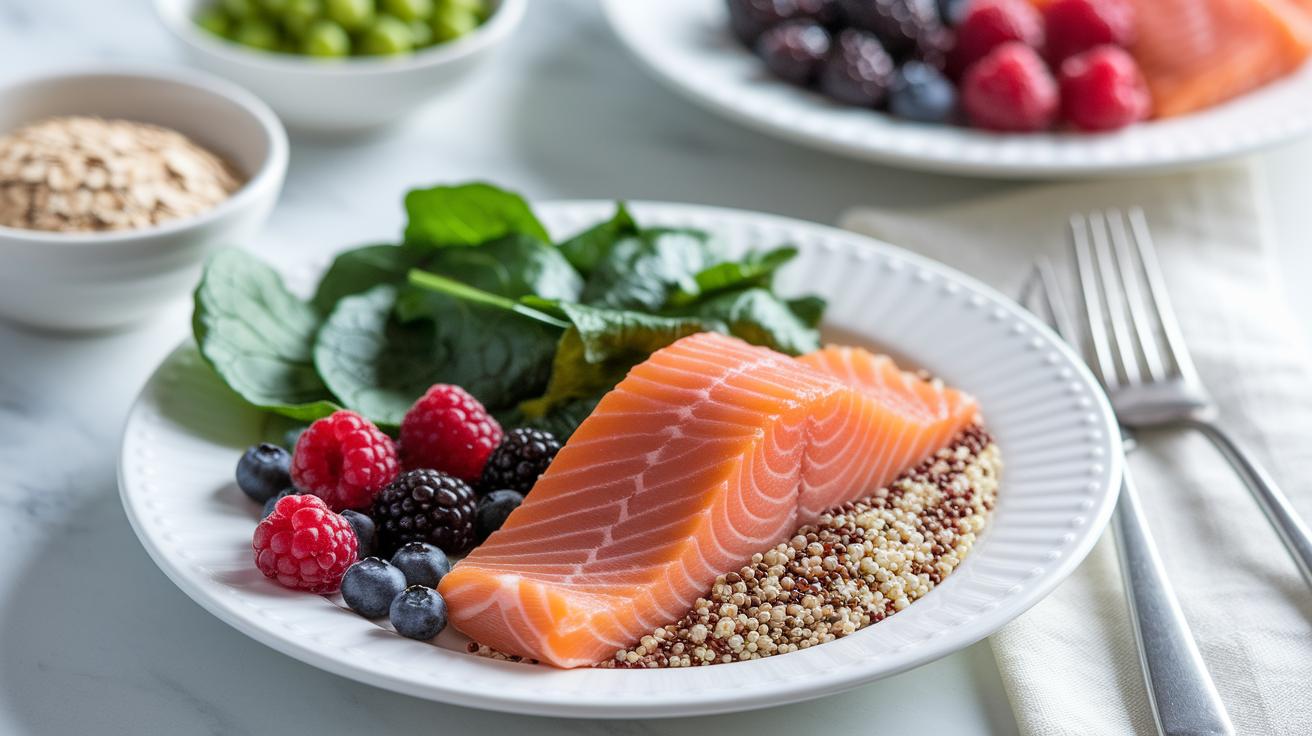
Fiber from whole foods, whether it’s the soluble kind that mixes with water or the insoluble that helps things move along, is key to smooth digestion and a healthy heart. Lots of older adults don’t quite hit the recommended fiber target, they often get only about half of what they need. This can slow down digestion and even raise risks for heart disease, type 2 diabetes, and certain cancers. A simple switch, like tossing a bowl of oatmeal or grabbing a handful of berries with your breakfast, can add fiber plus those natural bioactive benefits your body loves.
Bright fruits and veggies not only add a splash of color to your plate, they also offer phytonutrients that help your cells fight off problems. These natural compounds support your body’s detox process and may help lower inflammation. Meanwhile, whole grains such as quinoa, brown rice, and barley deliver a slow, steady burst of energy and help keep your blood sugar levels steady during the day. This kind of balance becomes extra important as you get older.
Eating a diet full of these bioactive foods is a down-to-earth way to prevent nutrient gaps and keep your body running well. By weaving these choices into your daily meals, you’re laying down a solid foundation for long-term health. Basically, it’s like giving your body a little boost that not only helps fight off chronic diseases but also keeps everything in sync as you age.
Protein Management and Omega Fatty Acid Utilization for Muscle and Heart Health
Protein is essential for keeping our muscles strong, especially as we naturally lose a bit of strength over time. Did you know that muscle loss, known as sarcopenia, can begin as early as your 40s? Many older adults find that bumping up their protein helps slow this decline. Foods like lean meats, dairy, legumes, and nuts provide the amino acids needed for muscle repair. A quick tip: try adding a hard-boiled egg or a small serving of cottage cheese to your mid-afternoon snack for an extra boost.
Omega-3 fatty acids are another key player, especially for heart protection. You get these beneficial fats from fish such as salmon and plant sources like flaxseeds. They’re linked to better brain function and a lower risk of heart disease by helping to lower triglyceride levels and support a healthy cardiovascular system. Think of omega-3s as the natural partner to protein, both working together to keep your muscles and heart in good shape.
For the best of both worlds, aim to include lean proteins along with omega-3-rich foods in your daily meals. Imagine a plate with salmon and some steamed greens, or a bowl of oatmeal lightly sprinkled with flaxseeds. These small changes not only help with muscle repair but also assist in managing cholesterol and keeping your nerves happy.
Balanced Meal Strategies and Supplement Planning for Mature Adults

For older adults, enjoying a diet full of fresh, whole foods helps keep energy levels steady and supports overall well-being. Filling your plate with fruits, vegetables, lean meats, poultry, and dairy gives your body natural nutrients to maintain muscle, lift your mood, and boost your immune system. Imagine a crisp, colorful salad paired with a nicely grilled chicken piece and a side of fresh fruit, simple, satisfying, and packed with essential vitamins and minerals.
As we age, our bodies sometimes have a harder time absorbing nutrients. That’s where supplements come into play. Vitamins like D (which helps keep bones strong) and B12 (important for nerve and blood health) can bridge the gap, especially if you have limited sunlight or your diet doesn’t cover all the bases. It’s a little extra support when your body needs it most.
Planning meals for seniors means balancing nourishing whole-food meals with smart supplement choices. Think about starting your day with a serving of dairy or some leafy greens, enjoying a lean protein snack in the afternoon, and finishing with a dinner rich in vegetables and whole grains. And if you ever feel the need for a little pick-me-up, a quick snack or supplement can do the trick.
A little organization goes a long way. You might check your protein intake to help guard against muscle loss or make sure you’re getting enough calcium and magnesium to support your bones and nerves, all while staying well-hydrated. This kind of structured planning helps tailor your daily diet to meet your specific health needs.
| Nutrient | Recommended Intake | Common Dietary Sources |
|---|---|---|
| Vitamin B6 | 1.5 mg (women), 1.7 mg (men) | Chickpeas, fish, potatoes |
| Vitamin B12 | Varies with age, increased need post-60 | Dairy, meat, fortified cereals |
| Magnesium | Approximately 320-420 mg | Leafy greens, nuts, whole grains |
| Calcium | 1,200 mg | Dairy, fortified plant milks, green vegetables |
| Vitamin D | 800-1,000 IU | Fatty fish, egg yolks, fortified foods |
| Protein | 1.0-1.2 g/kg body weight | Lean meats, legumes, dairy |
| Omega-3 fatty acids | About 1.1-1.6 g | Salmon, flaxseeds, walnuts |
Final Words
in the action, our review highlighted how every bite counts in supporting overall well-being as we age. We uncovered how specific foods deliver the nutrients needed for daily energy and robust function. Embracing balanced meals and mindful supplementation supports quality living, especially when focused on essential nutrients and aging. Small changes in our eating routines pave the way for improved vitality and a brighter, healthier future.
Nutrient | Recommended Intake | Common Dietary Sources
Vitamin B6 | 1.5-1.7 mg | Poultry, bananas, potatoes
Vitamin B12 | 2.4 mcg | Fish, meat, dairy
Magnesium | 320-420 mg | Nuts, green leafy vegetables
Calcium | 1000-1200 mg | Dairy, leafy greens
Vitamin D | 600-800 IU | Fatty fish, fortified milk
Protein | 1.0-1.2 g/kg | Meat, beans, dairy
Omega-3 fatty acids | 250-500 mg | Fish, flaxseeds
FAQ
Frequently Asked Questions
What are some of the most important vitamins for older adults?
The most important vitamins for older adults include vitamins B6, B12, and D, which support immune function, nerve health, and bone strength.
Why is good nutrition crucial for elderly individuals?
Good nutrition is crucial as it boosts energy, supports muscle and bone health, and helps counteract age-related decreases in nutrient absorption and overall function.
What key nutrients do older adults need and why?
Older adults benefit from a balanced intake of vitamins, minerals like calcium and magnesium, protein, and omega-3 fatty acids to bolster bone, muscle, and heart health while fighting age-related decline.
Which dietary guidelines promote healthy aging in seniors?
Seniors should embrace a diet rich in whole foods like fruits, vegetables, lean proteins, dairy, and whole grains along with targeted supplementation where needed to maintain overall wellness.
What strategies can improve nutrition for the elderly?
Strategies include planning balanced meals with unprocessed, nutrient-dense foods, considering supplements for vitamins D and B12, and pairing nutrition with physical activity for enhanced vitality.
What specific foods help support healthy aging?
Specific foods that help include lean proteins, fatty fish rich in omega-3s, a variety of fresh fruits and vegetables, and whole grains that supply essential nutrients and support overall health.
Which vitamins need special attention as you age?
Special attention is needed for vitamins B12 and D because older adults often have decreased absorption and limited natural production, making them essential for nerve communication and bone strength.
Nutrient Recommendations
| Nutrient | Recommended Intake | Common Dietary Sources |
|---|---|---|
| Vitamin B6 | 1.5 mg (women) / 1.7 mg (men) daily | Bananas, poultry, fortified cereals |
| Vitamin B12 | Approximately 2.4 mcg daily | Meat, dairy, fortified plant-based alternatives |
| Magnesium | 320–420 mg daily | Nuts, leafy greens, whole grains |
| Calcium | 1,000–1,200 mg daily | Dairy products, leafy greens, fortified juices |
| Vitamin D | 600–800 IU daily | Fatty fish, fortified dairy, sunlight exposure |
| Protein | Varies (~1.0–1.2 g/kg body weight) daily | Lean meat, legumes, dairy |
| Omega-3 fatty acids | 250–500 mg daily (EPA/DHA) | Fatty fish, flaxseeds, walnuts |