Have you ever thought your family doctor might be a tech hero in disguise? Today's family doctors mix trusted care with modern, smart tools to catch problems early. They use quick blood tests and on-the-spot scans to see inside your body, making visits faster and simpler. This new approach makes a real difference for everyone, from children to seniors, by putting your needs first and embracing innovative, accessible care.
Modern Family Medicine: Innovations Shaping Patient-Centered Care
Modern family medicine today has truly evolved to serve everyone, from the tiniest infants to our wise seniors. It handles everything from sudden illnesses to long-term conditions, ensuring that you and your loved ones always have someone ready to help. Clinics now mix classic caregiving with modern tools like blood tests, cancer screenings, and immunizations, all designed to catch issues early and keep you feeling your best.
Alongside everyday care, innovative clinics are now using tech such as diagnostic ultrasound (a quick scan that shows what’s happening inside your body) to pinpoint problems swiftly. This means doctors can give accurate injections and treatments right when you need them, without waiting for lengthy referrals. Plus, with options like walk-in clinics and schedules that work around your busy life, accessing quality health care has never been easier. Enhanced digital systems and patient-friendly clinic designs underline a real commitment to personal, comprehensive care.
| Key Aspect | What It Offers You |
|---|---|
| Comprehensive Lifespan Care | Expert support for every stage of life |
| Preventive and Early Detection Services | Routine checkups to catch issues before they escalate |
| Advanced Diagnostic Tools | Quick, in-office tests that deliver fast results |
| Personalized Treatment Planning | Tailored care plans that match your unique needs |
| Patient Convenience and Accessibility | Flexible scheduling and minimal wait times for hassle-free visits |
| Flexible Scheduling Models | Health care that adapts easily to your lifestyle |
Each of these pillars plays a vital role in not only treating health issues but also preventing them from worsening. By blending traditional care with groundbreaking practices and technology, modern family medicine makes sure you get the right care, right when you need it, building both immediate relief and long-lasting wellness.
Digital Integration in Modern Family Medicine
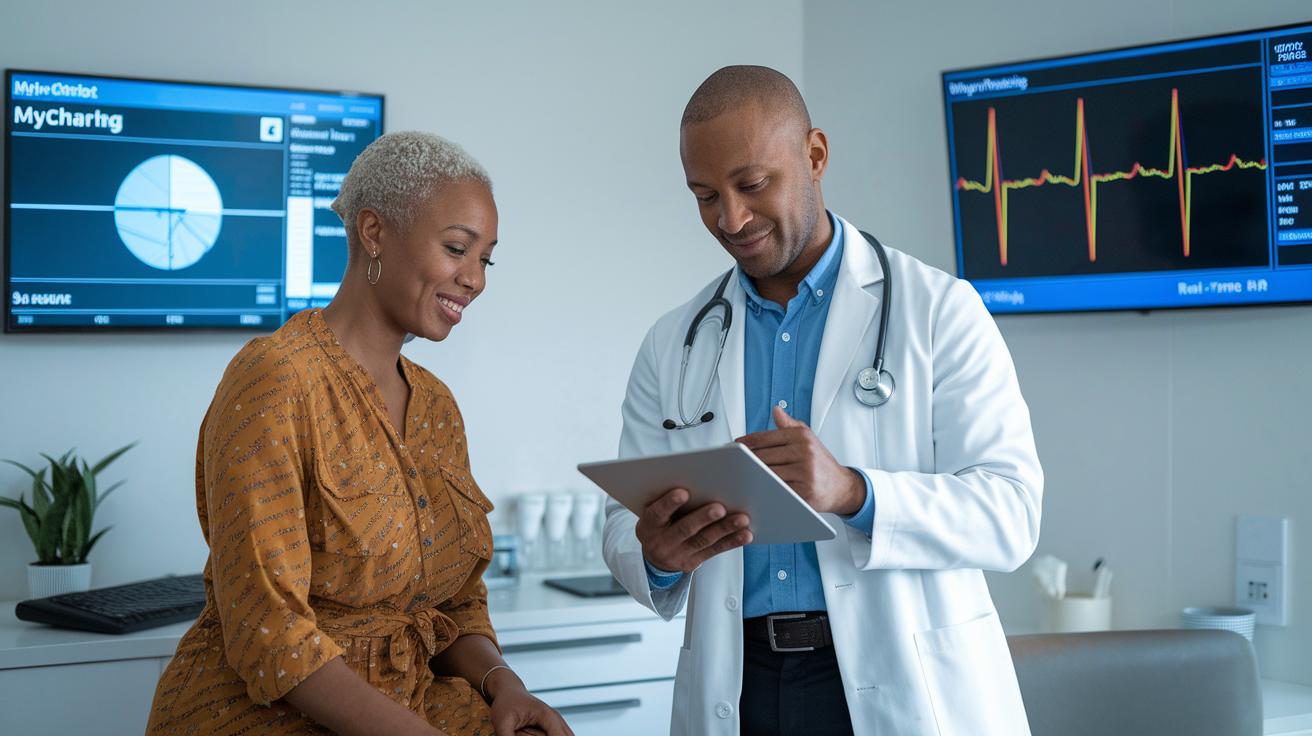
Family doctors are now using smart digital tools to make care smoother and easier for everyone. Clinics are combining online booking with secure messaging, so you get connected care without any fuss. This new approach helps cut wait times and lets you check your health records whenever you need.
Patient portals, like "MyChart," give you the power to book appointments online and complete forms before you even step into the clinic. Imagine getting a friendly reminder to "Schedule your next checkup online and save time", it’s all about making health care simpler and clearer. These digital forms gather essential information early on, so your care team is ready with the facts right from the start.
Another big change is electronic record management. Modern clinics update your health records in real time, allowing doctors and nurses to share notes and treatment plans instantly. This speedy sharing of information means that everyone involved in your care is on the same page, which helps keep things running smoothly.
Mobile health apps also play a key role. They let you track your health from home and send quick alerts about follow-up care or any surprises in your health status. With these apps linked to secure messaging, patients and providers can chat about any changes quickly. All these digital advances combine to create a more efficient and patient-friendly experience in modern family medicine.
Enhancing Patient Engagement in Modern Family Medicine
When you take charge of your care, you’re not just a bystander, you’re a partner. Working closely with your health team builds trust and encourages open chats, making every visit more meaningful. By sharing your thoughts and needs, you help shape a treatment plan that’s just right for you. This hands-on approach not only personalizes your care but also paves the way for better outcomes.
There are several practical ways to stay connected:
| Method | How It Helps |
|---|---|
| Shared decision-making | You get to weigh in on your treatment, taking the guesswork out of care. |
| Personalized care plans | Your treatment is tailored to fit your unique needs and daily life. |
| Automated reminders | Friendly alerts keep you on track with appointments and medications. |
| Virtual check-ins | A simple way to update your progress without the extra trip to the clinic. |
| Patient feedback loops | Your input helps fine-tune care, so it works even better for you. |
When you’re involved, every bit of feedback makes a difference. Your insights help adjust care tools, ensuring that health services stay effective, responsive, and centered on you. In short, a little extra engagement can lead to big improvements in your health journey.
Telehealth Strategies in Modern Family Medicine
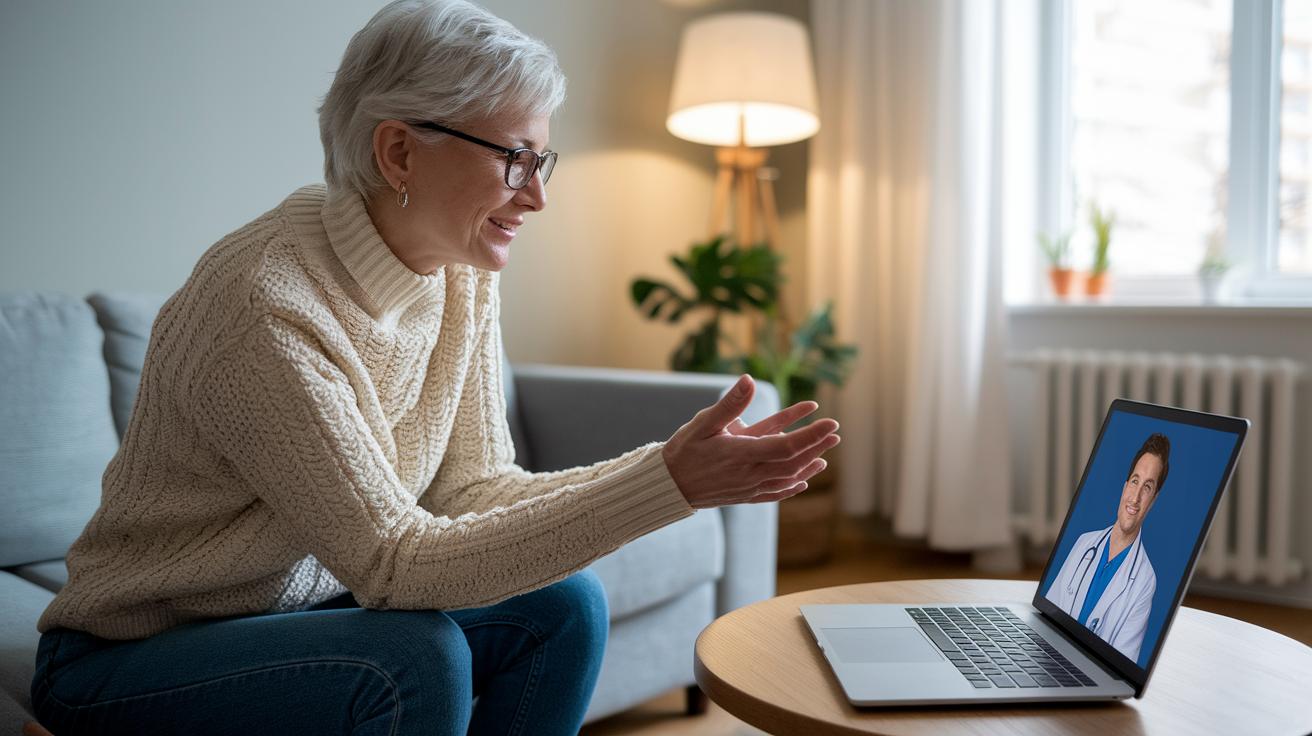
Telehealth is really changing the way families receive medical care. It lets you have a virtual chat with your doctor, meaning you won’t have to drive long distances or wait for hours at the clinic. Instead, you can simply connect from your living room, making care quicker and less overwhelming.
By linking telehealth with electronic health records, basically a digital file of your health history, doctors can see your information instantly while you talk. This setup is like a digital handshake that keeps your care on track, ensuring that every decision is based on the most recent details.
There are also self-monitored tools that let you check in on your own symptoms every day. Think of it as keeping a personal health diary, one that helps both you and your healthcare team spot any changes early. This way, adjustments to your treatment can be made before small issues become big problems.
Plus, telehealth is opening up access to quality care even in remote places. No matter where you live, getting reliable medical advice is becoming much easier, bridging the gap for communities that used to be left out.
Evidence-Based Practices in Modern Family Medicine
Guidelines in clinical care form the backbone of family medicine. They help doctors decide on treatments based on trusted research. For example, using hormone therapy after menopause shows how following evidence-based rules can be tailored to each patient's unique needs. Every choice, whether for long-term care or routine checkups, builds on this reliable foundation.
New diagnostic tools like point-of-care ultrasound are truly changing the game. Ultrasounds let a doctor quickly scan a patient, offering fast, clear insights that cut out long waits and expensive referrals. Imagine having mild abdominal discomfort and getting an on-the-spot scan that rules out a serious issue, this not only saves time but also eases worry.
Standardized acute and preventive procedures are also essential. Simple office treatments, abscess drainage, and TB tests all follow well-established methods that keep patients safe and comfortable. Regular checks, like Pap smears and self-exam guided mammograms, stick to updated guidelines to catch early signs of disease and ensure timely treatment.
Staying updated with new research means family medicine is always evolving. Regular reviews of clinical best practices help doctors deliver care that is both current and personalized, leading to better outcomes for everyone.
Community-Centric Models in Modern Family Medicine
Family medicine clinics are now bringing health care right into the community. These days, you might find a clinic setting up school or sports check-ups in your neighborhood, making it super easy for families to get care close to home. Sometimes you’ll see signs like, "Join our local health fair for quick physicals and screenings," and that’s a clear sign they’re dedicated to reaching out to you.
Working hand in hand with schools, community centers, and local leaders, these clinics create valuable health events. They may host immunization days and offer simple, easy-to-understand workshops on staying healthy. Ever wondered about preventive care? One event might even include a friendly session explaining just that in everyday language while offering tips you can use right away.
Mobile clinics and local screening days also help a lot. Picture a van parked at a neighborhood event giving out flu shots or checking your blood pressure, bringing care straight to those who need it most. It shows that vital health services aren’t just found in a doctor’s office; they’re right in the heart of your community.
On top of that, educational programs add another layer to community health. Interactive seminars and hands-on workshops teach you about managing chronic conditions and staying ahead of potential health issues. In short, these thoughtful strategies blend modern medicine with everyday advice, making top-notch care a natural part of daily life.
Future Trends in Modern Family Medicine
Advanced AI and predictive analytics are shaking up primary care by spotting risk factors early and helping manage community health. They trawl through mountains of data to flag health issues before they show up, making prevention easier and treatments more just right for you.
Integrated care teams are now a common sight. Experts in areas like behavioral health, nutrition, and social services are joining forces. By working together, they make sure every aspect of your physical and emotional well-being is looked after, all under one roof.
Value-based care is shifting the focus from the number of visits to real results and cost savings. Instead of just stacking appointments, this approach rewards high-quality care that truly improves health. It’s a move toward a healthcare system that benefits both you and your care team.
Real-time health trackers and mobile apps are leading the digital transformation in healthcare. With wearable gadgets and smartphone apps, you can monitor your health each minute, and doctors can jump in quickly if something changes. This technology is paving the way for a future where care is more connected, proactive, and tailored to your needs.
Final Words
In the action, we explored how modern family medicine is reshaping care with advanced diagnostics, digital tools, and community-focused initiatives. We looked at comprehensive lifespan care, preventive services, and patient-centered strategies that make a real difference.
By blending research-backed practices with everyday health solutions, these innovations offer practical ways to manage chronic conditions and enhance overall wellness. The future of health looks bright with modern family medicine paving the way for a healthier, more proactive lifestyle.
FAQ
What can be expected from the Modern Family Medicine patient portal?
The Modern Family Medicine patient portal offers secure online appointment booking, digital forms, and messaging. It streamlines access to your health records and connects you with your care team efficiently.
What does Modern Family Medicine in Scottsdale offer?
Modern Family Medicine in Scottsdale delivers comprehensive care for every age group. It combines advanced diagnostics with preventive services and flexible scheduling to create a comfortable, personalized experience.
How does Modern Family Medicine Main Line provide care?
Modern Family Medicine Main Line offers integrated primary care with state-of-the-art digital tools and evidence-based practices. It focuses on minimal wait times and tailored treatment plans for diverse patient needs.
What services are provided by Modern Family Medicine in Babylon, including the location at 400 W Main St Ste 300, Babylon, NY 11702?
Modern Family Medicine in Babylon provides full-spectrum primary care with digital appointment scheduling and personalized treatment. Its Babylon location ensures patient-centered, accessible services in a welcoming setting.
What family medicine services are available in Duluth, GA?
Family Medicine in Duluth, GA offers comprehensive care from infants to seniors, emphasizing early detection and preventive care. It features flexible scheduling to provide timely, personalized health guidance.
What defines a modern family practice?
A modern family practice blends digital integration and evidence-based care with a focus on preventive services. It prioritizes personalized treatment and convenience to support patients across various stages of life.
What distinguishes Bliss Family Medicine?
Bliss Family Medicine features a warm, patient-first approach combined with updated care practices. It emphasizes digital scheduling, preventive services, and personalized treatment to offer an efficient and friendly healthcare experience.