Ever wondered if just treating symptoms really makes you feel whole? Holistic medicine looks at you as a whole person, your mind, your feelings, and everyday life all count when it comes to your health.
It mixes everyday care with gentle practices like yoga and meditation so that your body finds its natural way to heal. This approach doesn’t believe in one-size-fits-all solutions but instead gives you a hand in taking charge of your well-being.
In short, holistic care invites you to embrace your personal healing journey, nurturing every part of you along the way.
Defining the Holistic Approach to Medicine
Holistic medicine cares for the whole person, addressing body, mind, emotions, and spirit. It goes beyond just treating symptoms, imagine a doctor who considers your daily routines, your stress, and even the environment you live in. This approach is like having a friendly chat where every part of your well-being matters.
At its heart, holistic care connects your thoughts and feelings to your physical health. Practitioners mix regular medicines with alternative methods, such as gentle yoga or meditation, to help your body heal naturally. Think of it like a quiet morning walk that not only wakes up your muscles but also eases your mind.
Rather than simply treating an ache or a cough, this method focuses on stopping problems before they become serious. It uses personalized plans that empower you to take charge of your health for the long haul. By blending prevention with care, holistic medicine invites you to become an active part of your own healing journey.
Holistic Approach to Medicine: Empowering Natural Healing
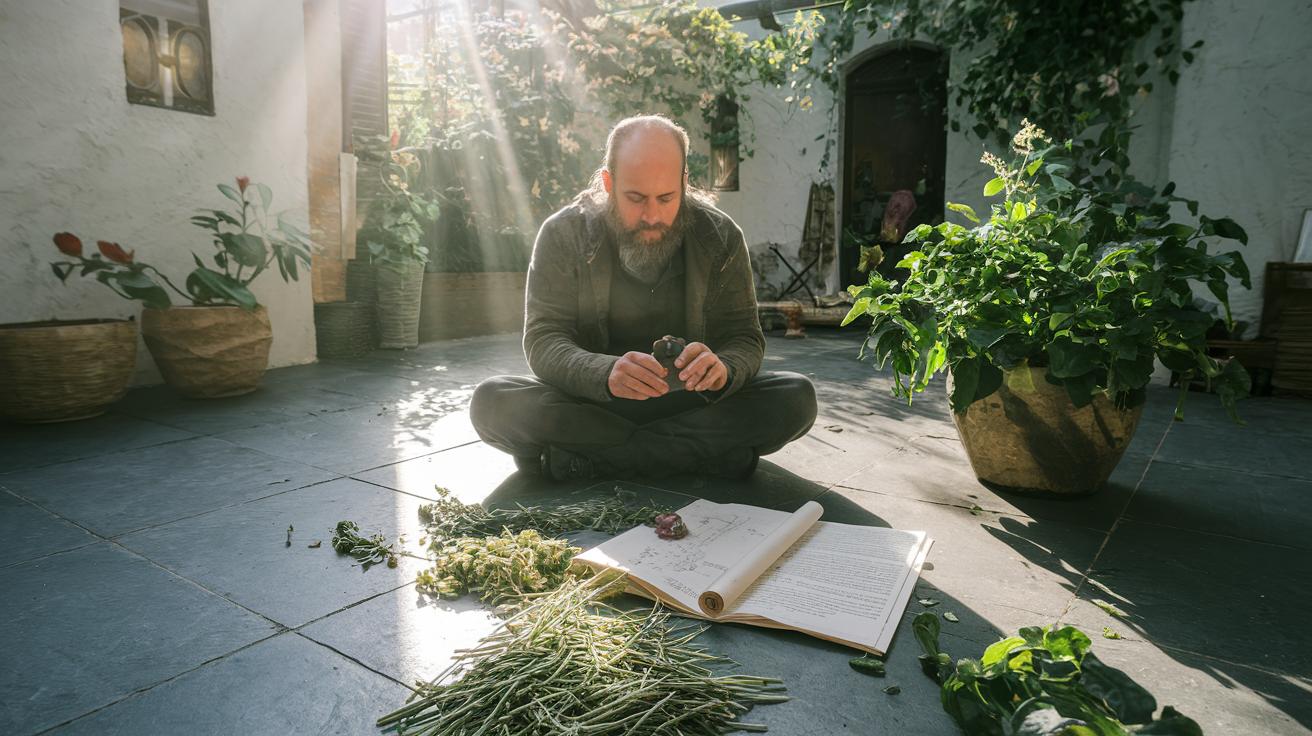
Ancient traditions laid the groundwork for treating the whole body. Back in 6th century BC India, Ayurvedic medicine was all about using herbal mixtures and balanced daily routines to boost overall wellness. Early healers in Greece and Rome embraced similar ideas, relying on seasonal foods and natural remedies to help patients regain balance. Imagine a Greek doctor using the simple power of nature to support a person’s healing.
Throughout the medieval period and into the 19th century, Islamic medicine and evolving cultural care practices built on these early ideas. Healers began blending mind-body methods with everyday lifestyle changes, showing that real healing means looking after the entire person, not just isolated symptoms.
By the early 1900s, formal schools in homeopathy and chiropractic care emerged, drawing together ancient insights with structured, modern training. These programs emphasized our body's natural ability to heal and the importance of preventing issues before they start. For more details, check out the history of medicine at https://factcheckx.com?p=2121.
Key Principles Underpinning a Holistic Approach to Medicine
Lately, imaging tech has given us a fresh look at how our minds and bodies work together. Mind-body practices, like simple, mindful breathing, can actually boost the connections between brain cells. One trial participant even shared that they felt a subtle wave of calm and a sharper mind after trying these techniques.
Prevention really pays off. Even short bursts outdoors, when paired with a nutrient-rich meal, can reduce signs of inflammation in your body. For instance, one person swapped their usual breakfast for a fresh, balanced meal and noticed a clear boost in morning energy and focus. It’s a simple change that shows how combining nature and nutrition can work wonders.
Custom care is also making a big splash in patient recovery. Recent case studies show that digital tools, like apps that monitor your sleep and stress, can help tailor a plan that fits your needs. One patient used an app to tweak daily activities based on mood and sleep patterns, turning each day into a new step toward feeling more empowered and in control.
Holistic Treatment Methods and Therapies in Holistic Medicine

The holistic approach to medicine taps into a variety of natural strategies designed to help your body heal on its own. These alternative wellness methods not only ease physical discomfort but also boost your emotional and mental well-being. For example, acupressure gently relieves muscle tension, and Ayurvedic medicine uses herbs and simple dietary tweaks to keep your body in balance. Many also turn to nutrition counseling, which tailors dietary advice to help you feel better every day.
This approach values a diverse mix of therapies that work together to support well-being. Healing here is seen as a living process where traditional techniques meet modern alternatives. Consider acupuncture, which uses fine needles to stimulate your energy flow, or chiropractic care, where gentle adjustments help align your spine. Naturopathy and mental health counseling focus on personal plans that go beyond treating just one symptom, and yoga connects mind and body through simple movements and breathing exercises. Each therapy invites you to take an active role in your recovery, nurturing every part of you naturally.
| Therapy | Description | Typical Use Case |
|---|---|---|
| Acupuncture | Needle stimulation of energy pathways | Pain relief and stress reduction |
| Acupressure | Manual pressure to release tension | Muscle relaxation and energy flow enhancement |
| Aromatherapy | Use of essential oils for sensory stimulation | Alleviating anxiety and insomnia |
| Ayurvedic Medicine | Herbs, metals, and dietary adjustments | Balancing body doshas and promoting wellness |
| Chiropractic Care | Manipulation of the spine and joints | Alleviating back pain and alignment issues |
| Naturopathy | Herbal supplements, exercise, and diet interventions | Managing chronic conditions and overall balance |
| Massage Therapy | Hands-on techniques to relieve muscle tension | Reducing stress and aiding recovery |
| Nutrition Counseling | Tailored dietary plans | Enhancing energy and managing chronic conditions |
| Mental Health Counseling | Psychological and emotional support | Addressing stress, anxiety, and mood challenges |
| Yoga | Physical postures and breathing exercises | Strengthening mind-body connection and physical fitness |
Benefits and Limitations of the Holistic Approach to Medicine
Taking a holistic route can boost your overall health in several meaningful ways. Many people report feeling calmer, both mentally and spiritually, which helps them see life in a more balanced light. This method can also be a smart way to prevent chronic issues like heart disease, diabetes (when your blood sugar is too high), and stroke. For example, mixing a daily meditation with some simple diet tweaks might ease stress and give you a nice energy boost. It’s great for slow-healing conditions too because it supports both your mind and body together. By looking after the whole person, holistic care works hand in hand with your body’s own repair system.
On the flip side, there are a few challenges with this approach. Treatments might differ a lot from one practitioner to the next, which can make it hard to find care that’s consistent. Many holistic therapies ask for a lot of your time and dedication to daily routines and lifestyle changes. While this personal commitment can pay off in long-term care, it might not be the best option when you need quick action for sudden or severe symptoms. Imagine feeling really unwell and needing immediate help; in those moments, the slower pace of natural healing might not compare to conventional medicine’s fast responses.
Integrating the Holistic Approach to Medicine into Mainstream Care

The world of healthcare is shifting. More clinics are cleverly mixing traditional prescription treatments with natural options like nutrition support, hands-on therapies, and mind-body practices to craft well-rounded plans that focus on the whole person. It’s kind of like when two familiar roads meet, each specialist brings their expertise to ensure your treatment feels both efficient and nurturing.
Education in health care is getting a fresh twist too. Universities and online courses now offer classes that cover both conventional medicines and natural therapies. These programs help health professionals pick up new skills, much like learning to blend different ingredients when cooking a perfectly balanced meal. One student even said it felt like discovering the secret behind a great recipe, each technique adding its own flavor to the final result.
Real-life examples show how well this integrated method works. Clinics in places like Lutz and Wesley Chapel, FL, are using this blended approach to offer care that’s both prompt and personalized. In these centers, experts team up so every patient benefits from a strategy that combines fast-acting treatments with a thoughtful, holistic approach to long-term well-being.
Final Words
In the action, we reviewed how holistic medicine treats the whole person, from mind to body, with clear steps and real examples. We outlined its history, core principles, and various treatment methods that support everyday healing.
The discussion also weighed the benefits and limitations of this refreshing approach. Integrating research with daily practice brings us closer to a balanced life with a holistic approach to medicine. Positive changes start with informed choices, today’s steps pave the way for a healthier tomorrow.
FAQ
What is an example of a holistic approach or treatment?
An example of a holistic approach is using methods like acupuncture, nutrition counseling, and massage therapy to care for the body, mind, and spirit rather than just addressing isolated symptoms.
How does the holistic approach work in healthcare?
The holistic approach works by considering the physical, emotional, mental, and spiritual aspects of health, promoting prevention through personalized care and lifestyle adjustments to support overall wellness.
Why is holistic medicine often seen as better?
Holistic medicine is seen as better because it treats the whole person and focuses on prevention and individualized care rather than simply treating symptoms, which can lead to more sustainable health improvements.
What are the main principles of holistic medicine?
The core principles include acknowledging the mind-body connection, emphasizing prevention through healthy lifestyle choices, providing personalized treatment plans, and empowering patients to participate actively in their healing process.
Is holistic medicine legit?
Holistic medicine is regarded as a credible approach that complements conventional treatments by integrating natural therapies and preventive strategies to boost overall health and well-being.
Why do some people oppose holistic medicine?
Some people oppose holistic medicine due to its variable protocols, an emphasis on patient engagement in self-healing, and concerns about its suitability for treating acute conditions compared to traditional medical methods.
Where can I find holistic medicine near me?
You can locate holistic medicine providers at local wellness centers, community clinics, or alternative health practices; a simple online search or referral from your healthcare provider can help you find nearby options.
Where can I read more about holistic medicine?
Many reputable health platforms and wellness publications offer informative articles on holistic medicine that detail its methods, benefits, and research-backed practices for a well-rounded understanding.
How can beginners start exploring holistic medicine?
Beginners can dive into holistic medicine by reading trusted articles, consulting with certified practitioners, and experimenting with gentle practices like yoga and mindful breathing to experience the benefits firsthand.