Have you ever thought that the answer to curing diseases might be hidden in our very own cells? Biomedical science takes a close look at how our bodies work, searching for clues tucked away in cells and molecules. It’s a bit like following a clear map that shows what happens when everything runs smoothly or when something goes off track. This area of study mixes ideas from biology, chemistry, and genetics to help us see a much clearer picture of our overall health. In short, biomedical science opens a door to understanding how illness starts and how new treatments can come to life.
what is biomedical science: Bright and Clear Insight
Biomedical science helps us understand how diseases start by looking closely at what happens inside our cells and molecules. It blends ideas from various parts of science to explain how our bodies function when things are running smoothly and when something goes wrong. Think of it as a step-by-step guide that shows researchers how our cells work in both good health and illness. For example, scientists might study how certain proteins change their behavior when the surrounding conditions shift.
This field reaches far into many specialized areas like urology, which focuses on the urinary tract, and molecular pathology, where tiny cell details reveal clues about diseases. It’s a lot like a mechanic checking every piece of an engine to make sure everything is in good shape. Early studies in biomedical science have shown that by watching how cells work, big breakthroughs in treating illnesses can really take off.
One major highlight was the discovery of penicillin in 1928. Penicillin, the first antibiotic, did more than cure infections, it changed the entire game of modern medicine by lighting the way for new treatments. Just as uncovering a missing puzzle piece can change the whole picture, this discovery transformed how we manage diseases today.
Core Disciplines in Biomedical Science

Biomedical science stands strong because it draws from many fields, helping us better understand how our bodies work. Researchers mix ideas from different subjects to connect tiny cell details with overall health, which makes it easier to fight diseases by understanding life’s processes step by step.
- Biology: The study of living things and how they interact with each other.
- Biochemistry: An exploration of the chemical reactions happening inside our cells.
- Cell biology: A closer look at how cells are built and how they do their jobs.
- Genetics: The study of how traits are passed down from one generation to the next.
- Immunology: A field that looks at how our bodies defend themselves against germs.
- Molecular biology: Research focused on the tiny molecules that keep us alive and functioning.
When these subjects work together, they build a strong foundation for new ideas in diagnosing, treating, and preventing diseases. By weaving insights from each area, biomedical science offers a clearer picture of life at its smallest level. This broad approach fuels smart thinking and sparks fresh ideas in medicine, making everyday healthcare even better.
Types of Biomedical Science Research and Their Importance
Basic research digs into life’s building blocks, like cells and molecules. Researchers explore how cells chat with each other, how proteins mix and match, and what keeps living things ticking. This early work lays down the scientific base that later helps us understand health and disease.
Applied research takes what we learn from basic studies and turns it into real tools and treatments. Scientists use these insights to craft new therapies, design better drugs, and improve surgeries. By moving ideas from the lab to everyday care, applied research turns discoveries into life-changing remedies.
A great example is an arthritis drug that was developed by tweaking a medicine called methotrexate. In tests, scientists studied fruit fly cells and human cells to see how the drug could balance red blood cell production in blood cancer. This shows how basic research can spark applied studies, merging together to create breakthroughs that make a big difference in people’s lives.
Interdisciplinary Nature of Biomedical Science

Biomedical science is a blend of life and physical sciences coming together to tackle tricky health problems like genetic defects, trauma, Alzheimer’s, and Parkinson’s. Experts in biology, chemistry, physics, and engineering pool their unique skills to help us understand how our bodies work, especially when things aren’t going well.
This mix of methods deepens our understanding and sparks fresh ideas for treatment. Each field adds a different piece to the puzzle, creating a strong base for new discoveries that address complex diseases affecting so many people. It really shows how combining different lenses can lead to practical medical breakthroughs.
Look at some of the collaborative projects in this area. Biologists, chemists, engineers, and clinicians work side by side on research that paves the way for advanced diagnostic tools and therapies. By mixing engineering techniques with biological insights, these teams are developing improved imaging systems and innovative treatments designed to hit diseases at their core. Their joint efforts break traditional boundaries and explore novel solutions, proving that diverse skills can lead to groundbreaking advances in patient care.
Applications of Biomedical Science in Healthcare and Industry
Biomedical science is at the heart of today’s healthcare breakthroughs. Researchers are gathering data that helps pharma and biotech companies create new drugs, innovative medical devices, and effective treatments. They study tiny details in cells and molecules to design therapies that target specific health issues. Imagine a diagnostic tool that spots disease markers quickly, cutting down treatment delays and giving patients a faster start to recovery. It’s like turning complex lab discoveries into everyday health improvements that really make a difference.
The world of biomedical research also fuels creative ideas in the industry. Labs equipped with everything from fume hoods to tissue culture areas provide a realistic setting where startups and researchers can experiment and polish their ideas. Funding initiatives with prizes of up to $200K or even $50K help these innovators move from promising research to market-ready products. Think of a small team working in a cutting-edge lab, where every gadget and piece of equipment sparks their journey toward the next breakthrough. This close connection between resources and research not only supports fresh ideas but also turns lab successes into real-world solutions that improve how we live and feel.
Career Paths in Biomedical Science
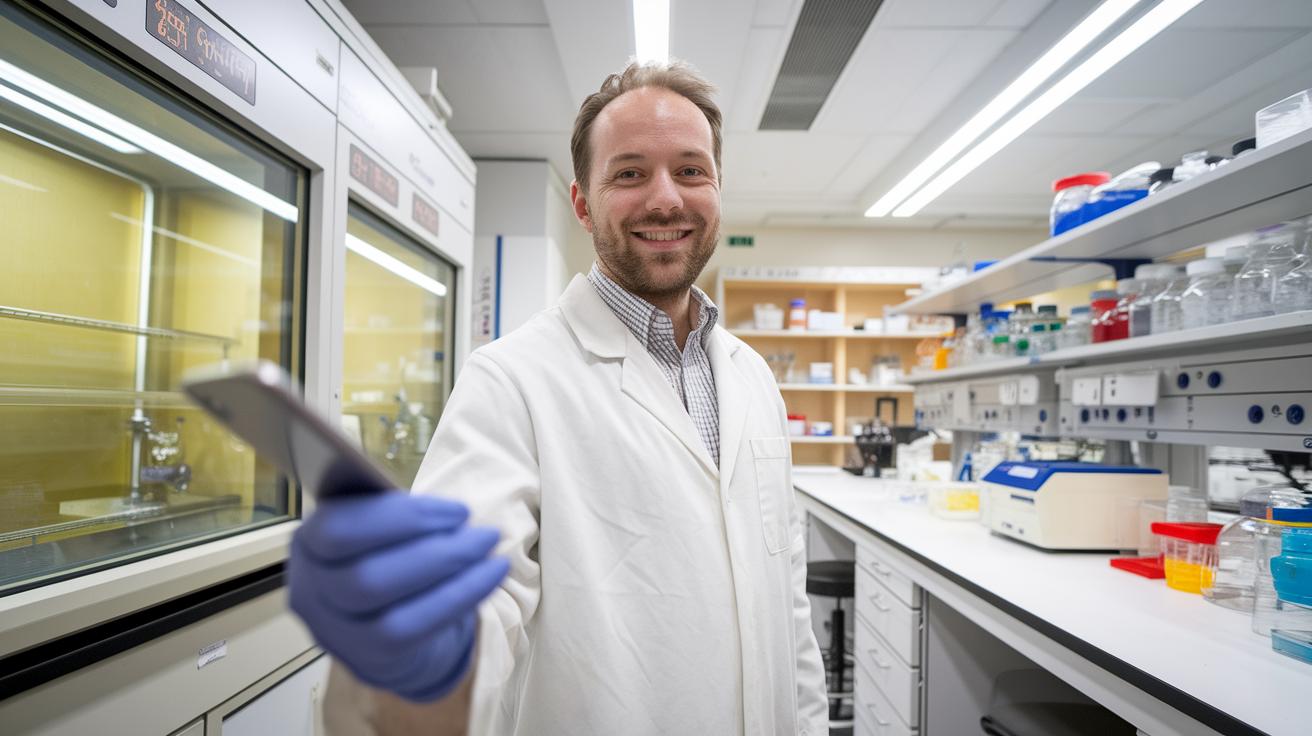
Biomedical science opens a world of opportunities that let you use research skills and scientific know-how to solve real health problems. You might spend your days exploring new drug possibilities in a buzzing research lab, supporting patients in a busy hospital, or working behind the scenes in regulatory roles that keep everything safe and in check.
Imagine diving into research in fields like pharmacology or neuroscience, where organizations like the NSF help push boundaries. Or picture yourself as a clinical scientist, lab technician, or microbiologist, working closely with organizations such as the NIH to bring the latest discoveries right to the patient's bedside.
There's also a growing need for biomedical technology and engineering experts who create, test, and fine-tune medical devices that make treatments even more effective. And if you enjoy combining science with a bit of business savvy, opportunities in medical sales and technical support let you turn complex research into practical help for healthcare providers.
In hospitals and clinics, clinical research associates and physician associates make sure scientific discoveries smoothly transition into real-world care. Public health roles, like that of an epidemiologist, work hard to prevent and control disease outbreaks. Plus, specialized fields such as forensic science, genetic counseling, toxicology, and pathology offer a focused look at unique challenges, while careers in science communication, education, and regulatory affairs allow you to shape how our society understands and uses scientific breakthroughs.
| Career Path | Example Roles |
|---|---|
| Research & Development | Pharmacologist, Neuroscientist |
| Clinical & Laboratory | Clinical Scientist, Lab Technician |
| Biomedical Engineering | Medical Device Developer |
| Medical Sales | Technical Support Specialist |
| Healthcare Settings | Clinical Research Associate, Physician Associate |
| Public Health | Epidemiologist |
| Specialized Fields | Genetic Counselor, Toxicologist |
| Science & Policy | Science Communicator, Regulatory Affairs Officer |
Exploring these career paths shows how biomedical science not only advances research but also directly improves patient outcomes. It’s a field that turns scientific discovery into everyday care and practical health solutions for everyone.
Educational and Training Requirements in Biomedical Science
Biomedical science degree programs come in many exciting forms. They blend classroom theory with real hands-on lab work so that you learn by doing. Some courses, like Medical Laboratory Science, zero in on diagnostic lab work, which is key in today’s healthcare world. In these programs, balancing lab sessions with traditional classes helps you tackle real health challenges confidently.
• Anatomy: Discover how living things are built.
• Physiology: Learn how your body’s systems work together.
• Mathematics: Develop essential skills for tackling data.
• Statistics: Grasp techniques to interpret research findings.
• Bioinformatics: Combine computer science with biological data to uncover insights.
Many institutions offer stepping-stone options such as the International Foundation Year and Pre-Masters programmes. These courses are designed to help build the academic skills you need before diving into advanced studies. Drawing on over a century of teaching experience and the guidance of more than 120 passionate research lecturers, these pathways lay a solid foundation in both lab basics and advanced research methods. In short, they boost your confidence and refine your critical thinking, ensuring you’re ready to contribute in the rapidly evolving field of biomedical science.
Emerging Trends in Biomedical Science

Biomedical science is evolving fast, changing the way we capture and understand health data. New tools like digital diagnostics and advanced lab systems (which help us see what’s happening inside our cells in real time) are opening up insights that were impossible just a few years back. Imagine a scanner today that spots tiny changes in tissue that went unnoticed a decade ago. Startups, with support from modern lab incubators and accelerator networks, now have the space to innovate and roll out these game-changing tools in healthcare.
At the same time, new research methods are revolutionizing therapeutic development and data management. Scientists are mixing fresh treatment approaches with smart engineering to make data analysis quicker and experiments more flexible. For example, digital innovation now lets researchers monitor treatment responses almost instantly during clinical trials. In short, blending advanced techniques with traditional lab work speeds up discoveries and ensures that medical care keeps pace with the latest technology and patient needs.
Final Words
In the action of exploring what is biomedical science, we traced its definition, core subjects, and research methods. The post broke down how biology, genetics, and interdisciplinary studies all work together to push healthcare forward. We also touched on practical applications in medical settings, career choices, and emerging trends that keep the field dynamic. Every detail helps you grasp how evidence-based research shapes everyday wellness. Keep the optimism alive as these insights inspire smarter, healthier decisions.
FAQ
What career paths can you pursue with a degree in biomedical science?
The biomedical science career path opens roles in research, clinical labs, biotech, and pharmaceuticals, where you work with disease processes and help develop new treatments and technologies.
What does a biomedical science major, degree, or course involve?
The biomedical science program involves studying core subjects like biology, genetics, biochemistry, and cell biology. It builds a strong foundation in understanding how the body works and how diseases affect it, starting from high school to higher education.
What is the biomedical science salary like?
The biomedical science salary varies by role and experience, with entry-level positions such as lab technicians earning modest wages and advanced research or clinical roles offering competitive compensation.
What is biomedical engineering?
The biomedical engineering field combines engineering with medical knowledge to design medical devices and technologies, ensuring that innovative tools help improve patient diagnostics and treatment outcomes.
What does biomedical science do?
The biomedical science role focuses on studying disease mechanisms at a cellular and molecular level, performing lab tests, and contributing research that leads to the development of new treatments and diagnostics.
What is the highest paid job in biomedical science?
The highest paid biomedical science jobs often include senior research positions, specialized clinical scientists, or leadership roles in biotech firms, where advanced expertise and innovation are highly valued.
What is the difference between biomedical science and a doctor?
The difference between biomedical science and a doctor is that biomedical scientists focus on research and lab-based studies of diseases, while doctors diagnose, treat, and provide direct patient care.