Have you ever wondered if a building could be the spark for the next big health breakthrough? The University of Florida just opened a new research facility that might do exactly that. This five-floor space isn’t just a building; it feels more like a creative workshop where every tool is set up for teamwork and innovation. In short, this well-designed hub is all about turning promising ideas into real solutions that can improve lives and make our community healthier.
Overview of the UF Clinical and Translational Research Building
The University of Florida has just unveiled a new facility that brings fresh energy to clinical and translational research. By joining forces with experts from the Institute on Aging and the Clinical and Translational Science Institute, this center is set to spark innovative healthcare breakthroughs.
Spanning five floors and covering 120,000 square feet, this research hub is built to be both modern and practical. It serves as the main base for clinical and translational studies at UF and even reaches out across the state.
| Feature | Detail |
|---|---|
| Stories | 5 |
| Total Area | 120,000 sq ft |
| Primary Institutes | Clinical and Translational Science Institute, NIH Institute on Aging |
| Headquarters Role | Coordinates clinical and translational research for UF and statewide |
What’s really cool about this hub is how it’s designed to bring together researchers from all walks of life. It’s more than just a building, it’s a space that makes teamwork easy, just like a well-arranged workshop where every tool has its place. This smooth setup helps researchers turn brilliant ideas into real-world health solutions, reinforcing UF’s leading role in advancing healthcare for everyone.
Architectural Design and Translational Innovation Architecture of the UF CTRB
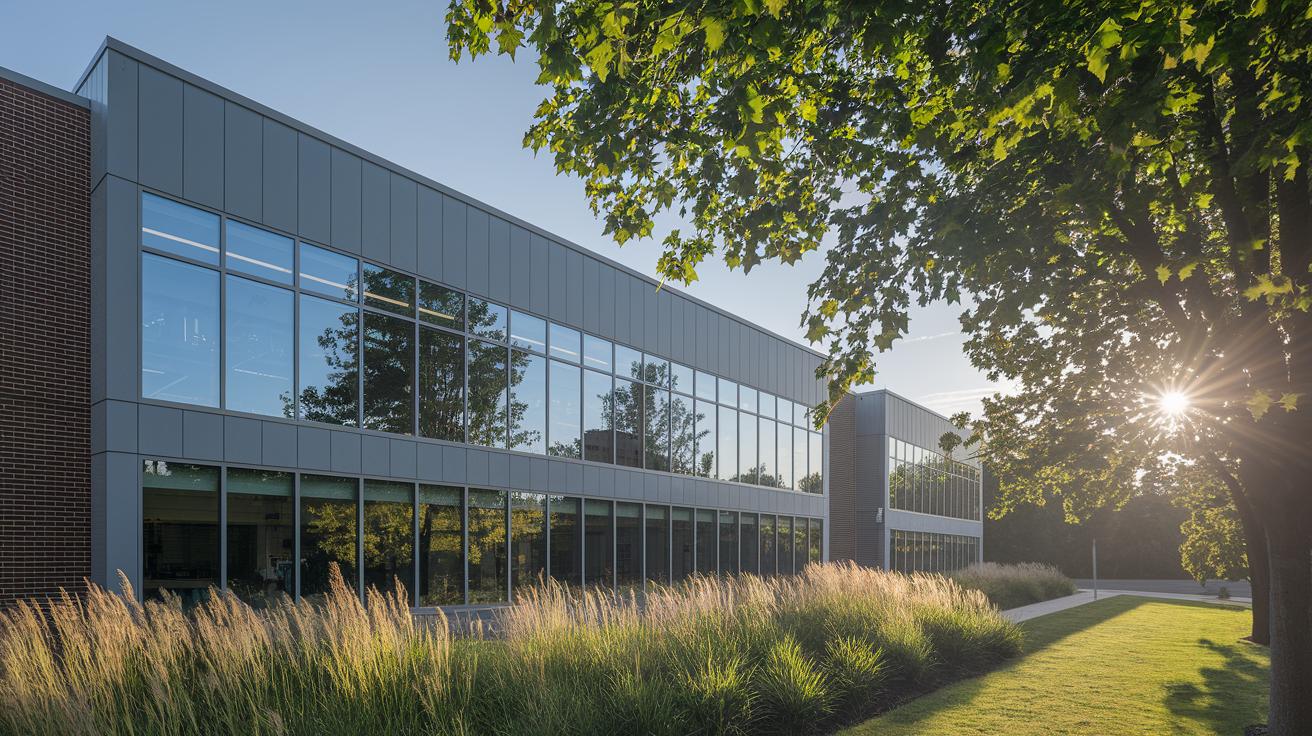
Perkins+Will designed the UF CTRB with a fresh, forward-thinking vision that combines thorough academic planning with creative, modern research design. They merged smart functionality with appealing style to create a space that truly reflects innovative translational research. Think of it as a research center that feels as lively as a finely tuned instrument, every detail is crafted for exceptional performance.
Sustainable Materials and Technologies
Inside the building, smart choices make a big impact. High-performance glazing floods the space with natural light while boosting energy efficiency. Energy-saving HVAC systems keep labs and offices comfortably stable while cutting down on costs and environmental strain. The flexible lab designs can easily adapt as research needs change, ensuring a perfect blend of comfort and function. Picture stepping into a lab where every window and air system works in harmony, like parts of one well-tuned machine.
Spatial Organization and Workflow
The facility unfolds over five floors, arranged to support smooth, natural workflows. Each level is carefully zoned for clinical spaces, research labs, and administrative areas, encouraging real-time collaboration. Imagine a setting where adjacent floors spark creative teamwork, with labs, offices, and meeting spaces all under one roof, setting the stage for breakthrough health innovations.
Research Institutes and Departments Housed in the UF Clinical and Translational Research Building
The UF CTRB is a lively center where many research groups come together, all focused on using innovative clinical studies and advanced biomedical science to make health better. Here, experts join forces to turn creative ideas into real health solutions for everyone in the state.
- Clinical and Translational Science Institute (Curious about clinical trials? Click here for more info.)
- NIH Institute on Aging
- Department of Biostatistics
- Department of Epidemiology
- Department of Health Outcomes & Policy
These five key programs show UF’s promise to create a strong network that supports everything from basic science to actionable public health plans. Researchers, along with their support teams, use shared data, modern analytical tools, and fresh research methods to solve everyday health challenges. Their combined work speeds up clinical studies and boosts the overall quality of biomedical research.
Under one roof, these dedicated groups form a community of constant learning and creative problem solving. Being so close encourages them to share new ideas and the best practices quickly. Whether they are fine-tuning clinical guidelines or crafting better strategies for disease prevention, every team member adds a unique perspective. This mix of talents turns challenges into new chances for healthier lives and lays a rock-solid foundation for future medical discoveries.
Location and Accessibility of the UF Clinical and Translational Research Building
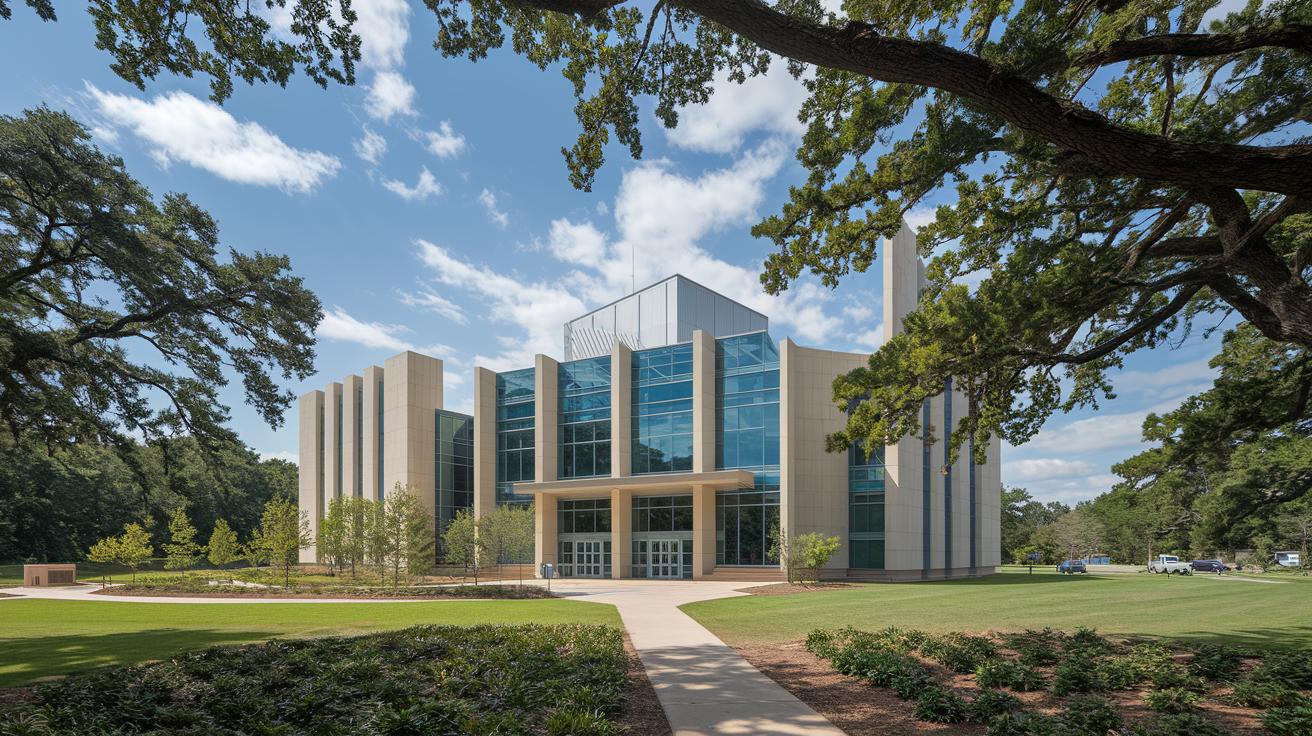
Tucked into the northeast corner of Gale Lemerand Drive and Mowry Road on UF’s Gainesville campus, this building is a key part of the health sciences area. You can easily find it along busy campus roads, making visits simple and hassle-free. It’s set up to help expand university research and boost the health campus, bringing together researchers, healthcare professionals, and community members.
For those driving on campus, just follow Gale Lemerand Drive where clear signs point you right to the entrance. If you’re parking, you’re in luck, there’s plenty of space in the nearby visitor and staff lots. And if you’re taking the bus, stops along Mowry Road make getting here a breeze.
The building sits just a short drive away from other UF Health facilities, creating a connected space that supports key campus initiatives and advances the field of clinical and translational research.
Grand Opening and Milestones of the UF Clinical and Translational Research Building
On a bright Monday morning full of energy, more than 200 guests gathered to celebrate the cutting of the ribbon for UF’s new interdisciplinary innovation space. Among the attendees were UF President Bernie Machen, Sen. Bill Nelson, and many UF Health physicians, nurses, and research staff. Imagine that feeling of opening a long-awaited letter with exciting news, that’s exactly how the day felt.
Throughout the event, speakers shared heartfelt messages about the drive for academic growth. Sen. Bill Nelson talked about the power of working together, explaining that this facility will be a central spot to boost clinical research that quickly moves from lab discoveries to practical treatments. UF President Bernie Machen compared the launch to a team captain getting his players pumped up before an important game, signaling UF’s commitment to turning research into real health benefits.
This event was more than a celebration, it was a clear sign of UF’s strong determination to expand its research horizons. It reflects the school’s focus on building upon its strengths and opening new doors in clinical research, paving the way for breakthroughs in health care that can really change lives.
Final Words
In the action of showcasing innovative research, this article highlighted the dynamic design and mission of the uf clinical and translational research building. We took a close look at its state-of-the-art facility, smart spatial layout, and accessibility that supports meaningful research collaborations. The building stands as a hub for multidisciplinary efforts, uniting experts and ideas across healthcare and science. Embracing a fresh outlook for health and wellness, its blend of research innovation and practical design inspires a brighter future for clinical breakthroughs.
FAQ
What is the UF Clinical and Translational Research Building’s address and phone number?
The UF Clinical and Translational Research Building is located at the northeast corner of Gale Lemerand Drive and Mowry Road on UF’s Gainesville campus. For contact details, please check UF’s official directory.
What is the University of Florida Clinical Translational Research Building?
The University of Florida Clinical Translational Research Building is a five-story, 120,000 sq ft research hub that integrates institutes like the Institute on Aging and the Clinical and Translational Science Institute to advance clinical research.
What does the Clinical and Translational Science Institute do at UF?
The Clinical and Translational Science Institute bridges lab discoveries to patient care, fostering collaboration across teams and enhancing state-wide research efforts through evidence-based projects.
What is the difference between clinical research and translational research?
Clinical research focuses on studies involving patient care, while translational research converts laboratory findings into practical treatments that improve daily medical practices.
Who is the director of the UF CTSI?
The director of the UF CTSI holds a key leadership role in shaping research initiatives. For the latest leadership information, contacting the UF clinical and translational research offices is recommended.
Is translational research good for medical school?
Translational research benefits medical school by connecting classroom theories with real-world clinical practice, thereby enhancing students’ practical understanding and critical problem-solving skills.
How many UF faculty members have distinguished records in teaching, research, and service?
Many UF faculty members are recognized for their distinguished contributions in teaching, research, and service, reflecting the university’s strong commitment to academic excellence, though an exact figure is not provided.